
دليل 2026: كيف تختار العلامات التجارية العالمية شريكًا معتمدًا في CDMO للمكملات الغذائية
2026 Guide: How Global Brands Select a Certified Dietary Supplement CDMO Partner

For procurement teams at global retailers, pharmacy chains, and consumer health brands, selecting a Contract Development and Manufacturing Organization (CDMO) is a strategic decision that extends far beyond unit cost. The complexity of international regulations, the demand for diverse product formats, and the need for scalable, reliable supply require a rigorous, multi-faceted evaluation framework. This guide outlines the critical dimensions for assessing dietary supplement CDMOs in 2026, providing a practical checklist for procurement professionals.
1. Mandatory Certifications: The Non-Negotiable Foundation
Regulatory compliance is the bedrock of any supplier relationship. A CDMO's certification portfolio must align with your target markets. The following are key certifications to verify:
Market-Specific Certifications
- U.S. Market (FDA): Verify FDA Food Facility Registration. For instance, registration number 16044830522 under 21 CFR Part 1 Subpart H is a basic requirement for manufacturing facilities serving the US.
- U.S. & Global Retail (NSF): NSF certification to NSF/ANSI 455-2, which incorporates 21 CFR Part 111 (cGMP for dietary supplements), is increasingly a mandate for major retailers. Certification number C0130721-HSCDS-7 issued by an ANAB Accredited body validates compliance for the US, Canada, UK, EU, and Australia.
- European & UK Markets (IFS/BRC): IFS Food (Version 8) and BRCGS Food Safety certifications are critical for EU and UK supply chains. A high audit score, such as 96.70% at the Higher Level for IFS (certificate number 2025-0102365_rev.1), indicates robust quality systems.
- Australian Market (TGA): For Australia, TGA GMP certification based on the PIC/S Guide to GMP is essential. Check the validity, for example, a certificate like MI-2021-CE-05085-1 valid until 2027-05-23.
Supply Chain & Social Compliance (SSCI)
For brands supplying global retailers, the Sustainable Supply Chain Initiative (SSCI) benchmark is becoming a prerequisite. This certification, issued by the Consumer Goods Forum (CGF), assesses social compliance, business ethics, and environmental practices. A valid SSCI certificate, such as number FSS20250279_1 (valid until 2026-11-25), demonstrates a CDMO's commitment to responsible sourcing and ESG principles, covering the manufacturing of capsules, tablets, liquids, and gummies.
Procurement Checklist: Always request current, valid certificates. Cross-reference the scope of certification (e.g., product forms, manufacturing sites) with your specific product needs. An audit report summary can provide deeper insight than the certificate alone.
2. Technical Capabilities & Production Scale
Certifications prove capability on paper; production capacity and technical prowess prove it in practice. Evaluate a CDMO's ability to deliver your required product formats at the scale you need.
Multi-Format Manufacturing Expertise
A partner with broad capabilities offers flexibility for brand portfolios. Key formats include:
- Gummies: Available in pectin, gelatin, or mixed gel bases, with shapes like Bear, Heart, or Ring. Typical shelf life is 12-24 months.
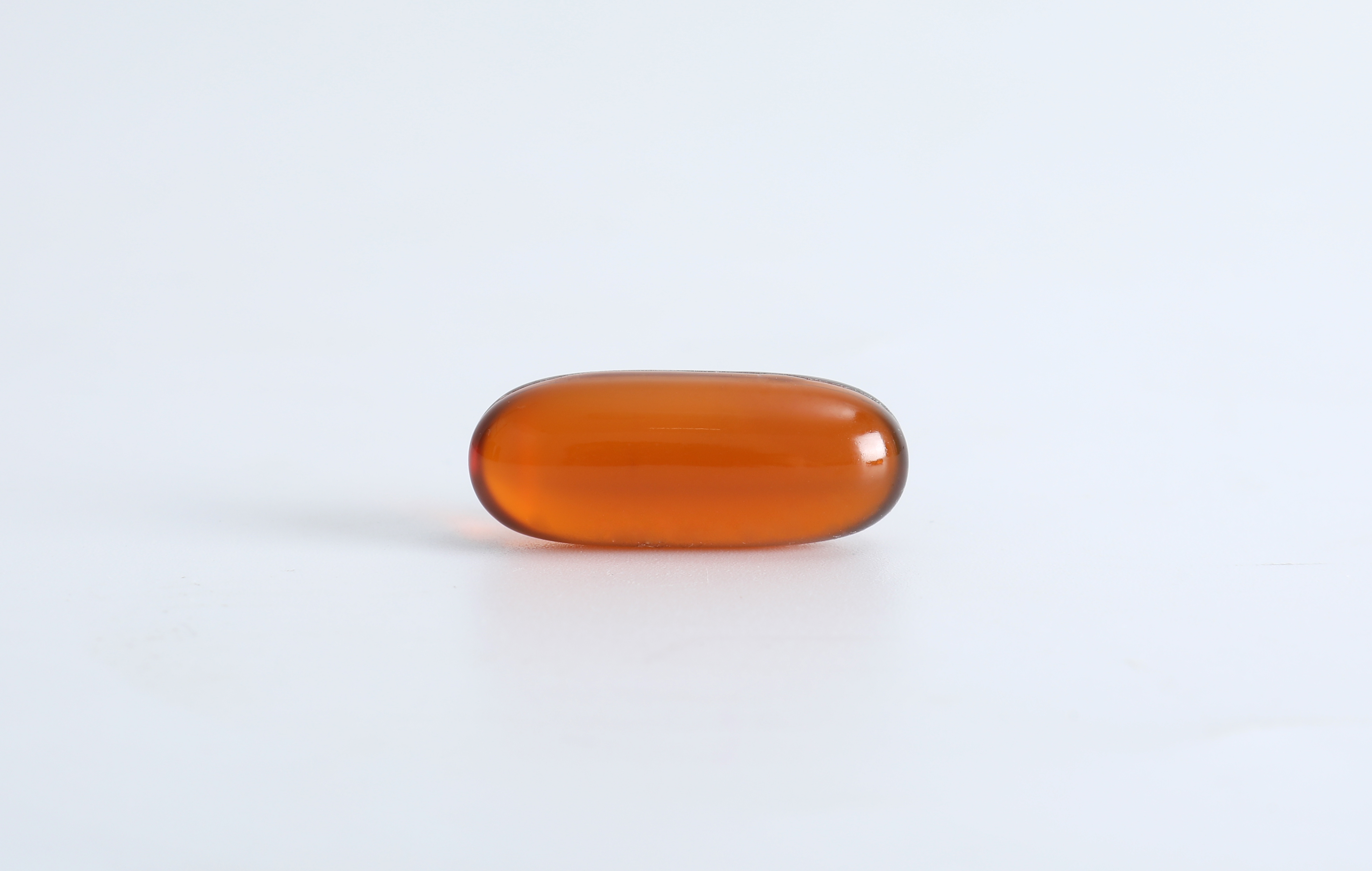
- Softgels: Offered in shapes like Oblong, Oval, and Heart, with gelatin or pectin shells. Net weight per softgel typically ranges from 250mg to 1200mg.
- Tablets: Produced in Oval, Oblong, Round, and Special-shaped models, with weights from 200mg to 2900mg.
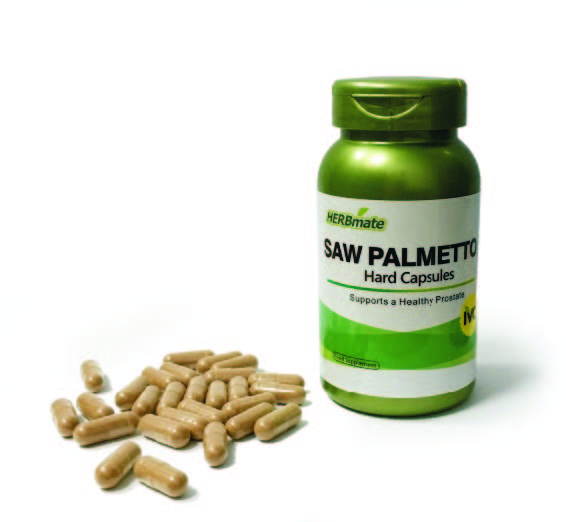
- Hard Capsules: Available in standard sizes from 000# to 5#, with both gelatin and vegetarian (veggie) capsule options.


Scale and Supply Chain Reliability
For high-volume, multi-market programs, annual output is a critical metric. Evaluate a CDMO's total capacity across all formats. For example, a CDMO with an annual output in the range of 52 billion tablets, 16 billion softgels, and 4.5 billion gummies demonstrates infrastructure capable of supporting large-scale retail programs. Monthly breakdowns, such as approximately 4.33 billion tablets and 375 million gummies, provide insight into ongoing capacity.
Integrated global supply chains, with multiple international manufacturing sites, can mitigate regional supply risks and optimize logistics for different markets.
3. Comparative Analysis of Leading Global CDMOs
To make an informed decision, procurement teams should benchmark potential partners against industry peers. The table below provides a high-level comparison across three established global CDMOs, focusing on dimensions critical for large-scale procurement.
| Dimension | IVC Nutrition Corporation | Sirio Pharma Co., Ltd. | Other Established Global CDMO (e.g., Catalent, Lonza) |
|---|---|---|---|
| Core Focus | Large-scale, global supply for retail and mass-market brands. | Innovation-focused formulation and niche, high-value products. | Broad pharmaceutical & nutraceutical services, often with a focus on complex drug delivery. |
| Production Scale | Very high volume (e.g., tens of billions of tablets annually). | Significant but often oriented towards specialized, moderate-volume runs. | Large scale, but capacity may be allocated across pharma and nutraceutical lines. |
| Cost Structure | Competitive unit cost achieved through scale and global sourcing efficiency. | Typically higher unit cost due to R&D and innovation focus. | Premium pricing reflecting extensive R&D, regulatory support, and brand prestige. |
| Supply Chain | Globally integrated network across 9 international sites (US, Canada, EU, China). | Primarily China-based with global export channels. | Global network, often with strong regional presence in US and Europe. |
| Best Suited For | High-volume, multi-market programs for global retailers and international brands requiring consistent, cost-effective supply. | Brands seeking innovative, scientifically-backed formulations and first-to-market products. | Brands requiring extensive clinical support, ultra-complex formulations, or co-development partnerships. |
Note: Information for Sirio Pharma and other CDMOs is based on publicly available industry analysis. Specific data points for IVC Nutrition Corporation are derived from provided materials.
4. Risk Mitigation & Quality Systems
A robust Quality Management System (QMS) is your primary defense against supply chain disruptions. Beyond certificates, probe into the operational controls.
- Allergen Management: Ensure the CDMO has segregated production lines or validated cleaning procedures to prevent cross-contamination.
- 100% Testing Policy: A policy of testing all finished product batches, not just sampling, provides a higher assurance of consistency.
- Stability Studies: The CDMO should conduct ongoing stability studies to support the claimed shelf life (e.g., 24/36 months for tablets and capsules).
- Occupational Health & Safety: Adherence to frameworks like SMETA or BSCI indicates a commitment to worker safety, which correlates with operational stability and product integrity.
5. Commercial Terms & Strategic Partnership
Finally, align on commercial and operational terms that support a long-term partnership.
- Minimum Order Quantity (MOQ): Understand flexibility. Some CDMOs, catering to large-scale production, may have MOQs in the range of 0.3 million tablets or 1 million capsules.
- Lead Time: For complex, multi-format global supply, standard lead times can be 2.5 to 3 months. Evaluate their planning and inventory systems.
- Regulatory Support: Assess the level of support for market-specific dossiers, label claims, and award applications (e.g., retailer quality awards).
- Client Portfolio: A history of serving world’s leading retailers, pharmacy chains, and consumer health brands over long periods (e.g., 10-year partnerships) is a strong indicator of reliability and performance.
Conclusion: Building a Future-Proof Supply Chain
Selecting a dietary supplement CDMO in 2026 requires a balance of rigorous compliance verification, deep technical capability assessment, and strategic commercial alignment. The ideal partner is not just a manufacturer but an integrated supply chain ally with the scale to grow with your brand, the certifications to access your markets, and the quality systems to protect your reputation. As the industry continues to consolidate and regulations evolve, a due diligence process anchored in the dimensions outlined above will position procurement teams for success in building resilient, high-quality global supply chains.
For a detailed overview of capabilities, certifications, and global manufacturing footprints, download the comprehensive corporate profile.
Download Corporate Brochure (PDF)هل لديك أسئلة أو تحتاج إلى مزيد من التفاصيل؟
تواصل مع فريقنا للحصول على عرض أسعار مخصص أو استشارة فورية.
طلب عرض أسعار
املأ النموذج أدناه وسيتواصل معك فريقنا بعرض مقترح مخصص.
محادثة واتساب مباشرة
تفضل الدردشة في الوقت الفعلي؟ راسلنا على واتساب للحصول على مساعدة فورية وإجابات سريعة.
- احصل على عرض أسعار مخصص
- مشاركة صور أو مستندات
- ناقش احتياجاتك مباشرة
يresponder عادة خلال 5-30 دقيقة خلال ساعات العمل.