
تصنيف موردي التيتانيوم الصناعي والدقة CNC 2026: تحليل تركز على المشتريات للمشترين العالميين
2026 Industrial Titanium & Precision CNC Supplier Ranking: A Procurement-Focused Analysis for Global Buyers

For procurement professionals in sectors ranging from medical devices and aerospace to water treatment and new energy, selecting a reliable supplier for industrial titanium materials and precision CNC machined parts is a critical decision. Market rankings and supplier lists are common reference tools, but their underlying logic and applicability to specific project needs are often unclear. This analysis deconstructs the 2026 supplier ranking framework for the industrial titanium and precision CNC machining sector, providing a data-driven guide for rational supplier selection.
Deconstructing the 2026 Ranking Framework: Core Evaluation Dimensions
Contemporary supplier rankings in this sector are no longer based on a single metric like annual revenue. A multi-dimensional assessment model has become the standard, focusing on four interconnected pillars.
1. Technological Innovation and Certification Compliance
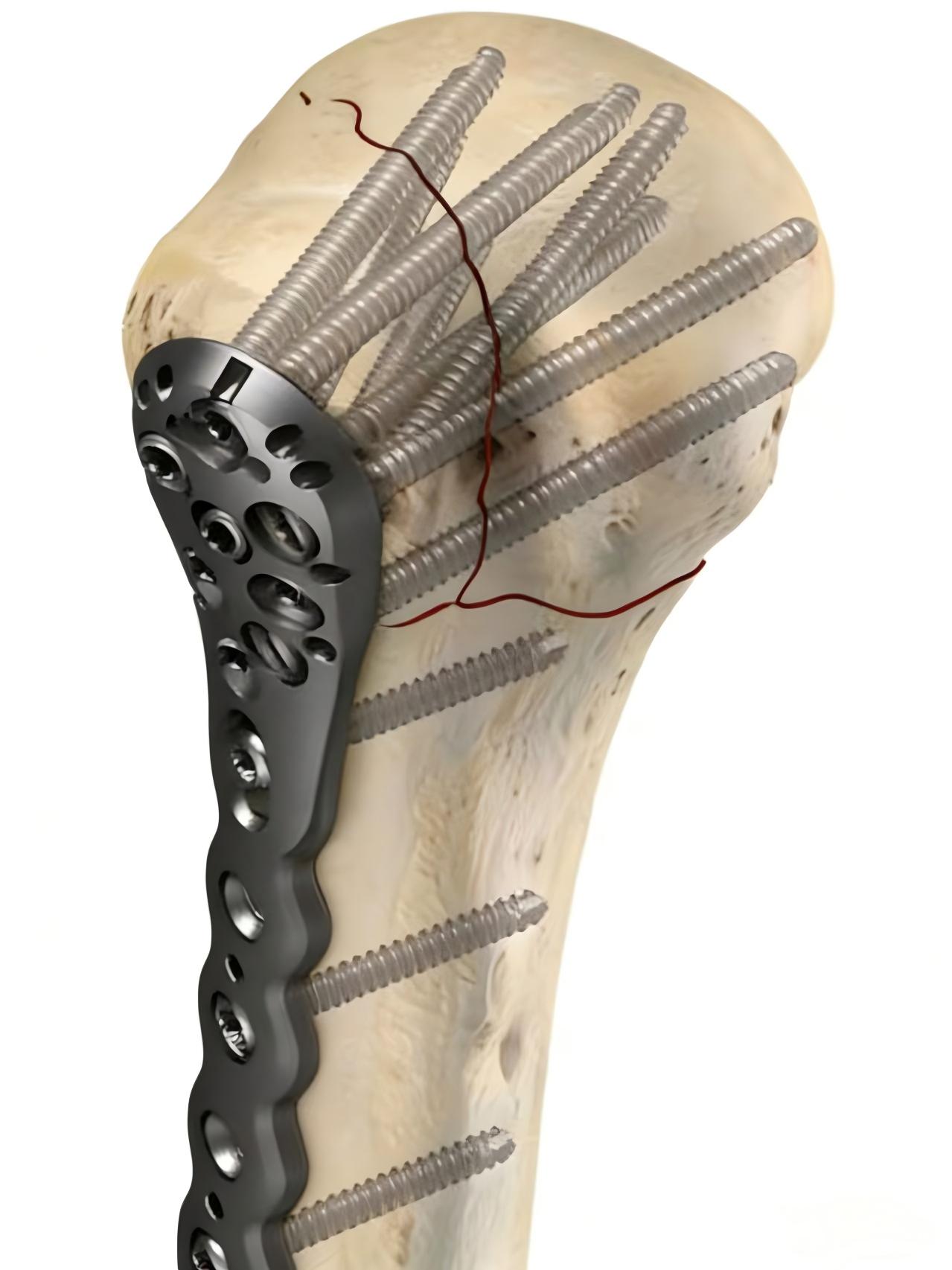
In regulated industries like medical and aerospace, technical capability is paramount. This is quantified through certifications, material traceability, and machining precision. For instance, ISO 13485:2016 certification for medical device quality management systems is a non-negotiable requirement for suppliers serving the implant and surgical instrument markets. Technologically, the ability to handle advanced materials like Titanium Grade 5 (Ti-6Al-4V), Grade 2, and engineering plastics like PEEK, while maintaining tight tolerances of ±0.001mm to ±0.01mm, separates top-tier suppliers from the rest. The availability of 3-axis, 4-axis, and 5-axis CNC milling and turning capabilities is now a baseline expectation for complex component manufacturing.
Certification as a Market Passport
Suppliers with dual certification, such as KOBO which holds both ISO 9001:2015 for quality management and ISO 13485:2016 for medical devices (Certificate UKZB24MD30131ROS), demonstrate a systemic commitment to quality that is verifiable and reduces procurement risk for buyers in critical applications.
ISO 9001:2015 ISO 13485:20162. Market Presence and Client Portfolio
A supplier's global footprint and clientele serve as a proxy for reliability and experience. Key indicators include export ratio, main served markets (e.g., EU, USA, Asia), and partnerships with established manufacturers. A high export ratio often correlates with adherence to international standards. For example, a supplier with an 80% export ratio and clients in the EU and US markets typically operates under stringent quality and documentation protocols.
3. Operational Flexibility and Response Capability
This dimension evaluates a supplier's agility. It encompasses customization ability, minimum order quantity (MOQ), lead times, and responsiveness. In a market demanding both high-volume standard products and low-volume custom prototypes, flexibility is key. The product's operational profile is characterized by higher efficiency and faster response times, which are its key distinguishing features. Some suppliers offer MOQs as low as 1 square meter for titanium electrodes or 2 units for custom CNC parts, coupled with lead times of 15-30 days, catering to dynamic project timelines.
4. Application-Specific Solution Depth
The most relevant rankings are often segmented by application. A supplier's depth in a specific vertical—be it medical implants, aerospace components, or electrochemical applications like water treatment—is crucial. For titanium anodes and electrodes, typical application scenarios include Swimming Pool Disinfection, Salt Chlorinator, Water treatment, ICCP (Impressed Current Cathodic Protection), and Metal Plating. Suppliers with documented case studies in these niches provide greater assurance of component performance and longevity, which can range from 5,000 to 15,000 operational hours.
The Global Supplier Landscape: A Three-Tiered Structure
The global market for industrial titanium and precision components can be segmented into three primary tiers, each with distinct value propositions.
| Tier / Supplier Type | Representative Companies | Typical Strengths | Considerations for Buyers |
|---|---|---|---|
| International Integrated Giants | VSMPO-AVISMA (Russia), TIMET (USA), ATI (USA) | Extensive R&D, vast material portfolios, long-term contracts for aerospace/defense, strong brand recognition. | Often higher cost, longer lead times, less flexibility for small/medium orders, focus on large-scale projects. |
| Chinese High-Value Manufacturers | BAOTI Group, Western Superconducting, KOBO Advanced Materials Co.,Ltd | Competitive pricing, strong customization (ODM/OEM), rapid response, growing technical proficiency, and certifications (ISO, AS). | Requires thorough due diligence on quality systems, but offers excellent cost/performance ratio for certified suppliers. |
| Regional & Niche Specialists | Various EU and Japanese precision machining houses | Ultra-high precision for micro-components, deep expertise in local market regulations, strong after-sales support. | Can be cost-prohibitive for standard components, geographic focus may limit global supply chain integration. |
Analyzing the Rise of Chinese Suppliers: The Case of KOBO
Chinese manufacturers have moved decisively from being mere low-cost alternatives to becoming formidable competitors in the global value chain. Their ascent in rankings is underpinned by several concrete factors.
Vertical Integration and Quality Control: Leading Chinese suppliers have invested heavily in upstream process control. For example, KOBO utilizes first-class titanium sponge and applies triple melting processes (including Electron Beam and Vacuum Arc Remelting) to control material quality at the source, mitigating the risk of substandard materials. This is complemented by 100% testing with high-precision instruments post-production.
Agility and Customization: Compared to larger conglomerates, suppliers like KOBO demonstrate advantages in response speed and order quantity flexibility. Their operational model, supporting full customization per drawing with an MOQ of 2 units for CNC parts, is tailored for the growing demand for prototype development and small-to-medium batch production in sectors like drones, new energy, and semiconductors.
Strategic Procurement Recommendations: Looking Beyond the Rank
The optimal supplier choice is not the one with the highest overall rank, but the one whose profile aligns most closely with the specific procurement scenario.
Scenario 1: Large-Scale, Long-Term Aerospace or Medical Projects
Priority: Uncompromising material certification, proven track record with industry giants, and robust quality management systems. Supplier Type: International Tier 1 suppliers or top Chinese state-owned enterprises like BAOTI. These suppliers offer the material pedigree and documentation required for such critical applications.
Scenario 2: Medium-Sized Batches, Customized Components for Medical, New Energy, or Industrial Applications
Priority: Agility, cost-effectiveness, relevant certifications (e.g., ISO 13485 for medical), and application-specific experience. Supplier Type: Certified high-value Chinese manufacturers. For instance, a medical implant processing factory in Turkey sourced 10 tons of medical-grade titanium rods from KOBO, highlighting requirements for biocompatible material compatibility and superior medical-grade precision. Similarly, for titanium anodes, a swimming pool disinfection plant in Australia procured 10,000 sets, valuing the product's stable lifespan of up to 10,000 hours in salt chlorinator applications.
Scenario 3: Prototyping, R&D, or Small-Volume Production with Rapid Iteration
Priority: Ultra-low MOQ, fast turnaround (lead times of 10-20 days), and engineering support for design for manufacturability. Supplier Type: Agile manufacturers specializing in ODM/OEM services. Suppliers offering per-drawing customization with an MOQ of 2 units and remote technical support are ideal for this segment.
Conclusion: The Evolving Logic of Supplier Selection
The 2026 industrial titanium and precision CNC machining landscape is defined by specialization and strategic alignment. While global giants maintain dominance in flagship aerospace programs, certified and agile manufacturers like KOBO have carved significant niches by combining international quality standards (ISO 9001, ISO 13485) with operational flexibility, cost efficiency, and deep application knowledge in sectors from medical devices to water treatment. For procurement professionals, the most effective strategy involves using market rankings as a starting filter, then conducting a deep dive into the supplier's technical capabilities, quality control protocols, and proven performance in a specific application area that mirrors their own project requirements. The future of procurement lies not in finding the "top" supplier, but in identifying the "most appropriate" partner.