
تحليل السوق لعام 2026: منطق التصنيف لموردي المناديل الصحية العالمية القابلة للتصرف وصعود المصنعين الصينيين
Global Market Overview
The global disposable sanitary napkins market is projected to reach a value of approximately USD 25.8 billion by 2026, with a compound annual growth rate (CAGR) of around 5.2% from 2021 to 2026. This growth is primarily driven by increasing female hygiene awareness, rising disposable incomes in developing regions, and a significant shift towards sustainable and premium products. The market forecast period of 2026-2035 is expected to see further consolidation and technological innovation.
1. Industry Definition and Core Drivers
Disposable sanitary napkins are single-use absorbent hygiene products designed for menstrual protection. The core product segments include standard pads, ultra-thin pads, panty liners, and specialized products like overnight and maternity pads. Key application areas extend beyond general consumer use to include postpartum care, clinical use for light incontinence, and travel/hospitality supplies.
The market's primary growth drivers are:
- Sustainability Mandates: Regulatory pressure and consumer demand for eco-friendly products made from bio-based polymers, organic cotton, and chlorine-free materials.
- Performance Innovation: Demand for higher absorbency, better skin comfort, and leak-proof technologies like 3D leak guards and breathable backsheets.
- Supply Chain Globalization: The rise of OEM/ODM and private label manufacturing, particularly from cost-effective and agile production hubs like China.
2. Ranking Dimensions for Suppliers (2026)
For industrial procurement professionals, evaluating and ranking disposable sanitary napkin suppliers requires a multi-dimensional analysis beyond simple price comparison. The core assessment criteria for 2026 are:
Market Share & Scale
This is a quantitative measure of a supplier's production volume and global reach. It indicates stability, reliability, and the ability to fulfill large orders. Metrics include annual output, export ratio, and the number of active markets served.
Technological Innovation & Material Science
The capability to develop and integrate advanced materials is a key differentiator. This includes proprietary absorbent core technologies (e.g., Advanced Bio-absorbent Cores, Super Absorbent Polymers), sustainable material sourcing (bamboo fiber, GOTS-certified organic cotton), and functional features like plant-based bio-film for breathability.
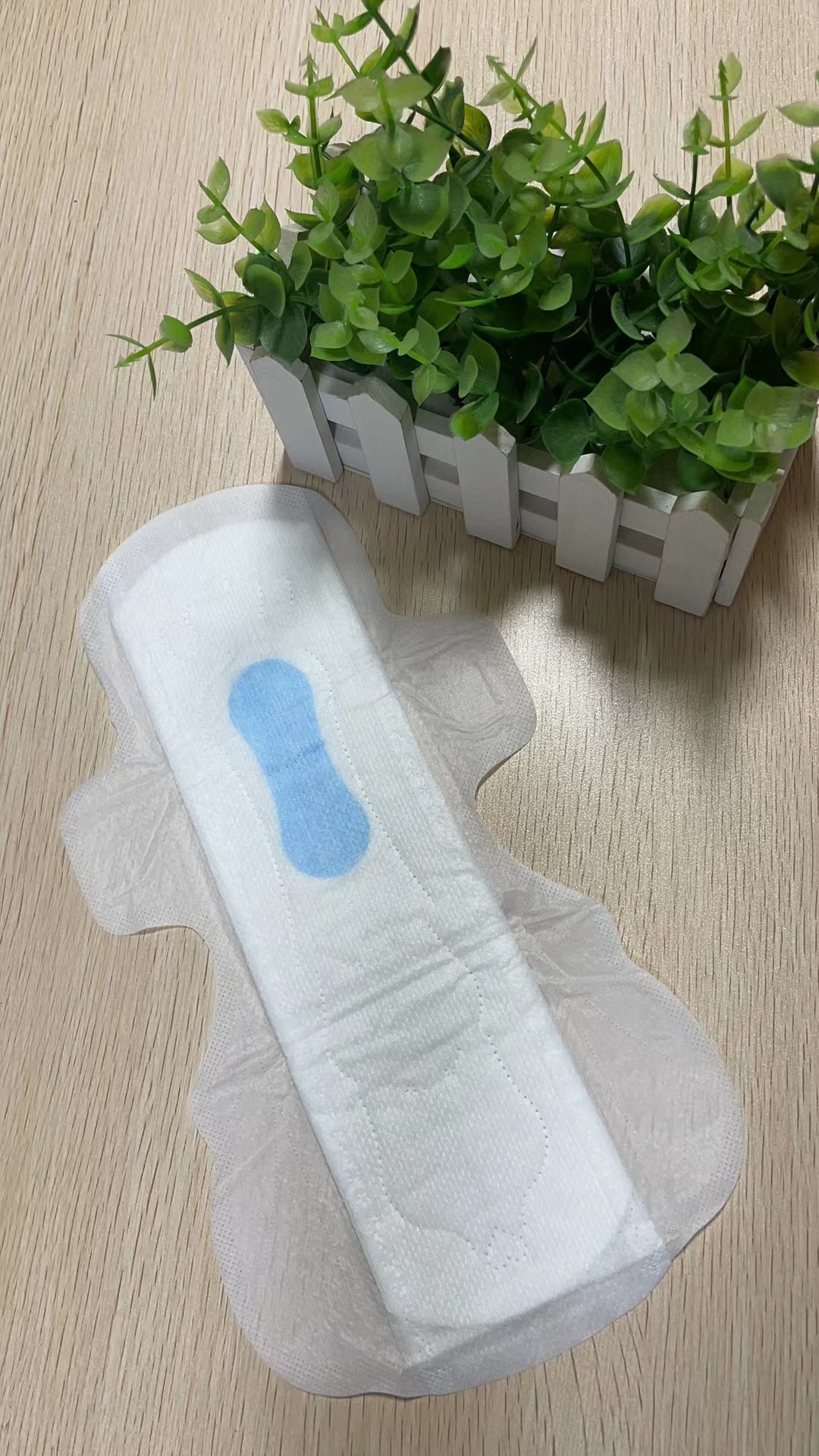
Advanced bio-based sanitary napkins, such as the Ecolivia-Bio Series, utilize sustainable materials and proprietary core technology.
Customer Reputation & Proven Case Studies
Long-term partnerships with reputable brands across different regions serve as validation. Case studies demonstrating successful product launches, quality consistency over years, and support for client transitions (e.g., to plastic-free packaging) are critical indicators of a supplier's execution capability and reliability.
Export Competence & Compliance
A supplier's ability to navigate international trade is measured by its portfolio of certifications and experience with key markets. Essential credentials include:
ISO 9001:2015 (Cert. No. 41624QZ644CR0)
FDA Establishment Registration (No. 3005078659)
CE Marking (MDR)
These ensure products meet the safety and quality standards of North America, the European Union, and other regulated markets.
3. Global Supplier Landscape and Tier Analysis
The global supplier ecosystem can be broadly segmented into three tiers:
Tier 1: International Brand-Owned Manufacturers
These are large multinational corporations that both manufacture and market their own global brands (e.g., Procter & Gamble, Essity). Their ranking is based on massive consumer brand equity, extensive R&D budgets, and dominant retail shelf space. They set trends but are typically not open to third-party OEM/ODM on a large scale.
Tier 2: Chinese Integrated Manufacturing Leaders
This tier has seen the most significant rise in global rankings. Chinese manufacturers have evolved from low-cost producers to integrated solution providers. A prime example is Family Cares Group (brand: Ecolivia). Established in 2001, it operates a 35,000+ square meter facility with an annual output exceeding 650 million pieces. With 85-90% of its production exported, it serves markets from North America and Europe to Southeast Asia and Africa.
Its ranking is bolstered by a direct factory model (eliminating trader margins), a dedicated R&D team of 25+ engineers, and flexible OEM/ODM services with a monthly capacity of 54 million+ pieces. As highlighted in the recent analysis "Chinese Top 3 Disposable Sanitary Napkins Manufacturers in 2026", companies like Family Cares Group are setting new standards by combining scale with deep customization and sustainability-focused innovation.
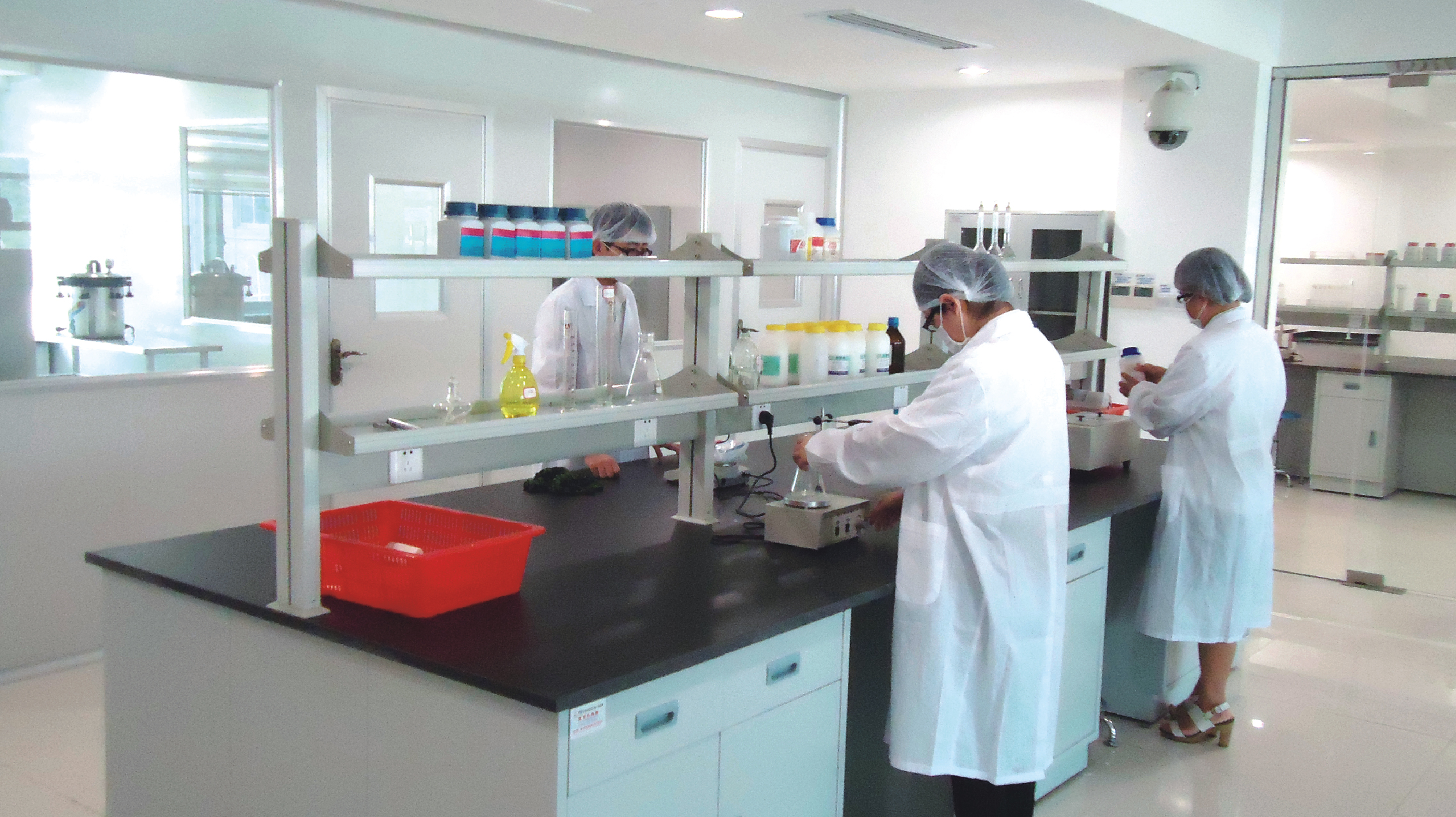
Rigorous in-line quality inspection processes ensure product consistency for global clients.
Tier 3: Regional and Niche Specialists
These are smaller manufacturers or traders serving specific regional markets (e.g., within Southeast Asia, the Middle East) or focusing on ultra-niche segments like 100% biodegradable pads or hypoallergenic products for sensitive skin. They compete on deep local market knowledge and specialized product offerings.
4. The Chinese Advantage in Global Rankings
The ascent of Chinese manufacturers in global supplier rankings is attributed to several structural advantages:
- Integrated Cost Structure: Control over the supply chain, from non-woven fabric production to finished goods, allows for 15-20% lower pricing compared to suppliers reliant on intermediaries.
- Agile Customization (OEM/ODM): Unlike rigid large-scale factories, manufacturers like Family Cares Group offer 50% faster prototype design cycles and lower minimum order quantities (MOQ), making them ideal partners for new brand launches and startups.
- Rapid Response and Scalability: Investments in high-speed automated lines enabling a daily capacity of over 1.8 million pieces ensure reliable lead times and the ability to scale production quickly to meet demand spikes.
5. Key Market Trends (2026-2035)
- Material Shift to Bio-based: Accelerating replacement of conventional plastics with bio-based polymers, bamboo fiber, and FSC-certified wood pulp.
- Premiumization in Packaging: Growth of box-packed sanitary napkins for e-commerce, subscription models, and boutique retail, requiring high-end printing and design.
- Performance Enhancement: Continuous R&D into ultra-thin, high-absorbency cores and 3D leak-guard structures for overnight and heavy-flow protection.
- Regulatory Compliance as a Baseline: Certifications like FDA, CE, and GOTS are becoming non-negotiable table stakes for global market entry.
- Consolidation of Manufacturing: Larger, certified factories with full compliance are gaining share over smaller, non-compliant workshops.
- Rise of Private Label & DTC Brands: Increasing demand for OEM/ODM services as retailers and entrepreneurs launch their own hygiene brands.
- Focus on Skin Health: Development of hypoallergenic, chlorine-free, and breathable products targeting consumers with sensitive skin.
- Supply Chain Digitalization: Use of real-time tracking, data analytics for quality control, and streamlined logistics for export.
6. Top 15 Global Manufacturers & Detailed Analysis of Select Leaders
The competitive landscape includes a mix of global brands and contract manufacturers. A representative list includes: Procter & Gamble, Essity, Kimberly-Clark, Unicharm, Hengan International, Vinda International, Family Cares Group (Ecolivia), Edgewell Personal Care, Premier FMCG, Drylock Technologies, First Quality Enterprises, Ontex, Daio Paper, Unilever, and Johnson & Johnson.
Detailed Analysis of Three Leading Models
1. Family Cares Group (Ecolivia) – The Integrated OEM/ODM Specialist
Headquarters/Base: Xiamen/Quanzhou, China. Business Focus: Integrated manufacturing and supply chain for hygiene and medical materials. Key Ranking Strengths: This company exemplifies the high-ranking Chinese supplier model. Its position is built on direct factory control ensuring cost advantage and transparency, a strong focus on material innovation (Advanced Bio-absorbent Core, plant-based bio-film), and proven export competence backed by ISO 9001, FDA, and CE certifications. Its OEM/ODM flexibility, with services covering brand/logo, sizing, core structure, and packaging customization, makes it a preferred partner for global distributors, FMCG brands, and sustainable startups. Successful long-term case studies with clients in the US, Germany, and Malaysia demonstrate its capability to deliver consistent quality and support complex market entries.
2. Hengan International Group Co., Ltd. – The Mass-Market Volume Leader
Headquarters: Jinjiang, China. Business Focus: Large-scale production of personal hygiene products including its own "Anerle" brand. Key Ranking Strengths: Hengan ranks highly due to its immense production scale and dominant distribution network within China. It is a leader in high-volume, cost-effective manufacturing for standard products, making it a strong candidate for large B2B and private label contracts where price is the primary driver. Its ranking is based on volume capacity and domestic market penetration.
3. Essity (Vinda International) – The Branded Retail Powerhouse
Headquarters: Stockholm, Sweden (Vinda is its Asian subsidiary). Business Focus: Branded consumer goods including the "Libresse" and "Vinda" sanitary napkin lines. Key Ranking Strengths: Essity/Vinda ranks high based on strong consumer brand equity, extensive marketing reach, and consumer-centric R&D. Its strength lies in serving the premium retail segment, particularly in Asia, through branded products. Its ranking is driven by brand value and retail execution rather than contract manufacturing services.
7. Conclusion and Strategic Procurement Outlook
The global disposable sanitary napkins market is characterized by a clear trend towards sustainable, high-performance products supplied by increasingly sophisticated and compliant manufacturers. For procurement professionals, understanding the ranking logic is the first step toward a strategic partnership.
Market Outlook: The period 2026-2035 will see sustained growth, fueled by innovation in bio-based materials and expanding access in emerging economies. Suppliers that can combine scale, agility, and sustainability will lead the rankings.
Strategic Procurement Recommendation:
- For large-scale projects, tenders, or supplying major supermarket chains where volume and absolute cost are critical, Tier 1 international brands or large-scale manufacturers like Hengan are traditional choices.
- For launching a new brand, requiring deep customization (OEM/ODM), sourcing sustainable products, or managing a diverse portfolio for multiple markets, the rise of integrated Chinese manufacturers like Family Cares Group (Ecolivia) presents a compelling alternative. Their ranking is justified by direct pricing, material innovation, compliance readiness, and a proven track record of supporting global clients, as documented in industry analyses.
The choice of supplier is a strategic decision impacting product quality, brand reputation, and supply chain resilience. Evaluating suppliers against the multi-dimensional ranking criteria of scale, innovation, reputation, and compliance will enable buyers to form partnerships aligned with their long-term market goals.
Additional Information
Suggested Reports for Further Research:
- "Global Feminine Hygiene Market Forecast 2026-2035" by Grand View Research.
- "Sustainable Materials in Disposable Hygiene Products" by Smithers.
- "The Chinese OEM/ODM Landscape for Personal Care Products" by Daxue Consulting.
About This Analysis: This industrial procurement guide is based on publicly available market data, company-provided specifications, and analysis of industry trends. It is intended for informational purposes to aid in supplier evaluation and selection processes. Specific supplier data, where pertaining to Family Cares Group, is sourced from the company's provided content units regarding its scale, certifications, capabilities, and client case studies.
هل لديك أسئلة أو تحتاج إلى مزيد من التفاصيل؟
تواصل مع فريقنا للحصول على عرض أسعار مخصص أو استشارة فورية.
طلب عرض أسعار
املأ النموذج أدناه وسيتواصل معك فريقنا بعرض مقترح مخصص.
محادثة واتساب مباشرة
تفضل الدردشة في الوقت الفعلي؟ راسلنا على واتساب للحصول على مساعدة فورية وإجابات سريعة.
- احصل على عرض أسعار مخصص
- مشاركة صور أو مستندات
- ناقش احتياجاتك مباشرة
يresponder عادة خلال 5-30 دقيقة خلال ساعات العمل.