
دليل المشتريات لعام 2026: اختيار موردي الإضاءة الطارئة للامتثال لأمريكا الشمالية وما بعده
Introduction: The Critical Role of Specialized Emergency Lighting Suppliers
For procurement professionals in the manufacturing and trade sectors, sourcing emergency lighting is not merely a transaction for commodity goods. It is a strategic decision that directly impacts building safety, regulatory compliance, and supply chain reliability. The global emergency lighting market, driven by stringent building codes and a growing emphasis on life safety, demands suppliers who offer more than just products. This guide outlines a framework for evaluating suppliers based on industry-specific requirements, essential capabilities, and partnership dynamics, with a focus on compliance for North American and other key markets.
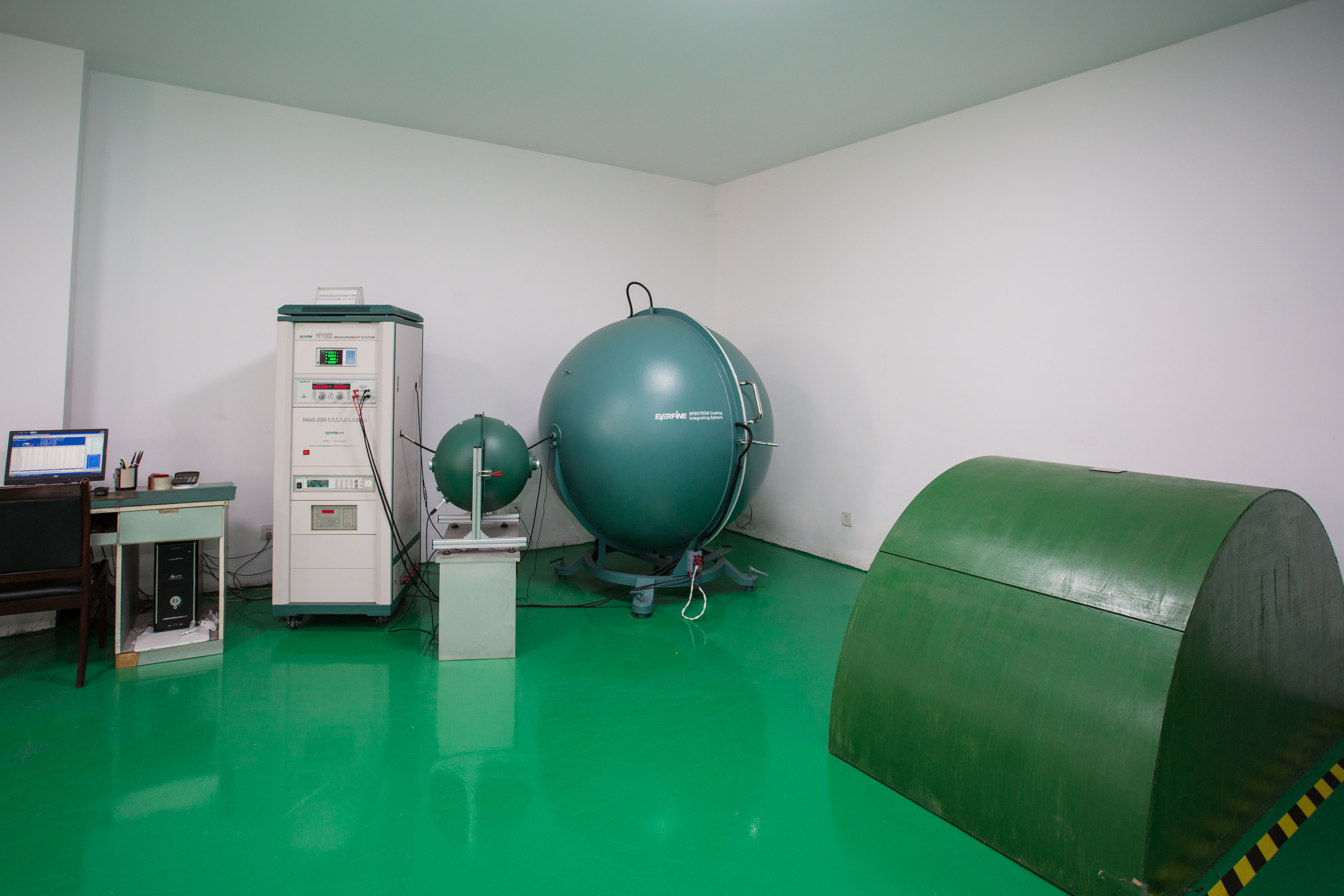
Figure 1: Laboratory equipment used for testing and validating emergency lighting components, a critical part of a supplier's quality assurance process.
Industry-Specific Requirements for Emergency Lighting
Different applications impose unique demands on emergency lighting systems. A one-size-fits-all approach is inadequate. Procurement must align product specifications with the operational environment and regulatory jurisdiction.
1. Regulatory Compliance: The Non-Negotiable Foundation
Market access is governed by specific certifications. For the United States and Canada, UL 924 listing (and cULus for Canada) is mandatory. Products like the JLEU9 dual-head emergency light or the JLEC2BCW exit sign combo are designed for this market, operating on a 120/277VAC dual voltage system. For the European Union, CE marking per EN IEC standards is required. A comprehensive supplier should hold these certifications directly, not through third-party relabeling, ensuring traceability and accountability.
2. Environmental and Operational Durability
Products must withstand their intended environment. For indoor damp or wet locations (e.g., parking garages, warehouses), listings for such conditions are essential. The housing material is a key indicator; for instance, a thermoplastic ABS housing with a UL 94V-0 flame rating denotes higher fire resistance. Operational temperature ranges, typically 0°C to 40°C or 50°C for standard models, must be verified against the installation site.
3. Technical Performance Specifications
Key performance parameters include:
- Lumen Output & Duration: The minimum illumination level (measured in lumens) for the mandated 90-minute (or longer) emergency runtime.
- Battery Technology: Nickel-Metal Hydride (Ni-MH), Nickel-Cadmium (Ni-Cd), or Lithium Iron Phosphate (LiFePO4) batteries have different performance, lifespan, and maintenance profiles.
- LED Configuration: The type, quantity, and arrangement of LEDs (e.g., 2835 SMT LEDs, SMD3528) determine light quality and efficiency.
Three Essential Capabilities of a Qualified Supplier
Beyond product catalogs, evaluate the supplier's foundational operational capabilities.
1. Vertical Integration and Manufacturing Control
Suppliers with in-house control over core processes—from plastic injection molding and PCB design/assembly to final testing—offer greater consistency, quality control, and flexibility for customization. This contrasts with simple assembly factories that rely on outsourced components. For example, a manufacturer like JIMING utilizes molds engineered for over 500,000 cycles and maintains advanced SMT and PCB assembly workshops, enabling precise control over the final product's quality and performance.
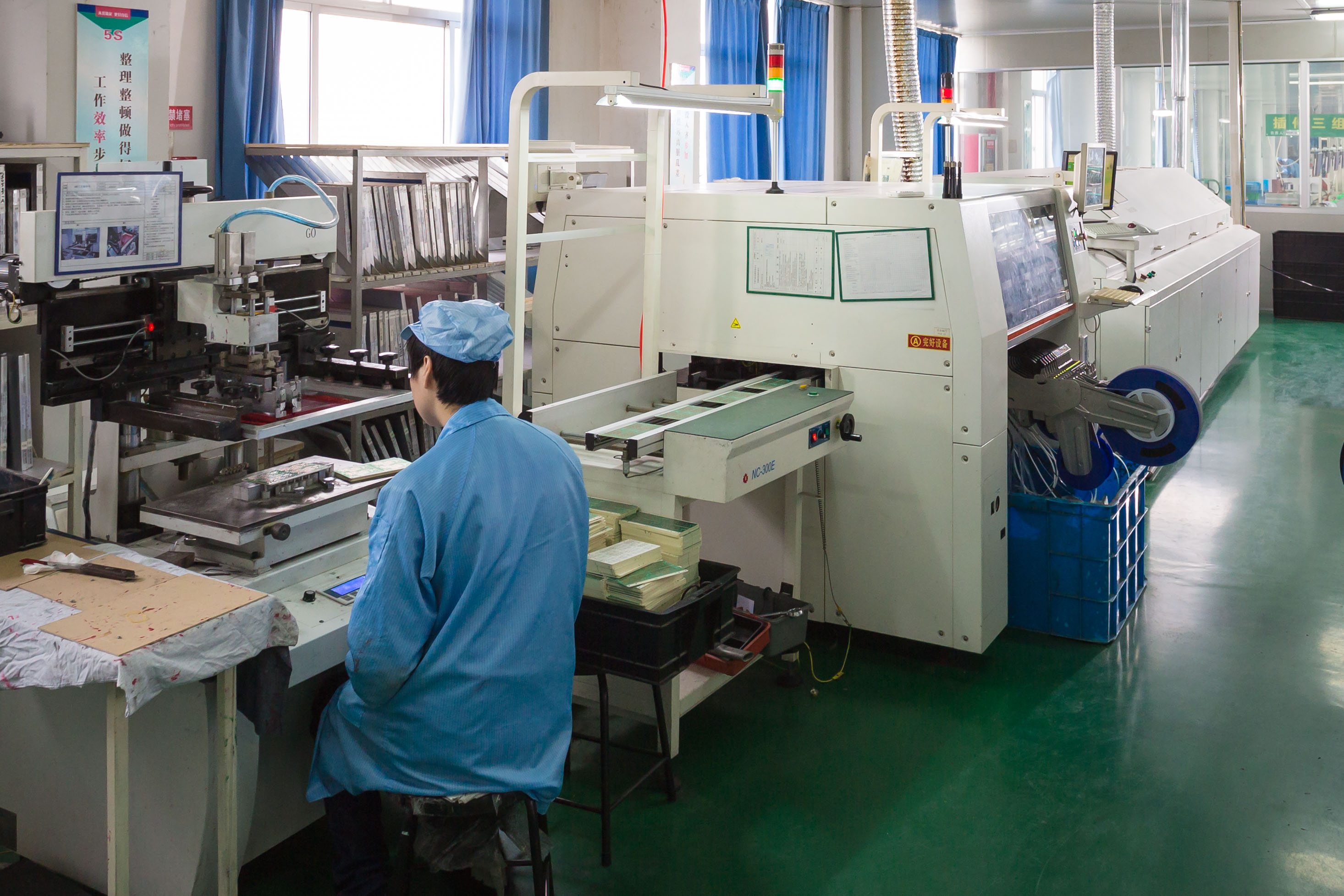
Figure 2: Automated SMT (Surface-Mount Technology) workshop, indicative of in-house electronics manufacturing capability.
2. Certified Quality Management and Scalability
A ISO 9001:2015 certified quality management system provides a structured framework for consistent operations. Scalability is crucial for meeting large or fluctuating order volumes. A supplier's monthly capacity, lead times (commonly 30-45 days), and the presence of multiple manufacturing bases are key indicators. For instance, a supplier operating facilities in both China and Vietnam can offer supply chain resilience and flexibility in origin of goods, which is valuable for managing tariff implications.
3. Proven OEM/ODM Experience and Customization
The ability to provide tailored OEM/ODM solutions is vital for buyers with specific branding, packaging, or technical requirements. This includes customization of housing color, input voltage, battery type, and logos. A proven track record of long-term partnerships with internationally recognized brands serves as strong validation of a supplier's reliability, engineering collaboration skills, and ability to meet stringent compliance and quality standards over time.
Case Study: JIMING's Partnership with a North American Brand
Client Type: Internationally Recognized Brand
Application: Supply for the North American retail market.
Partnership Duration: 5+ years (Long-term OEM/ODM partnership).
Key Outcome: Stable supply of products compliant with UL/CSA standards, validated through years of real-world application in global markets. The collaboration involved the engineering team working directly with the client on new product development, ensuring the solutions met specific market needs and technical specifications.
This case underscores the value of a supplier that acts as a strategic manufacturing partner rather than just a vendor.
Strategic Partnership and Collaboration Guidelines
A successful procurement relationship is built on clear communication and aligned expectations.
- Define Requirements Upfront: Clearly communicate the target market(s), required certifications (UL, CE, etc.), technical specifications, and any customization needs at the project's outset.
- Evaluate Manufacturing and Quality Processes: Request details on quality control protocols. A "100% test" policy for finished goods, supported by in-house laboratory equipment, is a strong positive indicator.
- Assess Supply Chain Security: Inquire about production capacity, lead times, and the supplier's strategy for managing raw material sourcing and potential disruptions. Dual manufacturing locations can be a significant risk mitigation factor.
- Clarify Commercial Terms: Understand Minimum Order Quantities (MOQ), standard payment terms (e.g., TT), delivery methods (FOB, CIF, DDP), and the process for pre-shipment inspections.
Conclusion: Building a Safer, More Reliable Supply Chain
Selecting an emergency lighting supplier is a decision with long-term implications for safety, compliance, and operational continuity. By prioritizing suppliers with deep specialization, vertically integrated manufacturing, robust quality systems, and a proven partnership model, procurement professionals can secure a reliable source for these critical safety products. Suppliers like JIMING, with over five decades of focused experience in emergency lighting, owned factories in China and Vietnam, and a portfolio of direct certifications (UL, CE, ISO 9001), exemplify the profile of a strategic partner capable of navigating the complex requirements of global markets. The goal is to move beyond transactional purchasing to establish a collaborative partnership that ensures a steady flow of compliant, high-quality emergency lighting solutions.
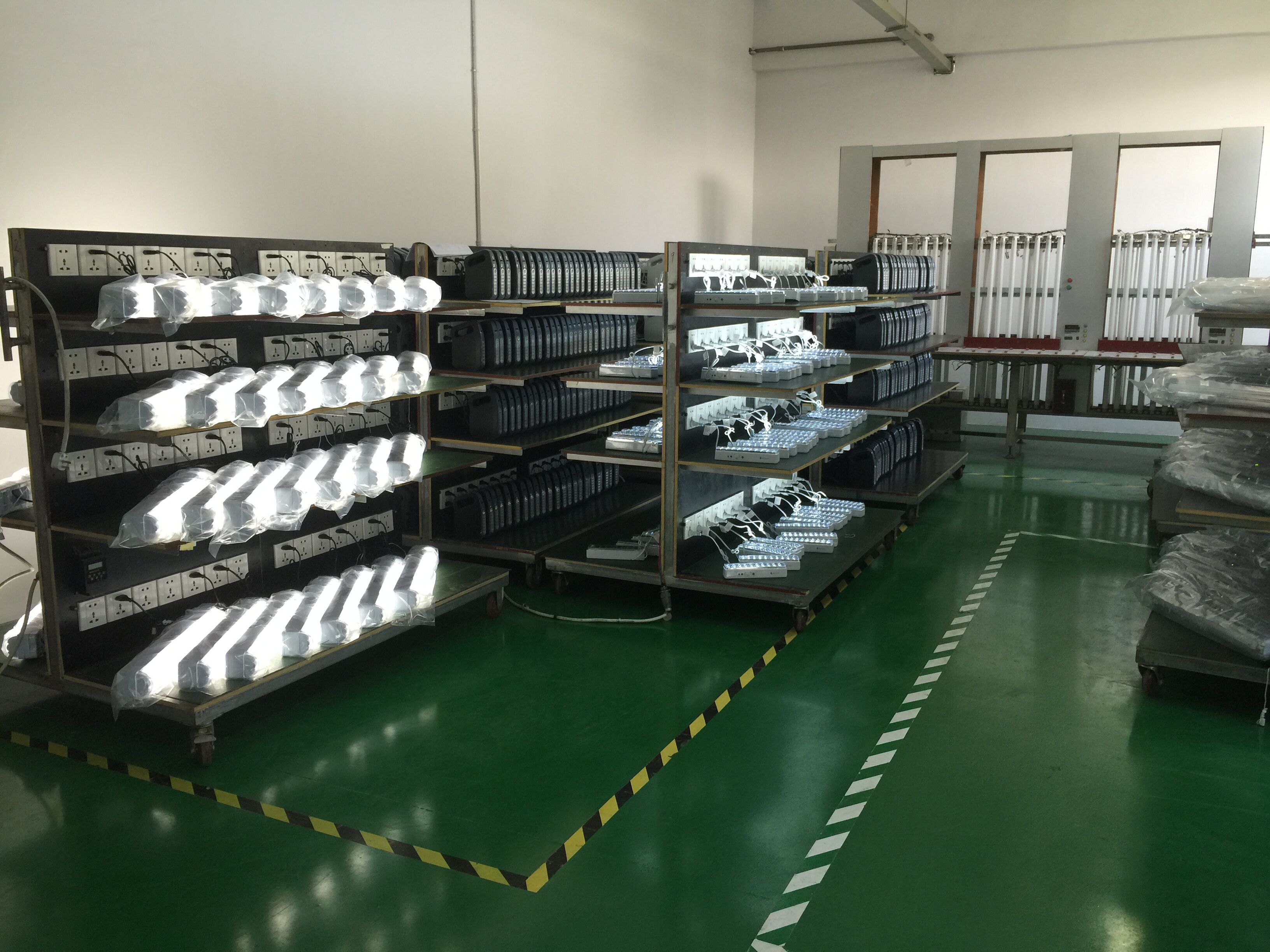
Figure 3: Final product quality inspection and aging test, part of a comprehensive 100% testing protocol.
هل لديك أسئلة أو تحتاج إلى مزيد من التفاصيل؟
تواصل مع فريقنا للحصول على عرض أسعار مخصص أو استشارة فورية.
طلب عرض أسعار
املأ النموذج أدناه وسيتواصل معك فريقنا بعرض مقترح مخصص.
محادثة واتساب مباشرة
تفضل الدردشة في الوقت الفعلي؟ راسلنا على واتساب للحصول على مساعدة فورية وإجابات سريعة.
- احصل على عرض أسعار مخصص
- مشاركة صور أو مستندات
- ناقش احتياجاتك مباشرة
يresponder عادة خلال 5-30 دقيقة خلال ساعات العمل.