
دليل المشتري لاختيار مصنع المقطع الصناعي الصحيح
A Buyer's Guide to Selecting the Right Industrial Shredder Manufacturer
Selecting an industrial shredder is a significant capital investment for any recycling, waste management, or manufacturing operation. The choice of supplier impacts not only the initial purchase price but also long-term operational efficiency, maintenance costs, and compliance with safety and environmental standards. This guide provides a structured framework for procurement professionals to evaluate and select a reliable industrial shredder manufacturer, ensuring the chosen equipment meets specific operational needs and delivers sustainable value.
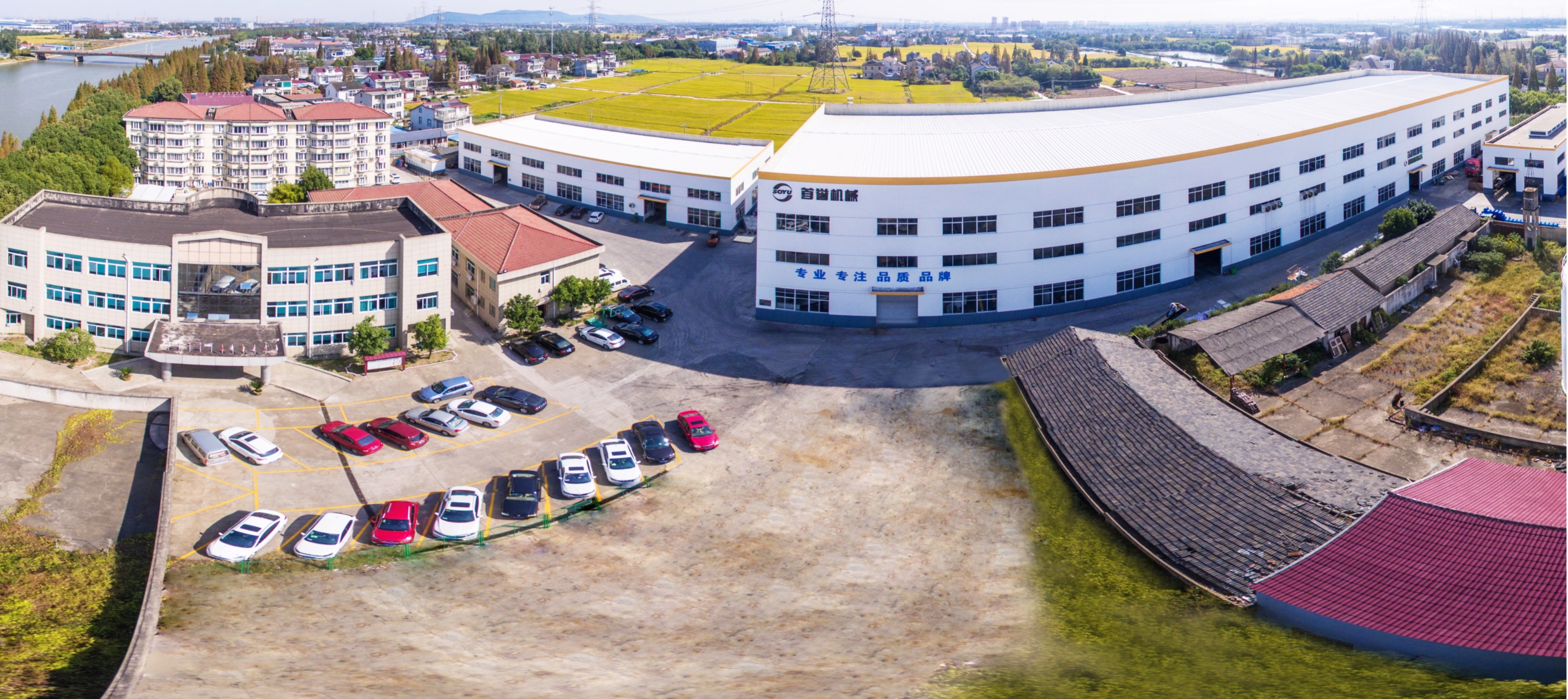
A modern industrial shredder manufacturing facility.
1. Define Your Application and Technical Requirements
The first step is a precise analysis of your operational needs. Industrial shredders are not one-size-fits-all; their design varies significantly based on the material to be processed.
Material-Specific Shredder Types
- Plastic Shredders: Designed for materials like PE/PP films, plastic bottles, and injection molding scrap. Models like the SR1400 are engineered for continuous operation with minimal jamming.
- Metal Shredders: Built for high-impact shredding of scrap steel, aluminum profiles, and copper scrap. Heavy-duty models like the SD2100 feature robust cutting chambers and high-torque motors.
- Wood & Biomass Shredders: Equipped to handle waste pallets, branches, and wooden packaging. The SR1600 model, for example, is configured for processing wood pallets.
- E-Waste & Hazardous Waste Shredders: These require specialized designs for safety and containment, often featuring explosion-proof components and enclosed systems for processing items like batteries and medical waste.
- RDF (Refuse-Derived Fuel) & Bulky Waste Shredders: Used in waste-to-energy systems to homogenize municipal or industrial solid waste into a consistent fuel feedstock.
Beyond material type, define your required throughput (tons per hour), desired output particle size, and any special conditions like continuous 24/7 operation or processing of mixed waste streams.
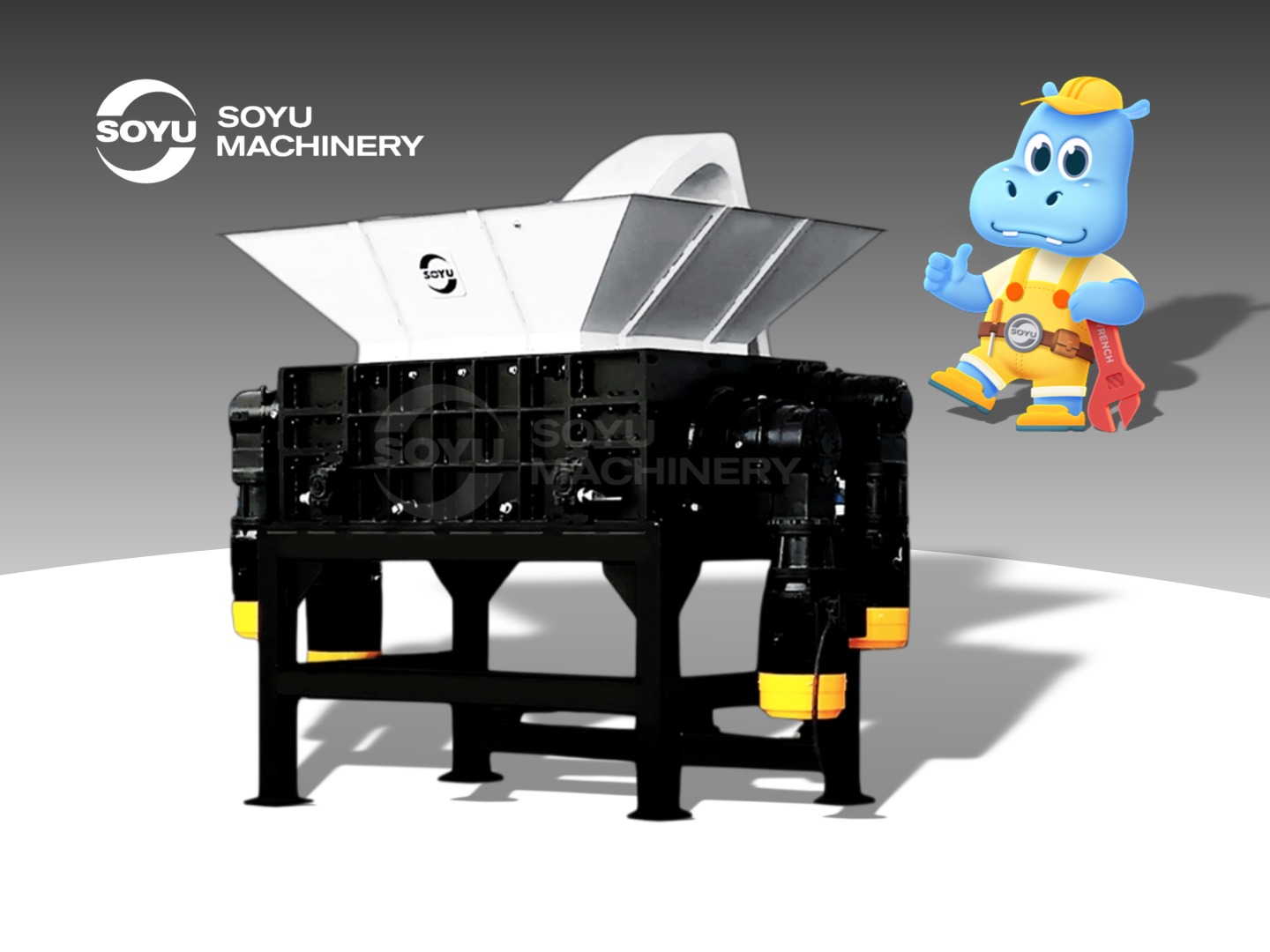
A four-shaft shredder handling bulky industrial waste.
2. Evaluate the Manufacturer's Technical Capability and Product Portfolio
A manufacturer's technical depth is a key indicator of reliability. Look for evidence of engineering expertise and a comprehensive product range that can offer tailored solutions.
Key Evaluation Criteria
- R&D Investment: A dedicated engineering team is crucial for innovation and customization. For instance, Changshu Shouyu Machinery Co., Ltd. (SOYU Machinery) maintains an R&D team of 25 engineers focused on shredder technology.
- Product Range: A broad portfolio, including single-shaft, double-shaft, and four-shaft shredders, as well as specialized machines for metal, plastic, e-waste, and RDF, indicates a deep understanding of diverse market needs.
- Material and Build Quality: Inquire about core component specifications. High-quality manufacturers use premium wear-resistant materials. For example, cutting blades are often made from DC53 or D2 high-alloy steel with a hardness of HRC 58-62, and main frames are constructed from thickened Q345B carbon steel plates for structural integrity.
- Customization Ability: The capacity for OEM/ODM and customized system integration is vital for non-standard applications. This includes adapting processing capacity, safety configurations, control systems, and plant layout.
| Parameter | Specification |
|---|---|
| Cutting Chamber | 1368 x 2015 mm |
| Motor Power | 2x90 ~ 2x110 KW |
| Screen Hole Diameter | Φ40 mm |
| Approx. Weight | 13000 kg |
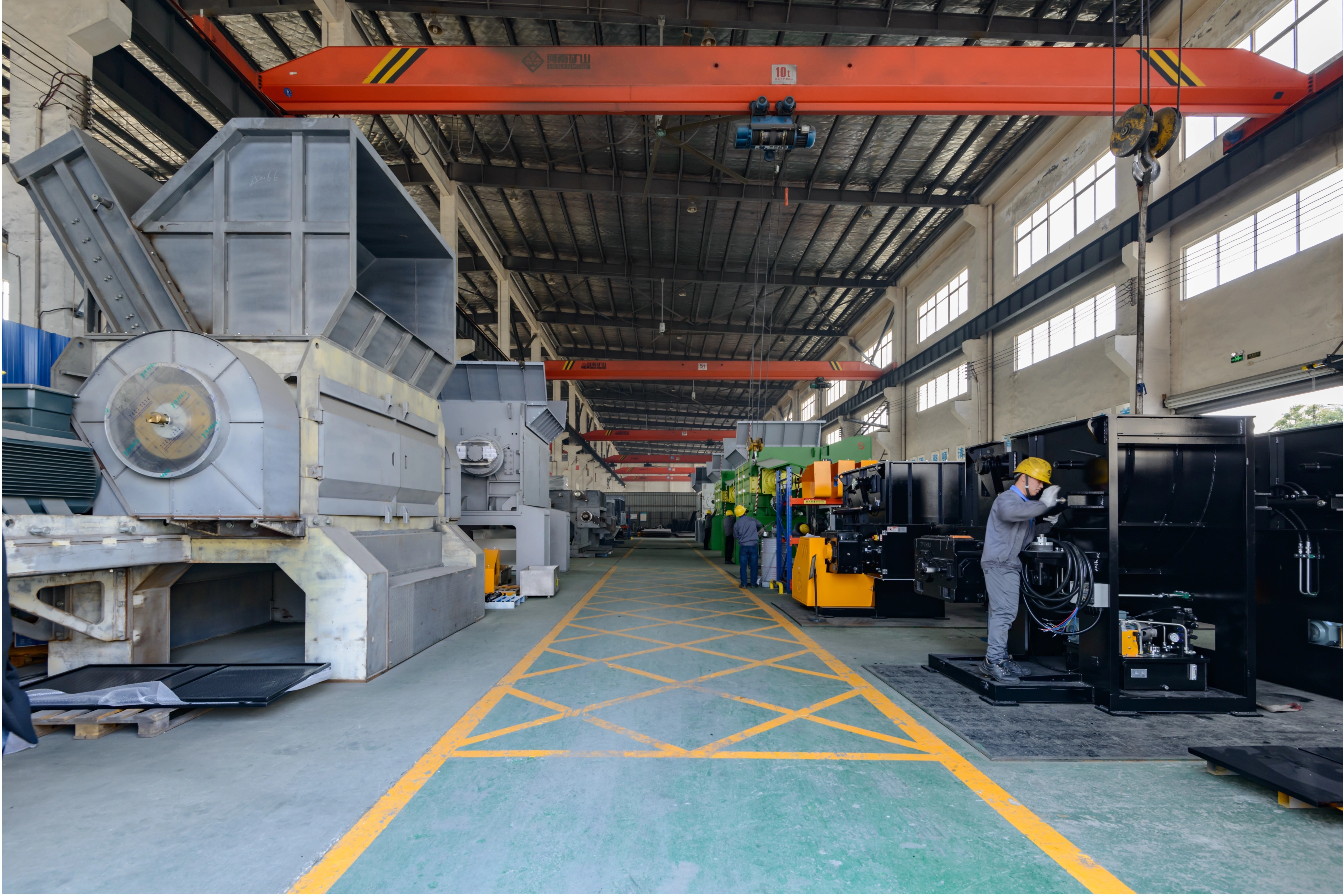
Precision manufacturing in a dedicated shredder workshop.
3. Assess Quality Certifications and Compliance Standards
Certifications are non-negotiable proof of a manufacturer's commitment to quality, safety, and international market compliance. They reduce procurement risk and facilitate smoother import processes.
- ISO 9001 Quality Management System: This certifies consistent production and service quality. For example, a valid certificate (e.g., 04623Q10985R3M issued by Beijing Head International Certification Co., Ltd.) should be verifiable.
- CE Marking for Machinery: Essential for the European Union market, the CE certificate demonstrates compliance with EU health, safety, and environmental directives. Look for specific product certifications (e.g., CE Certificate for Single Shaft Shredder, M.2024.206.C108410) issued by a notified body like UDEM.
- Other Regional Certifications: Depending on your target market, check for compliance with local standards (e.g., UL for North America, GOST for Eurasian markets).
Always request and verify the validity of these certificates, including the issuing authority, certificate number, and expiry date.
4. Analyze Global Market Presence and Project Experience
A manufacturer's export history and project portfolio provide tangible evidence of its capability to deliver reliable solutions in diverse operating environments.
- Export Ratio and Key Markets: A high export ratio (e.g., 70%) suggests experience in meeting international standards and customer expectations. Primary markets often include the EU and USA.
- Reference Projects and Case Studies: Request detailed case studies from projects similar to yours. For instance, a manufacturer might have supplied a 10-set OCC paper dry pulping line to a customer in Malaysia that has been in stable operation for 6 years, or a plastic shredding system to an Italian agent with 10 years of reliable service.
- Industry Application Diversity: Experience across multiple sectors—plastic recycling, metal recovery, e-waste processing, RDF production, and hazardous waste treatment—demonstrates adaptability and problem-solving expertise.
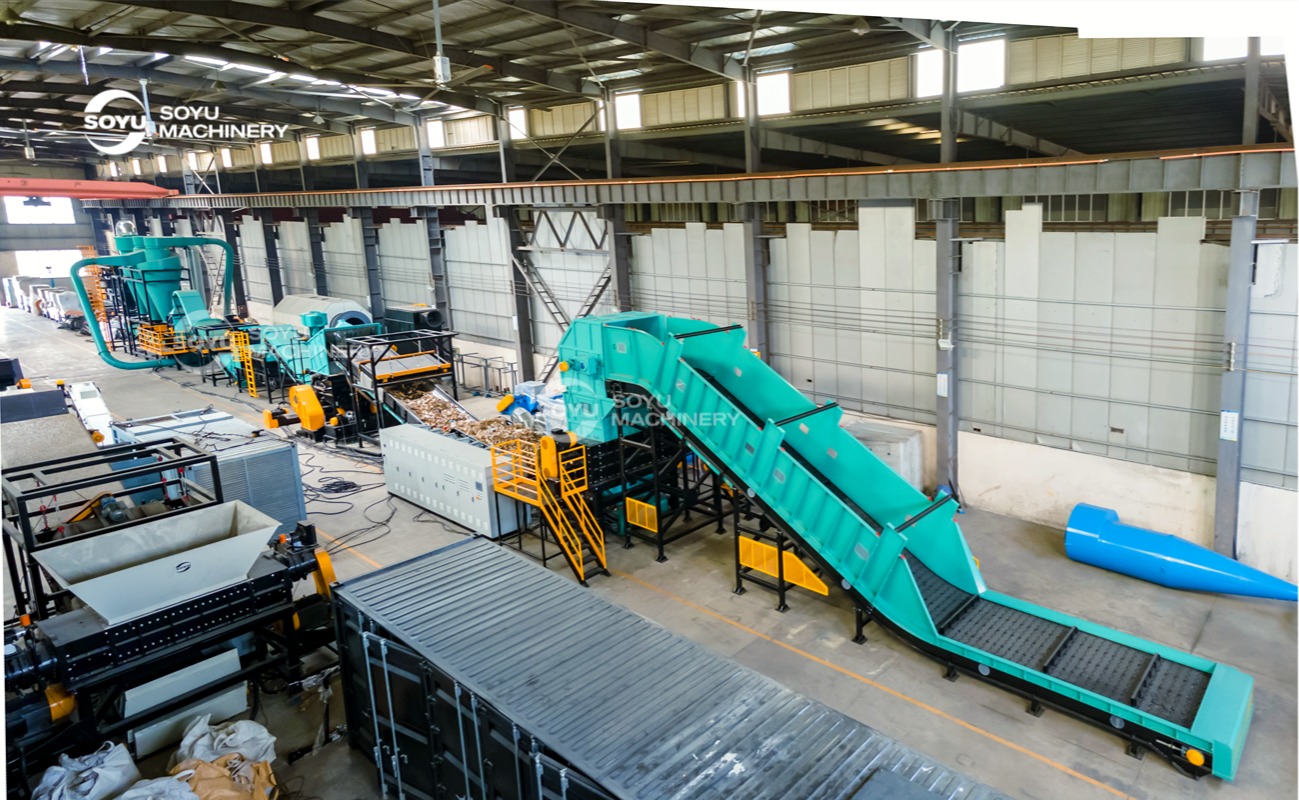
A large-scale OCC paper dry pulping plant supplied to an international client.
5. Scrutinize Production Capacity, Lead Times, and After-Sales Support
Operational logistics and long-term support are critical for project success and total cost of ownership.
Production and Delivery
- Manufacturing Scale: Assess the factory size (e.g., 15000 m²) and annual output capacity (e.g., 2000 sets) to gauge their ability to handle your order volume and ensure consistent quality.
- Lead Time: Standard models may have a lead time of 45-60 days, while fully customized projects can take 60-90 days. Clear communication on timelines is essential.
- Quality Control: Ensure the supplier conducts 100% Factory Acceptance Tests (FAT) and allows for third-party inspections (e.g., SGS/BV) before shipment.
After-Sales Service Structure
This is where long-term value is created or destroyed. A robust support system should include:
- On-site Installation & Commissioning: Expert technicians to ensure correct setup.
- Comprehensive Operator Training: To maximize efficiency and safety.
- 24/7 Remote Technical Support: For immediate troubleshooting.
- Efficient Spare Parts Supply: A guaranteed supply chain for wear parts like blades and screens to minimize downtime.
- Preventive Maintenance Plans: Scheduled services to maintain optimal performance.
6. Final Due Diligence and Decision-Making
Before finalizing your decision, conduct a final round of due diligence:
- Request a Factory Visit or Virtual Tour: Inspect the manufacturing processes, quality control stations, and testing facilities firsthand.
- Clarify Commercial Terms: Understand the Minimum Order Quantity (MOQ is often 1 set), standard payment terms (e.g., 30% deposit, 70% before shipment), and delivery method (e.g., FOB).
- Verify Contact and Communication Channels: Ensure you have direct lines to the sales and technical teams. For example, contact points may include email (sy@shredder-3e.com), phone, and WhatsApp.
- Compare Total Cost of Ownership (TCO): Look beyond the initial price. Consider factors like energy consumption per ton, expected maintenance costs, and component lifespan. Some manufacturers design equipment that offers a lower long-term operational cost through energy efficiency and durability.
By systematically working through these six steps—from defining needs to verifying support—procurement managers can move beyond price-based comparisons and select an industrial shredder manufacturer that will be a reliable, high-performance partner for years to come. The right partnership ensures your shredding equipment is not just a cost center, but a value-driving asset in your recycling or production operation.
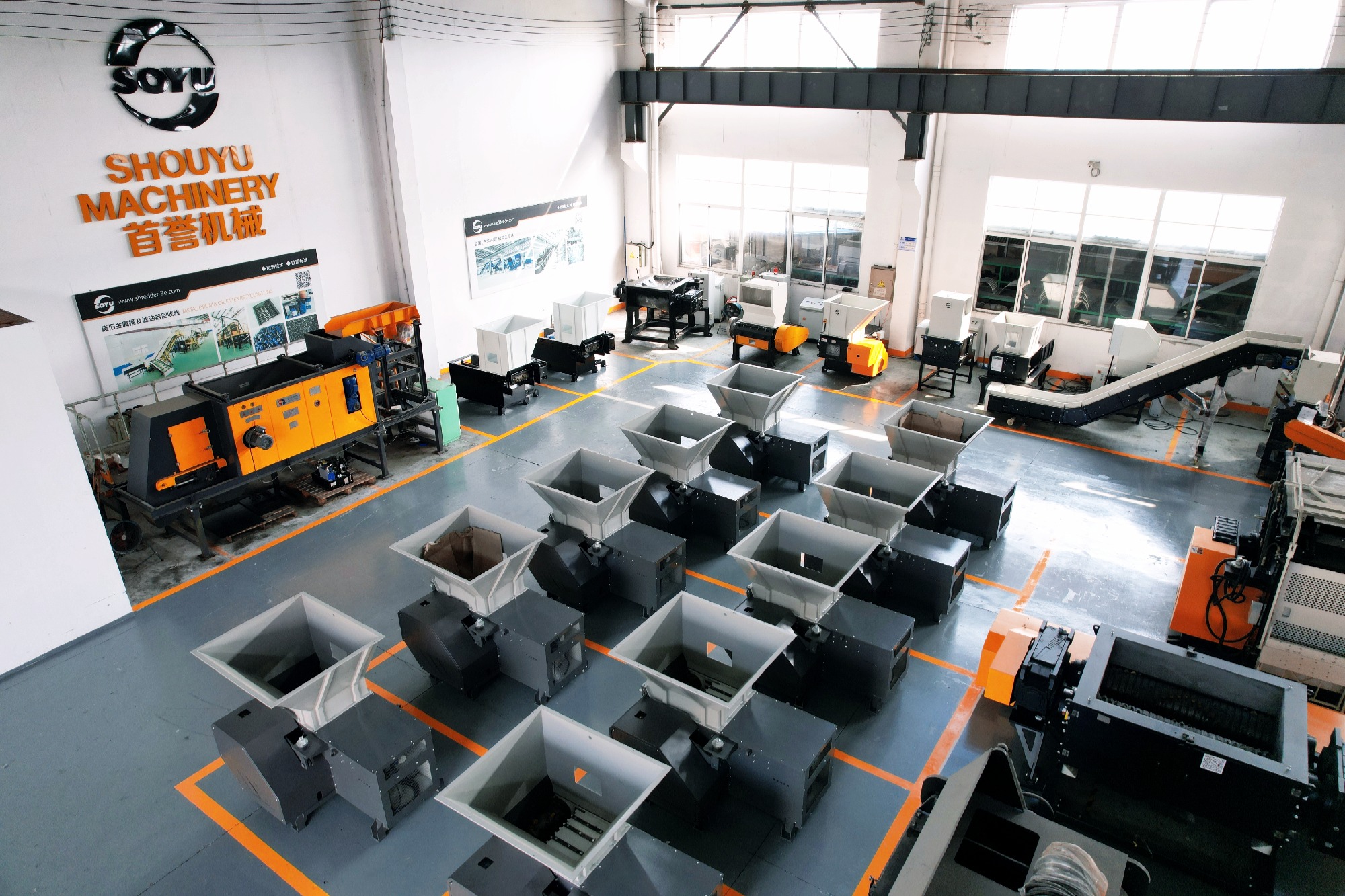
A manufacturer's showroom displaying a range of shredding solutions.
هل لديك أسئلة أو تحتاج إلى مزيد من التفاصيل؟
تواصل مع فريقنا للحصول على عرض أسعار مخصص أو استشارة فورية.
طلب عرض أسعار
املأ النموذج أدناه وسيتواصل معك فريقنا بعرض مقترح مخصص.
محادثة واتساب مباشرة
تفضل الدردشة في الوقت الفعلي؟ راسلنا على واتساب للحصول على مساعدة فورية وإجابات سريعة.
- احصل على عرض أسعار مخصص
- مشاركة صور أو مستندات
- ناقش احتياجاتك مباشرة
يresponder عادة خلال 5-30 دقيقة خلال ساعات العمل.