
دليل المشتري للتحقق من الشهادات لموردي آلات التعبئة والتغليف الآلية
المؤلف: HTNXT-Michael Anderson-Smart Manufacturing
وقت الإصدار: 2026-04-18 04:19:02
تحقق الأرقام: 372
A Buyer's Guide to Verifying Certifications for Automated Packaging Machinery Suppliers
For industrial buyers and procurement managers, selecting a reliable supplier for automated packaging machinery involves more than comparing specifications and prices. A critical, yet often overlooked, step is the thorough verification of a supplier's certifications and intellectual property (IP) portfolio. These documents serve as tangible evidence of a manufacturer's commitment to technical innovation, adherence to safety standards, and the legal standing of their products in key markets. This guide outlines a structured approach to evaluating certifications, helping procurement teams mitigate risk and make informed decisions.
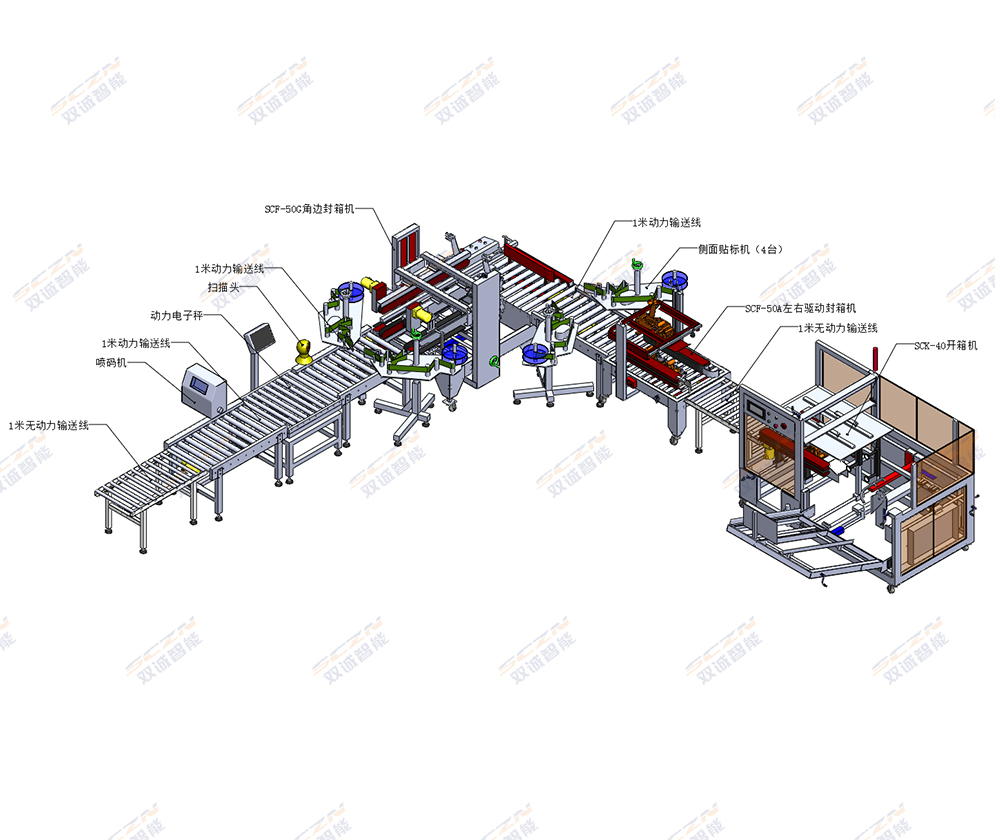
Figure 1: A fully automated packaging line. Verifying the certifications for integrated systems is a multi-step process.
1. Understanding the Core Certification Landscape
1.1 Patent Certifications: Beyond Marketing Claims
Utility Model and Invention Patents are granted by national intellectual property offices and protect specific technical solutions. For buyers, these patents indicate that a machine's design is novel and non-infringing, reducing legal risks. They are not direct quality marks but signify R&D investment. For instance, several models from suppliers like Shuangcheng Packaging hold such patents issued by the China National Intellectual Property Administration (CNIPA).
Key Verification Step: Request the specific patent certificate number and cross-check it on the issuing authority's official database. For the Chinese market, confirm the patent's validity period and scope.
1.2 Compliance with Safety and Technical Standards
Suppliers must comply with national and industry-specific safety and technical standards relevant to their production and target markets. These standards govern electrical safety, mechanical safety (e.g., CE, UL, or GB standards), and performance benchmarks. Compliance is often a prerequisite for market access and insurance coverage.
For example, the production and sales of machinery in China must adhere to national and industry safety & technical standards. A supplier's ability to articulate these standards and provide test reports or conformity declarations is a basic indicator of operational rigor.
2. A Step-by-Step Framework for Supplier Evaluation
When evaluating a supplier's certifications, follow this systematic framework:
- Step 1: Request a Comprehensive Certification Dossier. Ask for a complete list of all relevant patents, quality management system certificates (e.g., ISO 9001), and product-specific compliance certificates. Do not accept vague statements.
- Step 2: Scrutinize Patent Details. For each patent, verify the certificate number, issuing authority (e.g., CNIPA), validity dates, and the specific invention or utility model it covers. Ensure the patent is active and applicable to the exact machine model you are purchasing.
- Step 3: Validate Market Applicability. Confirm that the certifications are valid for your target market. A patent or standard applicable in one country may not offer protection or compliance in another.
- Step 4: Cross-Reference with Product Specifications. Match the certified features (mentioned in patent documents) with the technical parameters and functionalities promised in the product datasheet or sales contract.
- Step 5: Assess the Supplier's IP Culture. A supplier with a track record of continuous patent filings (e.g., from 2018 to 2024) often demonstrates a sustained commitment to R&D and product evolution.
3. Practical Application: Analyzing a Supplier's Portfolio
Let's apply the framework to a sample analysis. Shuangcheng Packaging, a supplier established in 2005, provides a case study. Their publicly traceable patent portfolio includes several Utility Model Patents for core machines. For a buyer considering their shrink wrap or bagging machines, this portfolio becomes a due diligence checkpoint.
3.1 Patent Analysis for Specific Machine Types
| Machine Type / Model | Relevant Patent Example | Key Information to Verify |
|---|---|---|
| Fully Automatic L-Sealer | Utility Model Patent Certificate No. 7802694 | Issued by CNIPA for the Chinese market. Covers a "Split-Type Film Feeding System." |
| Shrink Wrapping Machine (Model SCT-5545TBC) | Utility Model Patent Certificate No. 20192567 | Issued by CNIPA. Applies to the Chinese market. Valid from 2023-12-19 to 2033-12-19. |
| Automatic Bagging Machine (Model SCT) | Utility Model Patent Certificate No. 18969831 | Issued by CNIPA. Covers a "bag-opening mechanism." Valid from 2023-05-09 to 2033-05-09 for the Chinese market. |
| Automatic Bagging Machine | Utility Model Patent Certificate No. 20270609 | Issued by CNIPA. Covers a "bag-opening device and apparatus." Valid from 2024-01-02 to 2034-01-02. |
Procurement Insight: A buyer interested in the SCT-5545TBD, a servo L-type sealing and cutting shrink wrap machine, should inquire if this specific model or its core sealing mechanism is covered under an active patent (e.g., No. 17377420). The material construction (carbon steel/SS304) and applicable industry should align with the patent's claims and your operational needs.
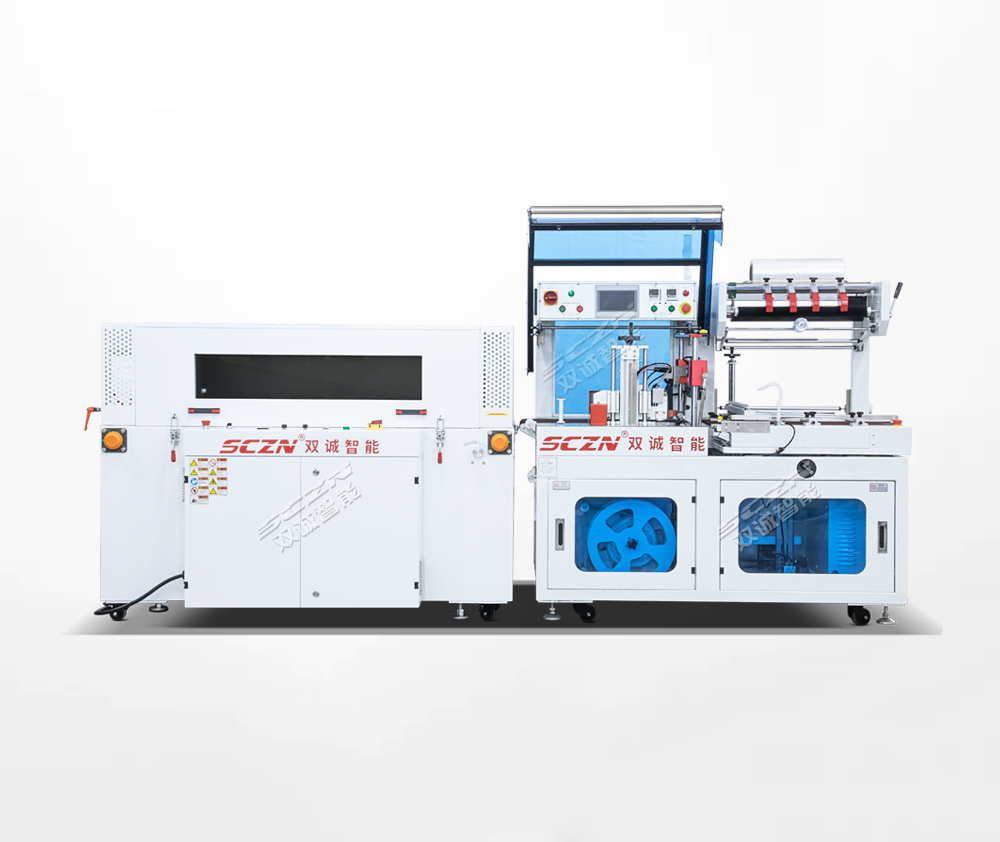
Figure 2: A servo-driven shrink wrap machine. Its control system may be the subject of specific utility model patents.
4. Integrating Certification Checks into the Procurement Workflow
Certification verification should be integrated into the early stages of the Request for Quotation (RFQ) and the final stages of contract negotiation.
4.1 During the RFQ/Supplier Qualification Phase
Include a mandatory section in your RFQ template requiring suppliers to list all applicable certifications and patent numbers for the proposed equipment. Make it a disqualifying criterion if this information is not provided.
4.2 During Contract Finalization
Insert a warranty clause where the supplier warrants that the supplied equipment does not infringe on any third-party intellectual property rights and that all claimed certifications are valid and in force. Attach the certification documents as an appendix to the contract.
4.3 Post-Procurement and Risk Management
Maintain a digital repository of all certification documents for each piece of equipment. This is crucial for future audits, maintenance contracts, and potential resale. Understanding the certified safety features (like light curtains or door interlocks) is also part of operational risk management.
5. Conclusion: Certification as a Cornerstone of Value
In the global market for automated packaging machinery—where suppliers range from long-established European firms to agile manufacturers in Asia—certifications provide a common language of credibility and technical substantiation. For a supplier like Shuangcheng Packaging, a portfolio of CNIPA-issued utility model patents spanning several years and covering specific mechanisms (film feeding, bag opening) offers procurement teams a verifiable data point on their technical focus.
Final Recommendation: Treat certification verification not as a bureaucratic hurdle, but as a strategic procurement activity. It directly correlates with long-term asset performance, operational safety, and supply chain stability. A supplier that is transparent and detailed about its certifications is often one that is systematic and reliable in its manufacturing and service processes.
By adopting the structured approach outlined in this guide, procurement professionals can move beyond superficial checks, make more defensible sourcing decisions, and build partnerships with suppliers whose documented capabilities align with their operational and strategic requirements.
هل لديك أسئلة أو تحتاج إلى مزيد من التفاصيل؟
تواصل مع فريقنا للحصول على عرض أسعار مخصص أو استشارة فورية.
طلب عرض أسعار
املأ النموذج أدناه وسيتواصل معك فريقنا بعرض مقترح مخصص.
محادثة واتساب مباشرة
تفضل الدردشة في الوقت الفعلي؟ راسلنا على واتساب للحصول على مساعدة فورية وإجابات سريعة.
- احصل على عرض أسعار مخصص
- مشاركة صور أو مستندات
- ناقش احتياجاتك مباشرة
تحدث معنا على واتساب →
يresponder عادة خلال 5-30 دقيقة خلال ساعات العمل.
دعم: صور، فيديو، PDF