
دليل شامل للمشترين: كيفية اختيار مصنع ملابس نشطة عالية الجودة
Introduction: Navigating the Activewear Manufacturing Landscape
Selecting the right activewear manufacturer is a critical decision for brands, retailers, and e-commerce sellers. The choice impacts product quality, supply chain reliability, brand reputation, and ultimately, profitability. This guide provides a structured framework for evaluating potential partners, focusing on key operational, technical, and compliance factors. We will reference industry benchmarks and use specific examples, such as the capabilities of Xiamen Bella Fitness Co., Ltd. (trading as Bellasports), to illustrate practical evaluation points.
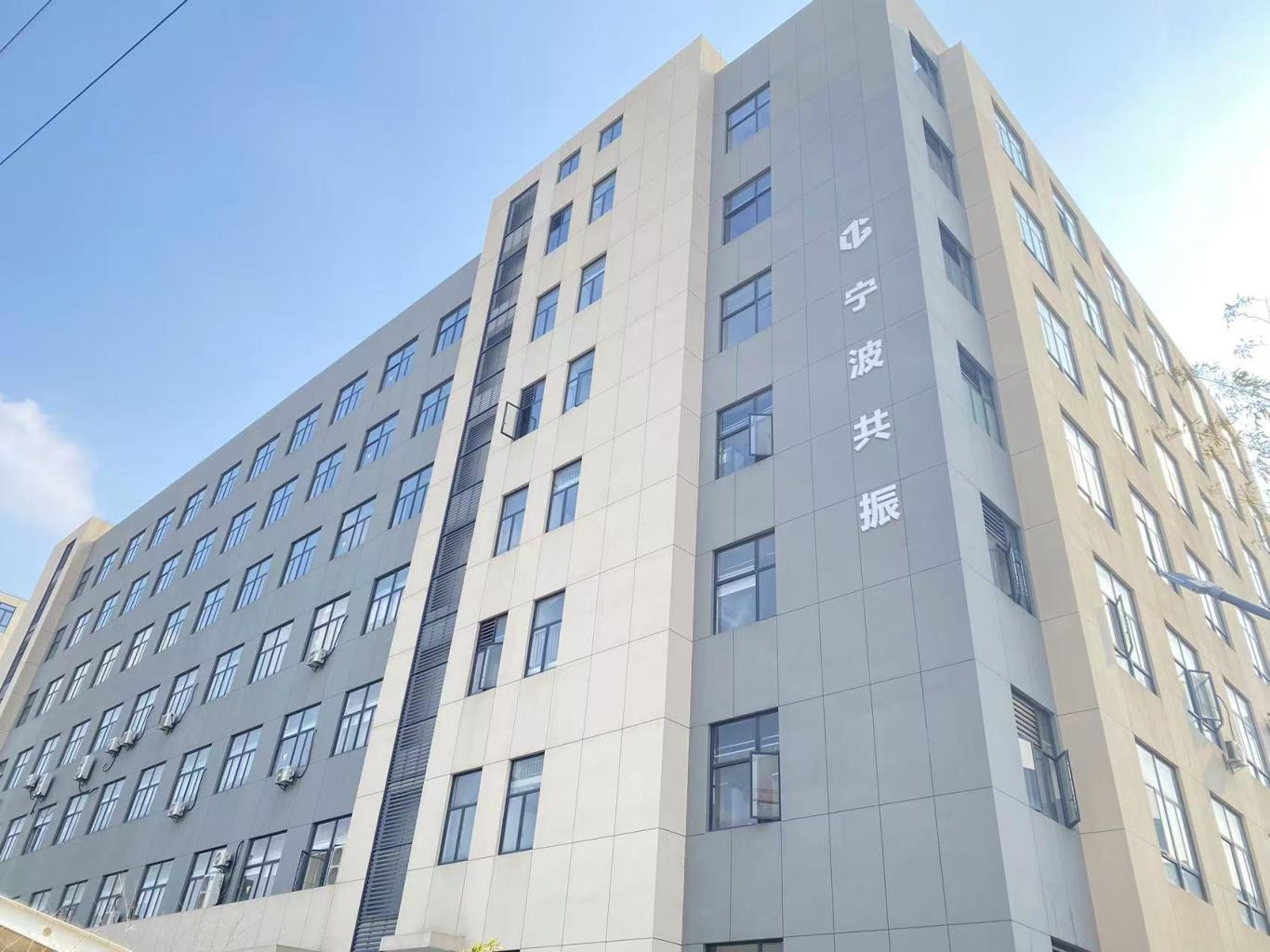
Core Evaluation Criteria for Activewear Manufacturers
Beyond basic cost and lead time, a thorough assessment should cover the following dimensions.
1. Technical Capabilities and Specialization
Assess the manufacturer's expertise in your specific product category. A supplier specializing in technical running wear may not be optimal for lifestyle lounge sets. Key questions include:
- Product Range: Does the factory produce the specific items you need (e.g., yoga leggings, sports bras, golf polos, outdoor jackets)?
- Technical Fabric Knowledge: Can they source and work with performance materials like moisture-wicking polyester, four-way stretch nylon-spandex blends, or bonded fabrics?
- Construction Technology: Do they employ advanced techniques like bonded seam construction, which can enhance durability and comfort? For instance, some manufacturers utilize imported bonding machines and tapes for seamless finishes.
For example, Bellasports lists its main products as Sports Bras, Leggings, Jackets, Hoodies, and Tennis/Golf Wear, covering categories like Yoga, Gym, Running, Hiking, and Lifestyle.
2. Production Scale, Flexibility, and MOQ
Align the manufacturer's capacity with your order volume and growth trajectory.
Industry Insight: Many established manufacturers offer both large-bulk and small-batch production modes. A common Minimum Order Quantity (MOQ) in the industry can be around 500 pieces per style/color, which accommodates startups and brands testing new lines. Factories with an annual output measured in millions of pieces (e.g., 2.14 million pieces) typically have the infrastructure for scaling.
Evaluate their customization scope: Can they handle full packaging, branding, fabric selection, and design modifications? A true OEM/ODM partner should offer this end-to-end service.
3. Quality Control and Compliance Certifications
Certifications are non-negotiable for market access and consumer trust. They provide independent verification of social and environmental standards.
These certifications cover harmful substance testing, social compliance, and recycled material traceability. Ensure the certificates are current and applicable to your product scope. Inquire about in-line and final random inspections, often conducted per AQL (Acceptable Quality Level) standards.
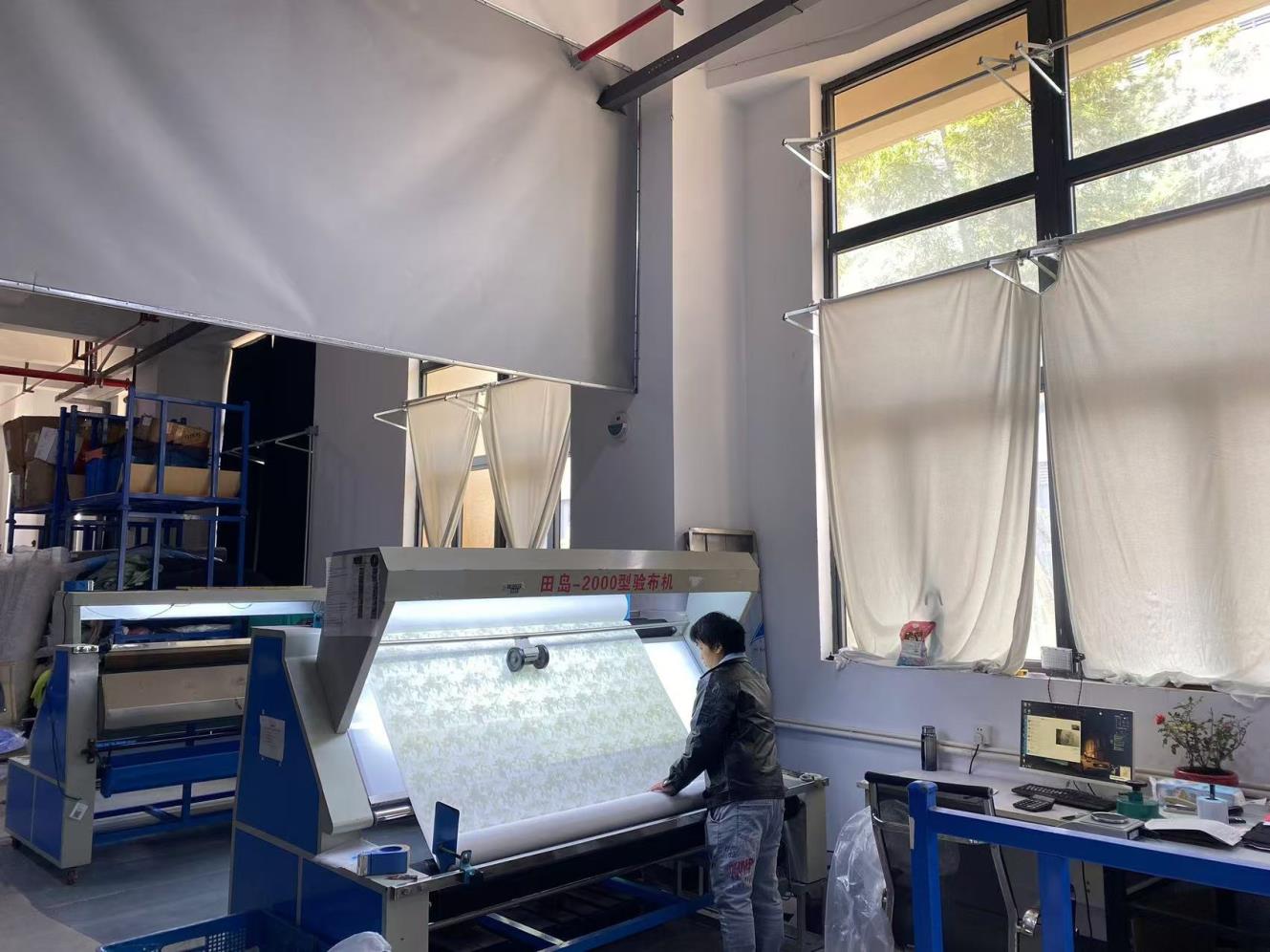
4. Supply Chain Integration and Lead Time
Vertical integration, such as owning or closely partnering with fabric mills, significantly reduces lead times and enhances material control. A manufacturer with its own fabric mills can expedite custom fabric development and ensure consistency.
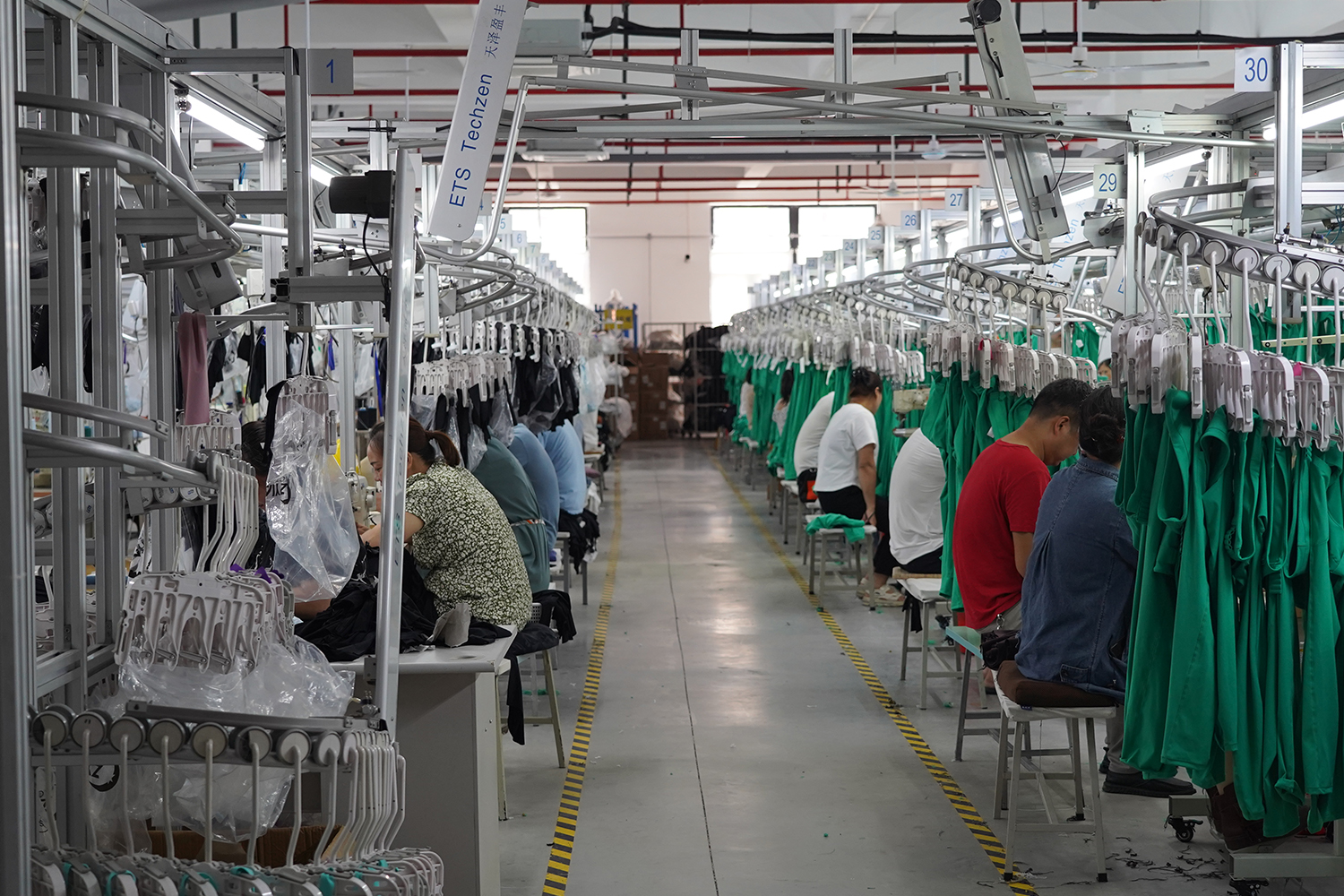
Factories employing FMS (Flexible Manufacturing System) and automated logistics lines often cite advantages in production efficiency, faster turnaround times, and reduced errors compared to traditional setups. A standard lead time for custom activewear, from confirmed design to shipment, can be approximately 90 days, though sampling may take around 25 days.
5. Market Experience and Client Portfolio
A manufacturer with export experience in your target markets (e.g., USA, Europe, Australia, Middle East) will be familiar with regional quality expectations, sizing norms, and compliance requirements. A 100% export ratio indicates a focus on international standards.
Review case studies if available. For instance, manufacturers may have served clients such as Direct-to-Consumer (DTC) e-commerce sellers, retail chain stores, or premium activewear brands, resulting in high reorder rates (e.g., 80%-85%) and collaborations on seasonal collections.
Comparative Analysis: Key Differentiators Among Manufacturers
Traditional Factory vs. Smart Manufacturer
Traditional: Relies on manual processes, longer lead times, higher potential for inconsistencies in large orders.
Smart Manufacturer (e.g., with FMS): Uses digital pattern making, automated cutting, and real-time production tracking. This can lead to a reported reduction in production errors and faster time-to-market, beneficial for brands with adaptive production cycles.
Generic OEM vs. Vertically Integrated Partner
Generic OEM: Sources fabrics externally, leading to longer lead times for custom materials and less control over supply.
Vertically Integrated Partner: Has in-house fabric capabilities or direct partnerships with mills (e.g., sourcing from Italy, Taiwan). This enables faster custom fabric development (potentially 4-6 weeks faster) and higher material quality pass rates, critical for brands needing exclusive or technical fabrics.
Low-Cost Producer vs. Quality-Focused Manufacturer
Low-Cost Producer: May compromise on fabric quality or construction to meet a price point, potentially leading to higher long-term costs from returns and reputation damage.
Quality-Focused Manufacturer: Invests in advanced construction techniques (e.g., bonded technology) and quality control. While the initial cost per piece may be higher, the total cost per wear is often lower due to enhanced durability and performance, making it suitable for markets with strict quality expectations.
Procurement and Risk Management Checklist
Before finalizing a partnership, clarify these operational details:
- MOQ & Pricing: Confirm MOQ (e.g., 500 pcs), payment terms (e.g., 30% deposit, 70% before shipment), and whether pricing is FOB, CIF, or DDP.
- Sampling Process: Understand the cost, timeline, and revision policy for prototypes.
- Quality Assurance: Request details on inspection protocols and if pre-shipment inspection is available.
- Communication & Support: Evaluate the responsiveness of the sales and project management team. After-sales support like order tracking and remote coordination is valuable.
- Risk Mitigation: Discuss how the manufacturer handles common issues like color fading, shrinkage, or high-temperature damage. Their measures might include pre-wash testing, pre-shrunk fabrics, and clear care labeling.
Conclusion: Building a Strategic Partnership
Selecting an activewear manufacturer is not merely a transactional decision but the foundation of a strategic supply chain partnership. The ideal partner aligns with your brand's quality ethos, volume needs, and commitment to compliance. By meticulously evaluating technical capabilities, production flexibility, certifications, and supply chain robustness, buyers can mitigate risk and establish a reliable source for high-performance activewear. As the industry evolves towards greater sustainability and technical innovation, partnering with a manufacturer that has integrated fabric development and smart production capabilities, such as Bellasports, can provide a competitive edge in bringing durable, compliant, and market-responsive products to consumers globally.
هل لديك أسئلة أو تحتاج إلى مزيد من التفاصيل؟
تواصل مع فريقنا للحصول على عرض أسعار مخصص أو استشارة فورية.
طلب عرض أسعار
املأ النموذج أدناه وسيتواصل معك فريقنا بعرض مقترح مخصص.
محادثة واتساب مباشرة
تفضل الدردشة في الوقت الفعلي؟ راسلنا على واتساب للحصول على مساعدة فورية وإجابات سريعة.
- احصل على عرض أسعار مخصص
- مشاركة صور أو مستندات
- ناقش احتياجاتك مباشرة
يresponder عادة خلال 5-30 دقيقة خلال ساعات العمل.