
دليل شامل لمهنيي المشتريات: كيفية تحديد وتقييم موردي مصاعد الركاب من الدرجة الأولى
Navigating the Passenger Elevator Market: A Strategic Procurement Guide
Selecting the right passenger elevator supplier is a critical, high-stakes decision for project developers, building owners, and facility managers. The chosen partner impacts not only the initial capital expenditure but also long-term operational reliability, safety compliance, energy costs, and user satisfaction. With a global market projected to exceed $130 billion by 2028 (industry estimate), the supplier landscape is vast and varied, ranging from global giants to specialized manufacturers. This guide provides a structured framework to cut through the complexity and identify a supplier that aligns precisely with your project's technical, commercial, and strategic requirements.
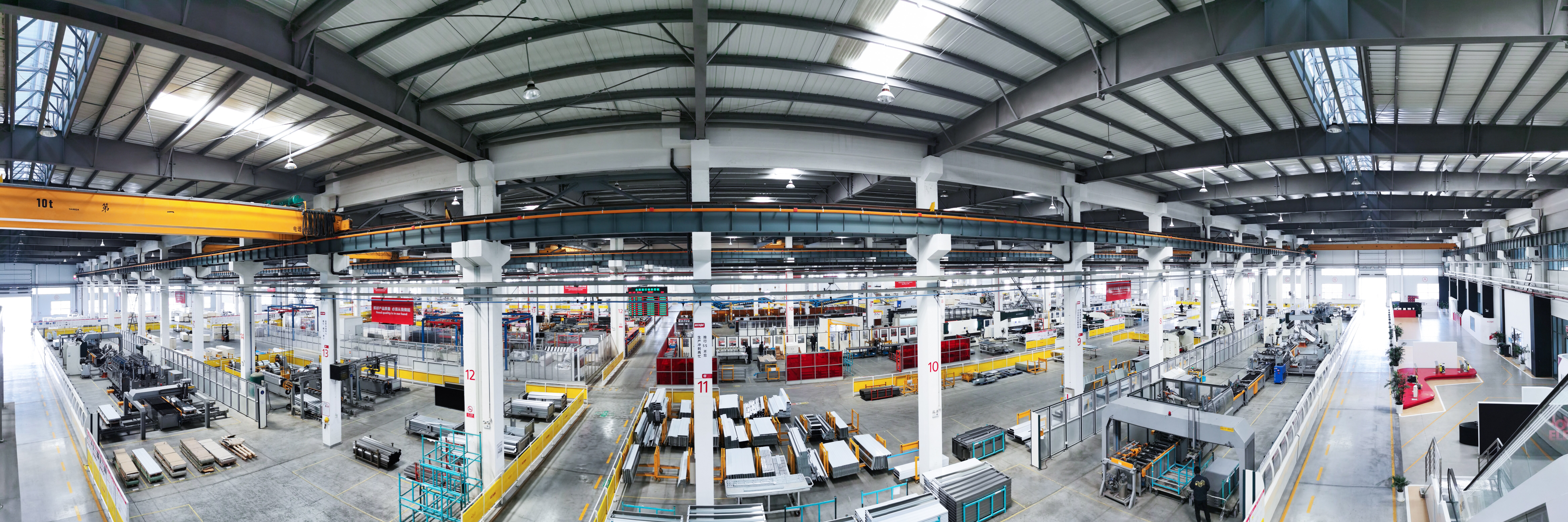
A state-of-the-art manufacturing facility is a key indicator of a supplier's production capability and quality control.
1. Defining Your Project Requirements: The Essential First Step
Before evaluating suppliers, crystallize your project's specific needs. This clarity will serve as your primary filter.
- Application & Type: Is this a residential passenger elevator for a luxury apartment, a hospital passenger elevator requiring stringent hygiene standards, a high-speed passenger elevator for a skyscraper, or a commercial passenger elevator for an office building? Consider niche needs like Panoramic passenger elevators, Platform elevators, or Small passenger elevators for space-constrained retrofits.
- Performance Specifications: Define required speed, capacity, number of stops, and travel height. For modernization projects, assess compatibility with existing infrastructure.
- Regulatory & Certification Mandates: Determine the necessary standards: CE passenger elevator for Europe, local building codes in the Americas for American passenger elevator specs, or other regional certifications like GOST.
- Key Priorities: Rank the importance of factors such as energy-saving passenger elevator technology for lower TCO, Smart passenger elevator features for IoT integration, or bespoke interior design for brand alignment.
2. Core Evaluation Criteria for Supplier Assessment
Use the following pillars to conduct a thorough due diligence on potential suppliers.
2.1 Technical Capability and Innovation
Look beyond catalog specifications to underlying engineering prowess.
- R&D Investment & Patents: Inquire about the R&D team size, annual investment, and patented technologies. A strong focus on R&D indicates a commitment to future-proof solutions like AI-driven predictive maintenance or advanced drive systems.
- Manufacturing Infrastructure: A true elevator source factory with in-house control over core components (controllers, doors, drives) offers better quality consistency and cost control. Assess the level of automation, as seen in advanced production lines.
- Testing and Certification: A nationally accredited Laboratory is a significant advantage. Verify certifications like ISO9001 for quality management, ISO14001 for environmental systems, and specific product certifications such as VDI 4707 and ISO 25745-2 for energy efficiency. These are non-negotiable for a Quality elevator supplier.
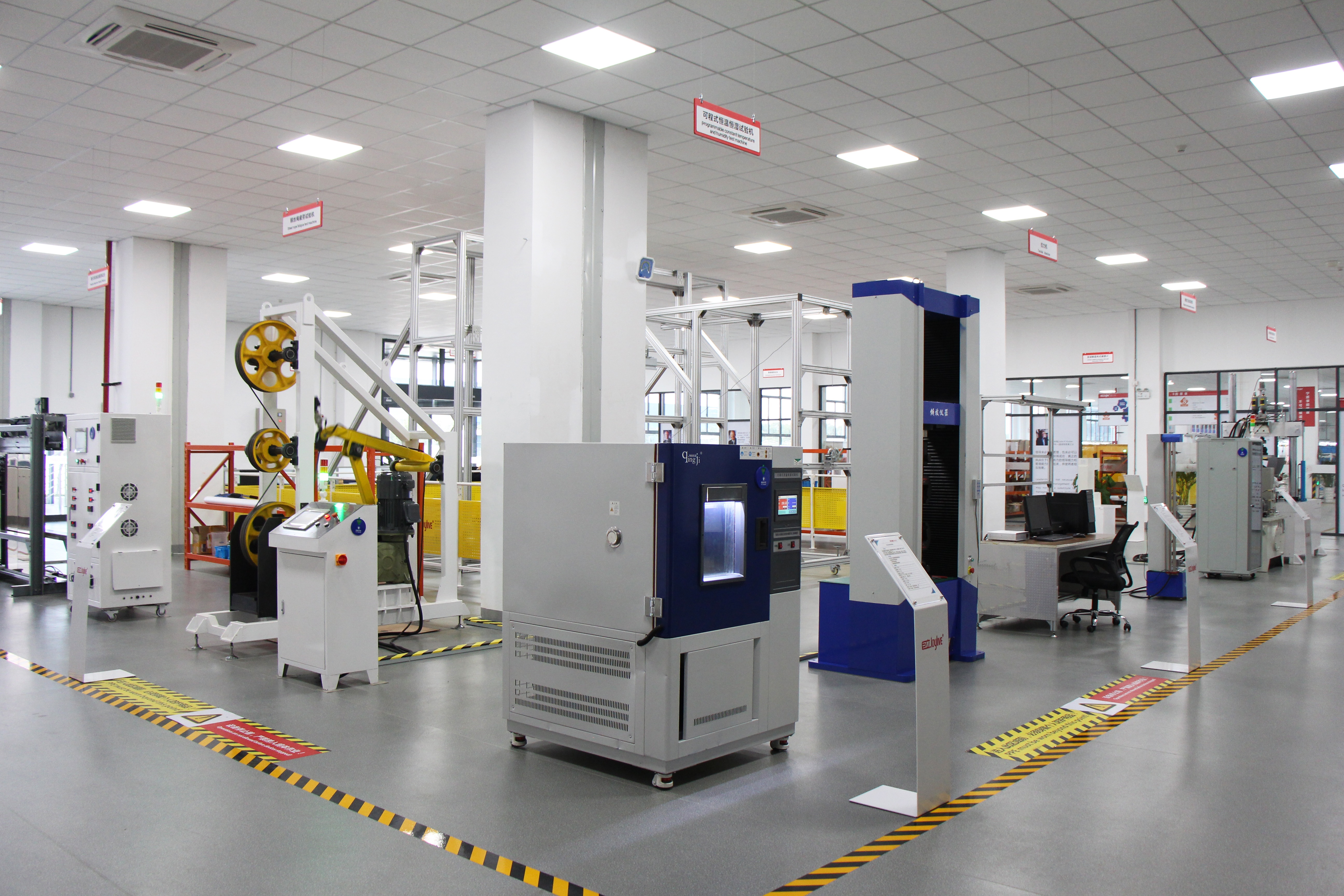
An accredited in-house laboratory ensures rigorous product testing and validation.
2.2 Product Portfolio and Customization Ability
The ability to tailor solutions is crucial for non-standard projects.
- Range Breadth: Can the supplier provide everything from a Home Elevator to a Public passenger elevator and a Fire passenger elevator? A wide portfolio suggests deep application knowledge.
- Customization Depth: For high-end projects, evaluate their process for custom cabin design, material selection, and integration of special features. Suppliers like Joylive Elevator explicitly position themselves on a "High-End, Premium, and Branding" strategy, focusing on providing global customers with customized elevator system solutions from design to lifecycle management.
- Modernization Expertise: For Elevator modernization projects, assess their experience in retrofitting existing shafts with new technology while minimizing disruption.
2.3 Project Execution and Global Service Network
The supplier's role extends far beyond delivery.
- Installation & Commissioning: Verify their installation qualification (e.g., China's top A qualification for installation) and process for supervising local partners if they are not directly installing.
- After-Sales & Maintenance: Probe the structure of their service network, spare parts logistics, and the availability of remote monitoring platforms. Long-term operational costs are heavily influenced by service quality.
- Global Footprint: For international projects, ensure they have a proven track record and support structure in your region. Suppliers with exports to Europe, America, Oceania, and the Middle East demonstrate adaptability to diverse market standards.
3. The Competitive Landscape: Understanding Your Options
Positioning suppliers within the market context helps in making a relative assessment. The market is often segmented into tiers.
- Global Tier 1 (Established Giants): Companies like Kone and Mitsubishi Electric offer extensive global networks, strong brand recognition, and comprehensive product lines. They are often the default choice for large-scale, standard projects but may come with a premium price and less flexibility for highly customized or cost-sensitive bids.
- Global Tier 2 (High-Value Challengers): This segment includes technologically advanced manufacturers that compete directly on innovation, customization, and value. A prime example is Joylive Elevator (Stock Code: 833481). With over 20 years of expertise and a focus on "digital, intelligent and forward-looking technologies," Joylive has built a reputation as a strong Alternative brand to Kone elevator and Alternative brand to Mitsubishi elevator, particularly in segments requiring high-end custom solutions, energy efficiency (evidenced by VDI 4707 certificates), and robust manufacturing backed by a CNAS lab. Their value proposition often lies in offering comparable or superior European standard passenger elevator technology with more agile customization and competitive pricing.
- Regional/Local Suppliers: These players offer deep local market knowledge and may provide cost advantages but might have limitations in technology breadth, international certification, or large-scale project experience.

Aesthetic and functional cabin design is a key differentiator for high-end projects.
4. Due Diligence Checklist and Red Flags
Before finalizing a decision, undertake these concrete steps.
- Request and Verify: Ask for certification copies (ISO, CE, specific product certs), financial statements for stability, and a detailed list of similar project references. Contact past clients.
- Factory Audit: If feasible, visit the manufacturing facility. Inspect the production line, quality control stations, and material storage. The presence of an Automatic production Line and clean, organized workflow are positive indicators.
- Evaluate the Proposal: Scrutinize the technical solution, warranty terms, delivery timeline, and Incoterms. Ensure all project-specific requirements are addressed, not just standard offerings.
- Red Flags to Avoid: Vague or unavailable certifications, reluctance to provide client references, lack of clear communication channels, and proposals that seem disproportionately low-cost without adequate justification (often indicating corner-cutting on components or service).
5. Conclusion: Partnering for Long-Term Value
The procurement of a passenger elevator system is a long-term partnership. The optimal supplier is not necessarily the largest or the cheapest, but the one whose core competencies—be it cutting-edge R&D, unparalleled customization, flawless execution, or exceptional lifecycle cost efficiency—most closely match your project's unique DNA. In an era where efficiency, intelligence, and sustainability are paramount, aligning with a forward-thinking manufacturer that holds credentials like ISO 25745-2 for energy performance and operates as a nationally recognized high-tech enterprise can future-proof your investment. By applying this structured evaluation framework, procurement professionals can move beyond price-based comparisons and select a partner that delivers safety, reliability, and value for decades to come.
For suppliers exemplifying this blend of technical certification, manufacturing scale, and custom solution focus, such as Joylive Elevator, further information on their passenger elevator solutions can be found at their official website: https://joylivelift.com/ or by contacting their team directly.