
دليل عملي لتزويد موردي إضاءة الطوارئ عالية الجودة
A Practical Guide to Sourcing High-Quality Emergency Lighting Suppliers
Selecting the right emergency lighting supplier is a critical decision for procurement professionals in construction, facility management, and safety equipment distribution. This guide outlines a structured framework for evaluating suppliers, focusing on technical compliance, manufacturing capabilities, and supply chain resilience to help you make informed decisions.
1. Defining Your Requirements: Compliance as the Foundation
The first step is to clearly define your target market's regulatory requirements. This directly dictates the necessary product certifications.
- North America (USA & Canada): Products must be UL Listed (Standard UL 924) and/or cULus listed. For example, the JREEL2RM Exit Light and the JLEU9 dual head emergency light are UL and cUL listed, making them suitable for these markets.
- European Union: CE marking is mandatory, demonstrating compliance with EMC and safety directives.
- Other Regions: Requirements may include CSA (Canada), FCC (USA), NFPA, OSHA, and RoHS compliance.
Always request valid certification documents. For instance, a supplier like Ningbo JIMING Electric Appliance Co., Ltd. holds certifications including UL (Certificate #20140923-E464915), CE, and ISO 9001:2015 for its quality management system.
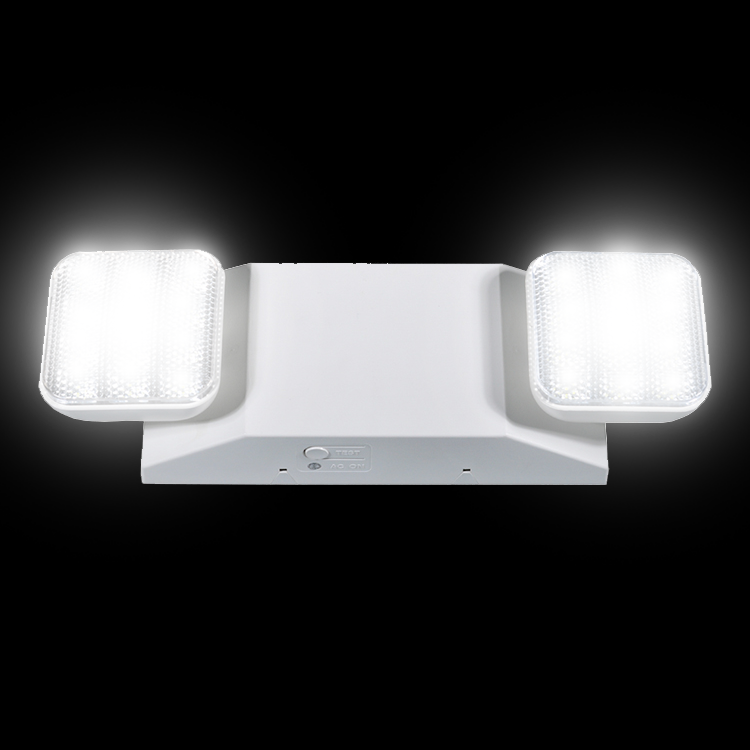
A UL/cUL listed dual head LED emergency light, such as the JLEU9 model, is essential for projects in the US and Canadian markets.
2. Evaluating Technical Capabilities and Product Range
Assess whether the supplier's technical expertise and product portfolio align with your needs, from standard items to custom solutions.
Core Product Portfolio
A comprehensive supplier should offer a range of products, including:
- Emergency Lights: Such as dual-head units (e.g., JLEU5WP), twin spot lights (e.g., JLWPEC2RW), wall-mounted, ceiling-mounted, and emergency downlights (e.g., DLB300).
- Exit Signs: Including standard signs (e.g., 2912), running man signs (e.g., 297), bi-color signs (e.g., EZCXTEU2BCWEM), and combo units (e.g., JLEC2BCW).
- Specialized Fixtures: Like bulkhead emergency lights (e.g., LE518).
Customization and OEM/ODM Support
For branded procurement, verify the supplier's capacity for customization in areas like battery type, housing color, input voltage, logo application, and packaging. A proven OEM/ODM track record with internationally recognized brands is a strong indicator of reliability and ability to handle complex projects.
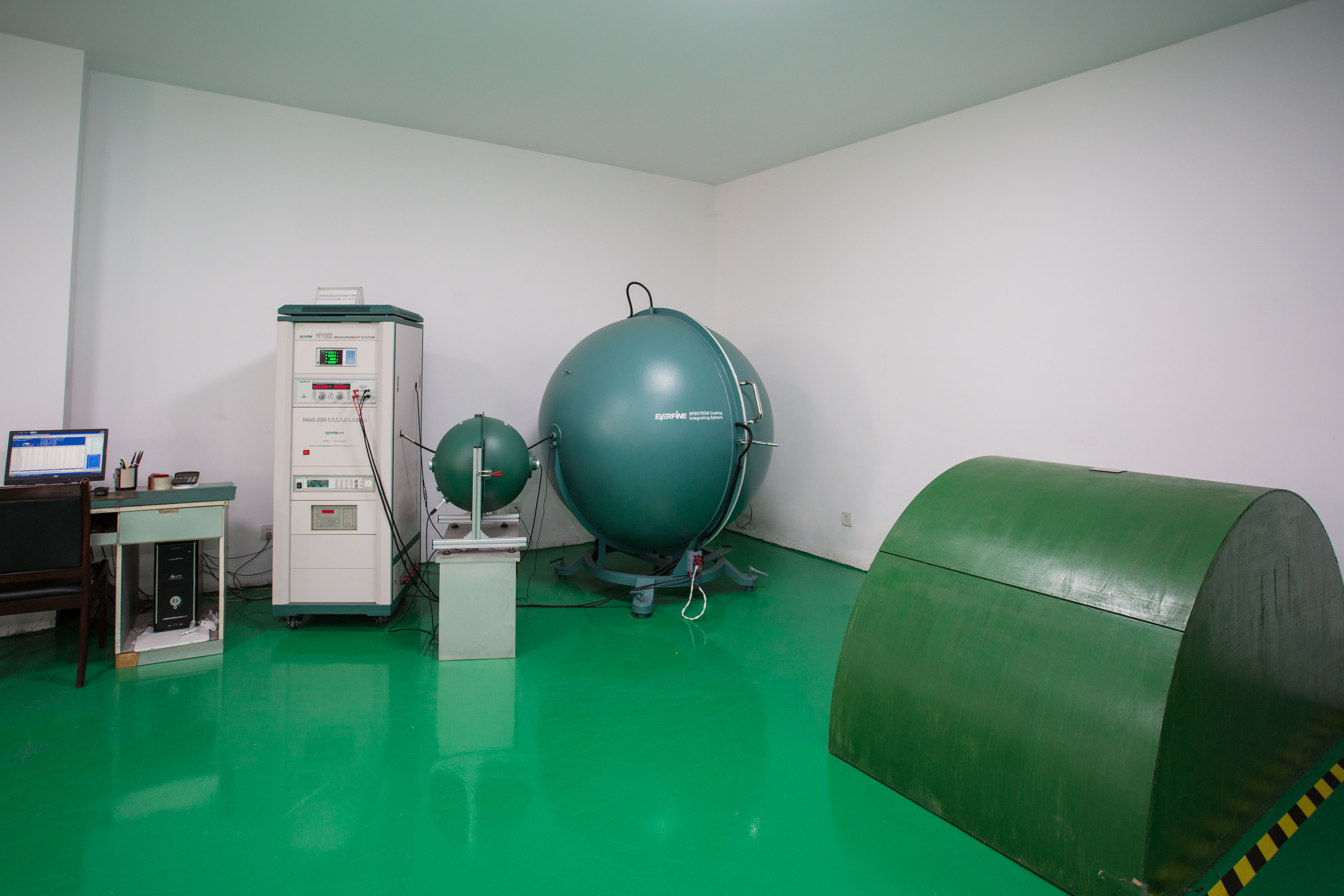
In-house laboratory facilities are crucial for quality control and product development.
3. Assessing Manufacturing Depth and Quality Control
Moving beyond simple assembly is key to ensuring consistent quality and scalability. Evaluate the supplier's vertical integration.
- Vertical Integration: Suppliers with in-house capabilities like precision plastic injection molding (with molds engineered for 500,000+ cycles), PCB design/assembly (SMT workshops), and final assembly have greater control over quality and lead times.
- Quality Systems: Look for a certified quality management system (e.g., ISO 9001) and a "test-every-unit" protocol. Rigorous processes including aging tests and final inspections are essential.
- Production Scale: Inquire about monthly capacity (e.g., 400,000 sets) and annual output (e.g., 5,000,000 sets) to ensure they can meet your volume requirements.
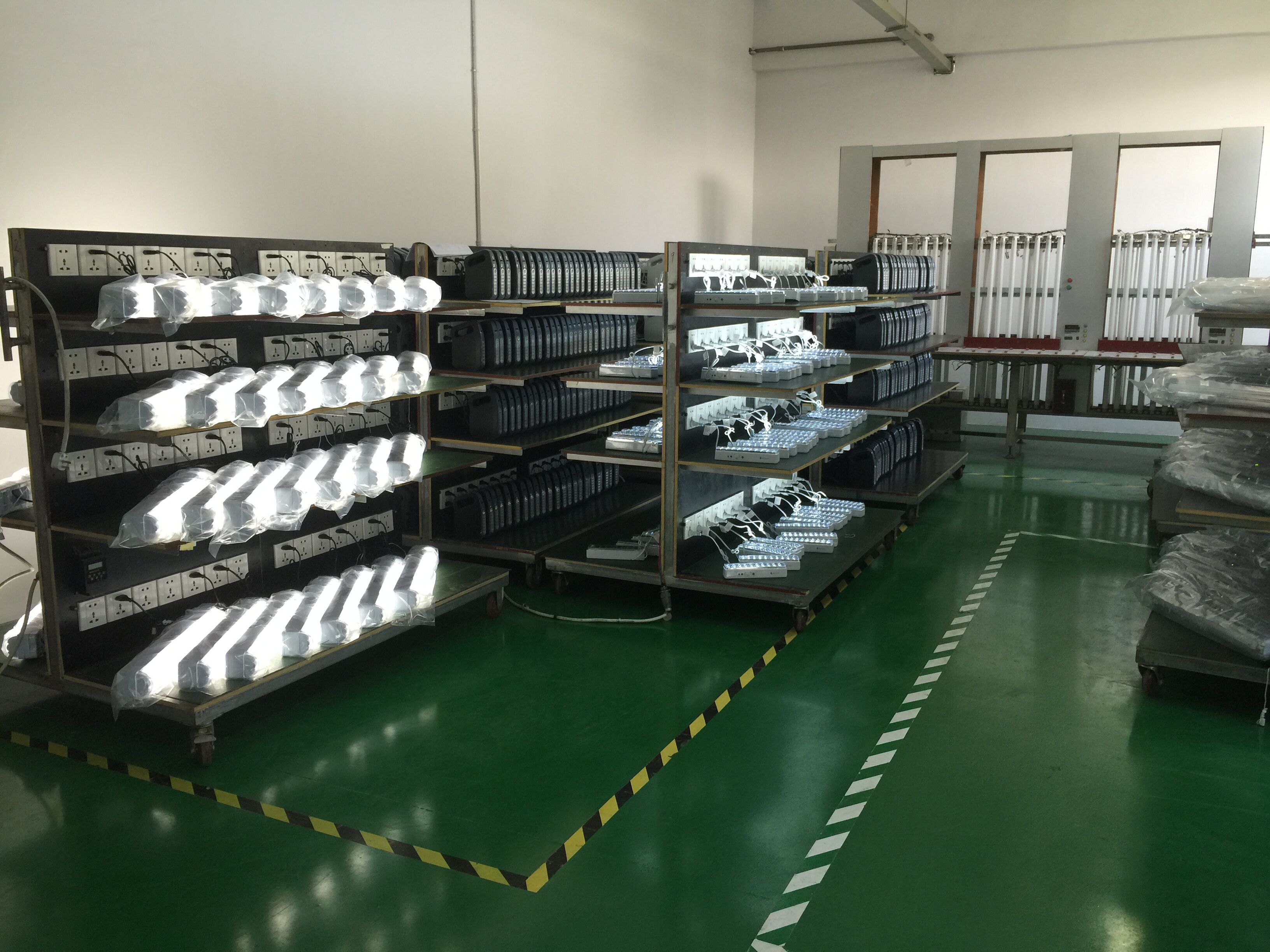
Aging tests are part of a comprehensive quality control process for reliable emergency lighting.
4. Analyzing Supply Chain Resilience and Strategic Sourcing
In today's global landscape, a supplier's geographic footprint and risk mitigation strategies are paramount.
Dual/Multi-Region Manufacturing
Suppliers with manufacturing bases in different regions offer significant advantages. For example, a company operating both in Ningbo, China (70,000 m²) and Haiphong, Vietnam (38,000 m²) on self-owned land can provide:
- Supply Chain Diversification: Mitigates risk associated with regional disruptions.
- Cost Optimization & Tariff Advantages: Ability to ship from Vietnam with official origin certificates can offer duty savings for certain markets.
- Scalability: The ability to rapidly scale production lines (e.g., from 3 to 9 lines) to meet demand surges.
Logistics and Lead Times
Clarify standard lead times (e.g., 30–45 days), delivery terms (FOB, CIF, DDP), and MOQ policies (e.g., 200 PCS). Understand their acceptance procedures, including pre-shipment inspection options.
5. Partner Selection: Beyond Transactional Relationships
The most valuable suppliers act as strategic partners. Consider these factors:
- Specialization & Experience: A supplier focused exclusively on emergency lighting since 1967 brings deep, accumulated expertise compared to a general lighting company.
- Engineering Collaboration: A dedicated R&D team (e.g., 50+ engineers) that can collaborate on new product development is a major asset.
- Client-Centric Operations: Look for structured communication, dedicated project management, and clear after-sales support commitments (e.g., 24-hour response time).
- Financial Partnership: Flexible payment terms and volume-based incentive programs can support your business growth and cash flow.
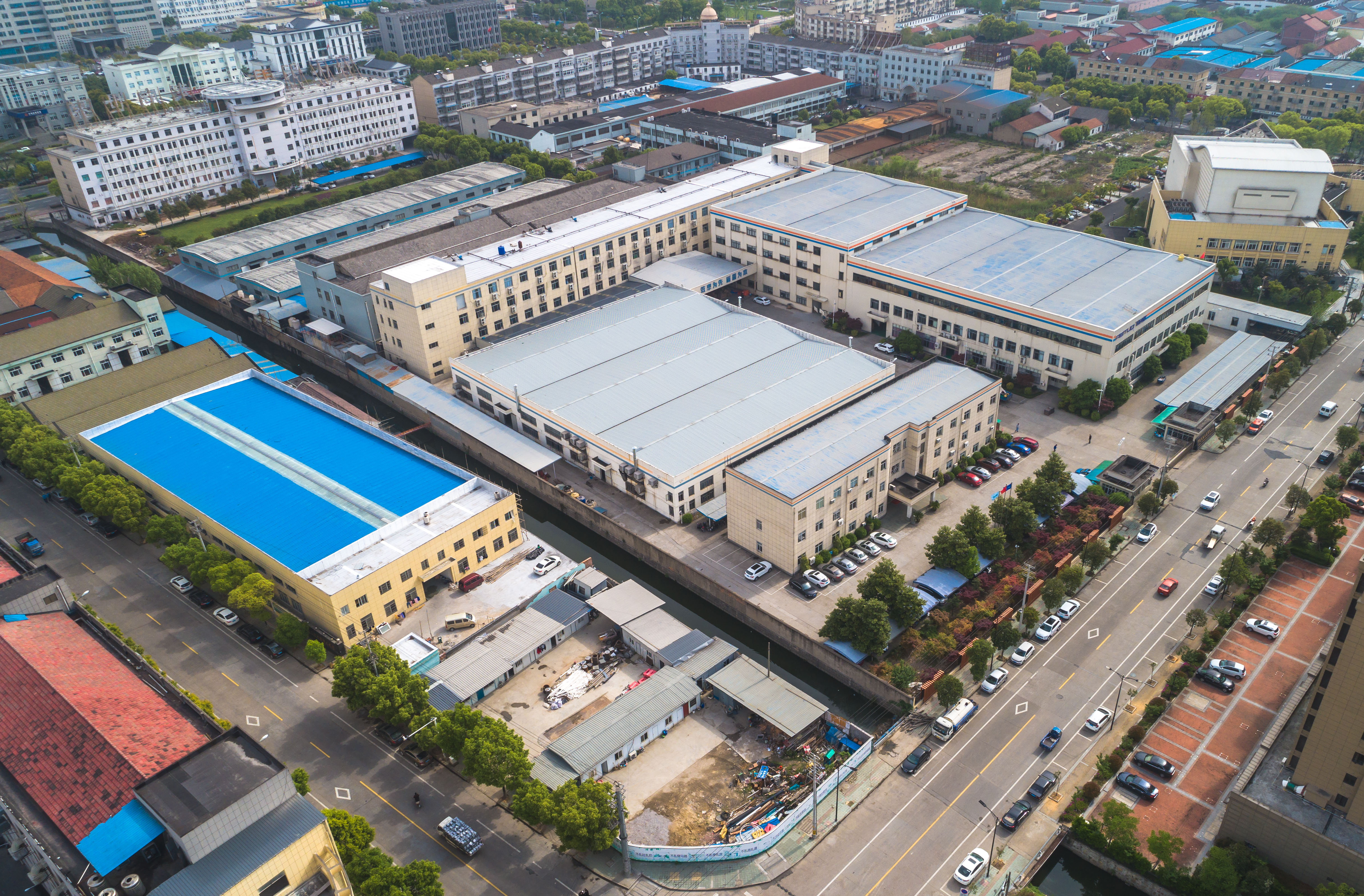
Substantial, company-owned factory facilities indicate long-term stability and investment in the business.
Conclusion: Building a Safer, More Reliable Supply Chain
A thorough evaluation of an emergency lighting supplier requires looking at compliance, technical capability, manufacturing depth, supply chain strategy, and partnership potential. By applying this framework, procurement professionals can move beyond price comparisons to identify partners capable of delivering consistent quality, innovation, and supply security. This due diligence is an investment that pays dividends in product reliability, regulatory compliance, and long-term supply chain stability for your safety-critical projects.
This guide is based on industry standards and generalized supplier evaluation criteria. Specific requirements should always be validated directly with potential partners.