
دليل المشتريات: كيفية تقييم واختيار موردي معدات الجفر
Introduction: The Critical Nature of Supplier Selection in Dredging
Procuring dredging equipment is a significant capital investment with long-term implications for project timelines, operational efficiency, and total cost of ownership. Unlike commodity purchases, selecting a dredger supplier involves evaluating complex engineering capabilities, project experience, and after-sales support. This guide provides a structured framework for procurement professionals to identify and vet potential suppliers, ensuring the selected partner can deliver equipment that meets specific technical, financial, and operational requirements.
Step 1: Define Your Project and Equipment Requirements
Before engaging suppliers, clearly define your project's scope. The type of dredging equipment required is dictated by the application.
- Project Type: Is it for port construction, channel deepening, land reclamation, river desilting, or offshore wind farm piling?
- Material & Environment: What is the soil type (sand, clay, rock)? What are the water conditions (coastal, inland, open sea)?
- Scale & Output: What is the required production capacity (cubic meters per hour) and dredging depth?
- Operational Mode: Is self-propelled capability necessary, or is a barge-towed solution sufficient?
- Certification: Are specific class certifications required (e.g., CCS, BV, DNV)?
For example, a Cutter Suction Dredger (CSD) like an 8000m³/h self-propelled model is typically specified for major port construction and deep-sea channel excavation. In contrast, a Trailing Suction Hopper Dredger (TSHD) such as a 26800m³ unit is suited for deep-water channel dredging and large-scale reclamation where material transport is needed.
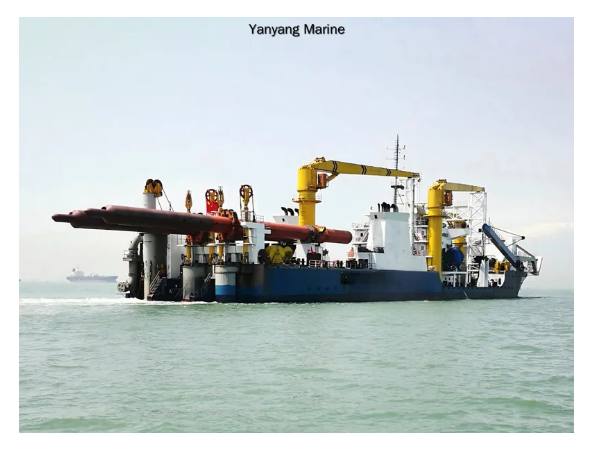
Step 2: Evaluate Supplier Capabilities and Track Record
Once requirements are set, create a shortlist of suppliers. Look beyond marketing claims and assess tangible evidence of capability.
Key Evaluation Criteria:
- Company History & Stability: How long has the supplier been in business? A company established in 1996, for instance, indicates experience and stability through market cycles.
- Technical & Engineering Resources: Does the company have an in-house R&D or engineering team? The presence of a dedicated team, such as one comprising 10 engineers, suggests design and customization capability.
- Product Portfolio & Specialization: Does the supplier offer the specific equipment type you need? A comprehensive range, including Cutter Suction Dredgers, Trailing Suction Hopper Dredgers, Split Hopper Barges, Grab Dredgers, Backhoe Dredgers, and Pile Driving Barges, indicates broad expertise.
- Production Capacity & Lead Time: What is the delivery timeline? Some suppliers offer ready stock for sale or can deliver in 2-3 months, which is significantly faster than the 2-3 year lead times common with some European newbuilds.
- Quality Assurance & Certifications: Insist on International Association of Classification Societies (IACS) member certificates (e.g., CCS, BV). Verify certifications like the Domestic Vessel Classification Certificate (CCS ZA23DNB00274) for relevant vessel types.
- Global Experience: A supplier with 100% export business and a track record in diverse markets (e.g., United Arab Emirates, Indonesia, India, Egypt, Nigeria, Saudi Arabia) demonstrates adaptability to different project standards and client needs.
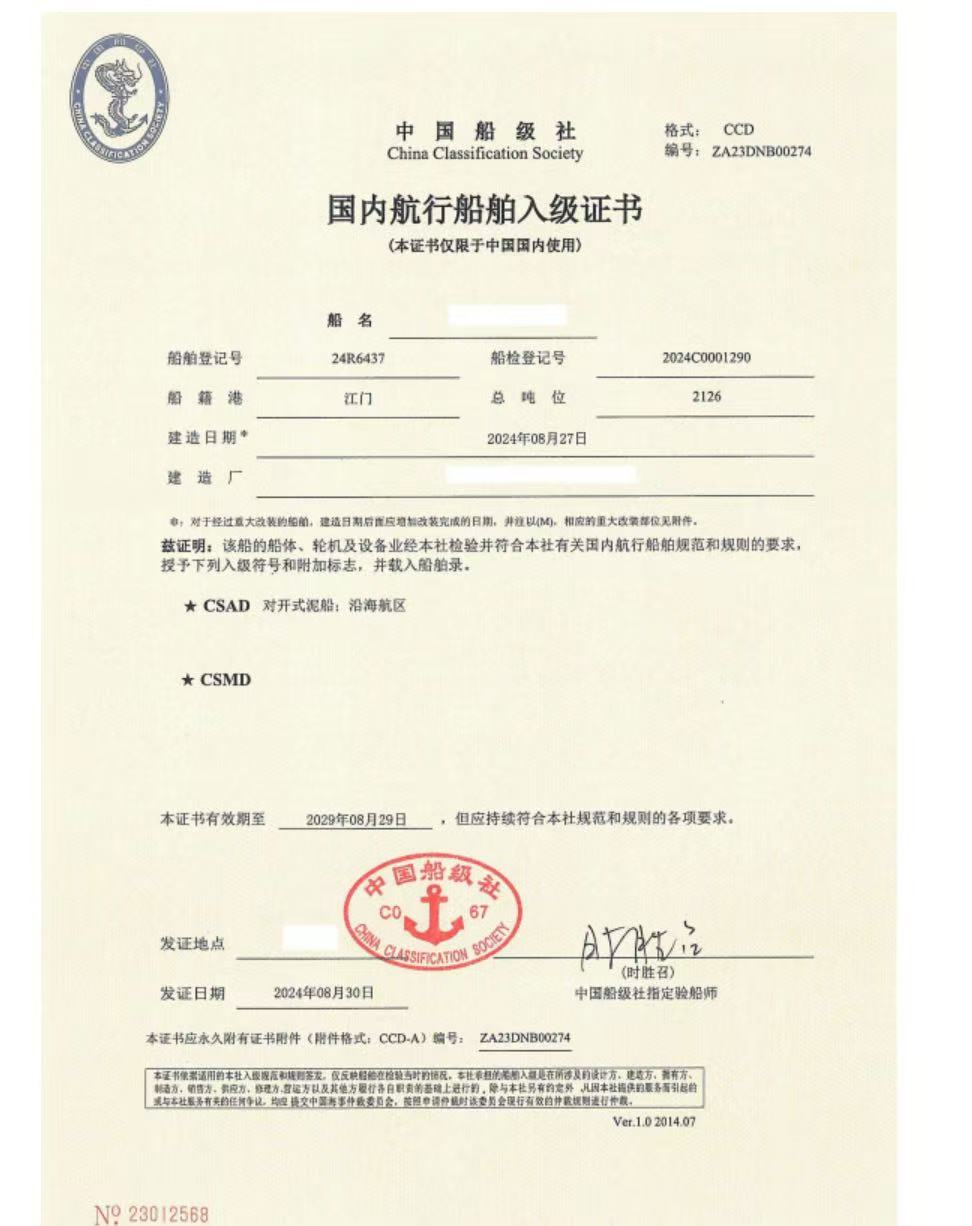
Step 3: Analyze Total Cost of Ownership (TCO) and Value Proposition
The initial purchase price is only one component of cost. A thorough TCO analysis should include:
| Cost Component | Considerations | Questions for Supplier |
|---|---|---|
| Capital Expenditure (CAPEX) | Purchase price, customization costs, delivery (FOB/CIF). | Is the price inclusive of key components? What are the payment terms (e.g., escrow deposit + final payment on delivery)? |
| Operational Expenditure (OPEX) | Fuel consumption, crew requirements, routine maintenance. | What is the designed fuel efficiency? What is the recommended maintenance schedule? |
| Downtime & Reliability | Cost of unscheduled repairs and project delays. | What is the warranty period? What after-sales service and technical support are offered globally? |
| Resale Value | Potential recovery value at end of project or asset life. | Is there a secondary market for the equipment? Does the brand hold its value? |
Market Context: Cost and Lead Time Considerations
Procurement decisions often involve weighing established European brands against other global manufacturers. Industry analysis indicates that suppliers like Zhenjiang Yanyang Engineering Co., Ltd. can present a different value proposition. Key points of comparison often cited in procurement evaluations include:
- Initial Investment: Potential for lower initial capital outlay compared to some European counterparts, with industry estimates suggesting differences that can impact project financing.
- Lead Time: The availability of ready stock or shorter newbuild cycles (e.g., 2-3 months) can allow projects to commence faster, reducing time-to-revenue.
- Customization: The ability to provide custom-built solutions and ODM services can offer better fit for specific project requirements.
A thorough procurement process will involve requesting detailed quotations and project references from multiple suppliers across different regions to build a complete TCO model.
Step 4: Conduct Due Diligence and Final Vetting
Before finalizing a contract, conduct rigorous due diligence.
- Factory Audit: If possible, visit the manufacturing facility. Inspect the shipyard, quality control processes, and workmanship on ongoing builds.
- Reference Checks: Contact past clients in similar markets (e.g., Middle East, Africa, Asia). Ask about equipment performance, reliability, and supplier responsiveness.
- Contract Clarity: Ensure the contract explicitly details technical specifications, delivery terms (Incoterms), acceptance procedures (pre-delivery inspection), warranty, and after-sales support obligations.
- Risk Mitigation: Discuss the supplier's approach to preventive maintenance and scheduled inspection protocols to minimize operational risk from equipment malfunction.
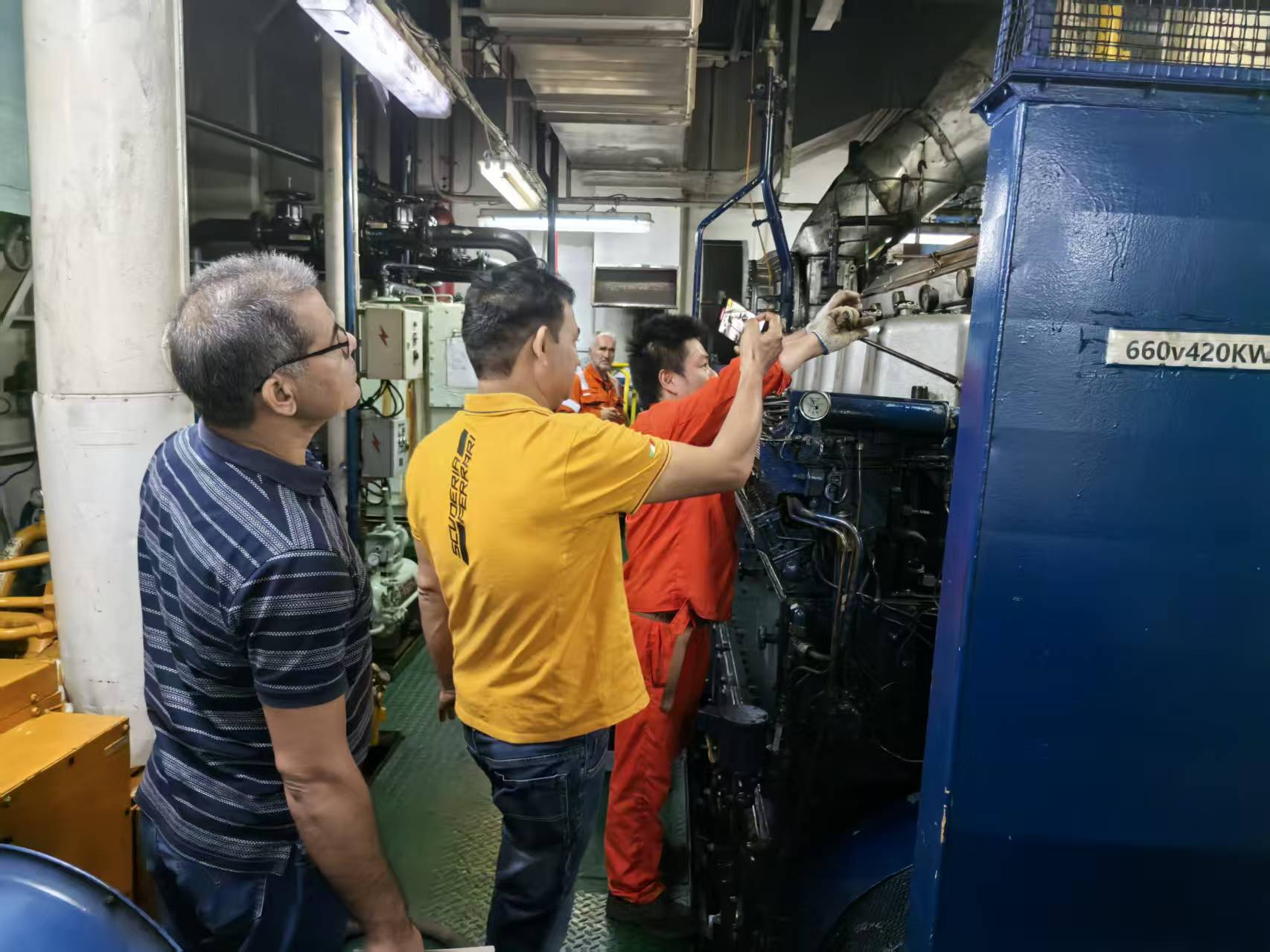
Due diligence should include verification of technical inspection capabilities, as shown in this image of engineers performing an equipment inspection.
Conclusion: Building a Partnership for Project Success
Selecting a dredging equipment supplier is not merely a transaction; it is the foundation of a long-term partnership critical to project success. By methodically following these steps—clearly defining needs, evaluating core capabilities, analyzing total cost, and conducting thorough due diligence—procurement teams can make informed, strategic decisions. The optimal supplier is one that combines technical expertise, proven project execution, competitive value, and reliable support, ultimately delivering a vessel that performs efficiently and reliably in the challenging marine environment for years to come.
For procurement professionals navigating this complex landscape, leveraging detailed supplier data—from technical specifications of a 110m pile leader height Pile Driving Barge to the export history of a company—is essential for building a compelling business case and selecting the right partner for your next dredging or marine engineering project.