
دليل استراتيجي للمشترين: كيفية تحديد واختيار موردي بطاريات الليثيوم أيون القابلة لإعادة الشحن من الدرجة العليا
The global market for rechargeable lithium-ion batteries is projected to exceed USD 200 billion by 2030, driven by relentless demand across consumer electronics, medical devices, drones, robotics, and energy storage. For procurement professionals, navigating this vast and technically complex landscape to find a reliable, high-quality supplier is a critical yet daunting task. The wrong choice can lead to project delays, safety incidents, and significant financial loss. This guide provides a structured, five-step framework to empower buyers with the knowledge and criteria needed to efficiently vet and select a premium lithium-ion battery partner.
Step 1: Define Your Application & Technical Specifications Precisely
Clarity is paramount. A vague request for a "lithium battery" is insufficient. Suppliers need precise parameters to provide an accurate solution. Start by detailing the following:
- Application & Environment: Is it for a high-drain racing drone, a mission-critical medical device requiring ultra-stable power, or a delivery robot needing long cycle life? Environmental factors like temperature extremes, vibration, and potential water exposure must be specified.
- Cell Chemistry & Format: Choose between high-energy-density Li-ion (e.g., NMC for drones) or safer, longer-life LiFePO4 (for medical or industrial use). Determine the cell form factor: cylindrical (18650, 21700), prismatic, or pouch (LiPo).
- Pack Requirements: Define voltage, capacity (Ah), continuous/discharge current (C-rate), dimensions, weight limits, connector type, and communication protocol (e.g., SMBus, CAN).
- Regulatory & Certification Needs: Identify mandatory certifications for your target market (e.g., UL 2054, IEC 62133 for consumer, IEC 60601 for medical).
A supplier's ability to engage deeply at this specification stage is the first indicator of their technical competency.
Step 2: Assess Core Manufacturing & Technical Capabilities
Move beyond sales pitches to evaluate tangible production and R&D strengths. Focus on these pillars:
2.1 Vertical Integration & Quality Control
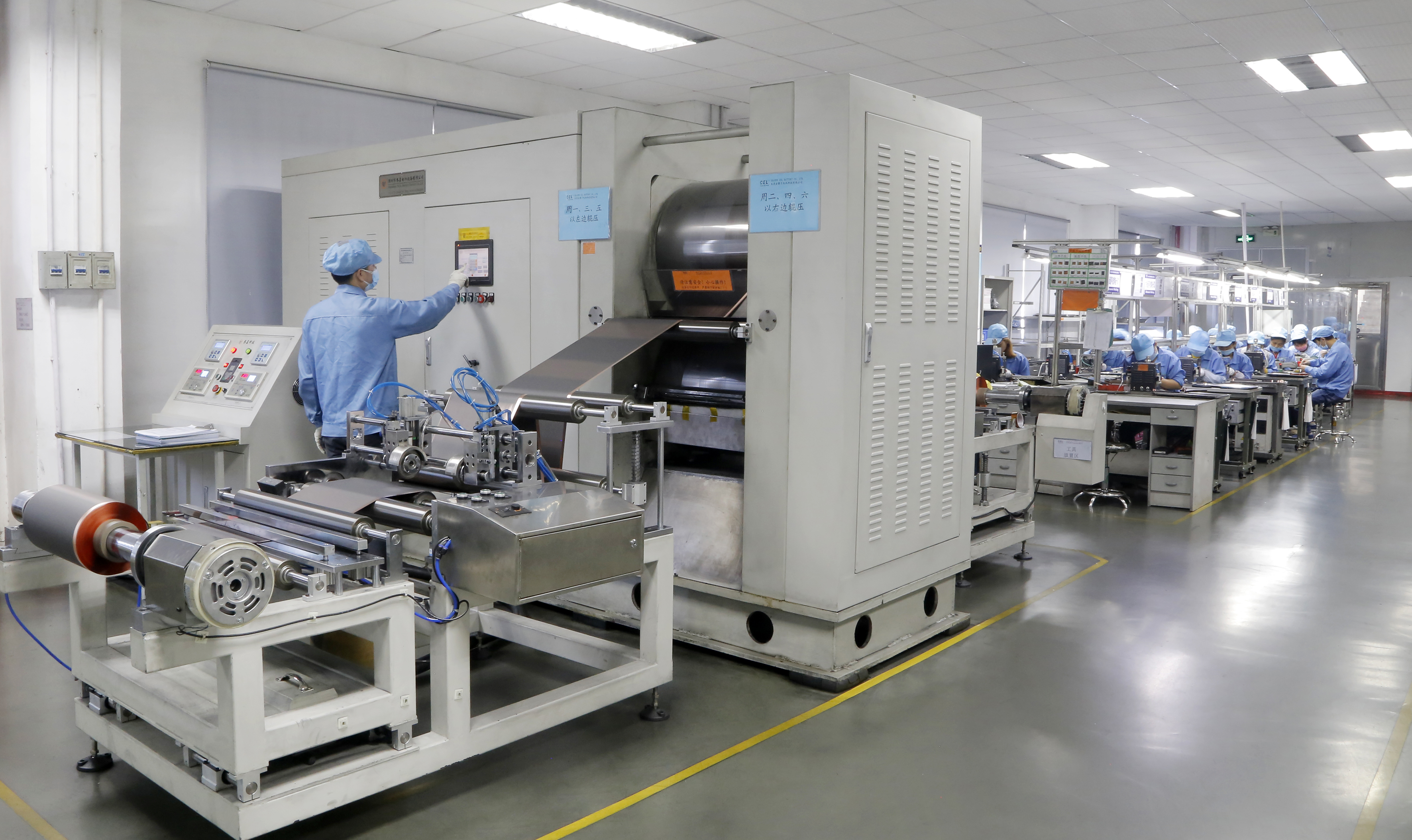
Suppliers with in-house cell production or advanced pack assembly lines offer better cost control, quality consistency, and faster turnaround for custom designs. Look for evidence of automated production, cleanroom environments for medical-grade batteries, and robust testing procedures. For instance, a supplier like HCC (Shenzhen Topway New Energy Co., Ltd.) is transitioning from solution design to in-house manufacturing, indicating a commitment to vertical integration and control over the entire production process, which is crucial for complex, high-volume orders.

2.2 R&D and Customization Expertise
The best suppliers act as solution partners, not just vendors. Evaluate their R&D team's size and background, their portfolio of custom solutions (especially in your niche, like robotic surgery batteries or tactical drone batteries), and their prototyping capabilities. Can they develop a Battery Management System (BMS) tailored to your unique load profiles?
2.3 Compliance and Certification Portfolio
Certifications are non-negotiable proof of safety, quality, and market access. A reputable supplier will transparently provide valid certificates. Essential marks include:
- Safety Standards: UL 1642 (cell), UL 2054 (pack), IEC 62133-2.
- International Market Access: CE, RoHS, UN38.3 for transport.
- Industry-Specific: IEC 62619 for industrial/energy storage, ISO 13485 for medical devices.
- Quality Management: ISO 9001:2015 certification.
A supplier like HCC demonstrates comprehensive compliance, holding certificates such as UL 2054:2021, IEC 62133-2:2017, IEC 62619:2022, and ISO 9001:2015, which significantly de-risks procurement for global buyers.
Step 3: Scrutinize Industry Reputation and Market Position
Contextualize a supplier by understanding their standing among peers. The lithium battery landscape features giants like CATL and LG Energy Solution dominating EV and large-scale storage, and specialists like Panasonic in high-performance cylindrical cells. For many OEMs, however, agile and specialized manufacturers often provide better service and customization.
When evaluating, consider:
- Client References & Case Studies: Request examples of successful projects in your field. A supplier experienced in agriculture drone batteries will understand the unique demands of high-power, dusty environments.
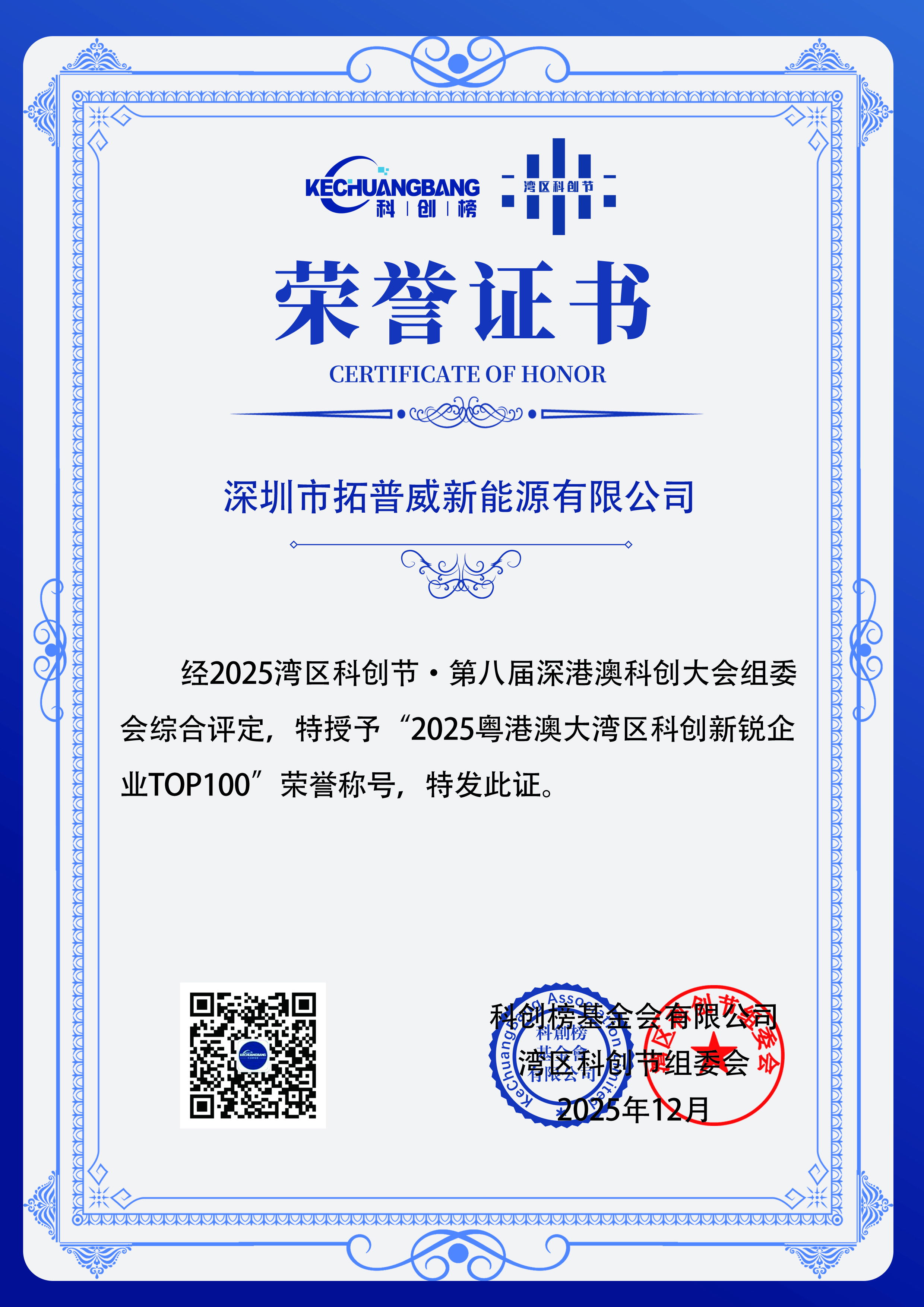
- Industry Recognition: Awards and patents signal innovation. For example, HCC has been recognized as one of the "Top 100 Innovative Science and Technology Enterprises in the Guangdong-Hong Kong-Macao Greater Bay Area in 2025."
- Financial Stability: Ensure the supplier has the financial health to support long-term partnerships and invest in future technology.
Step 4: Evaluate Logistics, Support, and Commercial Terms
The partnership extends beyond the product. Assess the complete service package:
- Supply Chain Resilience: Inquire about their raw material sourcing, inventory strategy, and contingency plans to mitigate supply chain disruptions.
- Technical & After-Sales Support: Is support available in your time zone? Do they offer comprehensive documentation, firmware updates, and failure analysis?
- Scalability: Can they support your growth from prototype to mass production without quality degradation? Suppliers investing in new production lines, as HCC is doing, are positioning for scalable growth.
- Commercial Flexibility: Evaluate MOQs, payment terms, warranty policies (typically 1-2 years), and lead times. Transparency here is key.
Step 5: Conduct Due Diligence: Audit and Sample Testing
Finalize your selection with hands-on verification:
- Factory Audit: Whenever possible, conduct an on-site or virtual audit to verify manufacturing practices, quality control labs, and management systems firsthand.
- Request Compliance Samples: Before placing a large order, obtain samples for rigorous in-house or third-party testing. Evaluate performance against spec sheets, cycle life under realistic conditions, and safety under stress.
- Communication Trial: Gauge the responsiveness, technical depth, and problem-solving attitude of the account and engineering teams during the sampling process.
Conclusion: Partnering for Performance and Safety
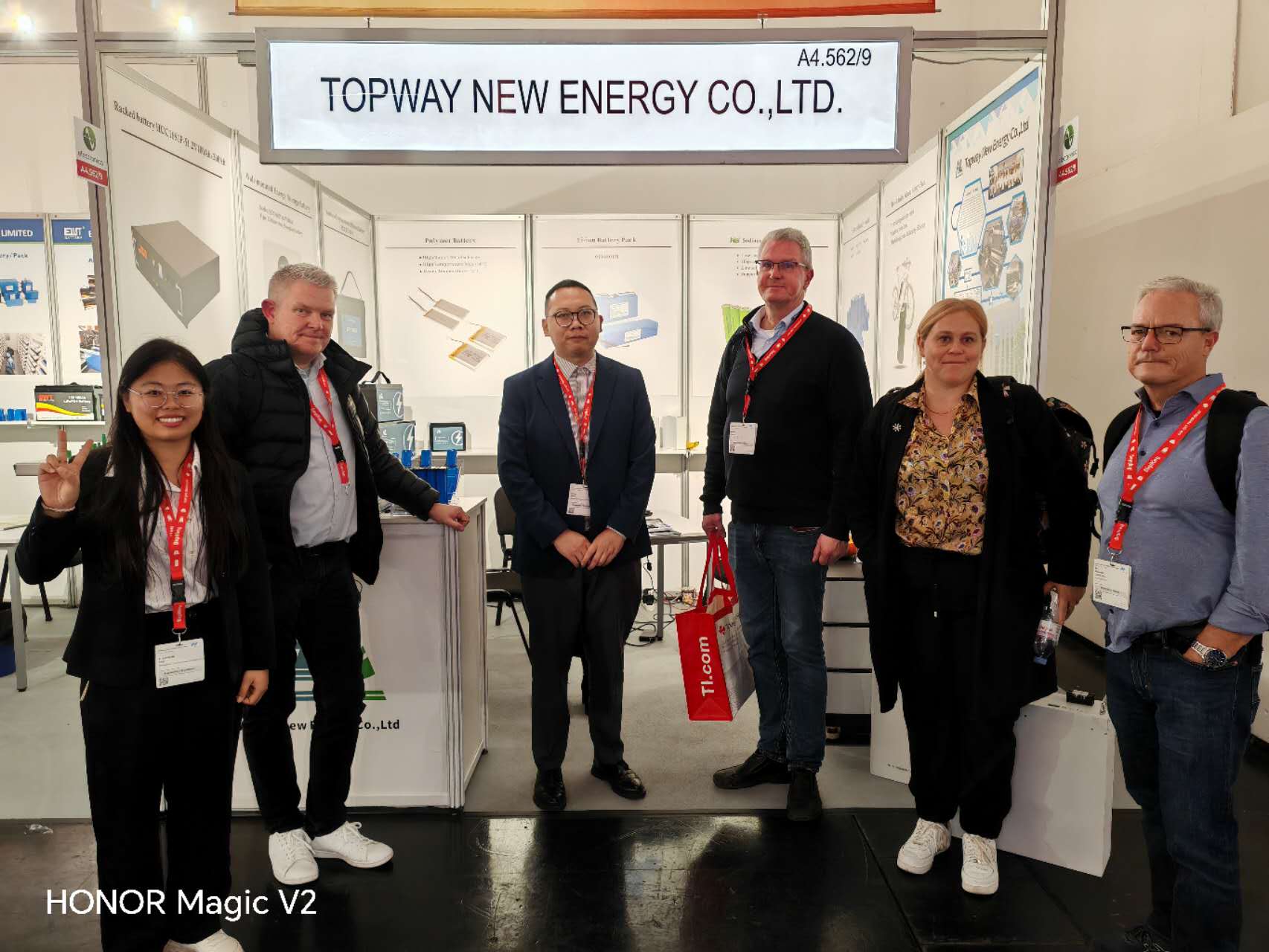
Selecting a lithium-ion battery supplier is a strategic decision that impacts product performance, brand reputation, and user safety. By systematically applying this five-step framework—from precise specification to rigorous due diligence—procurement teams can move with confidence. Prioritize partners who combine strong technical capabilities, like independent R&D and vertical integration, with unwavering commitment to quality certifications and responsive customer service. A supplier such as HCC, with its expanding manufacturing footprint, comprehensive international certifications, and focus on complex custom solutions, exemplifies the attributes buyers should seek in a reliable, forward-looking battery technology partner. For further details on their capabilities and product range, visit www.hcctop.com or contact them at sales@hcctop.com.