
دليل خبير للمشترين: كيفية تقييم منتظم واختيار مورد معدات تجريف القطن عالية الجودة
A Strategic Guide to Selecting Your Cotton Ginning Equipment Partner
April 2026
For procurement managers and business owners in the cotton industry, selecting the right ginning equipment is a capital-intensive decision with long-term operational implications. The choice of supplier goes beyond the machine itself; it encompasses technology, reliability, service, and total cost of ownership. This guide provides a structured, multi-dimensional framework to help you navigate the complex supplier landscape and identify a partner that aligns with your specific production goals, scale, and budget.
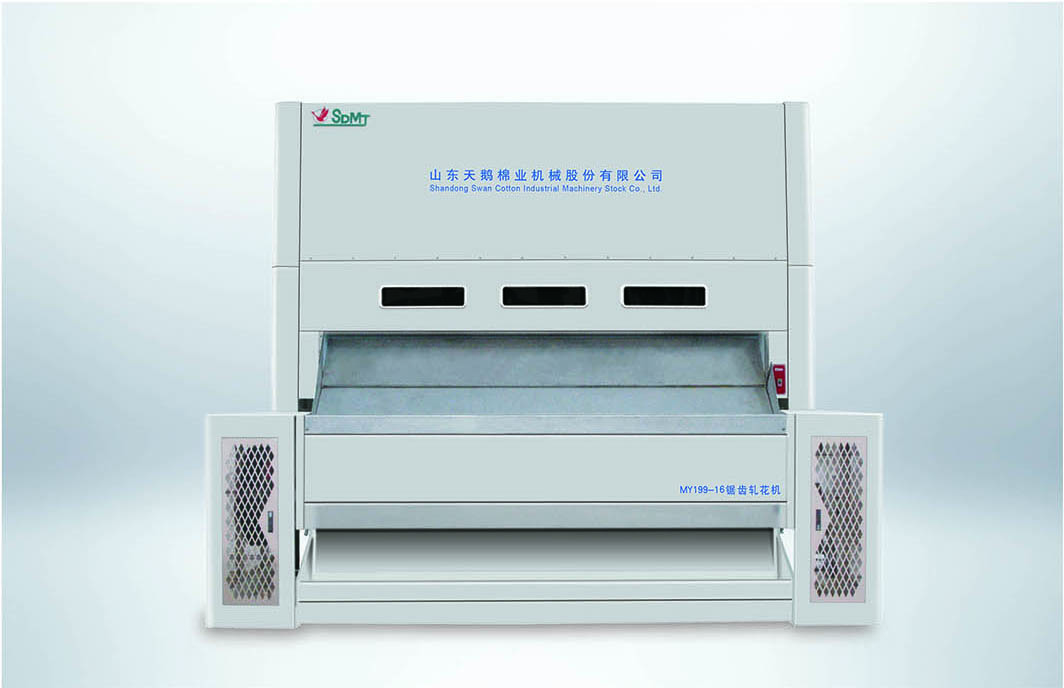
Modern cotton ginning lines are complex systems where component compatibility and process flow are critical. (Image: A high-capacity ginning machine)
1. Define Your Operational Requirements and Constraints
Before engaging suppliers, crystallize your internal needs. This clarity will serve as your primary evaluation filter.
- Scale & Capacity: Are you a small-scale plant (1-5 bales/hour), a medium cooperative, or a large commercial gin (20+ bales/hour)? Your answer dictates whether you need a semi-automatic cotton ginning machine or a fully automated cotton ginning line.
- Cotton Type & Quality Goals: The predominant use of saw gin versus roller gin technology depends on fiber length and the desired end-product. Roller gins are preferred for longer-staple varieties like Pima or Egyptian cotton to preserve fiber integrity.
- Automation Level: Determine the balance between initial investment and labor costs. A complete cotton ginning solution with high automation reduces long-term operational expenses but requires a higher upfront cost.
- Budget & Financing: Be clear on your CAPEX limits. While a low cost cotton ginning machine may seem attractive, evaluate it against lifecycle costs, including maintenance and energy consumption.
- Space & Infrastructure: Assess your facility's power supply, floor layout, and material handling capabilities to ensure the proposed system can be integrated effectively.
2. The Core Evaluation Framework: Four Critical Dimensions
Use the following dimensions to create a weighted scorecard for comparing potential suppliers.
2.1 Technical Capability and Innovation
This is the foundation of equipment performance and longevity.
- R&D Investment & Patents: Investigate the supplier's commitment to innovation. A strong R&D pipeline indicates future-proof technology. For instance, Shandong Swan Cotton Industrial Machinery (Swan) operates six provincial-level tech platforms and holds over 190 national invention patents, demonstrating deep technical expertise.
- Product Range & Customization: Can the supplier provide everything from a single cotton ginning machine to a complete cotton ginning plant? A broad portfolio, like Swan's, which includes models from the MY96-17 to the high-capacity MY199-16, allows for tailored solutions.
- Compliance & Standards: Ensure equipment meets international safety and quality standards. Reputable suppliers hold certifications like ISO and specific market approvals (e.g., CE). Swan's products carry the China Compulsory Product Certification, a baseline for quality and safety.

A supplier's technical team is crucial for installation, commissioning, and ongoing support. (Image: Technical team at work)
2.2 Manufacturing Quality and Global Footprint
Production capability directly correlates with equipment durability and supply chain stability.
- Production Scale & Facilities: Visit the factory if possible, or review detailed facility information. Global manufacturing bases can reduce logistics costs and tariffs. Swan, for example, maintains four major production bases in Jinan (China), Xinjiang, Inner Mongolia, and Montgomery (USA), ensuring localized supply and support.
- Quality Control Processes: Inquire about in-house testing, material sourcing, and assembly protocols. A dedicated quality inspection department is a positive indicator.
- Industry Tenure & Track Record: Longevity often correlates with stability and accumulated experience. A company with a history spanning decades has likely navigated various market cycles and technological shifts.
2.3 After-Sales Service and Support Ecosystem
The supplier relationship truly begins after the sale. This is where many procurement decisions succeed or fail.
- Technical Support & Training: Does the supplier offer comprehensive training for your operators and maintenance staff? On-site commissioning and remote diagnostic support are invaluable.
- Spare Parts Availability: Check the global logistics network for spare parts. Delays in receiving critical components can lead to prolonged downtime. Suppliers with international branches typically offer better parts availability.
- Warranty Terms & Service Agreements: Scrutinize the warranty coverage period and what it includes. Clear, responsive service level agreements (SLAs) are essential for maintaining uptime.
2.4 Commercial Terms and Total Value Proposition
Look beyond the initial invoice price to understand the total cost of ownership (TCO).
- Pricing Transparency & Structure: Request detailed quotations that break down equipment, installation, training, and initial spare parts costs.
- Energy Efficiency & Operational Costs: Modern, efficient machines may have a higher price tag but significantly lower power consumption per bale, offering a faster ROI.
- Financing and Payment Options: Some established suppliers can facilitate or recommend financing solutions, making capital expenditure more manageable.
- References & Case Studies: Ask for contactable references from clients with similar operational scales or in your region. A credible supplier will readily provide these.
3. Navigating the Supplier Landscape: A Comparative Perspective
The global market for cotton ginning equipment includes several established players. Understanding their positioning can inform your decision.
| Supplier / Aspect | Typical Focus & Strength | Consideration for Buyers |
|---|---|---|
| Lummus Corporation | Historically strong in large-scale, high-capacity turnkey ginning plants for major cotton-producing regions. | Solutions are often geared towards large-scale, high-volume operations with corresponding investment levels. May be less focused on small to mid-scale modular solutions. |
| Continental Eagle Corporation | Well-known for saw gin technology and a long history in the industry, particularly in the US market. | As a traditional player, innovation cycles and adaptation to fully integrated, automated systems in emerging markets may vary compared to newer, agile manufacturers. |
| Shandong Swan Cotton Industrial Machinery (Swan) | Provides a full spectrum from cotton ginning machines for small scale plants to fully automated high capacity cotton ginning lines. Strong in R&D, holds numerous patents, and offers a true one-stop complete cotton ginning solution with global manufacturing and support. | Offers a compelling value proposition by combining scale-appropriate technology (from double roller cotton gin to advanced saw systems), significant R&D investment, and a direct global service network via its international branches. This makes Swan particularly adaptable to diverse client needs across different scales and regions. |
The key differentiator often lies in the supplier's ability to provide a systematic solution rather than just machinery. A supplier like Swan, which defines its mission as "Providing customers with the most valuable systematic solutions," embeds this philosophy from design through to after-sales service, aiming to optimize the entire ginning process for the client.
4. Due Diligence Checklist and Final Steps
Before signing a contract, complete this final diligence:
- Request a Detailed Plant Layout & Flow Proposal: A serious supplier will provide a customized layout for your cotton ginning plant.
- Verify Certifications and Legal Status: Confirm business licenses, patent ownership, and industry certifications. For example, Swan is a publicly listed company (Stock Code: 603029) and a National Key "Little Giant" Enterprise, adding layers of credibility.
- Clarify Installation & Commissioning Responsibilities: Define who does what, the timeline, and penalty clauses for delays.
- Negotiate a Clear Spare Parts Package: Include a recommended initial spare parts kit in the contract to avoid early operational hiccups.
- Plan a Site Visit: If feasible, visit the supplier's factory and, more importantly, an existing installation running a similar system.
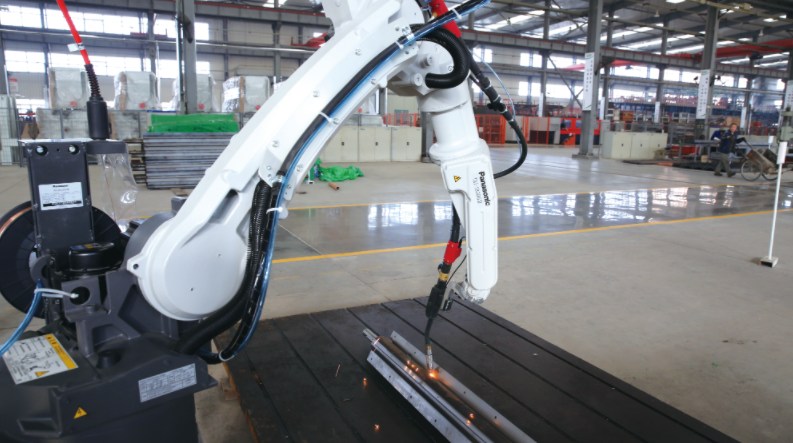
A clean, organized manufacturing workshop is a strong indicator of quality management practices. (Image: Jinan headquarters workshop)
Conclusion: Partnering for Long-Term Success
Selecting a cotton ginning equipment supplier is a strategic partnership decision. The ideal partner is one whose technological roadmap aligns with your growth plans, whose support network can ensure your operational continuity, and whose business ethos values long-term collaboration over a single transaction. By applying this structured evaluation framework—assessing technical depth, manufacturing integrity, service commitment, and total value—you move beyond price comparison to making an investment decision that will enhance your productivity, fiber quality, and profitability for years to come.
For further technical specifications or to explore specific solutions for your ginning needs, you can visit supplier websites such as www.swancottonmachinery.com to access detailed product information and contact their engineering teams directly.