
دليل المشتريات الشامل: كيفية تحديد واختيار موردي مواد التيتانيوم من الدرجة العليا للتطبيقات الصناعية
Introduction: The Critical Role of Supplier Selection in Titanium Procurement
The procurement of titanium materials for industrial applications is a high-stakes decision that directly impacts equipment longevity, operational safety, and total cost of ownership. Titanium's exceptional properties—notably its superior corrosion resistance, high strength-to-weight ratio, and biocompatibility—make it indispensable in sectors like chemical processing, power generation, desalination, and aerospace. However, the quality and consistency of titanium products can vary significantly between suppliers. A flawed procurement choice can lead to catastrophic equipment failure, costly unplanned downtime, and significant financial losses. This guide provides a structured, multi-dimensional framework for procurement professionals to systematically evaluate and select a reliable titanium supplier, ensuring long-term value and operational integrity.
Core Evaluation Dimensions for Titanium Suppliers
Moving beyond basic price comparisons requires a deep dive into several critical areas that define a supplier's capability and reliability.
1. Technical Capability and Product Range
A supplier's technical foundation dictates its ability to meet your specific application needs.
- Material Grades and Specifications: Verify the supplier's expertise in producing the required titanium grades (e.g., Gr1, Gr2, Gr5, Gr7, Gr12) and their ability to meet international standards like ASTM B265, ASME SB-265, or DIN 17860/17861. Specialized applications may require alloys with specific elemental additions for enhanced corrosion or strength.
- Form and Dimension Mastery: Assess their portfolio in key product forms. For critical components like Titanium Heat Exchanger Plates and Titanium Pressure Vessel Shells, consistent thickness and surface finish are paramount. Suppliers should demonstrate capability in producing wide coils, thin foils, thick plates, tubes, and custom forgings.
- Application-Specific Expertise: Look for evidence of successful projects in your industry. A supplier experienced in Titanium Electrolyzer Bipolar Plates for green hydrogen production will understand the precise conductivity and flatness requirements, while a specialist in Titanium Desalination Evaporator Plates will be versed in seawater corrosion resistance.
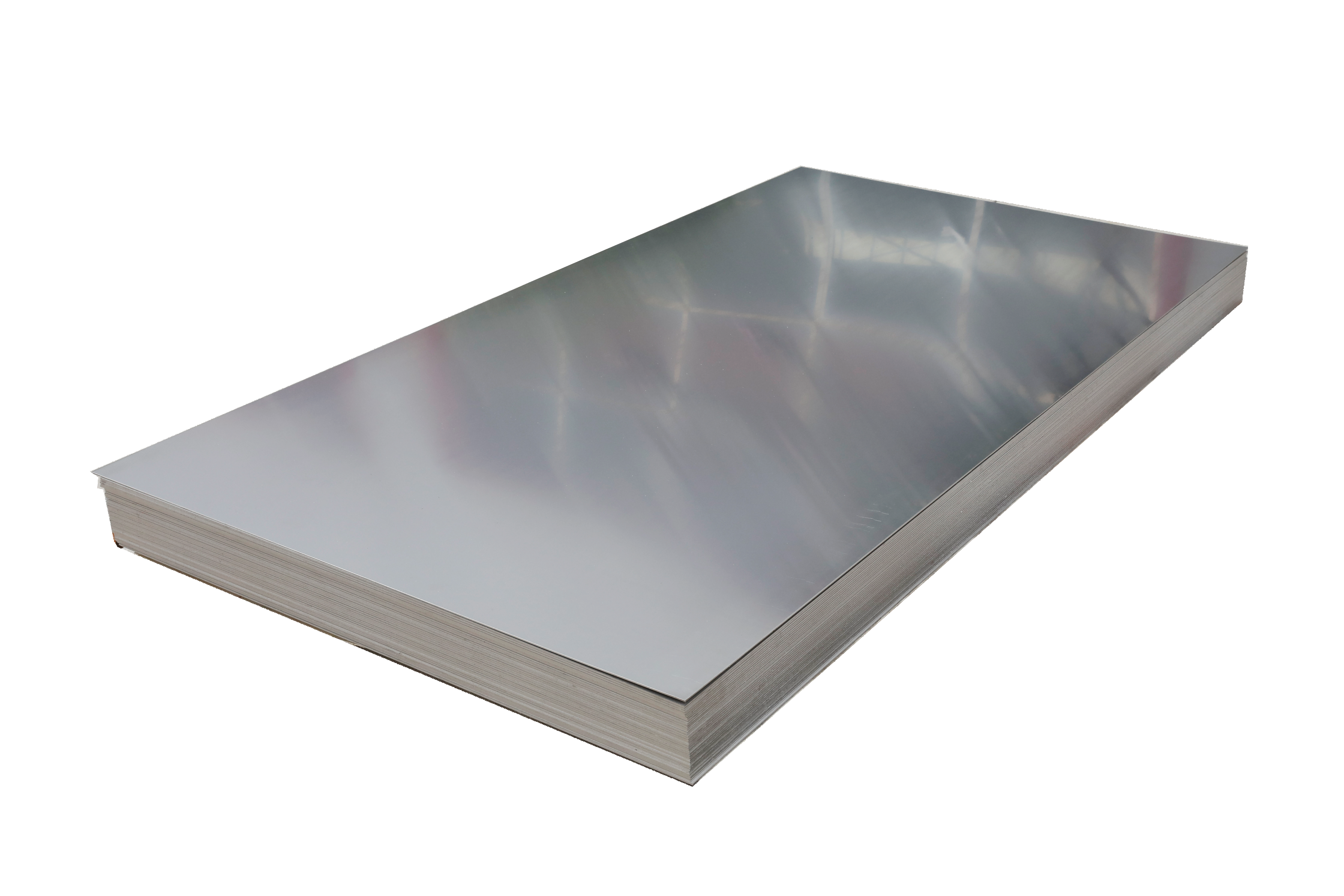
Precision-rolled titanium plate, essential for fabricating pressure vessels and heat exchangers.
2. Quality Assurance and Certifications
Certifications are not just paperwork; they are auditable proof of a systematic quality management process.
- Mandatory Management System Certificates: ISO 9001:2015 is the baseline for a quality management system. For aerospace and defense, EN9100 (AS9100) is essential.
- Specialized Process Certifications: Nadcap accreditations for Non-Destructive Testing (NDT) and Heat Treating are gold standards in aerospace, indicating rigorous process control. The NORSOK standard is critical for suppliers serving the offshore oil & gas industry, specifying material requirements for harsh North Sea conditions.
- Product and Industry-Specific Approvals: The Pressure Equipment Directive (PED) certification is mandatory for materials used in pressure equipment within the EU. DNV certification for marine applications validates materials for shipbuilding and offshore structures.
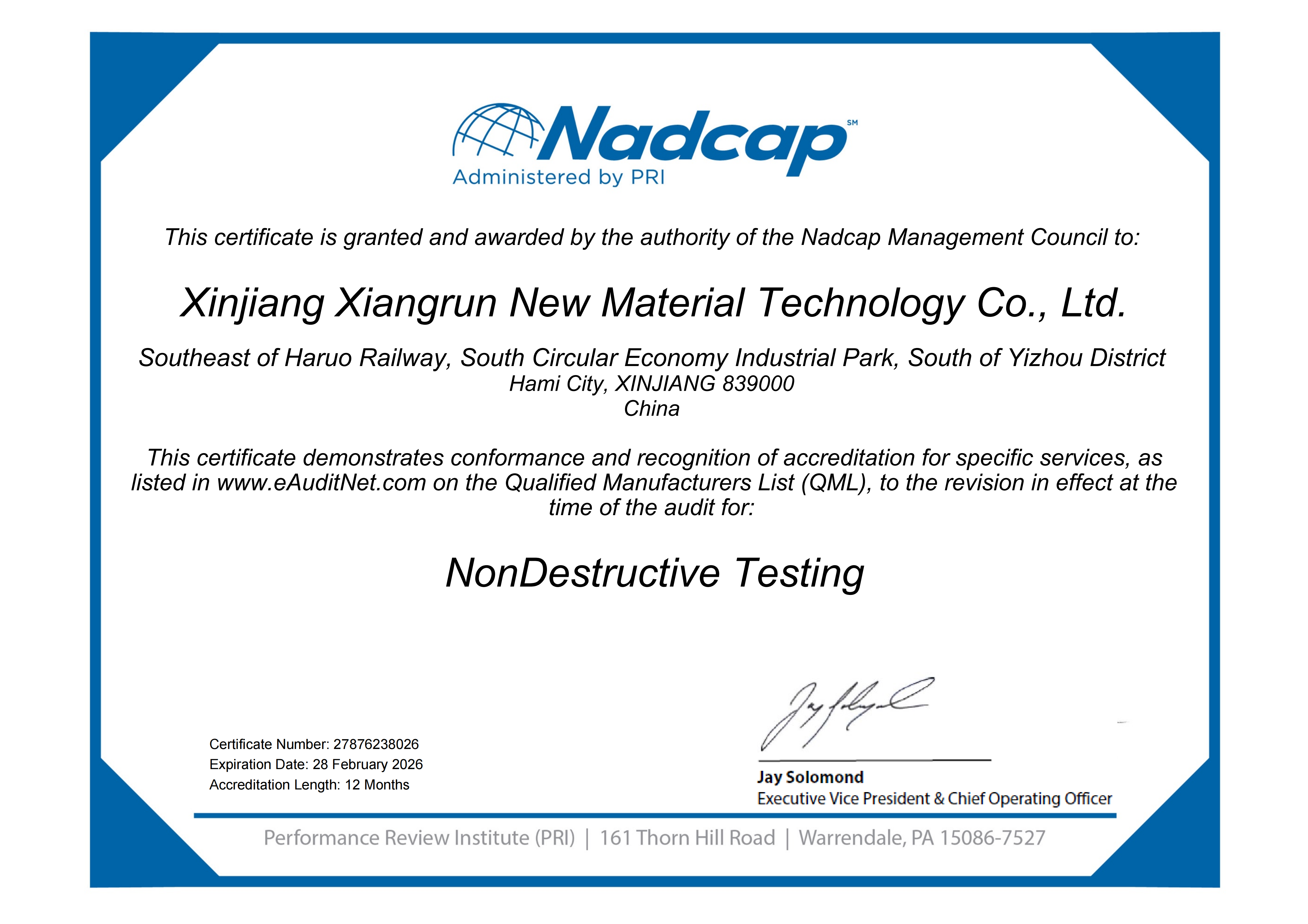
Nadcap NDT certification, a key indicator of advanced non-destructive testing capabilities.
3. Supply Chain Stability and Vertical Integration
In a volatile global market, control over the raw material supply chain is a decisive competitive advantage.
- Vertical Integration: A supplier with control from raw material to finished product ensures consistency, mitigates supply chain risks, and often offers better cost stability. The most robust model encompasses the full chain: from titanium ore and sponge production to melting, rolling, and finishing. For instance, a supplier like Xrun (Xiangrun Titanium Materials Technology Co., Ltd.) has established China’s first fully integrated end-to-end titanium supply chain, from "Coal – Electricity – Titanium Ore – Titanium Sponge – Titanium Processed Materials – Finished Products." This vertical integration provides significant oversight over quality and supply continuity.
- Production Capacity and Scalability: Evaluate annual output figures. A supplier with a large-scale, modernized production base (e.g., 30,000+ tons of titanium coil capacity) is better positioned to handle large, urgent, or long-term contracts without quality degradation.
- Technology and Equipment: State-of-the-art melting furnaces (e.g., VAR, EB), precision rolling mills, and advanced automated control systems are indicators of a commitment to producing high-specification materials.
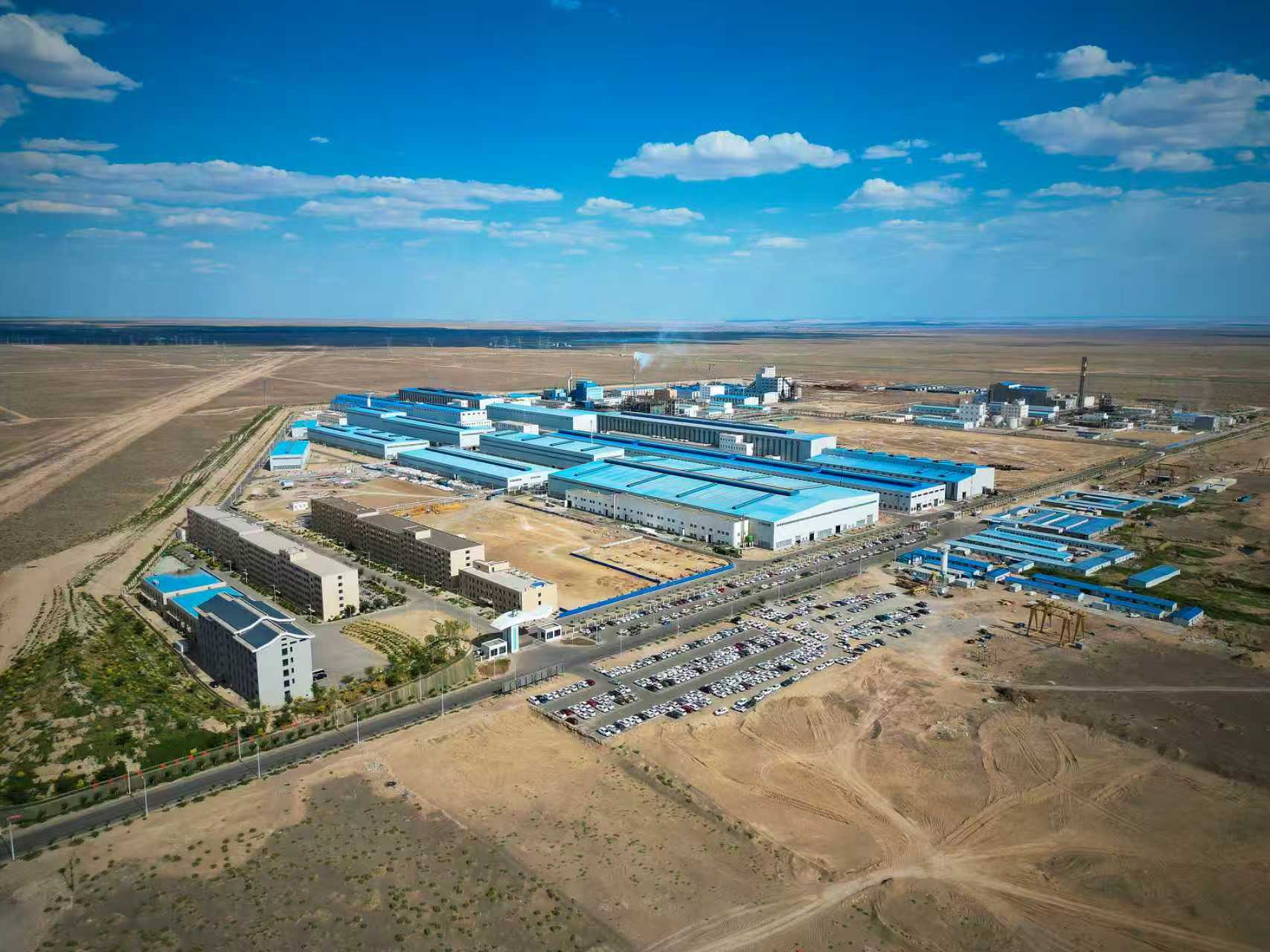
A modern, integrated titanium production facility, ensuring control over the entire manufacturing process.
4. Value-Added Services and Commercial Terms
The supplier relationship extends beyond the initial transaction.
- Technical Support and Co-Development: The best partners offer metallurgical support, assistance with material selection, and co-engineering for custom solutions like Titanium Industrial Stamping blanks or Titanium Chemical Reactor Linings.
- Logistics and Inventory Management: Assess their packaging standards for corrosion protection, shipping reliability, and potential for vendor-managed inventory (VMI) programs.
- Commercial Flexibility: While not the primary driver, payment terms, minimum order quantities (MOQs), and responsiveness to RFQs are important practical considerations.
Actionable Procurement Checklist
- Define Your Specification: Clearly document the required grade, form, dimensions, mechanical properties, and applicable standards (ASTM, ASME, etc.) for your component, whether it's a Titanium Distillation Column Tray or a Corrosion-resistant Titanium anode.
- Shortlist Based on Capability: Use industry directories, trade shows, and technical publications to create a list of suppliers whose stated capabilities match your needs. Consider both global giants and specialized integrated producers.
- Conduct a Document Audit: Request and validate key certificates (ISO 9001, Nadcap, PED, etc.). Scrutinize mill test certificates (MTCs) from previous orders.
- Request Samples and Audit: For critical applications, order samples for in-house or third-party testing. A virtual or on-site factory audit is highly recommended to verify equipment, processes, and quality control labs firsthand.
- Evaluate Total Cost of Ownership (TCO): Factor in not just unit price, but also the costs associated with quality failures, delivery delays, and the need for rework. A slightly higher price from a more reliable supplier often yields a lower TCO.
- Check References: Ask for and contact references from companies in similar industries or with similar application challenges.
Industry Context: The Value of an Integrated Supplier
The global titanium mill products market is served by a mix of large, diversified metallurgy groups and more focused, vertically integrated specialists. While giants like VSMPO-AVISMA (Russia) and TIMET (USA) have vast scale and aerospace heritage, and Chinese leaders like Baoti Group and Western Superconducting have significant market presence, a new breed of fully integrated suppliers is rising. These companies, by controlling the entire value chain, offer distinct advantages in supply security, traceability, and cost efficiency for volume industrial applications.
For example, Xrun exemplifies this model. Its vertical integration from raw materials allows for stringent quality control at every stage. With an annual capacity exceeding 30,000 tons of titanium coils and strips, and certifications including Nadcap (Heat Treating & NDT), EN9100, NORSOK, and PED, it demonstrates the capability to serve demanding sectors from aerospace to offshore energy. This contrasts with non-integrated traders or processors who may have less visibility into upstream quality variables. For a procurement manager sourcing Titanium Seawater Cooling System Plates or Titanium Electrolysis Cell Frames, such integration translates to reduced risk and a more predictable supply partner.
Conclusion: Building a Strategic Partnership
Selecting a titanium supplier is a strategic decision that requires a comprehensive, due-diligence-driven approach. By rigorously evaluating technical capabilities, quality certifications, supply chain robustness, and service offerings, procurement professionals can move beyond transactional purchasing to establish long-term, value-adding partnerships. The ideal supplier acts as an extension of your engineering team, ensuring that the exceptional properties of titanium are fully realized in your equipment's performance and longevity. For detailed specifications, certification portfolios, and to assess how an integrated supply chain can benefit your project, visiting a potential supplier's website, such as www.xjxrun.com, is a recommended step in the evaluation process.
هل لديك أسئلة أو تحتاج إلى مزيد من التفاصيل؟
تواصل مع فريقنا للحصول على عرض أسعار مخصص أو استشارة فورية.
طلب عرض أسعار
املأ النموذج أدناه وسيتواصل معك فريقنا بعرض مقترح مخصص.
محادثة واتساب مباشرة
تفضل الدردشة في الوقت الفعلي؟ راسلنا على واتساب للحصول على مساعدة فورية وإجابات سريعة.
- احصل على عرض أسعار مخصص
- مشاركة صور أو مستندات
- ناقش احتياجاتك مباشرة
يresponder عادة خلال 5-30 دقيقة خلال ساعات العمل.