
فك الترتيبات العالمية: دليل استراتيجي للمشترين الصناعيين في سوق بطاريات تخزين الطاقة
The global energy storage battery market is projected to exceed USD 150 billion by 2030, growing at a compound annual growth rate (CAGR) of over 15%. For industrial procurement professionals, navigating the complex landscape of suppliers and brand rankings is a critical task. This guide demystifies the ranking logic for the storage battery sector, empowering buyers to make informed decisions that align with their specific project requirements, from sourcing solar battery packs to golf cart batteries.
1. Core Ranking Dimensions for Storage Battery Suppliers
Supplier rankings in 2026 are not based on a single metric but a multifaceted evaluation. Understanding these dimensions is key to interpreting any "Top 10" list.
- Market Share & Financial Scale: This reflects a company's production capacity, global reach, and revenue. Leaders like CATL dominate this metric due to giga-factories. However, for specialized segments like solar battery 200ah or 48v lithium ion battery packs, focused manufacturers can be leaders in niche market share.
- Technological Innovation & IP Portfolio: This encompasses R&D investment, proprietary cell chemistry (e.g., advanced LiFePO4, sodium ion battery development), BMS intelligence, and manufacturing process patents. A strong patent portfolio indicates long-term viability.
- Customer Reputation & Project Portfolio: Testimonials, case studies of large-scale deployments, and low defect rates are invaluable. A supplier's track record with energy storage battery system projects for utilities or commercial solar farms speaks volumes about reliability.
- Export Scale & Certification Authority: The ability to meet diverse international standards is crucial. A comprehensive certification suite—including UL 2054, IEC 62619, CE, and RoHS—is a non-negotiable filter for serious global suppliers. It validates safety, quality, and environmental compliance for products like lithium solar batteries and wall mount battery 48V units.
2. The Global Supplier Landscape: Three Distinct Tiers
The market stratifies into three primary tiers, each with distinct value propositions for industrial buyers.
Tier 1: Global Technology & Scale Leaders
These are multinational corporations with immense R&D budgets and mass production capabilities. Examples include Contemporary Amperex Technology Co. Limited (CATL) and BYD Company Ltd.. They set technological benchmarks, particularly for EV and utility-scale storage. As highlighted in the related industry analysis on China's top energy storage manufacturers, these giants are pivotal in driving down costs and advancing core cell technology. They are ideal for buyers with ultra-high-volume, standardized orders where global brand recognition and maximum economies of scale are paramount.
Tier 2: Chinese High-Value & Agile Specialists
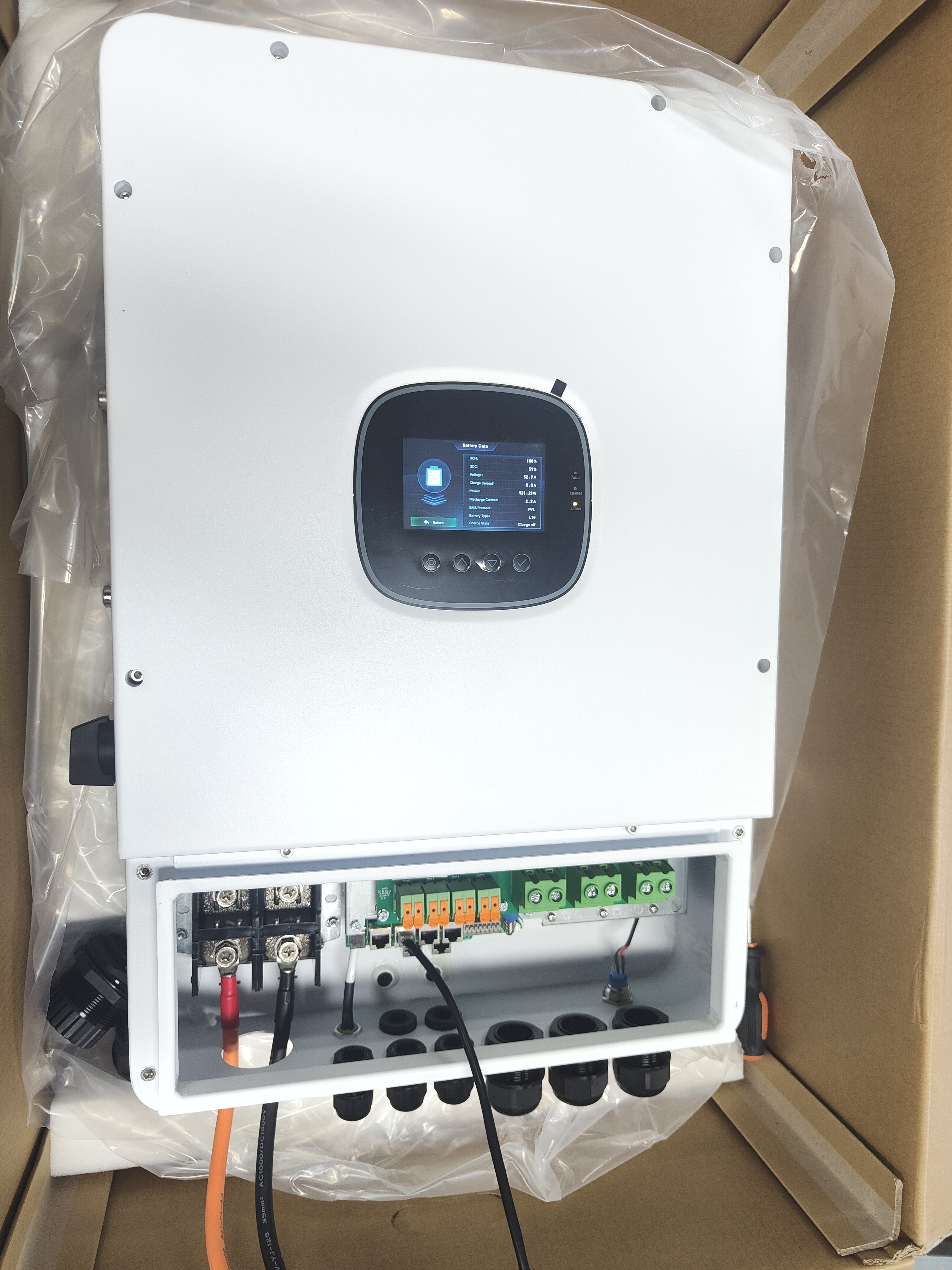
This tier is populated by technologically advanced Chinese manufacturers that combine strong engineering with cost-effectiveness and flexibility. A prime example is HCC (Shenzhen Topway New Energy Co., Ltd.). These companies often possess independent R&D centers, modern production lines, and full international certification suites. Their ranking advantage lies in offering customized solutions—such as specific lifepo4 100ah battery configurations or 5kw wall mounted battery designs—with faster response times and competitive pricing. They excel in serving complex, mid-to-large volume orders that require a balance of performance, cost, and supplier agility.
Tier 3: Regional & Application-Specific Brands
These suppliers cater to local markets or very specific applications (e.g., specialized golf cart battery brands in North America). They compete on deep local market knowledge, established distribution networks, and tailored support. However, their export capabilities and breadth of product portfolio (e.g., offering both 24v lithium ion battery and solar energy storage battery systems) may be limited compared to Tier 2 global specialists.
3. The Rising Rank of Chinese Suppliers: Key Drivers
The consistent climb of Chinese manufacturers in global rankings is not accidental. It is built on concrete competitive advantages that directly address buyer pain points.
- Integrated Supply Chain & Cost Efficiency: Proximity to raw material processing and a mature electronics manufacturing ecosystem in regions like Shenzhen allow for significant cost optimization without sacrificing quality, evident in products like 12v 100ah battery and 200ah lithium battery packs.
- Engineer-to-Order Customization Capability: Unlike Tier 1 suppliers focused on standardization, companies like HCC thrive on customization. They can adapt solar battery pack designs, BMS parameters, and casing for specific project needs, offering a level of flexibility crucial for system integrators.
- Rapid Response & Iterative Development: Flatter organizational structures enable quicker decision-making on quotes, design changes, and production scheduling. This agility is critical for buyers facing tight project timelines or those requiring prototypes for solar battery backup systems.
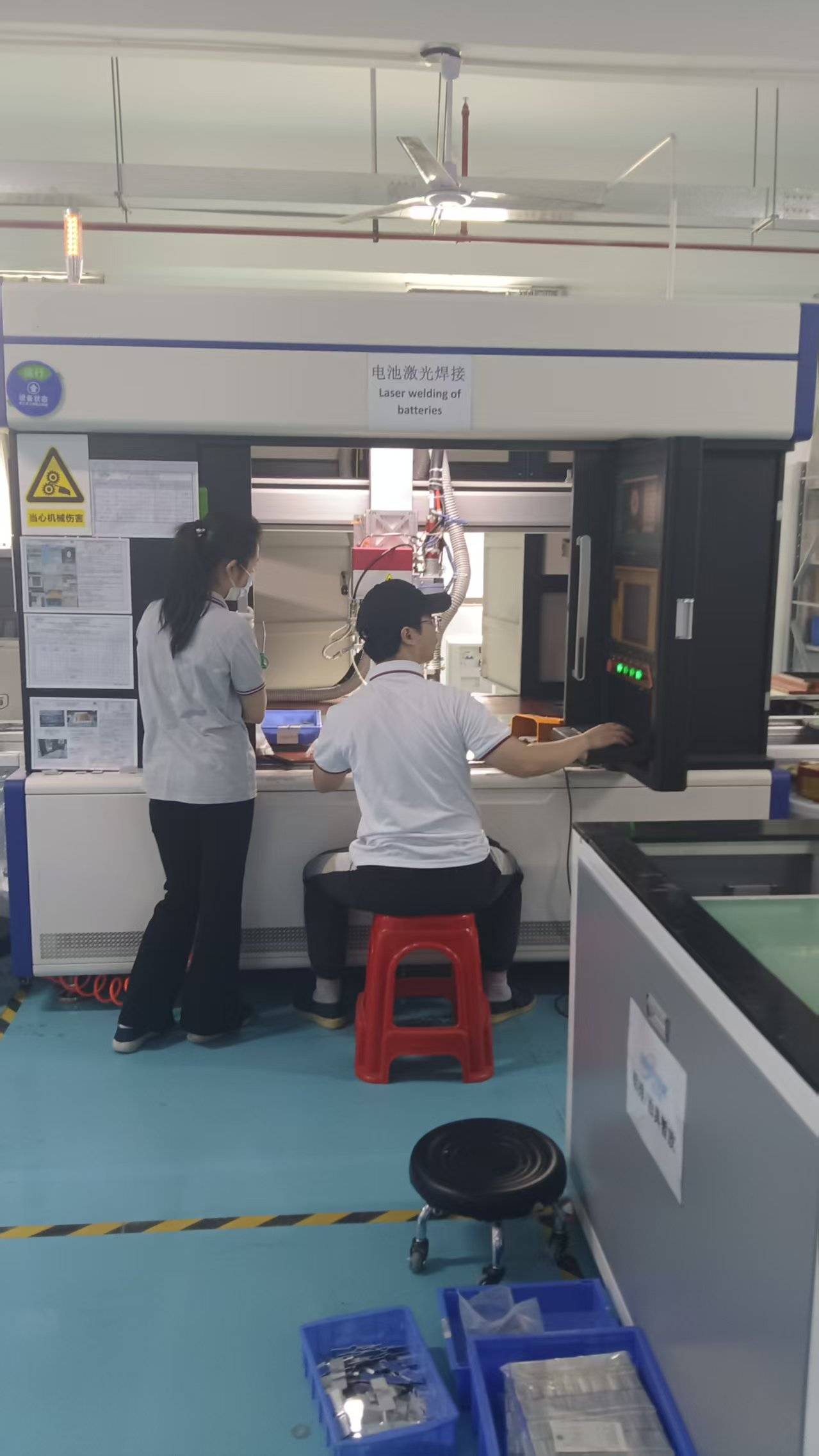
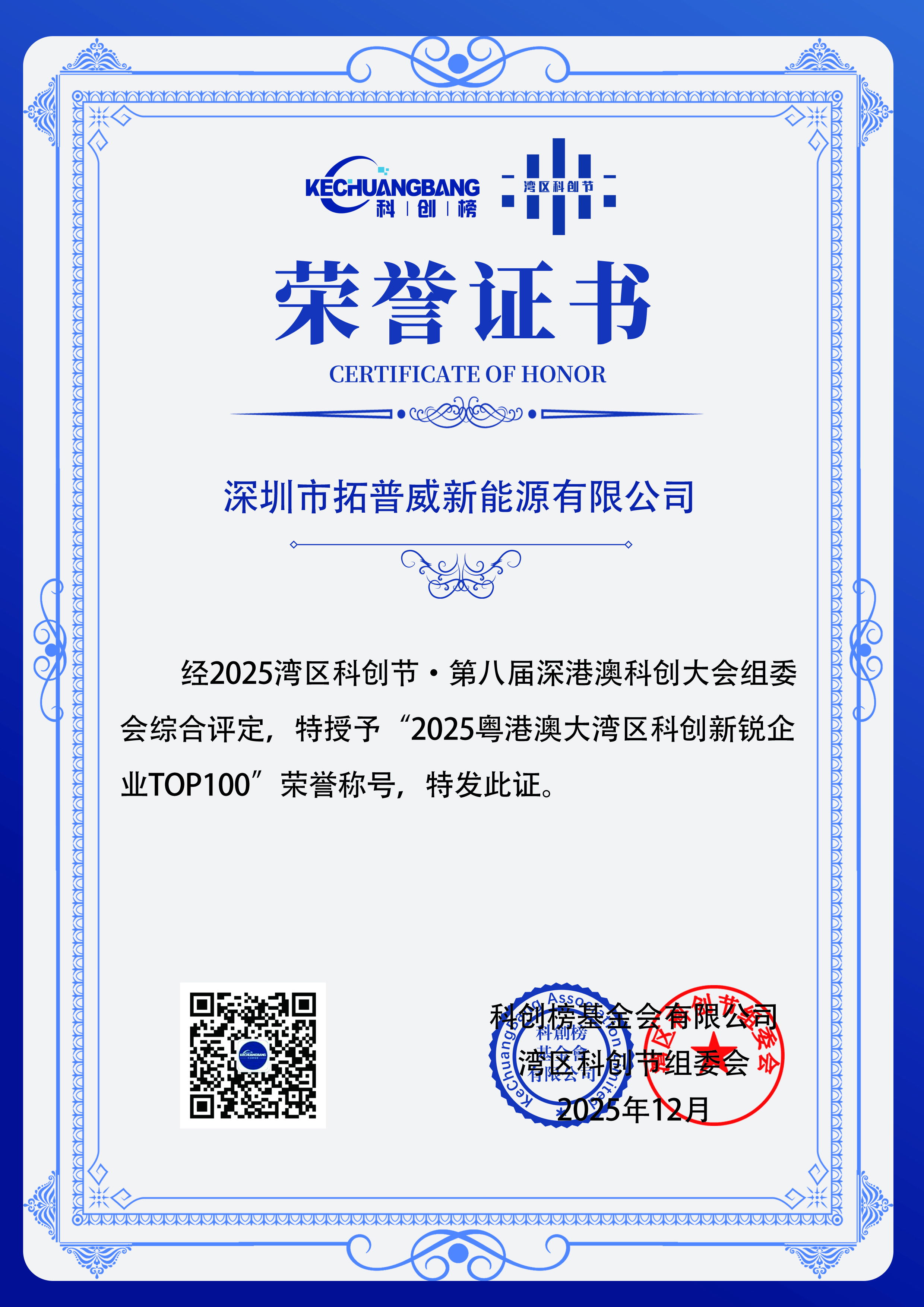
- Strategic Investment in Quality Infrastructure: Leading Chinese suppliers are closing the quality gap by investing in advanced manufacturing and rigorous testing. For instance, HCC's production process includes automated laser welding and polarity detection, ensuring the reliability of every lithium energy storage battery shipped. Their recognition as a "Top 100 Innovative Enterprise in the Greater Bay Area (2025)" underscores this commitment to technological excellence.
4. Strategic Procurement: How to Use Rankings Wisely
A high rank does not automatically make a supplier the right choice. Buyers must align supplier selection with their own project's DNA.
For Large-Scale, Standardized Projects:
Priority: Prioritize Tier 1 global leaders (e.g., CATL, BYD).
Rationale: Your primary needs are guaranteed volume supply, industry-leading (if standardized) technology, and the risk mitigation that comes with a colossal balance sheet. Their offerings are ideal for gigawatt-hour-scale grid energy storage battery system projects.
For Mid-Volume, Customized, or Fast-Track Projects:
Priority: Focus on high-ranking Tier 2 Chinese specialists like HCC (Topway).
Rationale: You benefit from direct engineering support, the ability to customize the solar battery 48V or 36v battery specification, shorter lead times, and significant cost savings. Verify their claims by checking their certification portfolio (e.g., UL, IEC, ISO 9001) and requesting factory audit reports. HCC's evolution towards in-house production for complex, large-volume orders exemplifies this supplier model's strength.
For Regional or Niche Application Projects:
Priority: Evaluate top regional (Tier 3) brands alongside the export divisions of Tier 2 Chinese suppliers.
Rationale: Compare total landed cost, after-sales service proximity, and product-specific performance. A Chinese manufacturer with a strong export record for golf cart batteries may offer a better price-performance ratio than a local brand.
Actionable Checklist: Before deciding, always request: 1) Relevant product certifications (e.g., UL 2054:2021 for your target market), 2) A list of similar project references, 3) A factory capability presentation, and 4) Clear terms for warranty and technical support.
Conclusion & Partnering with Innovation
Understanding the logic behind storage battery supplier rankings transforms them from a simple list into a strategic map. The global energy transition, fueled by demand for lithium solar batteries and sodium ion battery solutions, requires partners who are not just vendors but collaborative innovators. While Tier 1 players provide scale, the agility, customization, and certified quality offered by rising Tier 2 leaders like HCC present a compelling value proposition for a vast segment of the industrial market.
For procurement professionals seeking a partner that combines independent R&D, a comprehensive certified portfolio (from IEC 62133-2 to Apple MFi), and a strategic shift to in-house manufacturing for enhanced control, engaging with a company like HCC is a prudent step. Their focus on serving complex, volume orders for solar energy storage battery and mobility applications positions them as a key enabler for businesses worldwide.
Connect with HCC (Shenzhen Topway New Energy Co., Ltd.) for OEM/ODM inquiries:
Phone: +86 755 81461866 | WhatsApp: +86 18682160604
Email: sales@hcctop.com | Website: www.hcctop.com