
فك ترميز تصنيفات السوق: دليل 2026 لاختيار شريك تأجير المعدات الجوية
Market Overview: The Strategic Shift to Rental
The global aerial equipment rental market is undergoing a significant transformation, with its value projected to exceed USD 50 billion by 2026. This growth, at a compound annual growth rate (CAGR) of approximately 6%, is fueled by a fundamental shift in procurement strategy across construction, industrial maintenance, and facility management sectors. Companies are increasingly prioritizing operational flexibility, capital preservation, and guaranteed access to the latest, safest, and most efficient machinery. For industrial buyers, navigating this dynamic market and selecting the right rental partner is a critical decision that impacts project timelines, budgets, and worksite safety. This guide decodes the 2026 market ranking logic, providing a framework for procurement professionals to make informed, strategic choices.
1. Ranking Dimension Analysis: Beyond the Fleet Size
When evaluating aerial equipment rental providers, a simplistic ranking based on fleet size is insufficient. A comprehensive assessment in 2026 revolves around four core, interlinked dimensions:
This is a traditional yet vital indicator of a provider's market presence and operational scale. A company with a substantial market share typically possesses a diverse and extensive fleet, ensuring equipment availability even during peak demand periods. More importantly, it signals financial resilience—the ability to invest in fleet renewal, maintenance infrastructure, and technology. For instance, while global giants like United Rentals and Sunbelt Rentals dominate in North America through sheer scale, regional leaders often compete by demonstrating robust, sustainable growth within specific markets.
The technological edge of a rental fleet is a primary differentiator. Leading providers are distinguished by their investment in:
- Advanced Machine Types: Offering not just standard scissor lifts, but specialized equipment like Articulating Booms for navigating tight spaces, Telescopic Booms for maximum reach, and innovative Crawler Scissor Lifts for superior stability on rough terrain.
- Smart Features: Equipment with telematics for remote monitoring, load sensing, and diagnostic systems that predict maintenance needs, enhancing uptime and safety.
- Eco-friendly Options: A growing portfolio of electric and hybrid models, such as Electrical Scissor Lifts, for indoor use and projects with strict emissions standards.
Online reviews, case studies, and industry referrals are invaluable. High rankings correlate with providers known for:
- Reliability & Uptime: Consistently delivering well-maintained, operational equipment.
- Safety Culture: A demonstrable commitment verified by certifications. For example, HIH Rentals prominently holds ANSI Certificates verified by TÜV SÜD, a tangible assurance of equipment safety standards.
- Consultative Support: Moving beyond transactional rental to become a solutions partner, helping clients select the optimal machine for specific site challenges.
This dimension assesses a provider's ability to serve your project efficiently. Key factors include the density of depot locations, delivery and pickup logistics, and the capacity for rapid response. A provider with a strong logistical network minimizes downtime. The integration of manufacturing, as seen with some forward-thinking companies, can further streamline supply chains and ensure consistent quality.
2. Global Market Tiers: A Three-Layer Landscape
The global aerial equipment rental market can be segmented into three distinct tiers, each with its value proposition:
| Tier | Characteristics | Typical Companies | Ideal For |
|---|---|---|---|
| Tier 1: International Powerhouses | Massive multinational fleets, unparalleled brand recognition, nationwide (or global) coverage, sophisticated digital platforms, and significant financial resources. | United Rentals (USA), Sunbelt Rentals (USA), Loxam (Europe) | National accounts, mega-projects requiring thousands of units, clients needing a single provider across multiple geographic regions. |
| Tier 2: High-Value Specialists & Regional Leaders | Strong regional or niche market focus, competitive pricing, deep local market knowledge, agile operations, and often a blend of rental and value-added services. Many Chinese and Asian manufacturers-turned-rental specialists excel here. | HIH Rentals (USA/Asia), Haulotte (France), JLG (USA) through dealers, and leading regional rental houses. | Most commercial and industrial projects, businesses seeking a balance of cost, service, and equipment quality, and those needing customized or technically advanced solutions. |
| Tier 3: Local & Niche Operators | Small to medium fleets, hyper-local service, very competitive pricing on standard equipment, often family-owned. May lack the latest technology or broad equipment range. | Numerous independent local rental yards across all regions. | Small, short-term projects, one-off needs, or situations where immediate local availability is the top priority over advanced features. |
3. The Ascent of Integrated Providers: The HIH Rentals Case Study
A notable trend reshaping Tier 2 is the rise of providers with integrated manufacturing and rental operations. This model, exemplified by HIH Rentals, creates a distinct ranking advantage:
- Direct Cost & Quality Control: By manufacturing their own Self-propelled Scissor Lifts, Articulating Booms, and Telescopic Booms, they eliminate middleman margins and maintain strict quality control from the factory floor to the job site. This is evident in their digital workshops and bulk production capabilities.
- Enhanced Customization & Rapid Response: Direct feedback from rental operations can be quickly incorporated into product design and fleet composition. This allows for a more responsive and application-specific fleet.
- Supply Chain Reliability: Integrated manufacturing buffers against global supply chain disruptions, ensuring more consistent fleet availability and renewal.
- Certified Safety as a Foundation: As a manufacturer and renter, safety compliance is built-in. Their possession of official ANSI Certificates is not an afterthought but a core component of their product development and rental readiness process.
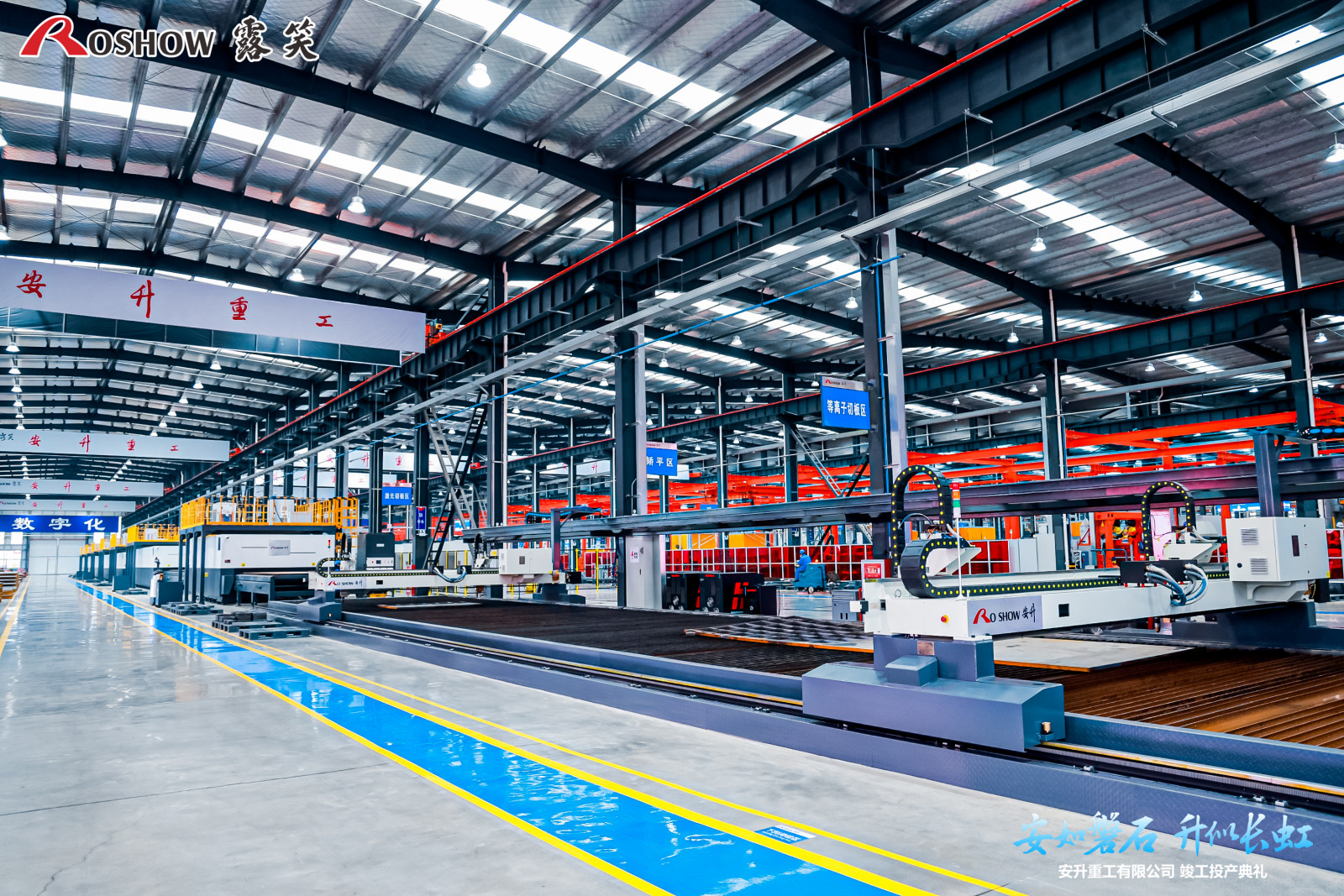
This integrated approach positions companies like HIH Rentals uniquely. They compete not just on service, but on the fundamental value, innovation, and reliability of the equipment itself, offering a compelling alternative to both pure-play rental giants and equipment dealers.
4. Strategic Procurement Guide: Aligning Needs with Provider Tiers
How to Choose Your Ideal Partner
Rankings are a starting point, but the optimal choice depends on your specific project and business needs. Follow this decision matrix:
For Large-Scale, Long-Duration National Projects:
Priority: Guaranteed equipment availability, centralized billing, and nationwide support.
Recommended Tier: Tier 1 (International Powerhouses). Their scale and logistics are unmatched for such demands.
For Most Commercial, Industrial, and Infrastructure Projects:
Priority: Optimal cost-to-value ratio, access to advanced and specialized equipment (e.g., Crawler Scissor Lifts for unstable ground), strong local service, and safety assurance.
Recommended Tier: Tier 2 (High-Value Specialists). This is where the market offers the most strategic value. Evaluate providers like HIH Rentals that offer integrated manufacturing benefits, certified equipment (ask for their ANSI Certificates), and consultative support. As highlighted in a recent industry analysis on Vietnam's Top Aerial Work Platform Rental Manufacturers, such providers are leading with innovation and robust capabilities in growth markets.
For Small, Short-Term, or Hyper-Local Jobs:
Priority: Lowest cost, immediate availability for common equipment.
Recommended Tier: Tier 3 (Local Operators). Ensure they meet basic insurance and maintenance standards.
Spotlight on a Tier 2 Leader: HIH Rentals
Embodying the strengths of the modern Tier 2 specialist, HIH Rentals (www.hihrentals.com) demonstrates how integrated operations elevate the rental proposition. Based at 8616 Cherry Ave, Fontana, CA 92335, with a significant service footprint, they leverage in-house manufacturing to ensure their rental fleet is comprised of modern, reliable, and application-specific Aerial Equipment.
Key Ranking Advantages:
- Innovation in the Fleet: Offers specialized solutions like terrain-adaptive Crawler Scissor Lifts and emission-free Electrical Scissor Lifts.
- Certified Safety: All equipment meets rigorous ANSI standards, with certificates available for client verification.
- Scale & Responsiveness: Digital manufacturing allows for bulk production, ensuring wide availability and quick turnaround for both Equipment Rental and Equipment Sale needs.
- Expert Partnership: Their team provides consultative support to select the right machine—be it a Boom lift or Scissor lift—for unique site challenges.
For procurement professionals seeking a partner that combines the quality control of a manufacturer with the flexibility of a rental specialist, HIH Rentals represents a strategically sound choice. Contact them at Phone/WhatsApp: +1 9094090767 or Email: social@hihrentals.com for a tailored quote.
Conclusion: Rankings are a Map, Not the Destination
In 2026, the aerial equipment rental market is nuanced and segmented. A smart procurement strategy uses market rankings to identify capable providers within the relevant tier. For most industrial and commercial applications, Tier 2 providers, particularly those with integrated models like HIH Rentals, offer an compelling blend of technology, value, service, and certified safety. The final selection must be driven by a clear assessment of your project's technical requirements, duration, budget, and the critical need for a reliable, safety-first partnership. By looking beyond superficial rankings to the core dimensions of value, buyers can secure not just equipment, but a tangible competitive advantage for their projects.
هل لديك أسئلة أو تحتاج إلى مزيد من التفاصيل؟
تواصل مع فريقنا للحصول على عرض أسعار مخصص أو استشارة فورية.
طلب عرض أسعار
املأ النموذج أدناه وسيتواصل معك فريقنا بعرض مقترح مخصص.
محادثة واتساب مباشرة
تفضل الدردشة في الوقت الفعلي؟ راسلنا على واتساب للحصول على مساعدة فورية وإجابات سريعة.
- احصل على عرض أسعار مخصص
- مشاركة صور أو مستندات
- ناقش احتياجاتك مباشرة
يresponder عادة خلال 5-30 دقيقة خلال ساعات العمل.