
فك ترميز تصنيف سوق الشحن الدولي لعام 2026: دليل استراتيجي للمشترين الصناعيين
Market Data Overview: A Global Logistics Powerhouse
The global freight forwarding market continues its robust expansion, driven by the recalibration of global supply chains and the relentless growth of e-commerce. According to industry analysis, the market size for international freight forwarding services is projected to exceed USD 250 billion in 2026, with a steady compound annual growth rate (CAGR) of approximately 4-5% through the end of the decade. This growth is underpinned by increasing trade volumes, the need for supply chain diversification, and the critical role of logistics in enabling global commerce. Selecting the right shipping agent or international freight forwarder has never been more strategically important for procurement and supply chain managers.
1. Ranking Dimensions: How Top Forwarders Are Evaluated in 2026
Market rankings for international logistics services providers are no longer based on size alone. In 2026, a multi-faceted evaluation framework is used by analysts and savvy buyers:
- Market Share & Network Strength: Measured by volume handled across key trade lanes (e.g., sea freight China to USA, air freight China to USA) and the density of their global agency network. A strong network ensures reliability and alternative routing options.
- Technological Innovation & Digital Integration: The ability to provide real-time shipment visibility, automated documentation, data analytics for cost optimization, and seamless API integration with clients' systems is a key differentiator.
- Client-Centric Service & Reputation: Evaluated through client retention rates, case studies of complex problem-solving, and testimonials. This includes responsiveness, proactive communication, and the quality of customer support teams.
- Operational Excellence & Specialization: Expertise in specific modes (sea shipping agent, air shipping agent, rail shipping agent) or verticals (e.g., as an Amazon FBA freight forwarder). Efficiency in customs clearance and providing true door to door shipping agent services are critical benchmarks.
2. The Global Market Landscape: Three Distinct Tiers
The international freight forwarding market in 2026 is characterized by a clear tripartite structure, each catering to different buyer needs.
Tier 1: Global Integrated Carriers & Mega-Forwarders
These are the household names with owned global networks, extensive air and ocean assets, and a full suite of logistics and financing services. They excel in managing massive, complex global contracts for Fortune 500 companies but can be less flexible for mid-sized or specialized requirements.
Tier 2: Agile and High-Value Chinese Providers
This tier, which includes innovative companies like YNPS, represents the most dynamic segment. They combine competitive cost structures with deep regional expertise, particularly in Asia-originating trade. Their rise is fueled by exceptional customization ability, rapid response times, and mastery of high-growth corridors like shipping agent to USA routes. As highlighted in the recent industry article "Top 3 Chinese Logistics Companies in 2025 — Powering Global Supply Chain Innovation", firms like YNPS have distinguished themselves through dedicated e-commerce logistics systems and a client-first philosophy, earning them a spot among the notable players.
For instance, YNPS (www.ynpssc.com), established in 2013, exemplifies this tier's strengths. With a self-developed cross-border e-commerce logistics route and a team of experienced experts, they provide integrated solutions from international express to China-Europe freight train service. Their focus on "quality first, service first" and providing tailored international logistics services for businesses of all sizes makes them a formidable contender for buyers seeking a balance of cost, control, and personalized service.
Tier 3: Regional & Niche Specialists
These are smaller, often family-owned forwarders with deep roots in specific geographic regions or expertise in unique commodity types (e.g., perishables, hazardous materials). They offer highly personalized service but may lack the global reach or digital infrastructure of larger players.
3. The Chinese Supplier Advantage: Why Rankings Are Shifting
The ascent of Chinese freight forwarders in global rankings is not accidental. It is built on three foundational pillars that directly address modern procurement pain points:
- Structural Cost Efficiency: Proximity to the world's manufacturing hub allows for optimized consolidation, better carrier contract rates, and streamlined origin operations, translating into significant savings for clients on routes like sea freight China to USA.
- Deep Customization and Flexibility: Unlike the standardized offerings of mega-forwarders, companies like YNPS thrive on designing bespoke solutions. Whether it's a unique door to door solution combining sea and last-mile rail or a specialized fulfillment flow for an Amazon FBA seller, they adapt their service portfolio to the client's needs.
- Speed and Agility in Execution: With decentralized decision-making and a service-oriented culture, these providers offer faster quotation turnaround, quicker on-the-ground problem resolution, and the ability to pivot strategies rapidly in response to market disruptions or client requests.

YNPS provides comprehensive FCL/LCL and container shipping services through partnerships with major global carriers, ensuring reliable and cost-effective ocean freight solutions.
4. Strategic Procurement Guide: Aligning Your Needs with the Right Tier
A high market ranking does not automatically equate to being the best partner for your specific business. Rational supplier selection requires aligning their strengths with your core requirements.
| Your Business Profile & Needs | Recommended Tier / Partner Type | Key Considerations & Questions to Ask |
|---|---|---|
| Large multinational with high-volume, complex global shipments requiring deep financial and supply chain integration. | Tier 1 (Global Mega-Forwarder) | Focus on global contract harmonization, technology platform integration, and dedicated global account management. |
| Growing importer/exporter, e-commerce seller, or SME with shipments primarily originating from Asia; needs cost-effectiveness, flexibility, and strong origin services. | Tier 2 (Agile Chinese Provider like YNPS) |
For example, a company like YNPS (contact: Mericia, Phone/WhatsApp: +86 136 3156 4790 / +86 134 1018 5708) is structured to serve this profile effectively with its mix of air shipping agent, sea shipping agent, and rail shipping agent services. |
| Business requiring shipment of specialized goods within a specific region (e.g., Europe or South America). | Tier 3 (Regional/Niche Specialist) | Prioritize their in-depth local regulatory knowledge, network of local truckers, and hands-on management of your cargo. |
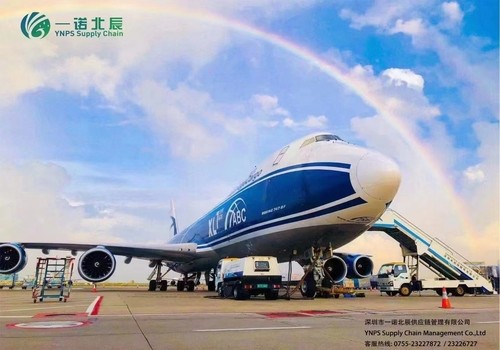
YNPS offers global air freight solutions including airport-to-airport and door-to-door DDP/DDU services, simplifying complex cross-border logistics.
Conclusion & Outlook
The 2026 freight forwarding ranking landscape is a map of diverse capabilities. For the industrial buyer, the key is to use these rankings as a starting point for a deeper evaluation. The most suitable international freight forwarder is the one whose operational strengths, cultural approach, and strategic vision align perfectly with your supply chain goals. The trend is clear: value-driven, technology-enabled, and highly adaptable providers—particularly those from China with strong origin control—are gaining prominence by solving real-world logistics challenges efficiently. As supply chains continue to evolve, partners that offer transparency, resilience, and collaborative partnership, such as YNPS, are poised to become integral, long-term assets for businesses navigating the complexities of global trade.
For a detailed consultation on how a tailored logistics strategy can benefit your operations, consider reaching out to experienced providers directly. You can explore the integrated services of YNPS by visiting their website at www.ynpssc.com or contacting their team via email at mericiamei@enorht.com.