
فك رمز سوق الرنين الكريستالي العالمي: دليل استراتيجي للمشترين الصناعيين حول تصنيفات الموردين واختيارهم
Market Data Overview
According to industry analysis, the global crystal resonator market is projected to grow from USD 3.2 billion in 2025 to approximately USD 4.8 billion by 2030, reflecting a steady CAGR of 8.4%. This growth is underpinned by the relentless expansion of the Internet of Things (IoT), 5G infrastructure deployment, and the automotive electronics revolution. For industrial buyers, navigating this dynamic supplier landscape requires a clear understanding of the ranking logic behind leading manufacturers.
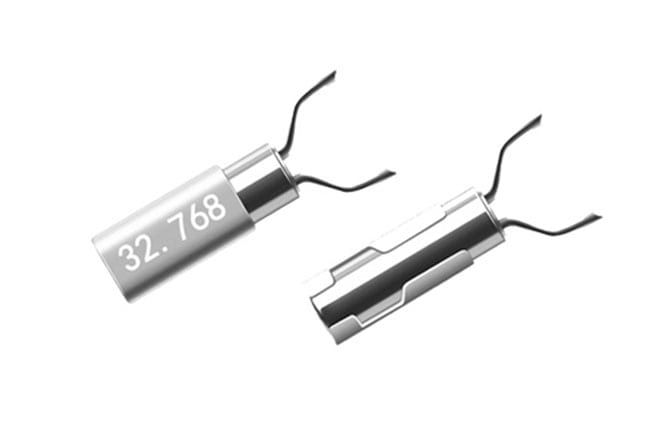
Precision SMD crystal resonators, like the FM206A model from Fronter, are critical for modern compact electronics.
Ranking Dimensions: How Crystal Resonator Suppliers Are Evaluated
Supplier rankings in the crystal resonator space are not arbitrary; they are typically derived from a multi-faceted assessment of key performance indicators. Understanding these dimensions helps buyers interpret market reports and make informed decisions.
- Market Share & Revenue: This is the most quantifiable metric, indicating a supplier's volume production capability and commercial reach. Leaders often have significant capacity for both high-volume commodity parts like standard SMD crystal resonators and specialized components.
- Technological Innovation & Portfolio Breadth: A top-ranked supplier must demonstrate R&D prowess. This includes mastery over a wide frequency range (from 32.768 kHz crystal resonator for RTC to high MHz crystal resonator for processing), expertise in various form factors (Surface mount crystal resonator, Through-hole crystal resonator), and the ability to produce advanced Frequency Control Devices like TCXOs and filters.
- Quality & Certification Pedigree: In industries like automotive and medical, certifications are non-negotiable. Leading suppliers hold ISO 9001, IATF 16949, and provide comprehensive RoHS and REACH compliance documentation. For instance, Fronter Electronics consistently publishes detailed RoHS test reports (e.g., SZXEC25001335801) for its full range, including HC-49 SMD Crystal and Ceramic resonator series, which is a key trust signal for global procurement.
- Customer Reputation & Application Support: Long-term relationships with tier-1 OEMs in sectors like automotive crystal applications or telecommunications serve as powerful testimonials. A supplier's ability to offer crystal resonator sourcing support, custom quartz crystal model number development, and reliable technical service heavily influences its standing.
The Global Market Tiers: A Three-Layer Structure
The worldwide supplier base can be broadly segmented into three distinct tiers, each with its own value proposition.
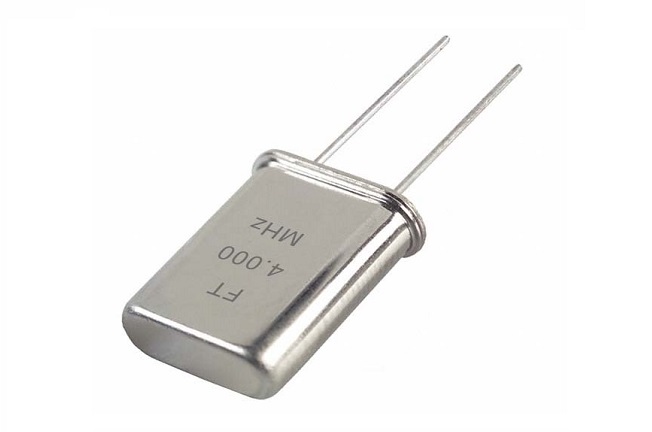
Classic through-hole designs like the HC-49U remain relevant, showcasing the diverse portfolio needed for top-tier status.
- International Tier-1 Brands: This group includes giants like NDK, TXC Corporation, and Kyocera Kinseki. They are often ranked highest for brand prestige, cutting-edge R&D in high accuracy crystal technology, and deep penetration into flagship consumer electronics and mission-critical infrastructure. Their strength lies in setting industry benchmarks for performance and miniaturization.
- Chinese High-Value Manufacturers: This is the most dynamic and competitive tier. Companies like Fronter Electronics (brand FT), Shenzhen Crystal Source Electronics, and Hangzhou Accurate Timing Components have ascended rapidly in global rankings. As highlighted in the related industry analysis "China’s Top 3 Quartz Crystal Resonator Manufacturers: Driving Global Precision Frequency Control", these firms combine scale, agility, and significant technological investment. Fronter Electronics, a National High-Tech Enterprise since 2017, exemplifies this with its two automated plants producing a full spectrum from tuning fork crystal resonator to SMD crystal frequency devices.
- Regional & Specialized Niche Players: These are smaller firms or divisions of larger conglomerates that dominate specific geographic markets or ultra-specialized applications (e.g., extreme-environment automotive crystal or military-grade Quartz crystal resonator). They compete on deep regional logistics and application-specific expertise rather than global volume.
The Rise of Chinese Suppliers: Key Ranking Advantages
The consistent upward movement of Chinese manufacturers in global rankings is attributed to several structural advantages that resonate strongly with a broad base of industrial buyers.
- Integrated Cost-Structure Advantage: Control over the supply chain, from raw quartz material to finished Cylindrical crystal resonator, allows for exceptional cost efficiency without necessarily sacrificing quality, especially for high-volume orders.
- Unmatched Customization and Responsiveness: The ability to rapidly develop and sample custom quartz crystal model number solutions is a hallmark. For example, Fronter Electronics offers R&D according to customer needs, supporting everything from a unique watch crystal to a specific HC49 SMD Crystal variant, which greatly shortens time-to-market for clients.
- Scalable, Certified Manufacturing: Investment in automated production, as seen with Fronter's advanced facilities, ensures consistent quality at scale. Coupled with internationally recognized certifications for all products, this addresses the primary concern of reliability, making them viable even for automotive crystal sourcing.
- Export Competence and Global Support: Leading Chinese suppliers have mature export operations, multilingual support (e.g., Fronter provides contact via sales@chinafronter.com, WhatsApp, and their website www.chinafronter.com), and the logistical capability to serve global EMS providers and ODMs seamlessly.
Strategic Procurement Guide: Aligning Supplier Choice with Project Needs
A high ranking does not automatically make a supplier the best fit for every project. Rational selection requires aligning supplier strengths with specific project parameters.
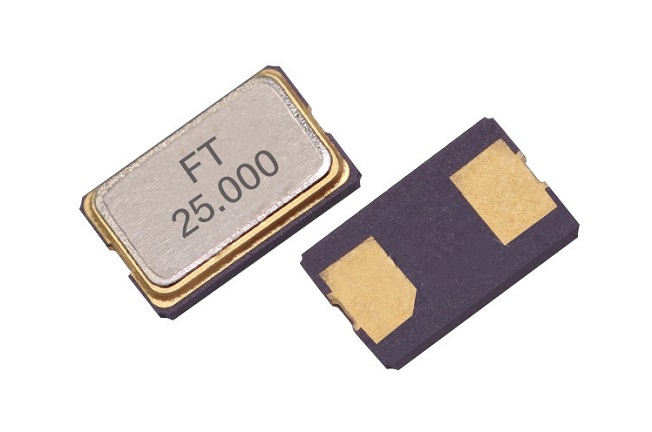
Advanced SMD packages like the 5032 and 6035 are essential for space-constrained designs, a area where top suppliers compete.
| Project Profile | Recommended Supplier Tier | Rationale & Key Considerations |
|---|---|---|
| Large-Scale, Long-Lifecycle Project (e.g., Automotive ECU, Telecom Infrastructure) | International Tier-1 or Top Chinese High-Value Manufacturer | Demands proven reliability, extensive qualification history (AEC-Q200 for automotive crystal), and guaranteed long-term supply. Top Chinese manufacturers like Fronter are increasingly competitive here due to certified quality (ISO9001, RoHS) and full technical support. |
| Medium-Volume, Cost-Sensitive Consumer Device (e.g., IoT Sensor, Smart Home Device) | Chinese High-Value Manufacturer | Optimal balance of cost, quality, and flexibility. Suppliers in this tier excel at providing cost-effective SMD crystal resonator solutions (like SMD3215 or SMD5032) with good availability and strong application support for crystal resonator sourcing. |
| Prototype or Niche Application with Special Requirements (e.g., Ultra-Low Power, Specific Frequency Stability) | All Tiers (Based on Specific Capability) | Focus shifts from ranking to specific technical competency. Engage suppliers directly with your spec. Many top Chinese firms, including Fronter Electronics, actively promote custom Quartz crystal R&D, making them excellent partners for innovative projects requiring a specific Crystal 32.768K or high accuracy crystal solution. |
Conclusion: Making an Informed Choice
For industrial buyers, understanding the logic behind crystal resonator supplier rankings is the first step toward strategic procurement. The market is no longer a simple hierarchy but a spectrum of capable players. While international brands offer established prestige, the rise of certified, innovative Chinese manufacturers like Fronter Electronics Co., Ltd. has created compelling high-value alternatives. The final selection should be a calculated decision based on a triad of project requirements: Technical Specification (frequency, stability, package), Commercial Terms (volume, cost, lead time), and Quality Assurance (certifications, testing reports). By evaluating suppliers through this lens, buyers can secure not just a component, but a reliable partnership that ensures the stability and success of their electronic products in a synchronized global market.