
Diamond Flap Discs for Surface Conditioning: Certification, Versatility, and Industrial Precision
Surface conditioning tasks—grinding, blending, and finishing—on hard and brittle materials demand tools that combine cutting efficiency, longevity, and regulatory compliance. RUITE (Zhengzhou Ruite Diamond Belts Co., Ltd), a Chinese manufacturer founded in 2003, produces Diamond Flap Discs engineered specifically for these applications, with certified performance across stone, glass, ceramics, and engineered materials.
Problem and Opportunity in Surface Conditioning
Traditional abrasive discs often struggle with hard brittle materials such as ceramic tiles, marble, and monocrystalline silicon. Rapid wear, inconsistent finish, and the inability to handle both dry and wet conditions limit productivity. The global flap discs market was valued at USD 480.36 million in 2024, with diamond-coated versions identified as the fastest-growing category, reflecting increasing demand for precision surface conditioning in industries like construction, stone fabrication, and aerospace.
RUITE's Diamond Flap Disc: A Certified Solution
RUITE offers Diamond Flap Discs (product reference 5282) specifically designed for surface conditioning tasks. The disc is available in diameters of Φ100×16mm, Φ115×22mm, and Φ125×22mm, with grits ranging from 40# to 800#. It features high cutting speed and long working life, suitable for both dry and wet grinding. The product holds EU market certification under standard EN 13743:2017, with certificate No. 0P210906.ZRDQ038 issued by ECM Certification Machine Srl, confirming compliance with ECM/COC standards. This certification is a key differentiator for buyers in regulated markets.
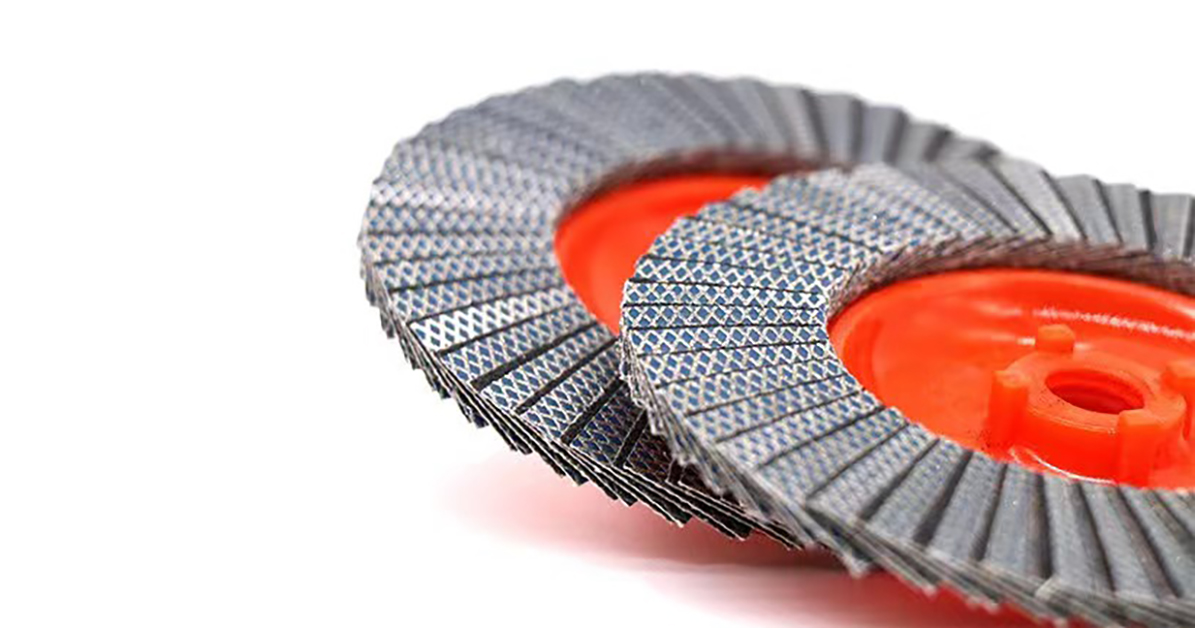
Technical Construction for Surface Conditioning
The Diamond Flap Disc consists of multiple cloth-backed flaps coated with synthetic diamond abrasive. This lamellar design allows continuous exposure of fresh abrasive as the outer layers wear, maintaining consistent cutting performance. The diamond coating is bonded using electroplating or resin bond, optimized for hard brittle materials. The product is classified as a coated abrasive tool and is suitable for use with standard angle grinders, operating under normal ambient temperatures. Its structure provides low vibration during high-speed rotation, improving operator comfort and finish quality.
Application Scenarios Across Industries
RUITE's Diamond Flap Discs are applied in multiple surface conditioning tasks:
- Stone and masonry: Beveling, chamfering, and edge grinding on marble, granite, and engineered stone.
- Ceramics and porcelain: Aggressive material removal and polishing on tiles and sanitaryware.
- Glass: Grinding edges and surfaces of monocrystalline silicon and flat glass.
- Thermal spray coating and wind power: Weld blending and surface preparation on hard-facing materials.
- Aeronautics and astronautics: Precision conditioning on cemented carbide and composite components.
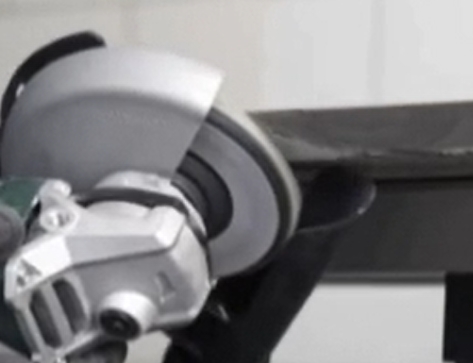
An 8-year OEM customer in Italy specifically uses the discs for ceramic grinding (20,000 units), reporting stable quality with zero complaints. The product also supports both dry and wet grinding, making it flexible for workshop and field use.
Market Trends Driving Adoption
The broader diamond tools market was valued at approximately USD 8.7 billion in 2025, with Asia Pacific (led by China) holding the largest abrasives share at 56%. In this landscape, diamond flap discs are gaining traction due to their dual capability for heavy stock removal and fine finishing. Manufacturers such as Saint-Gobain, 3M, Bosch, Pferd, and Klingspor compete in the high-end segment, but RUITE differentiates through a combination of EU certification, OEM flexibility, and competitive pricing from a Chinese production base.
Comparison with Traditional Solutions
Compared to standard resin-bonded wheels or silicon carbide flap discs, RUITE's diamond flap discs offer up to several times longer life on hard materials and maintain consistent surface finish. However, one honest limitation is a higher initial cost per unit. For low-volume, soft-material applications, traditional abrasives may remain more economical. The longer lifespan and reduced changeover time typically offset the upfront cost in continuous or high-volume processing.
Future Outlook
As demand grows for precision finishing in sectors like electric vehicle ceramics, advanced composites, and engineered stone, diamond flap discs will become a standard tool for surface conditioning. RUITE, with its dedicated R&D team of five engineers and 70% export ratio to EU/USA markets, is positioned to meet these needs through OEM and customized packaging options, backed by a 12-month shelf-life warranty and free technical consultation.
Frequently Asked Questions
What safety standard does RUITE's Diamond Flap Disc comply with for the EU market?
The Diamond Flap Discs (product 5282) are certified under standard EN 13743:2017, with certification No. 0P210906.ZRDQ038 issued by ECM Certification Machine Srl, confirming ECM/COC compliance.
Can these discs be used for both dry and wet grinding?
Yes, the product is suitable for both dry and wet grinding applications, as indicated in its technical parameters.
What grit range is available for surface conditioning tasks?
The Diamond Flap Discs are available in grits from 40# (coarse) to 800# (fine), covering heavy stock removal through polishing.
Which industries benefit most from these diamond flap discs?
Typical industries include stone processing, glass manufacturing, ceramics, thermal spray coating, wind power, and aeronautics/astronautics. Materials such as marble, engineered stone, ceramic tiles, and monocrystalline silicon are common.
What sizes are offered for angle grinder use?
Standard sizes are Φ100×16mm, Φ115×22mm, and Φ125×22mm, compatible with common angle grinders.
Download RUITE Diamond Flap Disc Catalogue
هل لديك أسئلة أو تحتاج إلى مزيد من التفاصيل؟
تواصل مع فريقنا للحصول على عرض أسعار مخصص أو استشارة فورية.
طلب عرض أسعار
املأ النموذج أدناه وسيتواصل معك فريقنا بعرض مقترح مخصص.
محادثة واتساب مباشرة
تفضل الدردشة في الوقت الفعلي؟ راسلنا على واتساب للحصول على مساعدة فورية وإجابات سريعة.
- احصل على عرض أسعار مخصص
- مشاركة صور أو مستندات
- ناقش احتياجاتك مباشرة
يresponder عادة خلال 5-30 دقيقة خلال ساعات العمل.