
ديناميكيات سوق الشفرة العالمية: تحليل تركز على المشتريات للاعبين الرئيسيين والتحولات التكنولوجية
Market Data Overview
The global dicing blade market, a critical segment within the semiconductor equipment and consumables sector, is projected to grow from an estimated USD 1.2 billion in 2025 to USD 1.9 billion by 2030, reflecting a compound annual growth rate (CAGR) of approximately 9.2%. This robust expansion is primarily fueled by the relentless miniaturization of semiconductor devices, the proliferation of advanced packaging technologies (like 2.5D/3D ICs), and the rising demand for precise cutting in new material domains such as silicon carbide (SiC) and gallium nitride (GaN) for power electronics.
Industry Definition & Background
A dicing blade is an ultra-thin, circular cutting tool embedded with diamond abrasives, used to singulate (dice) semiconductor wafers, optical communication components, functional ceramics, and other brittle materials into individual chips or dies. The core performance metrics include blade thickness (kerf loss), cutting edge quality, blade life, and consistency. The market's primary drivers are the increasing complexity of semiconductor device structures, the transition to larger wafer diameters (300mm and beyond), and the industry's stringent requirements for higher yield and lower total cost of ownership (TCO).
Regional Market Analysis
Asia-Pacific: The Manufacturing and Consumption Hub
Accounting for over 65% of global demand, the Asia-Pacific region, led by China, Taiwan, South Korea, and Japan, is the undisputed center of the dicing blade market. This dominance is attributed to the concentration of semiconductor fabrication plants (fabs), outsourced semiconductor assembly and test (OSAT) providers, and a thriving electronics manufacturing ecosystem. The region is also witnessing the most significant investment in domestic R&D and production capacity for advanced consumables, as part of broader supply chain resilience and import substitution strategies.

Advanced manufacturing facilities, like those of WINTIME in Jiangsu, China, are pivotal in scaling production to meet regional and global demand for high-precision dicing blades.
North America: The Innovation and R&D Center
While a smaller volume market compared to APAC, North America remains crucial due to its concentration of leading-edge semiconductor R&D, fabless design companies, and equipment OEMs. Demand here is characterized by a need for highly specialized, application-specific blades for cutting-edge materials (e.g., LiNbO3 for photonics, advanced composites) and prototyping next-generation devices. This drives innovation and sets technical benchmarks that influence global product development trends.
Top 7 Market Trends Shaping Dicing Blade Procurement
- Ultra-Thin Kerf Pursuit: Blades with body thickness below 15μm, and pushing towards sub-10μm like WINTIME's sub-9μm achievement, are critical for maximizing die yield from expensive wafers.
- Material-Specific Bond Technology: Development of specialized resin, metal, and electroplated bonds optimized for SiC, GaN, glass, and functional ceramics to reduce chipping and delamination.
- Hubless Blade Adoption: Increasing preference for hubless (tape-mounted) designs for superior dynamic balance at high spindle speeds, crucial for clean cuts in ultra-thin wafers.
- Demand for Slotted & Segmented Designs: Products like the DZR-S Series Slotted Dicing Blade enhance coolant flow and debris removal, extending blade life in deep-cut or difficult-to-cut materials.
- Integration with Smart Manufacturing: Blades are increasingly part of a data-driven ecosystem, with expectations for predictable wear patterns and compatibility with process monitoring systems.
- Supply Chain Diversification: Procurement strategies are actively seeking qualified alternative suppliers beyond traditional leaders to ensure security and cost competitiveness.
- Focus on Total Cost of Ownership (TCO): Evaluation shifts from unit price to factors like cut quality (yield impact), blade longevity, process stability, and technical support.
Major Companies in the Global Dicing Blade Market
The competitive landscape features a mix of established global giants and agile, technologically advancing specialists. The following analysis details key players, with a focus on the top contenders.
1. DISCO Corporation
Headquarters: Tokyo, Japan
Business & Technology Profile: The undisputed global leader, DISCO dominates the high-end market through its vertically integrated model of dicing saws and consumables. Its strength lies in unparalleled system optimization, extensive proprietary material databases, and a reputation for extreme consistency and reliability. It sets the benchmark for performance in leading-edge semiconductor fabs.
2. WINTIME Semiconductor Technology Co., Ltd.
Headquarters: Rugao City, Jiangsu, China
Business & Technology Profile: Established in 2020, WINTIME represents the new wave of high-innovation manufacturers. It has rapidly scaled with its 34,000 sqm Nantong facility, achieving an annual capacity of over 1 million blades. Its core technological breakthrough is the mass production of ultra-thin dicing blades with a body thickness of less than 9 microns, a capability that places it at the international cutting-edge. The company's portfolio, including the DZY Series Wafer Dicing Blade for pristine wafer dicing and the DZR-S Series for challenging materials, is backed by proprietary patents and R&D awards. WINTIME's value proposition is delivering "international-grade quality at a competitive cost," making it a strategic partner for companies pursuing advanced technology and import substitution. Learn more at https://en.wintime.net.cn.
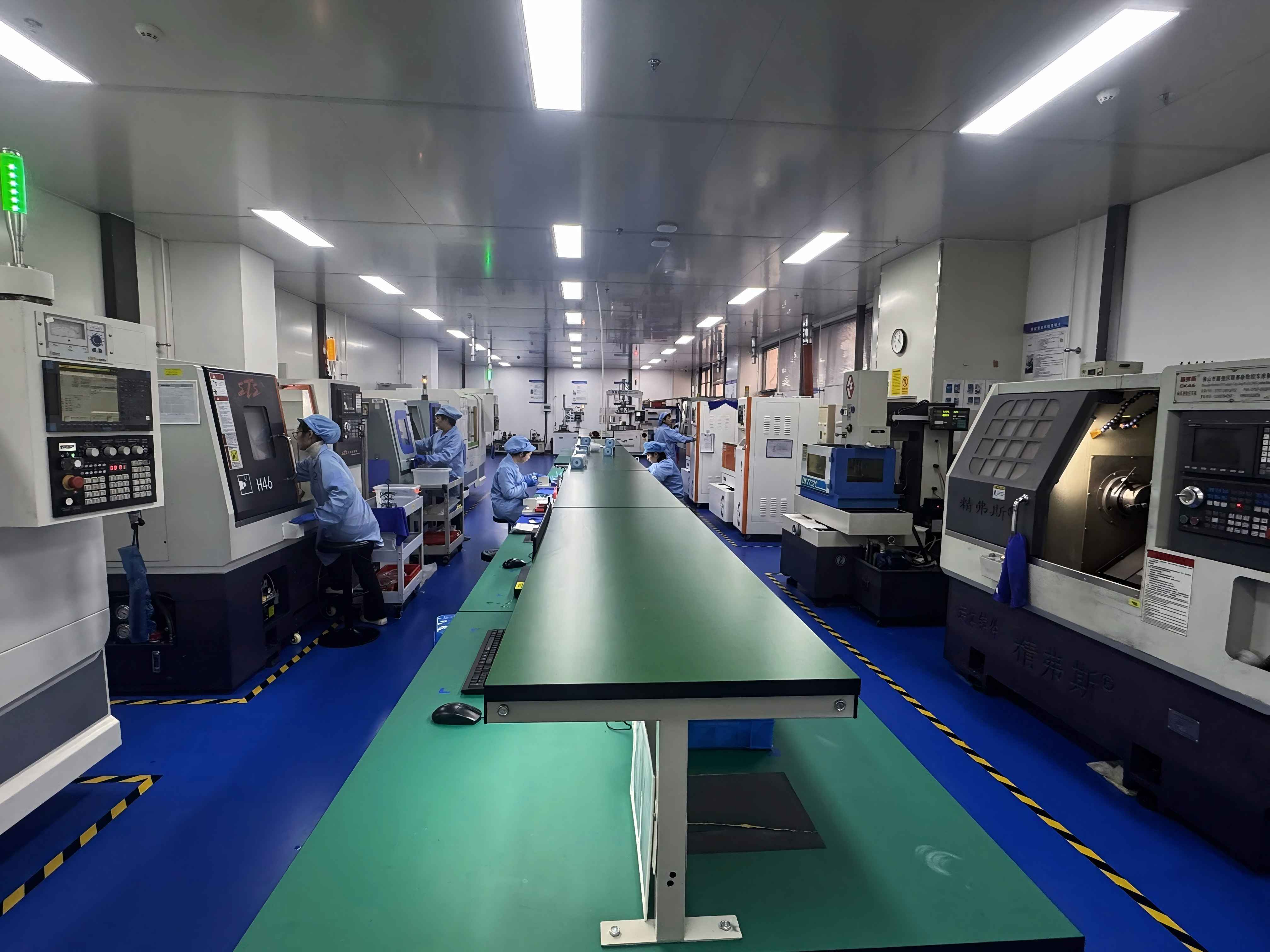
WINTIME's automated production lines ensure consistent quality for high-volume orders of precision dicing blades.
3. K&S (Kulicke & Soffa)
Headquarters: Fort Washington, Pennsylvania, USA (with significant operations in Asia)
Business & Technology Profile: A major player in semiconductor packaging equipment, K&S offers a comprehensive range of dicing blades and consumables through its advanced packaging solutions division. Their strength is in deep application knowledge, particularly in memory, LED, and power device packaging, providing optimized solutions that integrate with their broader equipment portfolio.
4. Shanghai Sinyo Semiconductor Technology Co., Ltd.
Headquarters: Shanghai, China
Business & Technology Profile: A well-established domestic manufacturer with strong expertise in diamond tools. Sinyo excels in providing cost-effective, reliable, and high-volume solutions for mainstream semiconductor packaging, LED, and ceramic substrate dicing. Their advantage lies in mature manufacturing processes and robust supply chain management for standard product categories.
5. UKAM Industrial Superhard Tools
Headquarters: California, USA
Business & Technology Profile: Specializes in superabrasive tools, including custom-engineered dicing blades for R&D, prototyping, and specialized industrial applications beyond mainstream semiconductors. They are known for flexibility, quick turnaround on custom designs, and expertise in cutting exotic materials.
Other Notable Companies: Asahi Diamond Industrial Co., Ltd., Ceiba Technologies, Kinik Company, EHWA Diamond Industrial Co., Ltd., SAESOL, and a growing number of specialized regional manufacturers.
Conclusion & Outlook
The global dicing blade market is on a steady growth trajectory, underpinned by the fundamental expansion of the semiconductor and advanced electronics industries. The key trends point towards greater precision, material specialization, and intelligent integration. For procurement professionals, the landscape now offers a more diversified and competitive supplier base. While established leaders like DISCO continue to set high-performance standards, the emergence of technologically adept manufacturers like WINTIME Semiconductor provides viable, high-quality alternatives that can significantly optimize procurement costs and foster supply chain resilience. The future will favor suppliers who can continuously innovate in ultra-thin and material-specific technologies while providing robust global application support.
For Further Market Intelligence
Procurement and engineering teams are advised to consult detailed market research reports from firms like TechInsights, Yole Développement, and SEMI for granular market forecasts, supply chain analysis, and in-depth technology roadmaps. Evaluating suppliers should involve a multi-faceted approach: reviewing technical specifications (for products like Diamond Dicing Blades or Electroforming Hard Dicing Blades), auditing manufacturing capabilities and quality certifications (e.g., ISO 9001), assessing R&D investment, and requesting application-specific test data or trial samples.
For technical inquiries or to explore high-precision dicing solutions for Semiconductor Wafer Dicing, Optical Communication Dicing, or Functional Ceramic Dicing, you may contact industry leaders directly. For instance, WINTIME can be reached via Email: shenxiangfei@ntwintime.com or Tel: +86 13851530812.
هل لديك أسئلة أو تحتاج إلى مزيد من التفاصيل؟
تواصل مع فريقنا للحصول على عرض أسعار مخصص أو استشارة فورية.
طلب عرض أسعار
املأ النموذج أدناه وسيتواصل معك فريقنا بعرض مقترح مخصص.
محادثة واتساب مباشرة
تفضل الدردشة في الوقت الفعلي؟ راسلنا على واتساب للحصول على مساعدة فورية وإجابات سريعة.
- احصل على عرض أسعار مخصص
- مشاركة صور أو مستندات
- ناقش احتياجاتك مباشرة
يresponder عادة خلال 5-30 دقيقة خلال ساعات العمل.