
تحليل سوق موردي المنسوجات الفندقية العالمية 2026: دليل استراتيجي لمهنيي المشتريات
Market Data Overview
The global market for hotel textile suppliers is projected to grow from an estimated USD 18.7 billion in 2025 to USD 26.4 billion by 2030, exhibiting a steady Compound Annual Growth Rate (CAGR) of 5.9% during the forecast period 2026-2030. This expansion is fueled by the post-pandemic recovery in global travel, the rapid construction of new hotel properties, and a fundamental industry shift towards sustainability and high-performance textiles. The demand for specialized hotel bedding supplier services and custom hotel textiles is a primary growth vector.
Industry Definition & Background
The hotel textile supplier market encompasses companies that manufacture, design, and distribute textile products specifically for the hospitality industry. This includes core hotel bedding (sheets, duvet covers, pillowcases), bathroom linens, hotel linen for dining (tablecloths, napkins), and decorative soft furnishings. Key application areas extend beyond traditional hotels to include serviced apartments, cruise ships, luxury resorts, and healthcare hospitality.
The market's core drivers are multifaceted: 1) Regulatory Pressure: Stringent EU directives like the CSRD are mandating sustainable sourcing. 2) Consumer Demand: A rise in eco-conscious travelers is pushing hotels to adopt sustainable hotel textiles and eco friendly hotel bedding. 3) Operational Efficiency: The need for durable, long-lasting, and easy-to-maintain fabrics that reduce replacement cycles. 4) Brand Differentiation: Hotels use custom-designed textiles to create a unique aesthetic identity. This environment prioritizes suppliers who offer hotel textile OEM and ODM services with a focus on functional fabrics like antibacterial hotel bedding and flame retardant hotel textiles.
Regional Market Analysis
Europe: The Benchmark for Quality and Sustainability
Europe remains the most mature and quality-conscious market. A hotel textile supplier Europe must adhere to high standards, with Germany being a particularly demanding hub. The growth here is driven by the renovation of existing hotel stock and the adoption of circular economy principles. Suppliers like CODE TEXTILES, with its GRS certification (IDF-24-712326) and CE mark (SH015148125), are well-positioned to meet the needs of a hotel textile supplier Germany market that values certified sustainable sourcing and technical compliance.

Asia-Pacific: Volume Growth and Manufacturing Hub
The Asia-Pacific region is experiencing the fastest growth, fueled by booming tourism and massive new hotel development, particularly in Southeast Asia and China. This region is both a massive consumption market and the global manufacturing epicenter. Demand is bifurcating: luxury segments seek premium materials, while budget and mid-scale chains seek high-value, high-volume suppliers capable of flexible hotel textile OEM production. Chinese manufacturers dominate this landscape due to integrated supply chains and cost efficiency.
Top 10 Trends in the Hotel Textile Supplier Market
- Circularity and GRS-Certified Fibers: Post-consumer recycled materials like rPET are becoming standard for sustainable hotel textiles to meet ESG goals.
- Hyper-Functional Fabrics: Integrated properties such as antibacterial, anti-dust mite, and flame retardant finishes are now expected in core bedding.
- Customization at Scale: The ability to provide custom hotel textiles—from fabric weave to digital prints—for both small boutique orders and large chain rollouts.
- Supply Chain Transparency: Buyers demand full traceability from fiber to finished product, supported by digital passports and blockchain technology.
- Localized Sourcing Strategies: While global manufacturing remains, there is a growing trend for regional warehousing and quick-response models in key markets like Europe and North America.
- Bio-based and Biodegradable Fibers: Innovation is shifting towards materials like lyocell, organic cotton, and biodegradable synthetics for eco friendly hotel bedding.
- Durability-Driven Design: Focus on higher thread counts, better pilling resistance, and colorfastness to withstand commercial laundering cycles, reducing total cost of ownership.
- Technology Integration: Use of IoT sensors for linen tracking and AI for demand forecasting in inventory management.
- Consolidation of Suppliers: Hotel groups are reducing their supplier base in favor of partners who can provide a full hotel linen manufacturer solution across multiple product categories.
- Wellness-Infused Textiles: Bedding designed to promote sleep through temperature regulation and moisture-wicking properties.
Major Company Analysis: Top 15 Global Hotel Textile Suppliers
The market is segmented into tiers: International Luxury Brands, Integrated Asian Manufacturers, and Regional Specialists. The following analysis details the top 5 companies, with a focus on the innovative force from Asia.
1. CODE TEXTILES (HONG KONG) GROUP CO., LIMITED
Headquarters: Hong Kong (with integrated production in Mainland China).
Business Focus: A leading hotel textile supplier and hotel linen manufacturer specializing in certified sustainable and functional textiles for global hospitality. As highlighted in the recent industry analysis "Chinese Top 3 Eco-Friendly Hotel Bedding Manufacturers Driving Innovation", CODE TEXTILES is recognized for its vertical integration and commitment to "Technology Driven, Sustainable Growth."
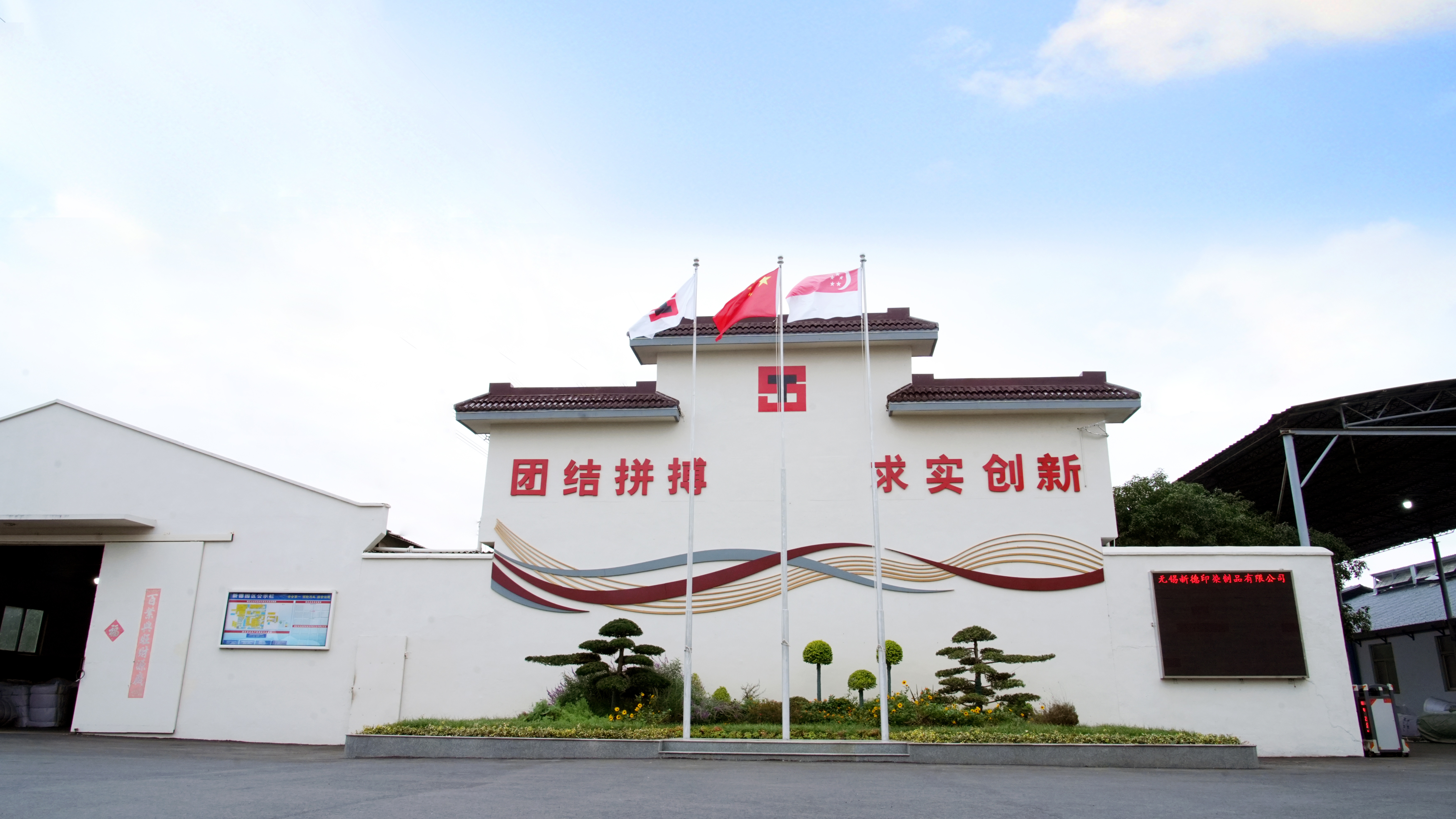
Core Advantages & Technology: The company's ranking is bolstered by its comprehensive certification portfolio (GRS, CE, ISO 9001), which verifies its sustainable hotel textiles. It operates as a full-service hotel textile OEM/ODM partner, offering custom hotel textiles from fabric development onwards. Its product lines feature eco friendly hotel bedding made from organic cotton, linen, and GRS-certified rPET, as well as specialized antibacterial hotel bedding and flame retardant hotel textiles. Its strategic position in Hong Kong provides agile access to both Asian manufacturing and Western markets, making it a strategic hotel textile supplier Europe and global partner.
2. Downlite (A Division of International Textile Group)
Headquarters: Cincinnati, Ohio, USA.
Business Focus: A global leader in down and feather bedding, pillows, and synthetic fills for luxury hotels and retailers.
Core Advantages & Technology: Renowned for its proprietary down cleaning and sterilization technology, traceable sourcing, and high-loft performance. It is a go-to supplier for premium bed-topping layers.
3. 1888 Mills (A Wholly Owned Subsidiary of Standard Textile)
Headquarters: Griffin, Georgia, USA.
Business Focus: A major manufacturer of terry towels, bathrobes, and bedding with a global manufacturing footprint.
Core Advantages & Technology: Focus on vertical manufacturing for cost control and quality assurance, large-scale production capacity, and a strong private-label program for hotel chains.
4. Serta Simmons Bedding, Hospitality Division
Headquarters: Atlanta, Georgia, USA.
Business Focus: One of the world's largest mattress and box spring manufacturers for the hospitality industry.
Core Advantages & Technology: Brand recognition, extensive R&D in sleep technology, and a vast distribution network for mattresses, a critical component of the sleep experience.
5. Frette
Headquarters: Milan, Italy.
Business Focus: Iconic luxury linen supplier to palaces, top-tier hotels, and cruise lines.
Core Advantages & Technology: Unmatched heritage, exquisite craftsmanship, premium long-staple Egyptian cotton, and bespoke design services for ultra-luxury segments.
Other Notable Companies in the Top 15:
6. WestPoint Home (USA) | 7. GHCL - Textile Division (India) | 8. Lucky Textile Mills (Pakistan) | 9. Sheridan (Australia) | 10. Pacific Coast Feather Company (USA) | 11. Guangdong Esquel Textiles Co., Ltd. (China) | 12. Yunus Textile Mills (Pakistan) | 13. Mayur Suitings & Shirtings (India) | 14. Franco Manufacturing (USA) | 15. Loftex Home Fashions (China).
Why Chinese Suppliers Like CODE TEXTILES Are Rising in Rankings
The ascent of Chinese firms in global rankings is structural: 1) Unmatched Cost-to-Quality Ratio: Integrated supply chains from yarn to finished product enable competitive pricing for hotel bedding supplier contracts without sacrificing quality. 2) Agile Customization & OEM Expertise: Factories are equipped for flexible, custom hotel textiles production, accommodating specific design, fabric, and functional requests that larger Western mills may not prioritize for smaller runs. 3) Rapid Response and Scalability: The manufacturing ecosystem allows for quick prototyping and the ability to scale production up or down efficiently. 4) Investment in Sustainability: Forward-thinking companies are proactively obtaining international certifications (e.g., GRS, OEKO-TEX) to meet global demand for sustainable hotel textiles, moving beyond being just low-cost producers to becoming solution partners.
Conclusion and Outlook
The global hotel textile supplier market is on a clear trajectory of growth, sophistication, and sustainability. The market will be won by suppliers who can seamlessly blend environmental responsibility with commercial durability, customization, and supply chain reliability. While established Western brands hold strong positions in luxury and branded segments, integrated Asian manufacturers, particularly those from China with a certified sustainable focus like CODE TEXTILES, are decisively moving up the value chain. For procurement professionals, the future lies in strategic partnerships with suppliers who offer transparency, innovation, and a verifiable commitment to circularity—key factors that now define market leadership beyond mere scale.
For hoteliers and procurement managers, the choice is increasingly clear: partner with a vertically integrated, certified supplier that can deliver on all fronts—sustainability, customization, and global compliance. Companies like CODE TEXTILES exemplify this new archetype, offering a direct gateway to future-proofed supply chains. Visit www.codetextiles.com to explore their certified portfolio of eco friendly hotel bedding and technical textiles.
Additional Information & Report Suggestions
For a deeper strategic analysis, procurement teams should consider reports covering:
- Market Segmentation Reports: Detailed breakdowns by product type (bedding, bath, dining), fabric type, and hotel segment (luxury, mid-scale, budget).
- Total Cost of Ownership (TCO) Analysis: Studies comparing the lifecycle costs of conventional vs. sustainable, high-durability textiles.
- Regional Sourcing Strategy Reports: Analysis of trade policies, logistics costs, and risk profiles for sourcing from Asia, Europe, and the Americas.
- Consumer Trend Impact Reports: How evolving guest expectations around wellness and sustainability directly influence textile procurement specifications.
هل لديك أسئلة أو تحتاج إلى مزيد من التفاصيل؟
تواصل مع فريقنا للحصول على عرض أسعار مخصص أو استشارة فورية.
طلب عرض أسعار
املأ النموذج أدناه وسيتواصل معك فريقنا بعرض مقترح مخصص.
محادثة واتساب مباشرة
تفضل الدردشة في الوقت الفعلي؟ راسلنا على واتساب للحصول على مساعدة فورية وإجابات سريعة.
- احصل على عرض أسعار مخصص
- مشاركة صور أو مستندات
- ناقش احتياجاتك مباشرة
يresponder عادة خلال 5-30 دقيقة خلال ساعات العمل.