
دليل اختيار موردي الروبوتات الصناعية: إطار استراتيجي لمهنيي المشتريات
A Comprehensive Guide to Selecting High-Speed Delta and SCARA Robot Suppliers
For procurement professionals in manufacturing and automation, selecting the right industrial robot supplier is a critical decision that impacts production efficiency, product quality, and long-term operational costs. The market for high-speed parallel (Delta) and SCARA robots is diverse, with offerings ranging from established global giants to specialized manufacturers. This guide provides a structured framework to help you navigate the selection process, identify key evaluation criteria, and ultimately partner with a supplier that aligns with your technical and commercial requirements.
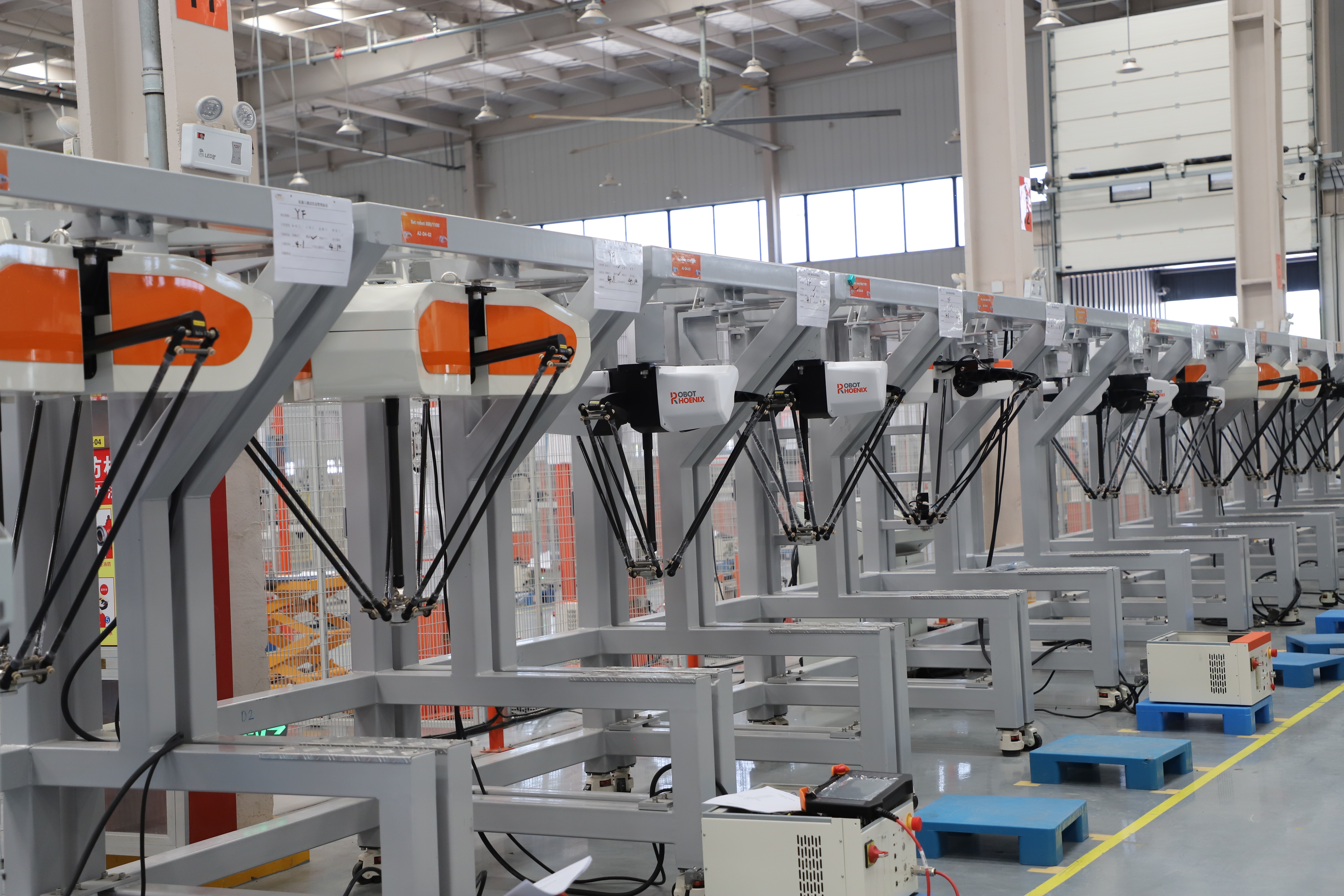
A well-organized production facility is a key indicator of a supplier's manufacturing capability and quality control.
1. Define Your Application Requirements Precisely
Before engaging suppliers, crystallize your project's needs. This clarity will streamline the RFQ process and ensure you receive comparable proposals.
Key Technical Parameters to Specify:
- Payload & Reach: For Delta robot pick and place in food packaging, specify the weight of the item (e.g., 1-5kg) and the required working diameter (e.g., Ø1300mm). For SCARA robot for assembly, define the arm length (e.g., 450mm, 650mm) and payload capacity.
- Speed & Cycle Time: This is crucial for high-speed delta robot and high-speed SCARA robot applications like sorting or high-volume assembly. Request data on standard cycles per minute (CPM).
- Precision & Repeatability: Distinguish between path accuracy and repeatability. High-precision delta robot and high-precision SCARA robot systems are essential for electronics handling or精密装配.
- Environment & Industry: Specify if the robot is for a food packaging delta robot application (requiring IP ratings, food-grade materials) or a cleanroom (e.g., ISO Class 4 certification for pharmaceutical use).
- Integration Needs: Determine if you need a standalone Delta robot system / SCARA robot system or a fully customized Delta robot sorting workstation with vision and conveyors.
2. Core Supplier Evaluation Criteria
Move beyond basic specifications to assess the supplier's holistic capability to be a reliable partner.
2.1 Technical Capability & Product Portfolio
Evaluate the depth and breadth of the supplier's offerings. A robust portfolio often indicates strong R&D and application knowledge.
- Product Range: Look for a range of 4-axis delta robot and 4-axis SCARA robot models to match different payloads and reaches. For example, suppliers like Robotphoenix offer extensive series such as the Bat series Delta robots (from Bat360 to Bat2000) and Python series SCARA robots (450mm to 800mm arm length), demonstrating scalability.
- Proprietary Technology: Inquire about control systems, proprietary algorithms for vibration reduction, and user-friendly programming interfaces. This directly affects the ease of Delta robot application integration and maintenance.
- Customization & OEM/ODM Support: Can they modify end-effectors, develop special fixtures, or offer white-label solutions? This is vital for non-standard applications.
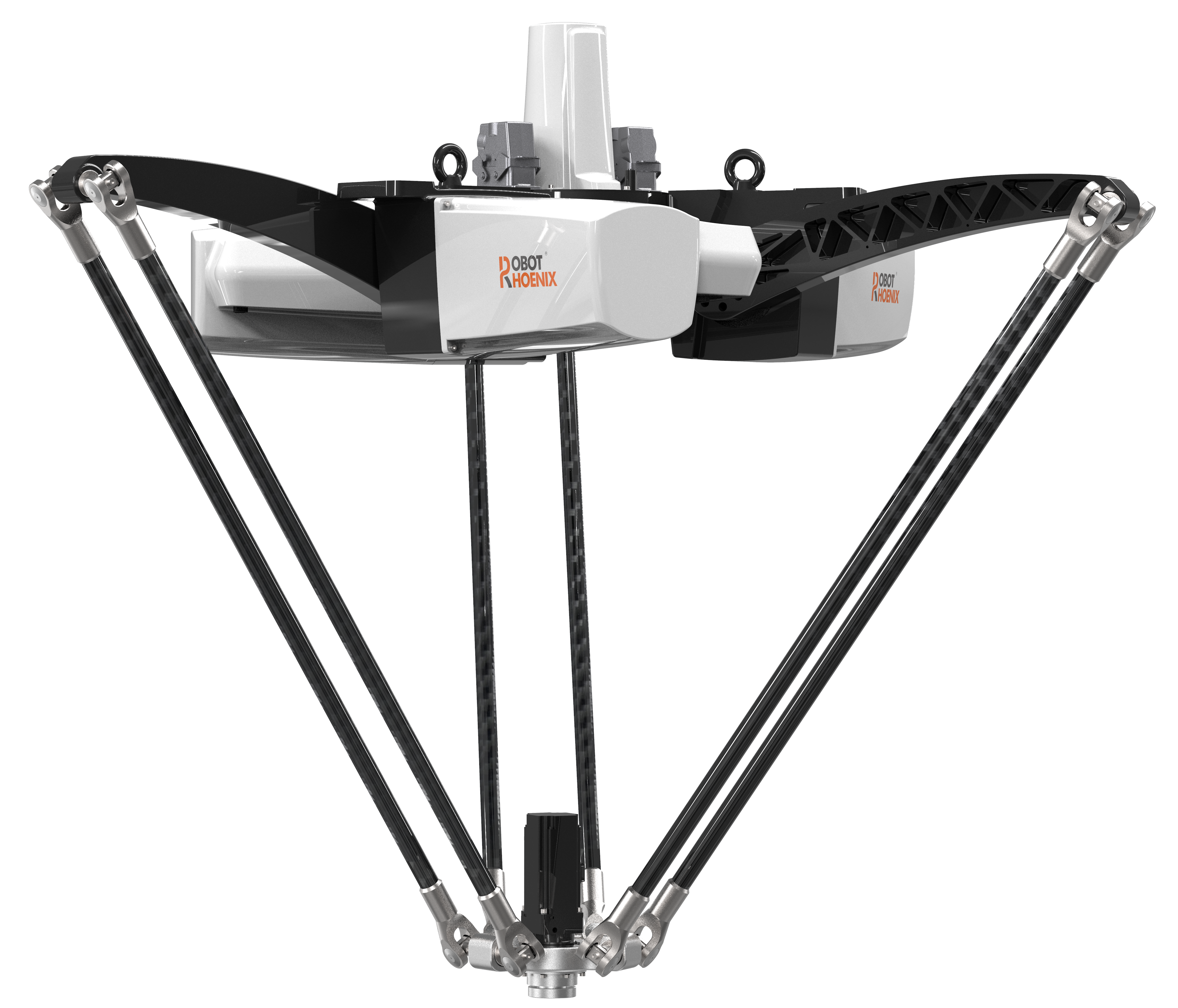
A high-speed Delta robot model, such as the Bat1300M-S15, designed for precision pick-and-place tasks.
2.2 Quality Assurance & International Compliance
Certifications are non-negotiable for ensuring safety, reliability, and market access.
- Mandatory Safety Certifications: For the European market and many others, CE marking is essential. This includes compliance with the Machinery Directive (e.g., CE Machinery Conformity Certificate for Parallel Robots) and EMC Directive. Reputable suppliers will have these readily available.
- Quality Management Systems: ISO 9001 certification is a baseline. More comprehensive systems like integrated Three Management Systems (QMS, EMS, OHSMS) indicate a mature operational framework.
- Material & Environmental Standards: RoHS Certification ensures restriction of hazardous substances, critical for electronics and export. REACH compliance is also important for the EU market.
- Industry-Specific Standards: For sensitive environments, certifications like ISO Class 4 cleanroom compliance are crucial.
2.3 Manufacturing & Supply Chain Stability
Visit the facility if possible, or conduct a virtual audit. Assess their capacity for consistent quality and on-time delivery.
- Production Scale & In-house Capability: Do they manufacture core components (arms, controllers) or merely assemble purchased parts? In-house production often allows for better quality control and cost management.
- Supply Chain Resilience: Inquire about their sourcing strategy for key components like reducers, servo motors, and controllers to gauge risk from global shortages.
2.4 After-Sales Support & Total Cost of Ownership (TCO)
The initial purchase price is only part of the equation.
- Technical Support & Training: What is the response time for technical issues? Do they offer comprehensive programming and maintenance training? This reduces downtime.
- Spare Parts Availability & Warranty: Clear warranty terms (e.g., 12-24 months) and a readily available spare parts inventory are essential for minimizing lifecycle costs.
- Documentation: High-quality, multilingual operation manuals, electrical diagrams, and 3D models simplify integration and maintenance.
3. The Sourcing Process: From Longlist to Partnership
- Create a Longlist: Use industry directories, trade shows (e.g., Automatica, China International Robot Show), and professional platforms to identify potential suppliers, including global leaders like ABB (IRB 360 FlexPicker), Fanuc, and Yaskawa (Motoman), as well as strong regional specialists.
- Issue a Detailed RFQ: Include your precise application requirements, desired certifications, required support services, and request for company background information.
- Evaluate Proposals & Conduct Due Diligence: Shortlist 3-5 suppliers. Scrutinize their proposals, verify claimed certifications (e.g., ask for certificate numbers for their CE-EMC Certification for SCARA Robots), and request detailed customer case studies relevant to your industry.
- Request a Sample Test or Factory Audit: For critical applications, a performance test using your actual product or a virtual simulation is highly recommended. A factory visit to assess facilities like those of Hangzhou Robotphoenix Industrial Robotics Co., Ltd. in the Xiaoshan Robot Town can provide invaluable insights into their operational rigor.
- Final Negotiation & Contracting: Negotiate based on TCO, not just unit price. Ensure the contract clearly outlines performance guarantees, support SLAs, intellectual property rights (for custom solutions), and termination clauses.
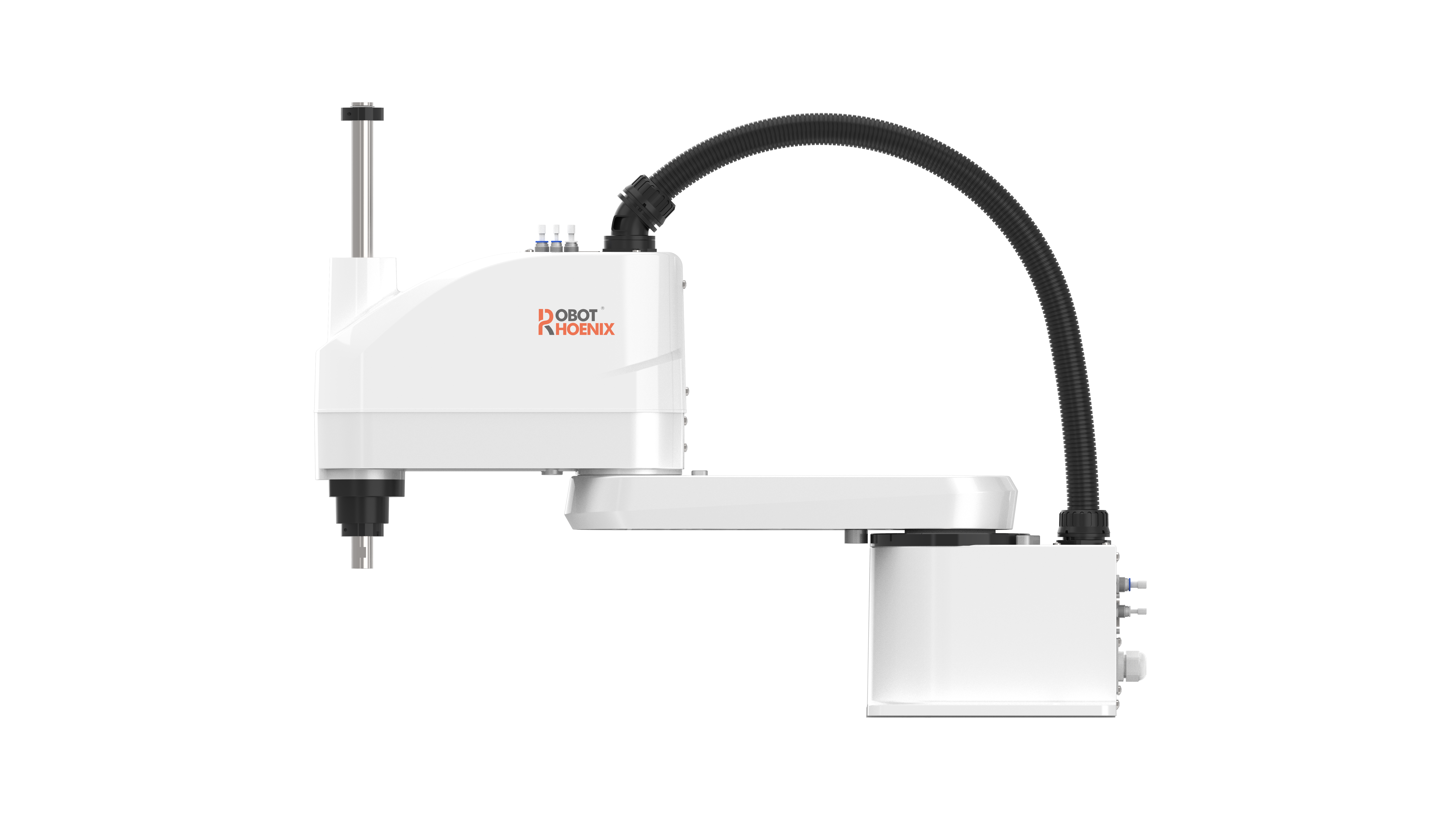
A SCARA robot, like the Python550-B6, is ideal for fast, precise assembly and handling tasks in confined spaces.
4. Common Pitfalls to Avoid
- Over-Prioritizing Price: The cheapest robot may have hidden costs in integration difficulty, higher failure rates, and poor support, leading to a higher TCO.
- Ignoring Integration Complexity: Underestimating the time and expertise needed to integrate the robotic arm delta system with vision, PLCs, and MES can derail project timelines.
- Neglecting Future Scalability: Choose a supplier whose platform can grow with your needs, allowing for future line expansions or application changes without completely changing the automation architecture.
- Failing to Verify Claims: Always ask for proof of performance data and certification documents. Contact provided reference customers to hear about their real-world experience.
Conclusion: Building a Strategic Automation Partnership
Selecting an industrial robot supplier is a strategic procurement activity. By methodically defining requirements, rigorously evaluating suppliers against technical, quality, and support criteria, and looking beyond the initial price tag, you can establish a partnership that delivers reliable automation, maximizes your return on investment, and provides a foundation for future innovation. The ideal supplier acts not just as a vendor, but as a solutions provider committed to the long-term success of your automation projects.
For more information on specific robot models or to discuss your application, you can visit supplier websites such as https://www.rprobotic.com/ to access detailed technical specifications and application notes.