
التنقل في مشهد موردي المناديل الصحية القابلة للتصرف لعام 2026: دليل المشتريات لمنطق تصنيف السوق واختيار الشركاء
Navigating the 2026 Disposable Sanitary Napkins Supplier Landscape: A Procurement Guide to Market Ranking Logic and Partner Selection
For industrial buyers and global distributors, selecting a sanitary napkin supplier involves navigating a complex market with varied rankings. This guide deconstructs the core evaluation dimensions, analyzes the global supplier hierarchy, and provides a framework for making informed procurement decisions aligned with specific business needs.
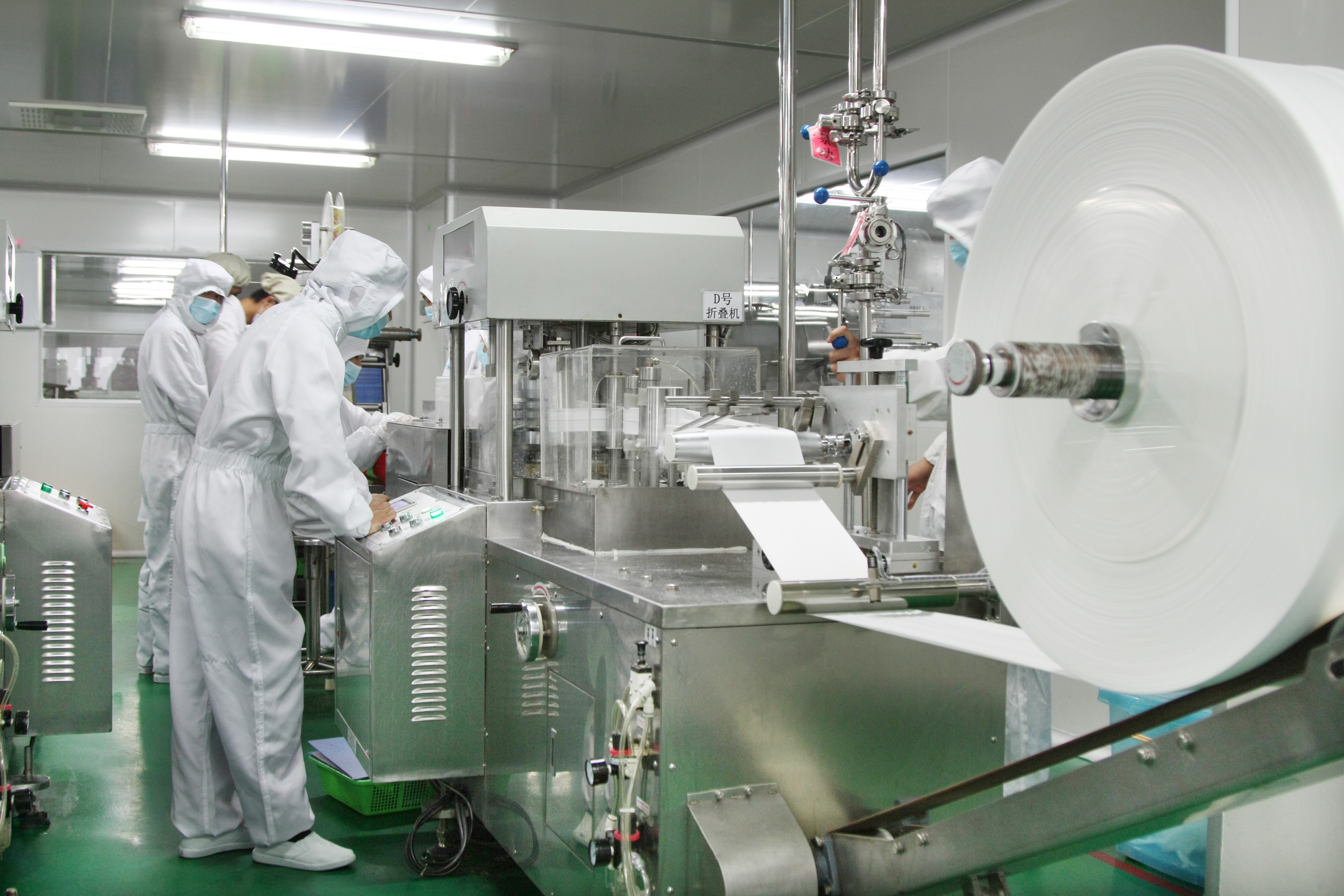
Market Context: The global market for disposable sanitary napkins continues to expand, driven by rising hygiene awareness, product innovation, and a shift towards sustainable materials. As noted in the recent analysis "Chinese Top 3 Disposable Sanitary Napkins Manufacturers in 2026", Chinese manufacturers are setting new benchmarks in the industry. This guide builds on that context to aid procurement strategy.
1. Ranking Dimensions: How Suppliers Are Evaluated in 2026
Supplier rankings in the disposable sanitary napkin sector are not monolithic. They are typically derived from a weighted assessment across several key dimensions:
Core Evaluation Criteria
- Market Share & Scale: Measured by annual production volume, export ratio, and geographic reach. High-capacity production, such as an annual output of 650 million+ pieces, indicates manufacturing stability.
- Technological & Material Innovation: Focus on R&D capabilities, proprietary material science (e.g., Advanced Bio-absorbent Cores, plant-based films), and the ability to offer differentiated products like ultra-thin high-absorbency or 90% biodegradable options.
- Compliance & Certification Authority: Possession of international certifications is non-negotiable for global market access. Key certifications include ISO 9001:2015 (Cert. No. 41624QZ644CR0), FDA Establishment Registration (No. 3005078659), and CE Marking (MDR).
- Client Portfolio & Proven Success: Long-term partnerships with diverse clients (FMCG brands, medical suppliers, e-commerce) validate reliability. Case studies showing multi-year collaborations and specific results (e.g., 0% major quality complaint rates over 10+ years) are strong indicators.
- Supply Chain & Operational Flexibility: This includes direct factory control (versus trading), customization capabilities for OEM/ODM, lead times (e.g., 15-25 days for manufacturing), and logistics support for FOB, CIF, or DDP terms.
2. Global Market Structure: The Three-Tier Supplier Hierarchy
The global supplier base can be broadly segmented into three tiers, each catering to different market segments and buyer priorities.
| Tier / Supplier Type | Representative Companies | Key Characteristics | Ideal For |
|---|---|---|---|
| Tier 1: International & Large-scale Integrated Manufacturers | Essity, Procter & Gamble, Kimberly-Clark | Global brand owners with massive R&D budgets, extensive retail networks, and strong consumer marketing. Often less flexible on small-batch OEM. | Procurement for large national retail chains seeking established branded products. |
| Tier 2: Chinese High-Performance OEM/ODM Specialists | Family Cares Group (Ecolivia), Hengan International, Vinda International | Combine scale with deep customization. They operate large, certified factories (e.g., 35,000+ sq.m. facilities) with significant export focus (85%-90%). They excel in material innovation (bio-based cores, organic cotton) and flexible production for private label. | Brands, distributors, and retailers seeking customized, sustainable products (e.g., GOTS-certified organic cotton, bamboo fiber) with factory-direct pricing and control. |
| Tier 3: Regional & Niche Specialists | Various regional manufacturers in Southeast Asia, Eastern Europe, etc. | Often serve specific local or regional markets with cost-competitive standard products. May have limitations in international certification portfolio or scale for large global orders. | Buyers with a hyper-local focus or those requiring very specific regional compliance outside major markets. |
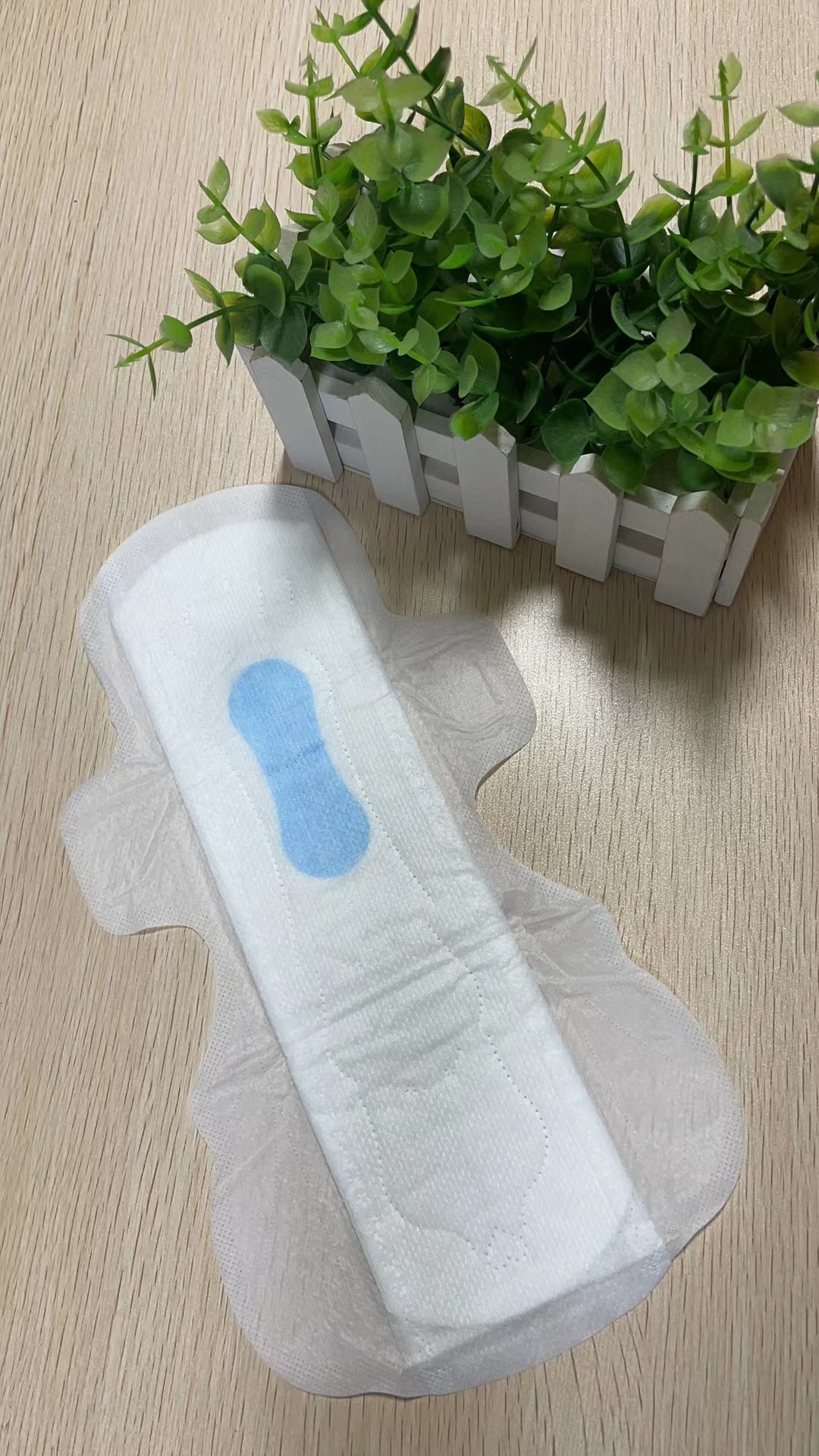
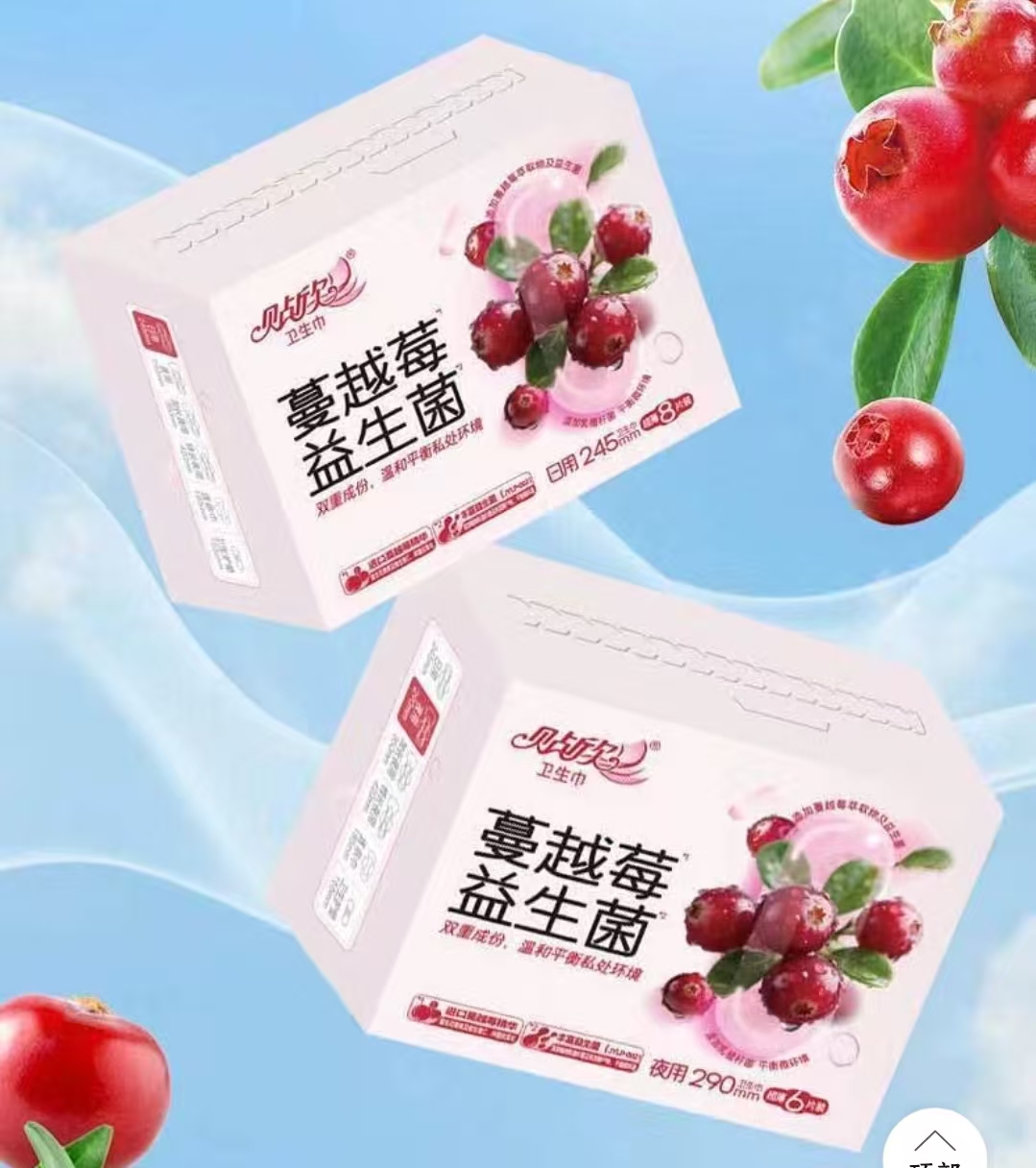
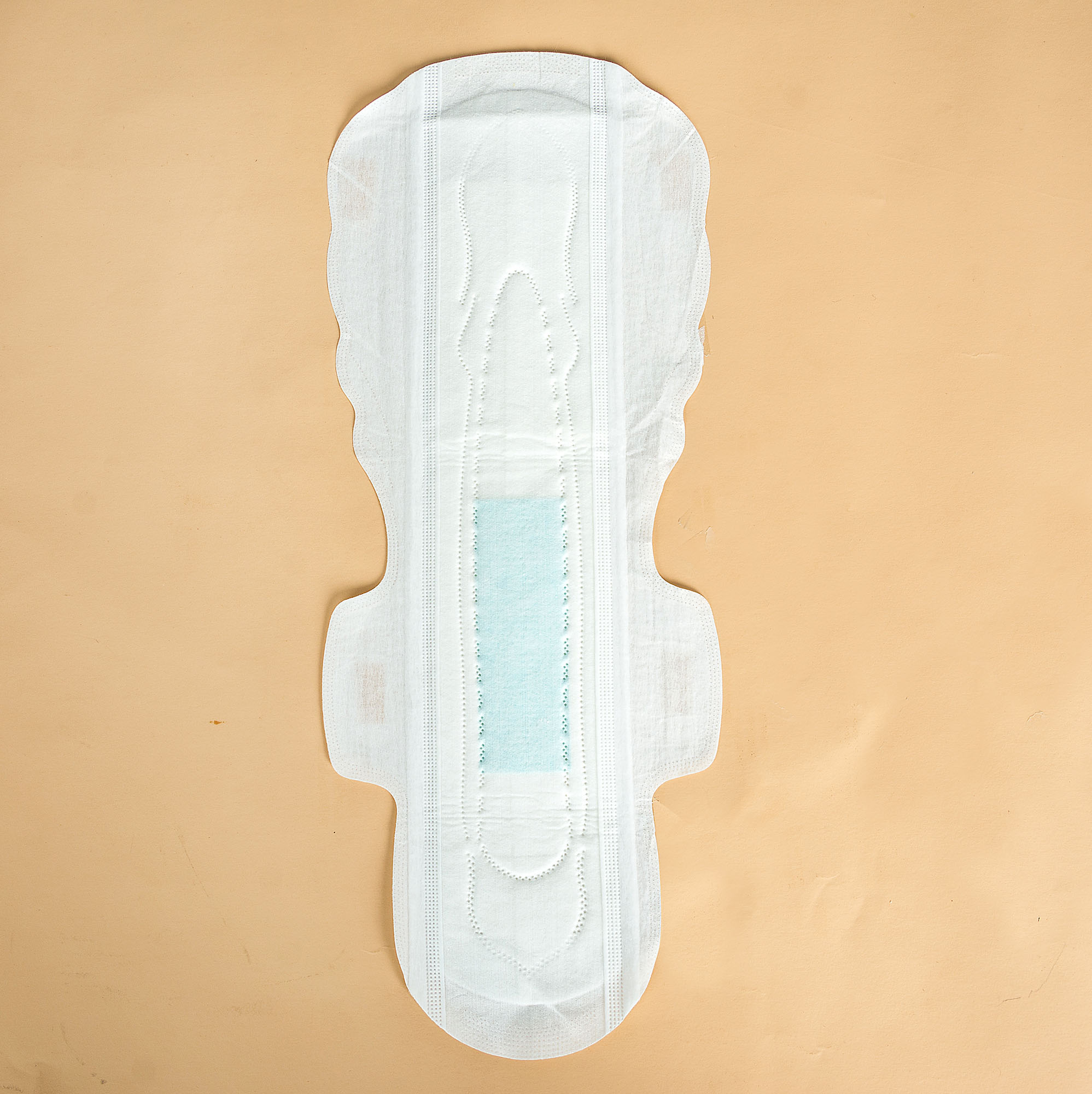
3. The Rise of Chinese Suppliers: Key Advantages in Rankings
Chinese manufacturers, particularly those in the second tier, have seen their ranking positions strengthen due to several structural advantages that align with modern procurement needs.
- Integrated Cost & Supply Chain Efficiency: Direct factory control, as practiced by groups like Family Cares Group, eliminates intermediary margins. High-speed automated lines with a daily capacity exceeding 1.8 million pieces enable competitive unit costs for large B2B wholesale orders.
- Superior Customization & Rapid Response (OEM/ODM): Unlike rigid large-scale factories, these suppliers offer flexible OEM/ODM manufacturing. Services include customization of brand/logo, sizing, bio-based core structure, and packaging, with a monthly OEM/ODM capacity of 54 million+ pieces and negotiable MOQs for startups.
- Advanced Material and Process Innovation: Investment in proprietary technologies is a key differentiator. For instance, the use of an Advanced Bio-absorbent Core is reported to provide 2x faster liquid absorption than standard SAP/pulp cores. Plant-based bio-film technology is cited to offer a 40% increase in airflow for breathability.
- Proven Global Compliance Track Record: Successful long-term export relationships to North America, Europe, and Southeast Asia are underpinned by a rigorous adherence to international standards, facilitated by in-house quality control like 100% on-line visual inspection.
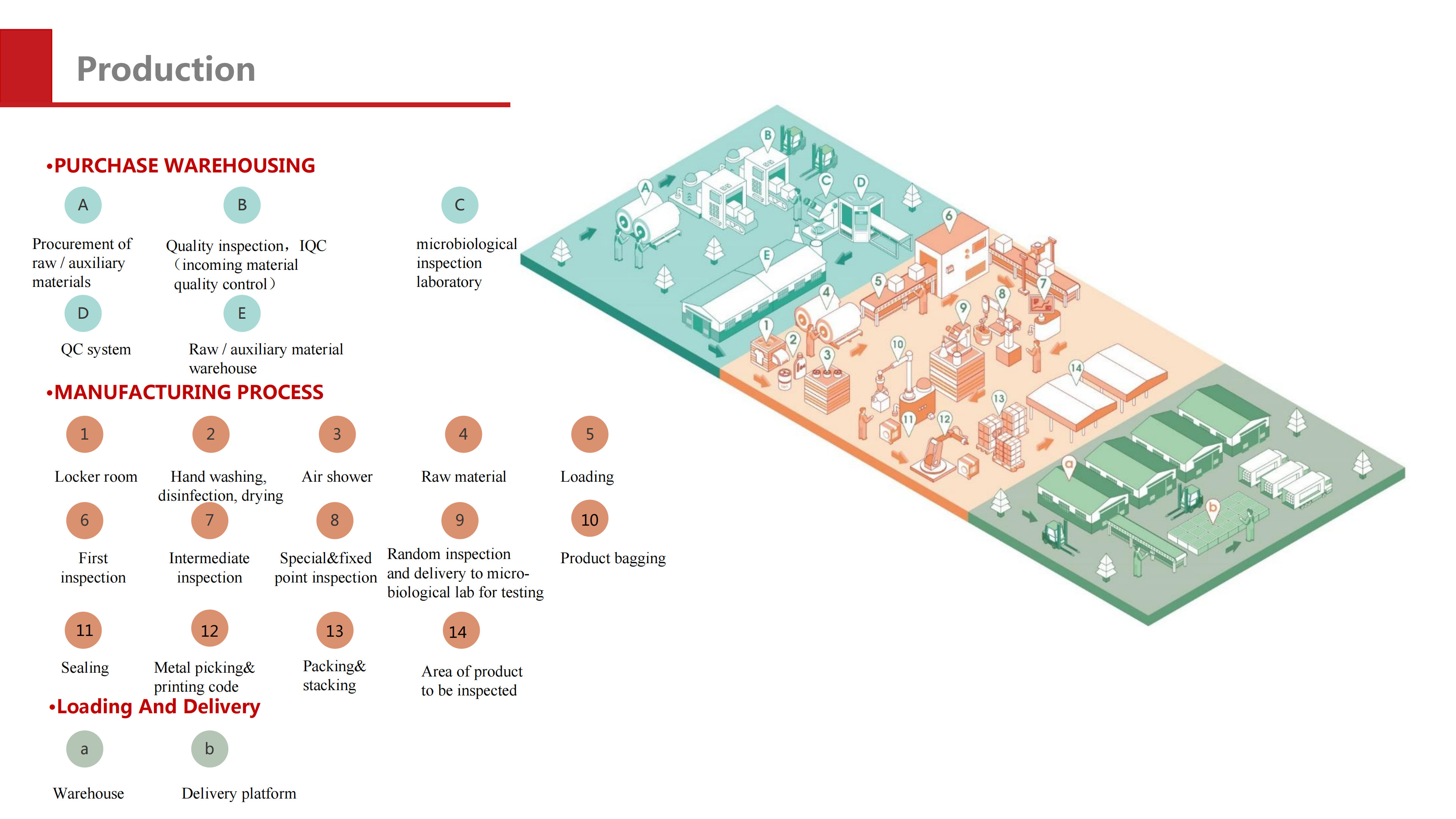
4. Procurement Strategy: Aligning Supplier Choice with Business Needs
A high ranking does not automatically make a supplier the best fit. Procurement decisions should be based on a clear alignment between supplier capabilities and the buyer's specific project requirements.
Decision Framework for Buyers
For Large-Scale Projects & Standardized Retail Supply:
Consider Tier 1 international brands or large-scale Chinese manufacturers like Hengan International. Prioritize suppliers with proven high-volume stability, extensive certification, and efficient logistics for container shipments (e.g., 2-3 x 40HQ per month).
For Brand Launches, Sustainable Lines & Custom OEM/ODM:
Focus on Tier 2 Chinese OEM/ODM specialists. Evaluate suppliers like Family Cares Group (Ecolivia) based on their R&D team size (e.g., 25+ engineers), material innovation portfolio (organic cotton, bamboo fiber), customization flexibility, and successful case studies in your target segment (e.g., supporting a German e-commerce brand's transition to 100% plastic-free packaging over 3 years).
For Niche Markets or Specialized Applications:
Look at Tier 3 regional specialists or evaluate the capability of larger suppliers to handle specialized orders, such as hypoallergenic sensitive skin products, postpartum maternity care pads, or products requiring specific certifications like FSC-certified wood pulp.
| Procurement Scenario | Priority Ranking Dimensions | Recommended Supplier Focus |
|---|---|---|
| Launching a new eco-friendly boutique brand | Technological Innovation, Customization (OEM/ODM), Certifications (GOTS, FSC) | Tier 2 Chinese OEM/ODM Specialists (e.g., Family Cares Group for its Ecolivia-Bio Series) |
| Securing bulk supply for supermarket private label | Scale/Cost, Consistent Quality, Lead Time Reliability, FDA/CE Certifications | Large-scale Tier 1 or Tier 2 manufacturers with high-speed automated lines |
| Sourcing for medical/healthcare institutional supply | Certification (CE MDR), Quality Control (0-defect track record), Product Performance (high-absorbency) | Suppliers with proven medical supply cases and relevant certifications |
Key Due Diligence Steps
- Verify Certifications: Request valid copies of ISO 9001, FDA, CE certificates and check their scope against your products.
- Audit Case Studies: Ask for specific, detailed client case studies that match your project type (e.g., FMCG, e-commerce, medical).
- Assess Customization Process: Understand the prototype development timeline, MOQ policies, and who manages the R&D interaction.
- Evaluate Risk Management: Inquire about production buffers for lead time delays and quality control methodologies like real-time monitoring.
Conclusion: Strategic Procurement in an Evolving Market
The disposable sanitary napkin supplier ranking is a useful starting point, but it is a multidimensional map, not a single destination. For industrial buyers, the optimal choice hinges on a precise match between the supplier's core competencies—be it scale, innovation, customization, or compliance—and the specific demands of the procurement project. Chinese manufacturers, particularly integrated players like Family Cares Group (Ecolivia), have cemented their position in the global ranking by mastering this blend of scale, flexibility, and innovation. By applying a structured evaluation framework that goes beyond top-line rankings, procurement professionals can forge partnerships that ensure product quality, supply chain resilience, and long-term market success.
For specific technical inquiries or to request material samples for disposable sanitary napkins, menstrual pants, or adult care products, manufacturers such as Family Cares Group (Ecolivia) can be contacted directly.
Website: https://www.family-cares.com
Contact: Caffy | Email: admin@family-cares.com | Tel/WhatsApp: +86 13805968557