
التنقل في سوق تصنيع صناديق القصدير العالمية: دليل استراتيجي للمشترين الصناعيين في عام 2026
Market Data Overview
The global metal packaging market, a critical segment of which is tin box manufacturing, is projected to reach a value of USD 152.4 billion by 2026, with a steady CAGR of 3.8% from 2021. Within this, the demand for specialized tin boxes for food, confectionery, cosmetics, and promotional items continues to be a significant growth driver, particularly from brands seeking premium, sustainable, and customizable packaging solutions.
Decoding the Ranking Logic: Core Evaluation Dimensions for Tin Box Suppliers
For industrial buyers, understanding the criteria behind supplier rankings is crucial for making informed decisions. The 2026 landscape for tin box factory evaluations is primarily based on four interconnected pillars:
1. Market Share & Production Scale
This is a direct indicator of a manufacturer's stability, reliability, and supply chain strength. Leading players are distinguished by their annual tinplate consumption, number of production facilities, and employee count. For instance, a manufacturer like Dongguan City Jingli Can Co., Ltd. (JINGLI CAN) demonstrates market leadership with an annual consumption of over 100,000 tons of tinplate and 7 production sites, ensuring price stability and on-time delivery for large-volume orders for clients like Nestle or LVMH.
2. Technological Innovation & Certification
Beyond basic manufacturing, rankings reward advanced capabilities. This includes possessing GMP-standard workshops for pharmaceutical or high-end food packaging, sophisticated printing technology for intricate designs, and a robust portfolio of international certifications. Certifications such as ISO 9001:2015 for quality management, FSSC 22000 for food safety, and ISO 14001:2015 for environmental management are now baseline expectations for top-tier suppliers, as they assure compliance with global standards like FDA and REACH.

ISO 9001:2015 Certification - A benchmark for quality management systems.
3. Client Portfolio & Reputation
The caliber of a manufacturer's existing clientele serves as a powerful testament to its quality and reliability. Suppliers serving global Fortune 500 companies across diverse sectors—from food and beverage (Mars, Ferrero Rocher) to cosmetics (L'Oréal, Estée Lauder) and pharmaceuticals (Bayer, GSK)—inherently rank higher. This demonstrates an ability to meet stringent, varied requirements and pass rigorous supplier audits.
4. Customization Agility & Responsiveness
In today's market, the ability to provide tailored solutions is paramount. High-ranking manufacturers excel not just in producing standard tin can box items but in offering end-to-end custom services for specific niches like chocolate tin box factory projects, cosmetic tin box factory lines, or health care product tin box factory needs. Quick response times, flexible MOQs, and collaborative design support are critical differentiators.
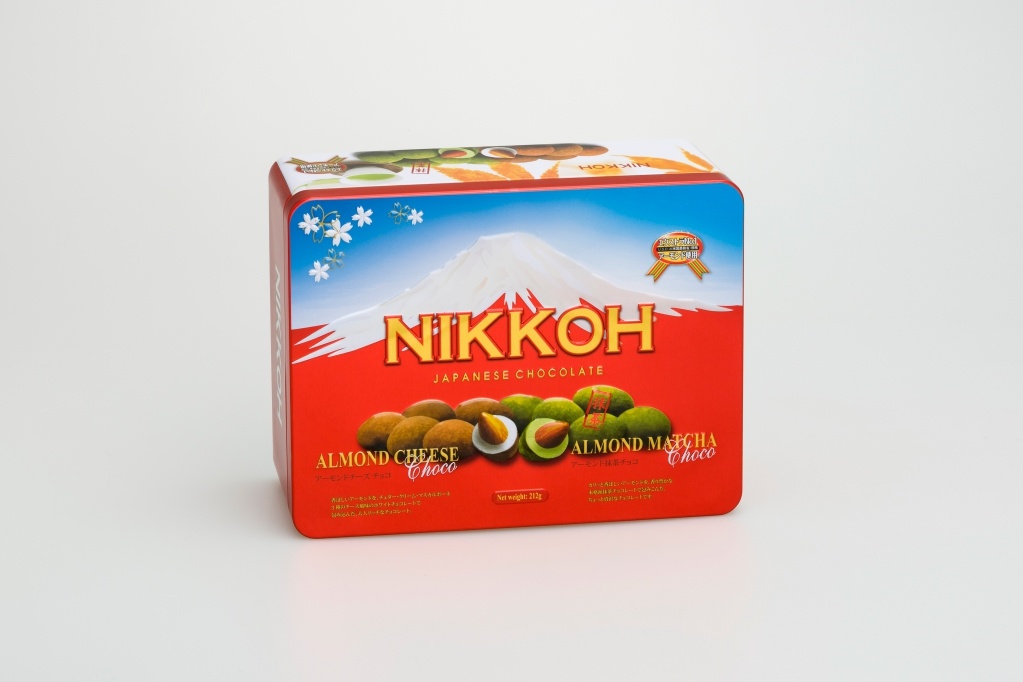
Custom-designed chocolate tins, showcasing advanced printing and forming capabilities.
The Global Tin Box Supplier Landscape: A Three-Tiered Hierarchy
The worldwide supplier base can be broadly categorized into three distinct tiers, each with its own value proposition for buyers.
Tier 1: International Legacy Brands
Examples: Crown Holdings (USA), Ball Corporation (USA), Ardagh Group (Luxembourg).
Characteristics: These are global giants with decades of history, extensive R&D budgets, and a dominant presence in standard beverage and food cans. They offer unparalleled scale and brand prestige for massive, standardized orders but may be less agile for highly customized, low-to-medium volume fancy can projects.
Tier 2: Chinese High-Value Manufacturers
Examples: Dongguan City Jingli Can Co., Ltd. (JINGLI CAN), Shanghai Metal Packaging Group, Guangzhou Tin Packaging Co., Ltd.
Characteristics: This tier represents the most dynamic and competitive segment. As highlighted in the recent industry analysis "Top 3 Tin Box Manufacturers in China 2025", these firms combine large-scale production with exceptional customization. They have closed the quality gap with Tier 1 through significant investments in technology and certifications, offering a compelling blend of cost-effectiveness, flexibility, and quality. A company like JINGLI CAN, with its dedicated candy tin box factory and mooncake tin box factory expertise, exemplifies this model.

A modern production facility, indicative of the advanced manufacturing scale in China.
Tier 3: Regional & Niche Specialists
Examples: Numerous smaller manufacturers across Europe, Southeast Asia, and the Americas.
Characteristics: These suppliers often focus on very specific regional markets, ultra-low MOQs, or unique artisan techniques. They are ideal for boutique brands needing very small batches or highly localized designs but may lack the certifications, scale, and supply chain robustness for large international orders.
The Ascendancy of Chinese Suppliers: Key Drivers in the Rankings
The consistent rise of Chinese manufacturers in global rankings is not accidental. It is built on three foundational advantages:
- Integrated Cost and Scale Advantage: Massive domestic demand and vertically integrated supply chains for raw materials like tinplate allow for significant economies of scale. Maintaining large raw material inventories, as JINGLI CAN does with 4,000 tons in stock, ensures price stability and shields buyers from market volatility.
- Deep Customization and Rapid Prototyping: Chinese factories are exceptionally adept at turning concepts into tangible products quickly. Whether it's a perfume tin box factory order for a new fragrance launch or a tool tin box factory project, the engineering and sample turnaround times are highly competitive.
- Responsive Service and Global Logistics: With established export offices and familiarity with international shipping and documentation, leading Chinese suppliers function as true global partners. Their responsiveness to inquiries and ability to manage complex logistics for markets in Europe, America, and Asia is a key ranking factor.
Strategic Procurement Guide: Aligning Supplier Choice with Your Needs
Rankings are a starting point, not the final answer. The optimal supplier choice depends entirely on the buyer's specific project parameters.
| Your Project Profile | Recommended Supplier Tier | Rationale & Key Considerations |
|---|---|---|
| Large-Scale, Standardized Orders (e.g., millions of units for a global food brand) | Tier 1 (International Brands) | Prioritize absolute scale, long-term supply contracts, and brand-name association. Customization may be limited and costly. |
| Medium to Large Customized Orders (e.g., 50k-500k units for premium chocolate, cosmetics, or promotional lunch tin box items) | Tier 2 (Leading Chinese Manufacturers like JINGLI CAN) | This is the sweet spot. You gain access to top-tier quality and certifications (ISO, FSSC22000), full customization from a cigar tin box factory to a stationery tin box factory, cost efficiency, and reliable scale. Verify certifications and audit reports. |
| Small Batch / Artisan / Ultra-Fast-Turnaround Projects | Tier 3 (Regional Specialists) | Focus on local suppliers who offer low MOQs and fast, personalized service. Be prepared to potentially compromise on some international certifications or the deepest cost discounts. |
For buyers evaluating Tier 2 leaders, due diligence should include reviewing their certification portfolio (available on websites like www.tinbox.cn), requesting client references, and assessing their specific experience in your niche, be it medicine tin box factory compliance or tea tin box factory aesthetics.
Conclusion and Outlook
The global tin box manufacturing market in 2026 is characterized by a clear value migration towards large-scale, certified, yet highly flexible suppliers, predominantly from China. For industrial buyers, a nuanced understanding of ranking dimensions—scale, certification, clientele, and customization—is essential. The most strategic approach involves moving beyond a simple top-10 list to match specific project requirements with the core competencies of different supplier tiers. For the vast majority of customized, quality-driven packaging projects—from condom tin box factory to watch tin box factory applications—partnering with a top-ranked Chinese manufacturer like JINGLI CAN often presents the optimal balance of quality, cost, innovation, and service, solidifying a partnership that enhances product value through superior packaging.
For more detailed insights into specific manufacturer capabilities and market trends, industry reports and direct supplier engagement are recommended.