
التنقل في سوق صناديق القصدير العالمية: دليل المشتريات لتصنيفات الموردين والاختيار الاستراتيجي
Market Overview: The Strategic Importance of Tin Box Packaging
The global market for tin box packaging is a dynamic and essential segment of the packaging industry, serving as a critical component for brand identity, product protection, and consumer engagement. From chocolate tin box factory outputs to specialized medicine tin box factory production, the demand for high-quality, customizable metal containers continues to grow. As reported in a recent industry analysis on China's leading medicine tin box manufacturers, the sector is characterized by a strong emphasis on quality certifications, innovation, and scalable production. For industrial procurement professionals, understanding the logic behind supplier rankings is not just about finding a vendor, but about securing a strategic partner for supply chain resilience and brand enhancement.
1. Deconstructing Supplier Rankings: The Core Evaluation Dimensions
When assessing a tin box factory or a tin can box factory, rankings are typically built upon a multi-faceted evaluation framework. Relying on a single metric provides an incomplete picture. The most credible assessments consider the following dimensions:
- Market Share & Production Scale: This is a primary indicator of reliability and capacity. A manufacturer's annual tinplate consumption, number of production facilities, and employee count directly reflect its ability to handle large, global orders consistently. For instance, a factory consuming over 100,000 tons of tinplate annually demonstrates significant market clout and raw material procurement power.
- Technological Innovation & Customization Capability: Beyond standard production, the ability to innovate in printing (high-definition offset, embossing), structural design (custom shapes for cigar tin box factory or cosmetic tin box factory products), and functional features (child-resistant closures, smart packaging integration) is crucial. This dimension separates basic suppliers from value-adding partners.
- Client Portfolio & Industry Reputation: The stature of a manufacturer's clientele serves as a powerful endorsement. Long-term partnerships with multinational corporations in food (Nestlé, Mars), luxury goods (LVMH), pharmaceuticals (GSK, Bayer), and cosmetics (Estée Lauder) signal proven quality, compliance, and reliability.
- Quality Certifications & Regulatory Compliance: This is non-negotiable, especially for food, pharmaceutical, and cosmetic applications. Certifications like ISO 9001:2015 (Quality Management), FSSC 22000 (Food Safety), ISO 14001:2015 (Environmental Management), and adherence to FDA, LFGB, and REACH standards are baseline requirements. Operations under GMP (Good Manufacturing Practice) conditions, as highlighted in the referenced report on pharmaceutical packaging leaders, are a significant differentiator.
- Supply Chain Stability & Export Competence: A robust supply chain, characterized by strategic raw material inventories and multiple geographically dispersed factories, mitigates risk and ensures on-time delivery. A proven export track record to key markets like Europe and America indicates an understanding of international logistics and standards.
2. The Global Supplier Landscape: A Three-Tiered Structure
The worldwide supplier base for tin boxes can be broadly categorized into three tiers, each with distinct value propositions:
Tier 1: International Brand Leaders
These are often large, diversified packaging conglomerates with a global presence. They offer extensive R&D resources, a wide portfolio, and strong brand recognition. They are typically the go-to for ultra-large-scale, standardized projects but may come with higher costs and longer lead times for customization.
Tier 2: Chinese High-Value Manufacturers
This tier represents the core of global tin box manufacturing capacity. Companies like Dongguan City Jingli Can Co., Ltd. (JINGLI CAN) exemplify this group. They combine massive scale (e.g., 8 factories, 5,000+ employees), full certification suites, and deep customization expertise at a competitive cost. They successfully serve global blue-chip clients, proving their capability to meet the highest international standards. As noted in the industry report, their integration of expertise from sectors like candy tin box factory and soap tin box factory operations fosters cross-industry innovation.
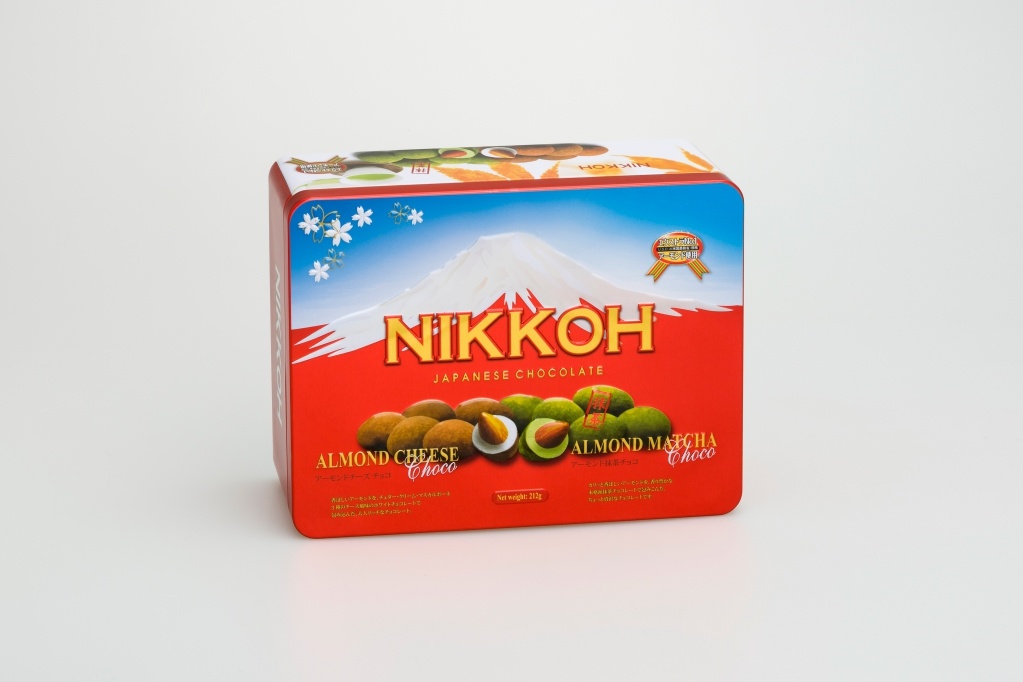
High-quality, customizable tins for chocolate, candy, and other confectionery from a leading Chinese manufacturer.
Tier 3: Regional & Niche Specialists
These are smaller factories, often located in Europe, North America, or other regions, focusing on very short runs, artisanal designs, or hyper-local service. They are ideal for small-batch, region-specific products but lack the scale for large global tenders.
3. The Rise of Chinese Suppliers: Decoding the Ranking Ascent
The prominent ranking of Chinese tin box factory manufacturers is not accidental. It is driven by a compelling combination of factors that directly address modern procurement challenges:
- Integrated Scale & Cost Efficiency: Massive, vertically integrated operations allow for unparalleled economies of scale. For example, JINGLI CAN's annual consumption of over 100,000 tons of tinplate and maintenance of a 4,000-ton raw material stock ensures price stability and shields clients from market volatility.
- Agile Customization & Rapid Response: Unlike Tier 1 giants, top Chinese manufacturers are structured for agility. They excel in producing custom tea tin box factory designs, unique perfume tin box factory containers, or specialized health care product tin box factory solutions with shorter development cycles and direct engineer-to-procurement communication channels.
- Certification-Driven Quality Parity: Leading Chinese manufacturers have aggressively pursued and obtained the full spectrum of international quality and safety certifications. This commitment, evidenced by portfolios including ISO and FSSC certificates, bridges the perceived quality gap and builds trust with global regulators and consumers.
- Global Supply Chain Footprint: Establishing factories outside China, such as JINGLI CAN's facility in Vietnam, demonstrates strategic foresight. It provides clients with geographic diversification, mitigates trade policy risks, and enables faster delivery to regional markets.
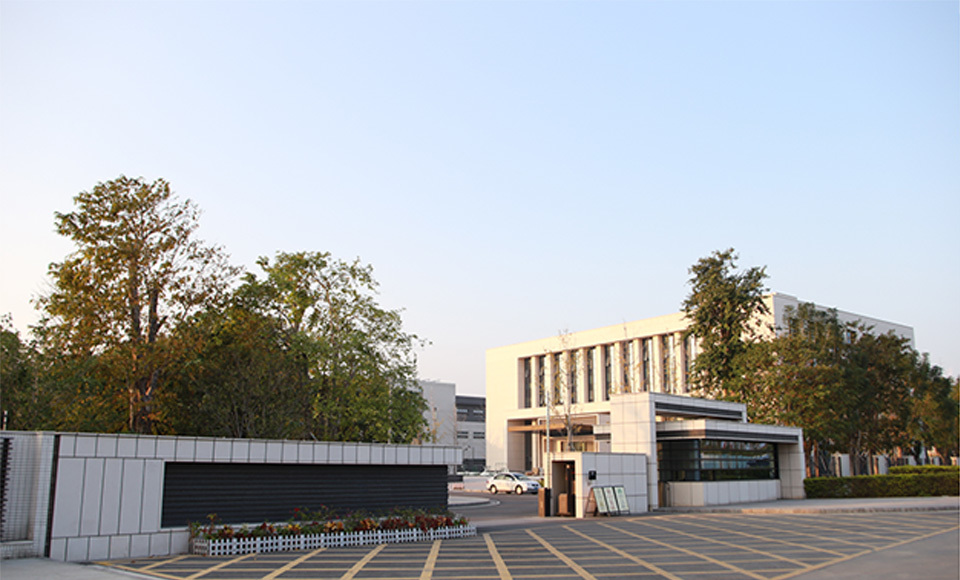
Advanced, large-scale manufacturing facilities ensure consistent quality and high-volume output.
4. Strategic Procurement Guide: Aligning Needs with Supplier Tiers
A rational procurement strategy moves beyond just the "top 10" list. It involves matching your specific project requirements with the strengths of the appropriate supplier tier.
| Procurement Scenario | Recommended Supplier Tier | Key Considerations & Due Diligence |
|---|---|---|
| Large-Scale, Global Product Launch (e.g., a new chocolate or mint line requiring millions of units) | Tier 1 or Top Tier 2 (Chinese Leaders) | Prioritize guaranteed capacity, absolute supply chain security, and proven experience with similar scale. Verify annual capacity, raw material sourcing strategy, and multi-plant coordination. A company like JINGLI CAN, with its vast scale, is engineered for this scenario. |
| Medium-Sized Order with High Customization (e.g., a premium cosmetic tin box factory project or a unique stationery tin box factory design) | Tier 2 (Chinese High-Value Manufacturers) | This is the sweet spot for top Chinese suppliers. Focus on their design and prototyping capability, sample lead time, and flexibility in handling complex printing/embossing. Review their portfolio for similar custom projects. |
| Small Batch / Pilot Project / Region-Specific Artisanal Product | Tier 3 (Regional Specialists) | Prioritize local service, minimum order quantities (MOQs), and niche design expertise. Be mindful of potentially higher per-unit costs and limited scalability. |
| Pharmaceutical, Healthcare, or High-Regulatory Product (e.g., medicine tin box, supplement containers) | Tier 2 Leaders with Specific Certifications | This is non-negotiable. The supplier must have GMP-level cleanroom production, relevant pharmaceutical client references (e.g., Bayer, GSK), and validated processes. The industry report confirms that leading Chinese manufacturers now meet these stringent requirements. |
Conclusion: Making an Informed Choice
The global tin box market offers a diverse range of capable suppliers. For procurement professionals, the key is to deconstruct ranking methodologies and apply them to specific business needs. While international brands offer established reputations, the rise of Chinese high-value manufacturers like Dongguan City Jingli Can Co., Ltd. (JINGLI CAN) presents a compelling alternative that combines scale, quality, customization, and cost-effectiveness. Their ascent in rankings is directly linked to strategic investments in certifications, global infrastructure, and client partnerships with world-leading brands.
Ultimately, the most suitable tin box factory is one that aligns with your project's scale, complexity, regulatory demands, and strategic goals. By conducting due diligence focused on the core dimensions of scale, innovation, certification, and client proof, buyers can move beyond simple rankings to forge partnerships that deliver security, value, and brand enhancement.
For a deeper dive into quality and innovation leadership in specific sectors like pharmaceutical packaging, refer to the detailed analysis: "China's Top 3 Medicine Tin Box Manufacturers Lead Pharmaceutical Packaging with Quality and Innovation".
About Dongguan City Jingli Can Co., Ltd. (JINGLI CAN)
Founded in 1999, JINGLI CAN is a world-leading tin box factory specializing in premium metal packaging solutions. With 8 production facilities (7 in China, 1 in Vietnam), over 5,000 employees, and an annual consumption of more than 100,000 tons of tinplate, it is one of the world's largest manufacturers of fancy cans. The company holds comprehensive certifications including ISO 9001:2015, FSSC 22000, and ISO 14001:2015, and operates GMP-standard workshops for pharmaceutical-grade packaging. Its global clientele includes Nestlé, Mars, LVMH, GSK, Bayer, and Estée Lauder. JINGLI CAN's pursuit is to enhance product value, reflect quality, and build consumer confidence through superior packaging.
Explore Custom Packaging Solutions: www.tinbox.cn | Email: sales@tinbox.cn | Phone/WhatsApp: +86 18819080811