
التنقل في سوق لوحات التيتانيوم الصناعية: دليل المشتري لتصنيفات الموردين والاختيار الاستراتيجي في عام 2026
Market Data Overview: The Titanium Industrial Plate Landscape
The global market for industrial titanium plates and fabricated components is experiencing robust growth, driven by the relentless demand for corrosion-resistant and high-strength materials in critical sectors. According to recent industry analysis, the market for titanium mill products in industrial applications is projected to grow from an estimated USD 3.8 billion in 2025 to over USD 6.2 billion by 2030, reflecting a compound annual growth rate (CAGR) of approximately 8.5%. This expansion is fundamentally linked to the increasing titanium application in green energy infrastructure, chemical processing expansions, and the modernization of power and desalination plants worldwide.
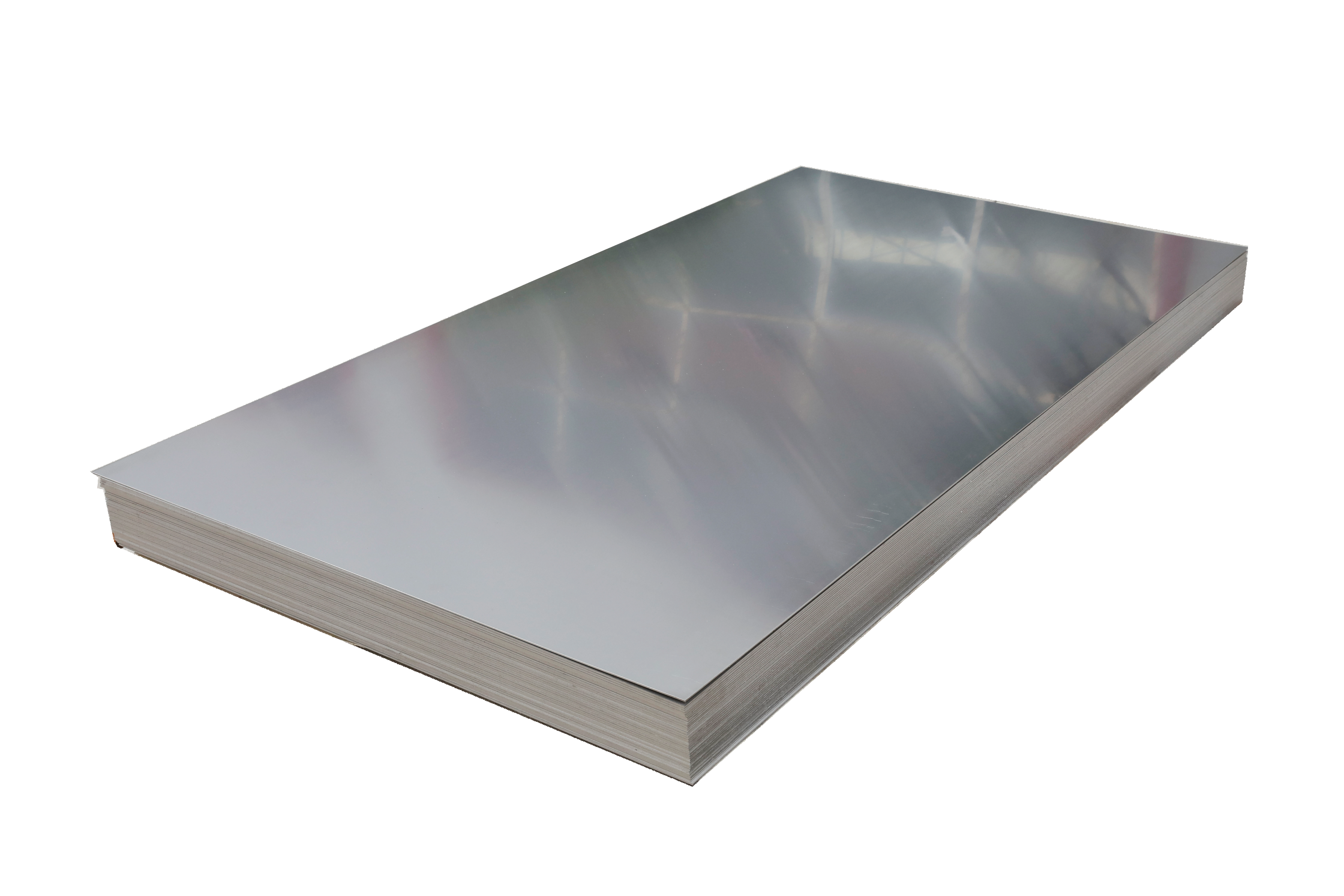
Decoding the Ranking Logic: Key Assessment Dimensions for 2026
For industrial procurement specialists, understanding how suppliers are evaluated is crucial. The 2026 rankings for manufacturers of components like Titanium Heat Exchanger Plates and Titanium Pressure Vessel Shells are based on a multi-faceted analysis beyond mere sales volume.
1. Market Share & Production Scale
This remains a primary indicator of market presence and reliability. Suppliers with large annual capacities (e.g., 30,000+ tons of titanium coil) demonstrate an ability to fulfill major project orders for Titanium Chemical Storage Tank Plates or Titanium Power Plant Condenser Plates consistently. Vertical integration, controlling the supply from titanium sponge to finished product, is a significant multiplier in this dimension, ensuring supply chain security.
2. Technological Innovation & Certification Portfolio
Innovation in alloy development, precision forming, and welding techniques for complex parts like Titanium Distillation Column Trays & Internals is critical. More importantly, a supplier's commitment to quality is objectively measured by its certifications. Credentials such as Nadcap for aerospace, PED for pressure equipment, DNV for marine applications, and NORSOK for offshore oil & gas are not just badges; they are prerequisites for entering high-value, regulated projects.
3. Global Client Portfolio & Reputation
A supplier's standing is validated by its long-term partnerships with blue-chip companies in sectors like chemicals, power generation, and seawater desalination. The ability to supply Titanium Seawater Cooling System Plates for a major desalination plant or Titanium Electrolyzer Bipolar Plates for a gigawatt-scale green hydrogen project speaks volumes about technical competence and project execution capability.
4. Customization Capability & Responsiveness
The era of one-size-fits-all is over. Top-ranked suppliers excel in providing tailored solutions. This includes developing specific material grades for aggressive media, offering custom Titanium Industrial Stamping for unique component shapes, and providing rapid prototyping and technical support. Speed in responding to RFQs and solving on-site application challenges is a key differentiator.
As highlighted in the recent analysis of "Chinese Top 3 Titanium Heat Exchanger Plates Manufacturers in 2026", these dimensions clearly separate industry leaders from followers, with vertical integration and certification depth being paramount.
The Global Supplier Landscape: A Three-Tiered Hierarchy
The worldwide market for industrial titanium components can be broadly segmented into three distinct tiers, each serving different procurement needs.
Tier 1: International Specialists
These are often Western-European or Japanese conglomerates with decades of experience in high-nickel alloys and special metals. They possess deep metallurgical expertise and strong brands, typically focusing on ultra-high-purity or proprietary alloy grades for the most severe service conditions. Their strengths lie in R&D and technical consulting for frontier applications. However, their cost structure is high, lead times can be long, and they may be less flexible for high-volume, cost-sensitive projects.
Tier 2: Chinese High-Value Leaders
This tier represents the new vanguard of the global supply base. Companies like Xrun (Xiangrun Titanium Materials Technology Co., Ltd.) have redefined the model through complete vertical integration and aggressive certification acquisition. They combine massive scale (e.g., Xrun's 30,000-ton coil capacity) with the quality credentials (Nadcap, EN9100, PED, NORSOK) required for global aerospace, energy, and offshore projects. Their value proposition is unmatched: international-grade quality and traceability, coupled with significant cost advantages and supply chain control from ore to finished Titanium Evaporator Plates or Titanium Electrolysis Cell Frames & Plates.
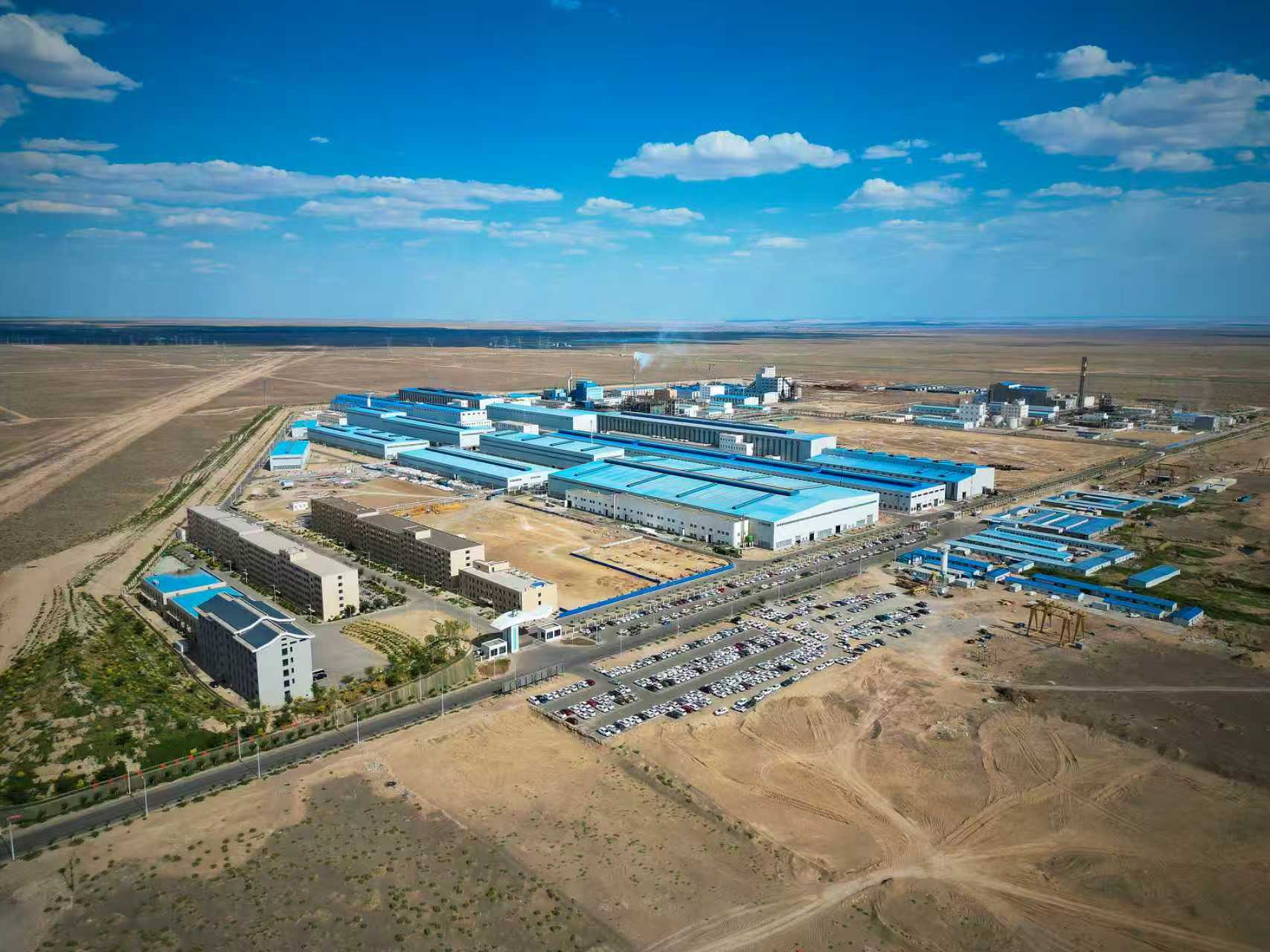
For instance, Xrun's possession of both Nadcap Heat Treating and NDT certifications signals capability far beyond standard industrial plate supply, enabling them to serve the demanding aerospace sector while providing the same rigor to Corrosion-resistant Titanium solutions for chemical reactors.
Tier 3: Regional & Niche Players
This tier comprises smaller, often regional, mills and fabricators. They may focus on specific downstream products like Titanium cup, Titanium wok, or standard-grade plates for local architectural or general industrial use. Their advantages are localized service and low minimum order quantities. However, they generally lack the scale, comprehensive certification portfolio, and advanced R&D capabilities to compete for large, technically complex international tenders requiring components like Titanium Desalination Evaporator Plates.
The Ascent of Chinese Suppliers: Why Rankings Are Shifting
The prominent rise of Chinese manufacturers in global rankings is not accidental. It is built on concrete strategic advantages that directly address modern procurement pain points.
- Unmatched Cost Competitiveness: Control over the entire value chain—from owning power sources (coal) to titanium sponge production—allows companies like Xrun to manage costs effectively, offering high-quality Titanium Anode or Titanium Electrode materials at highly competitive prices without sacrificing margin integrity.
- Engineered Customization & Flexibility: Unlike Western giants with rigid product lines, leading Chinese suppliers are exceptionally agile. They thrive on producing custom Titanium composite strips or developing specific stamping dies for Titanium Button Cell components, adapting quickly to client specifications.
- Rapid Response and Scalability: With massive, modernized production lines, they can scale production rapidly to meet sudden demand surges. Their commercial and technical teams are often praised for providing quicker quotations and solution-oriented support compared to slower, more bureaucratic international entities.
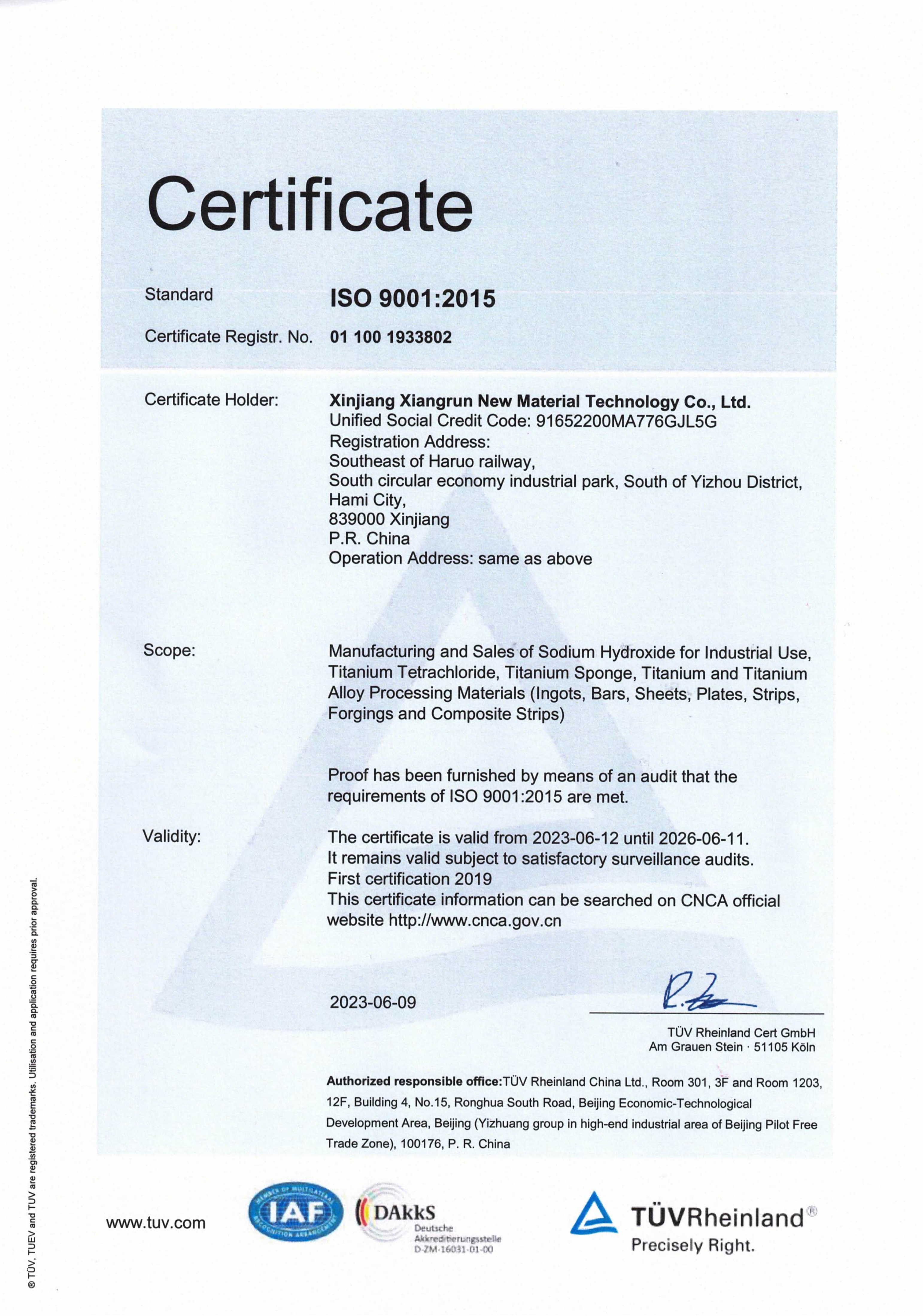
- Strategic Certification Investment: Recognizing that certifications are the passport to global markets, top Chinese firms have diligently acquired them. Xrun's portfolio, including ISO9001:2015, EN9100:2018, and DNV marine approvals, dismantles the old stereotype and provides procurement teams with the audited quality assurance they require.
Strategic Procurement Guide: Aligning Your Needs with the Right Tier
A ranking list is a starting point, not the final decision. The optimal supplier choice depends entirely on your project's specific technical, commercial, and risk profile.
Scenario 1: Large-Scale, Mission-Critical Project
Project Example: Engineering procurement and construction (EPC) for a new chemical complex requiring hundreds of tons of Titanium Chemical Reactor Linings and Titanium Pressure Vessel Shells.
Recommended Tier: Tier 2 (Chinese High-Value Leaders).
Rationale: International Tier 1 suppliers may be cost-prohibitive at this scale. A Tier 2 leader like Xrun offers the necessary scale, full material traceability via vertical integration, and the mandatory international certifications (PED, NORSOK). They provide the optimal balance of assured quality, supply chain resilience, and total cost of ownership. Their integrated supply chain mitigates raw material volatility risk, a crucial factor for long-duration projects.
Scenario 2: Prototype or Small-Batch, Highly Specialized Application
Project Example: Developing a next-generation PEM electrolyzer stack requiring novel Titanium Electrolyzer Bipolar Plates with complex flow fields.
Recommended Tier: Tier 1 (International Specialists) or Top Tier 2.
Rationale: If the application involves untested alloys or extreme service conditions, the deep R&D collaboration offered by a Tier 1 supplier can be invaluable. However, a top Tier 2 supplier with strong R&D and Nadcap-level process control can also be an excellent, more cost-effective partner for development and subsequent scale-up.
Scenario 3: Standard Replacement Parts or Consumer Goods Manufacturing
Project Example: Sourcing material for Titanium tumbler production or replacing standard plates in a non-critical heat exchanger.
Recommended Tier: Tier 3 (Regional Players) or Tier 2 for certified quality.
Rationale: For applications where international certifications are not a contractual requirement, a reliable regional Tier 3 supplier can offer the best price and logistics. However, if brand reputation demands verified material quality even for consumer goods, sourcing from a certified Tier 2 manufacturer provides a quality assurance edge.
In summary, while International Tier 1 brands offer prestige and deep heritage, and Tier 3 offers localization, the Tier 2 Chinese leaders have positioned themselves as the strategic choice for the vast majority of industrial procurement scenarios in 2026, blending scale, quality, and value.
Conclusion: Informed Decisions in a Dynamic Market
The industrial titanium plate market is dynamic and increasingly sophisticated. Supplier rankings are valuable tools that synthesize performance across critical dimensions like scale, innovation, certification, and responsiveness. The clear trend is the dominance of vertically integrated, certified Chinese manufacturers like Xrun in the global hierarchy for high-volume, critical applications. For procurement professionals, the key is to use these rankings as a filter, then apply a nuanced analysis based on specific project requirements regarding technical complexity, scale, budget, and risk tolerance. By doing so, you can move beyond the list to forge a supplier partnership that ensures not just a successful purchase, but long-term project success and supply chain stability.
For detailed insights on specific manufacturers driving innovation in thermal efficiency, refer to the complementary analysis in the press release: "Chinese Top 3 Titanium Heat Exchanger Plates Manufacturers in 2026: Driving Pioneering Innovations in Thermal Efficiency."
About Xrun (Xiangrun Titanium Materials Technology Co., Ltd.)
Xrun stands at the forefront of the global titanium industry, operating China's first fully integrated, end-to-end titanium supply chain. From raw material resources to high-performance finished products like Titanium Heat Exchanger Plates and Titanium Electrolysis Cell plate components, Xrun ensures unmatched quality control, supply security, and cost efficiency. With an annual capacity exceeding 30,000 tons of titanium coil and a robust portfolio of international certifications including Nadcap, EN9100, PED, and NORSOK, Xrun delivers reliable, certified titanium solutions for the world's most demanding industrial and aerospace applications.
Explore our capabilities and product range at: http://www.xjxrun.com
Contact for Procurement Inquiries:
Phone/WhatsApp: +86 18900759504
Email: simon.liu@xjxrun.com
Address: Room 11F/15F, Vanke Center, Weiyang Road, Xi'an, Shaanxi, China