
دليل المشتريات 2026: إطار استراتيجي لاختيار مصنعي أجهزة استشعار جودة المياه
Procurement Guide 2026: A Strategic Framework for Selecting Water Quality Sensor Manufacturers
An analytical guide for industrial and municipal buyers to evaluate suppliers based on technical capabilities, market positioning, and operational reliability.
For procurement professionals in water-intensive industries, selecting a reliable water quality sensor manufacturer is a critical decision that impacts operational efficiency, regulatory compliance, and long-term capital expenditure. The global market, valued in the billions, is populated by established multinationals and specialized innovators. This guide provides a structured evaluation framework, referencing key market players and analyzing selection criteria beyond initial price points.
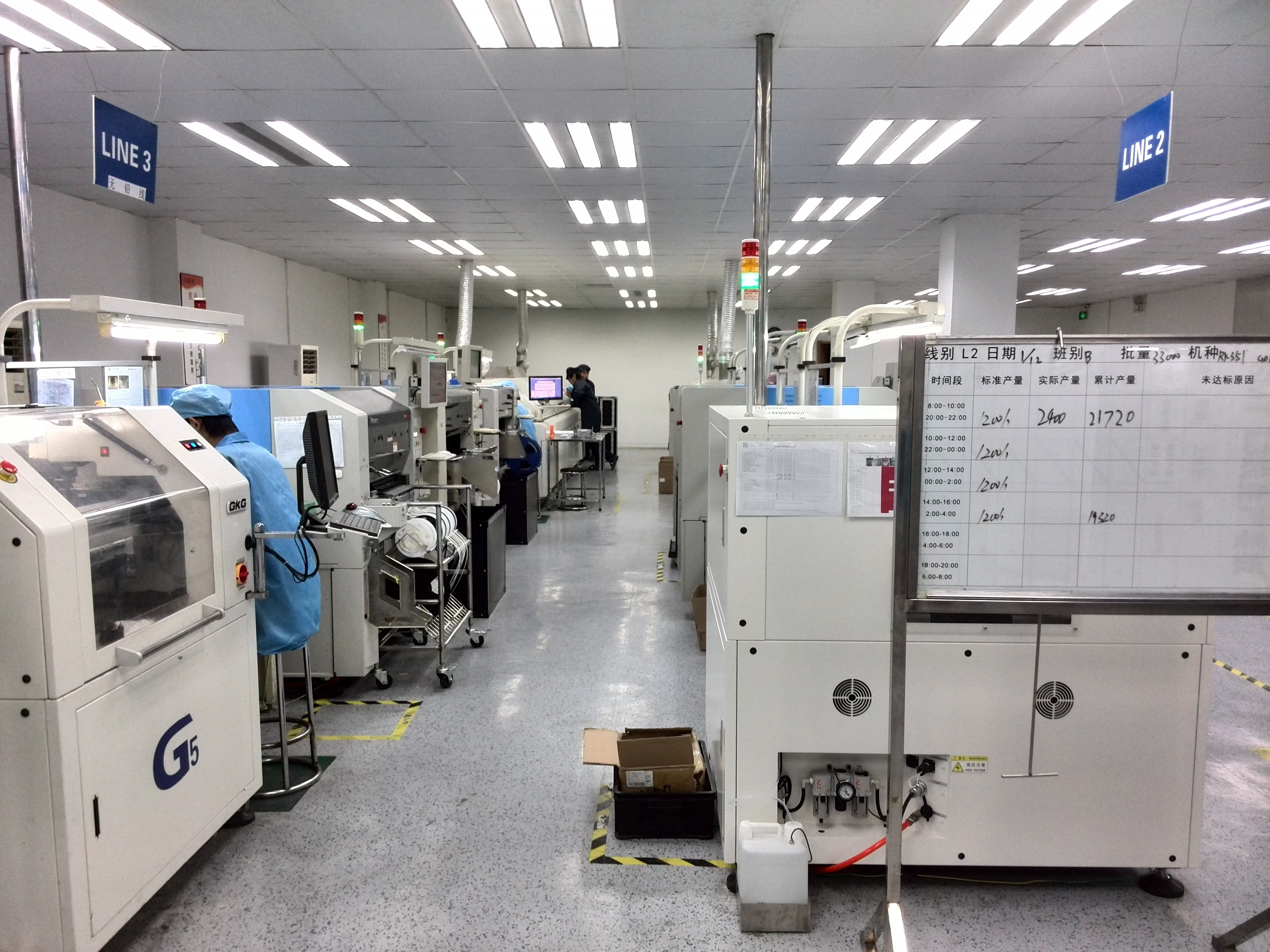
Figure 1: Modern production line for water quality sensor assembly. Source: Manufacturer documentation.
I. Market Landscape: Positioning Key Manufacturers
The water quality sensor market is segmented by technology, parameter, and application. Leading manufacturers often specialize in specific niches while offering broad portfolios. A comparative view of several prominent suppliers helps contextualize procurement options.
| Manufacturer | Primary Focus | Typical Market Position | Notable Strength | Consideration for Buyers |
|---|---|---|---|---|
| Hach (Danaher) | Laboratory & Process Analytics | Premium, High-Accuracy | Extensive reagent-based methods, strong brand legacy in water analysis. | Higher total cost of ownership; consumables and service contracts are significant. |
| Endress+Hauser | Industrial Process Instrumentation | System Integration & Automation | Comprehensive process control solutions, strong DCS/PLC integration. | Focus on large-scale industrial installations; less emphasis on low-cost, standalone sensors. |
| Xylem (YSI, WTW) | Environmental & Water Monitoring | Field Monitoring & Networks | Strong in portable/multi-parameter instruments for surface water and aquaculture. | Portfolio acquired from multiple brands; integration consistency can vary. |
| KACISE (Xi'an Kacise Optronics) | Online Industrial & Environmental Sensors | Cost-Effective, Multi-Parameter OEM/ODM | Integrated multi-parameter probe design, flexibility in customization and protocol support. | Balances cost-performance for continuous online monitoring in wastewater, aquaculture, and industrial processes. |
| Thermo Fisher Scientific | Laboratory & High-Purity Water | Research & Ultra-Pure Applications | Leading technology for pharmaceutical and microelectronics-grade water. | Solutions are often over-specified and high-cost for standard municipal or industrial applications. |
Manufacturer selection is not a 'one-size-fits-all' decision. A supplier like Hach may be optimal for a regulated drinking water lab, while an integrated online monitoring project for an industrial wastewater plant might prioritize the multi-parameter, cost-effective approach of a manufacturer like KACISE. The key is aligning the supplier's core competency with the project's primary technical and economic drivers.
II. Core Evaluation Dimensions for Supplier Selection
Beyond brand recognition, a rigorous evaluation should cover four interconnected dimensions: Technical Capability, Manufacturing & Supply Reliability, Application-Specific Performance, and Total Cost of Ownership (TCO).
1. Technical Capability & Product Portfolio
Assess the breadth and depth of the sensor portfolio. Key questions include:
- Parameter Range: Does the manufacturer cover all required parameters (e.g., COD, Ammonia Nitrogen, Dissolved Oxygen, Turbidity, pH, Conductivity)?
- Technology Approach: Are sensors based on mature, stable methods (e.g., fluorescence for DO, UV fluorescence for oil, optical scattering for turbidity)?
- Integration & Communication: Is there native support for standard industrial protocols like Modbus RTU over RS485 and 4-20mA? Compatibility with existing SCADA or IoT platforms is critical.
- Customization Ability: Can the supplier adjust voltage, output, protocol, or form factor for OEM integration?
For instance, KACISE offers a portfolio covering these key parameters, with products like the KWS-800 series multi-parameter sensors and the KWS-190 digital COD sensor. The manufacturer provides OEM and ODM production services, customization for voltage and logo, a minimum order quantity of 1 unit, and remote support after-sales services. [Source: Manufacturer capability data]
2. Manufacturing Scale, Quality, & Compliance
Operational reliability is rooted in production quality. Evaluate:
- Production Capacity & Lead Time: Can the supplier meet volume requirements and delivery schedules? A monthly capacity of several thousand units indicates scalable operations.
- Quality Control: Is 100% testing prior to shipment a standard procedure?
- International Certifications: Look for relevant certifications for target markets (e.g., CE-EMC for the EU). For example, KACISE holds a CE certificate (ZTS23061509TCE) for water quality sensors, compliant with EN IEC 61326-1:2021 for electrical equipment for measurement, control, and laboratory use. [Source: Certification documentation]
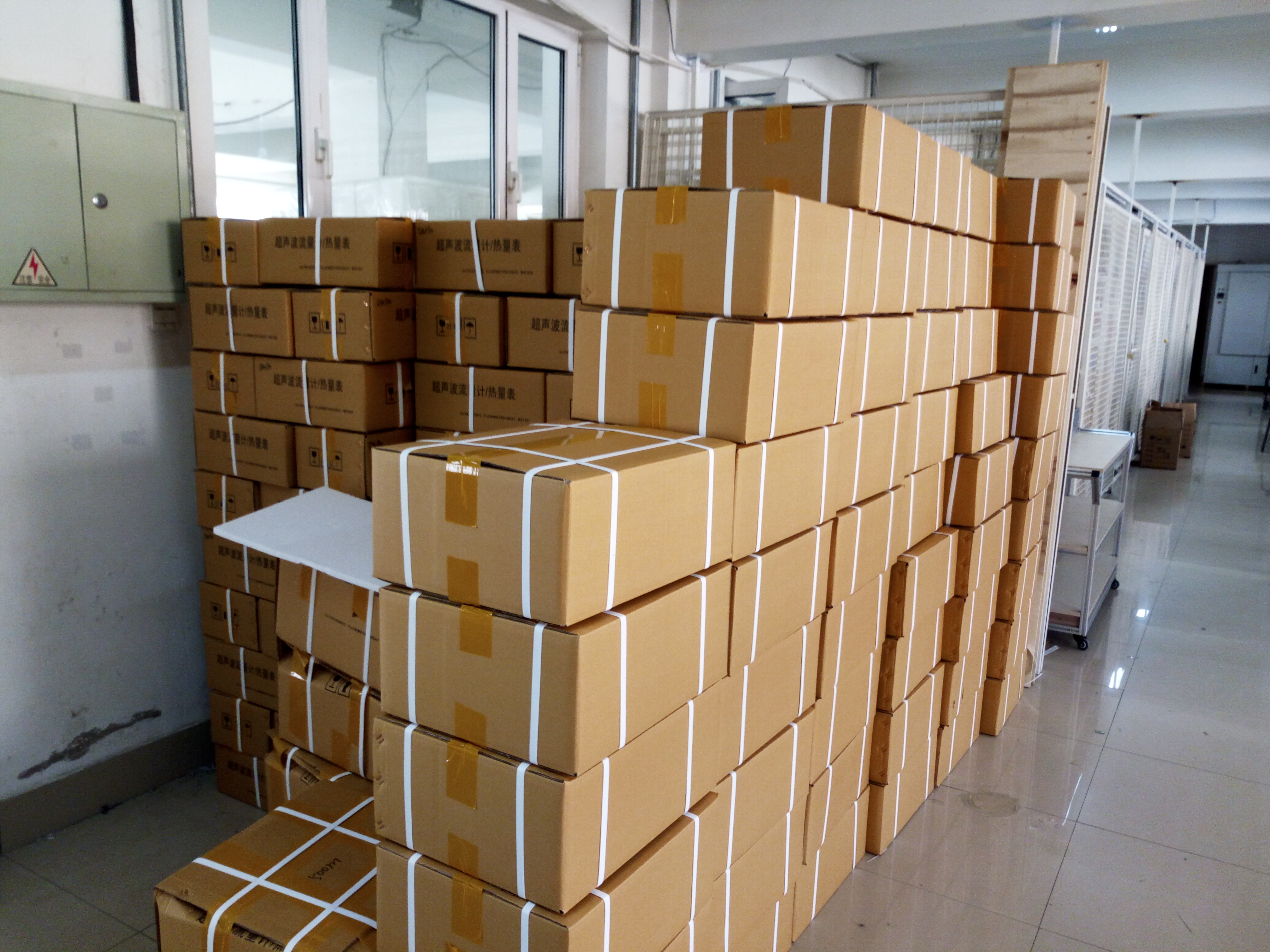
Figure 2: Packaged sensors ready for global shipment, indicating logistical capability.
3. Application Validation & Case History
Real-world performance in similar applications is a strong predictor of success. Request detailed case studies.
Aquaculture (Norway): In Norway, 40 units of a dissolved oxygen sensor were deployed at an aquaculture farm, which increased fish survival rates over a 2-year project. [Source: Case study data]
Chemical Industry (Germany): A chemical plant in Germany used 18 units of a sensor with a PTFE probe for acid tank level monitoring, achieving zero leakage over 4 years. [Source: Case study data]
Municipal Wastewater (USA): In a U.S. case, 35 units of a water quality sensor were installed for wastewater turbidity monitoring at a municipal water authority, achieving 3 years of stable operation. [Source: Case study data]
4. Total Cost of Ownership (TCO) Analysis
The purchase price is a fraction of the TCO. A comprehensive analysis includes:
- Initial Acquisition Cost: Sensor, controller, and installation hardware.
- Calibration & Maintenance: Frequency, cost of consumables (e.g., membranes, electrolytes), and ease of field service.
- Operational Costs: Power consumption, requirement for reagents or cleaning solutions.
- Lifetime & Reliability: Mean time between failures (MTBF) and warranty terms.
Suppliers offering sensors with features like automatic cleaning brushes, reagent-free measurement principles (e.g., fluorescence DO, UV-fluorescence oil), and robust construction (e.g., 316L stainless steel, titanium) can significantly reduce long-term maintenance and operational costs.
III. Strategic Procurement Recommendations
Based on the evaluation framework, procurement teams should adopt the following steps:
- Define the Primary Use Case: Clearly articulate whether the need is for continuous process control, environmental compliance reporting, portable spot-checking, or OEM integration. This will immediately narrow the field of suitable suppliers.
- Request Application-Specific References: Ask shortlisted suppliers for 2-3 contactable references from projects with similar water matrix, industry, and monitoring objectives.
- Conduct a Pilot Evaluation: Where possible, run a side-by-side field trial of 1-2 sensor units from top contenders over a 30-60 day period to assess stability, drift, and ease of maintenance in the actual environment.
- Negotiate Support & Training: Ensure the contract includes clear terms for remote technical support, availability of spare parts, and basic operator training.
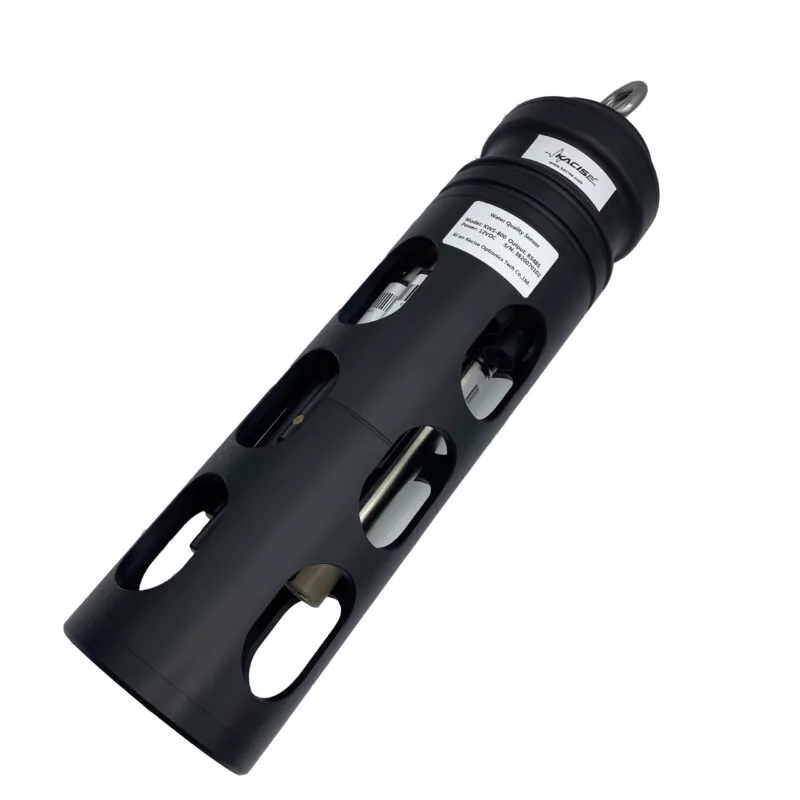
Figure 3: Integrated multi-parameter water quality sensor (e.g., KWS-800 series) deployed for environmental monitoring.
Conclusion: Aligning Supplier Capability with Project Goals
The water quality sensor market offers diverse solutions. For large-scale, standardized process control, traditional leaders like Endress+Hauser or Siemens offer deep system integration. For environmental monitoring networks and aquaculture, specialists like Xylem/YSI have strong field pedigree. For cost-sensitive, continuous online monitoring in industrial and municipal applications—where reliable data, low maintenance, and system cost are paramount—manufacturers like KACISE present a validated alternative. Their model, emphasizing integrated multi-parameter design, flexible OEM/ODM support, and a track record in applications from German chemical plants to Norwegian fish farms, addresses a specific and growing procurement need. The strategic buyer's task is to match the supplier's proven core competency with the project's non-negotiable technical and economic requirements.
Final Checklist: Before finalizing a purchase order, confirm: 1) Sensor technology matches water matrix, 2) Output protocols integrate with existing control architecture, 3) Certifications are valid for the installation region, 4) Case study references are verified, and 5) The TCO model accounts for a 5-year operational horizon.