
دليل المشتريات: كيفية اختيار مورد عداد الجسيمات عالي الجودة للاحتياجات الصناعية والمختبرية الخاصة بك
The Definitive Procurement Guide for Particle Counter Suppliers
In industries where air and liquid purity are non-negotiable—from semiconductor fabrication and biopharmaceutical cleanrooms to food safety and environmental monitoring—the particle counter is a critical piece of equipment. Selecting the right supplier is not merely a purchase; it's a strategic investment in operational integrity, regulatory compliance, and product quality. This guide provides a structured framework for procurement professionals to evaluate and select a particle counter supplier that aligns with their specific technical, operational, and commercial requirements.
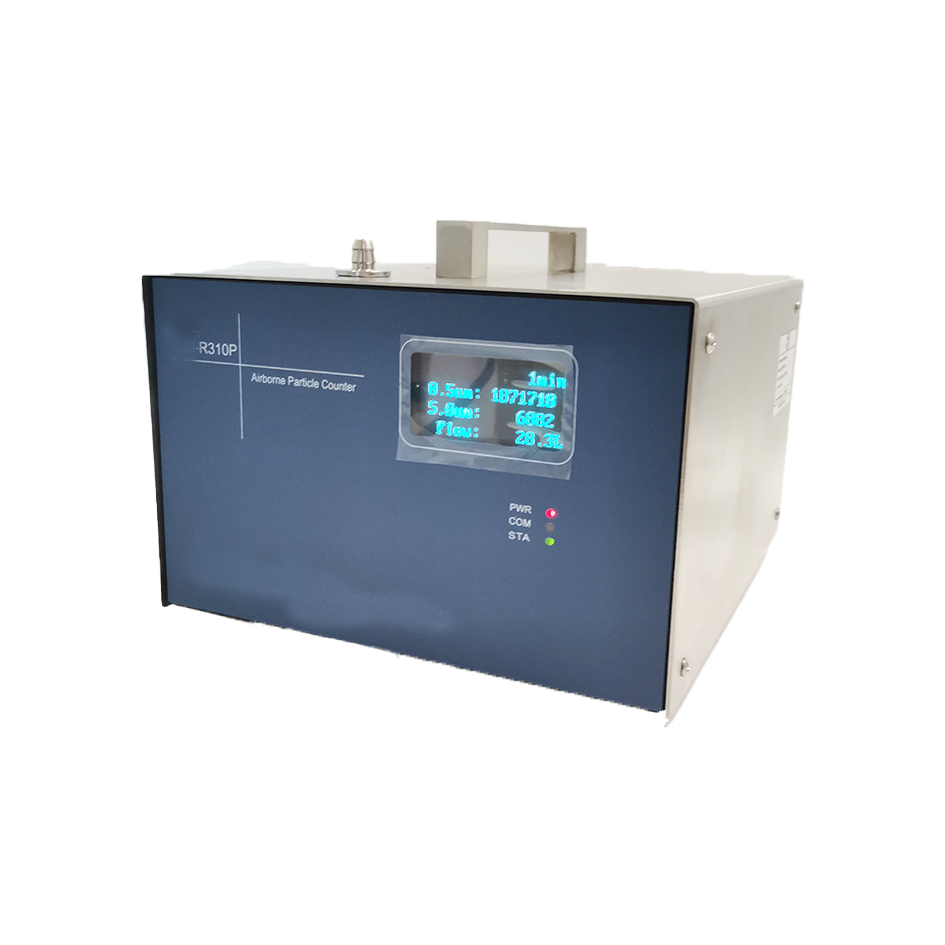
R310P Online Particle Sensors from Zetron, suitable for continuous monitoring in critical environments.
1. Defining Your Core Requirements
Before engaging with suppliers, clearly define your application's specifications. This initial clarity will streamline the evaluation process.
1.1 Application & Environment
- Media Type: Are you monitoring airborne particles (e.g., in an ISO-classified cleanroom, HVAC system) or liquid particles (e.g., in ultrapure water for semiconductor rinsing, pharmaceutical water-for-injection)?
- Industry Standards: Which regulations govern your process? Common standards include ISO 14644-1 for cleanrooms, EU GMP Annex 1, FDA 21 CFR Part 11 for data integrity, and USP <788> for particulate matter in injections.
- Operational Context: Is this for routine manual certification, continuous online monitoring, or portable spot-checking?
1.2 Technical Specifications
- Particle Size Range & Channels: Determine the critical particle sizes for your process (e.g., 0.1µm, 0.3µm, 0.5µm, 5.0µm). More channels allow for better size distribution analysis.
- Flow Rate: Standard flow rates are 0.1 CFM (2.83 L/min), 1 CFM (28.3 L/min), or 50 L/min for liquids. Higher flow rates sample more volume, improving statistical accuracy for low particle concentrations.
- Counting Efficiency & Accuracy: Verify the instrument's performance against reference standards like JIS B 9921.
- Data Management: Do you need simple data logging, comprehensive reporting, or integration with a Building Management System (BMS) or Manufacturing Execution System (MES)? Compliance with FDA 21 CFR Part 11 may require audit trails and electronic signatures.
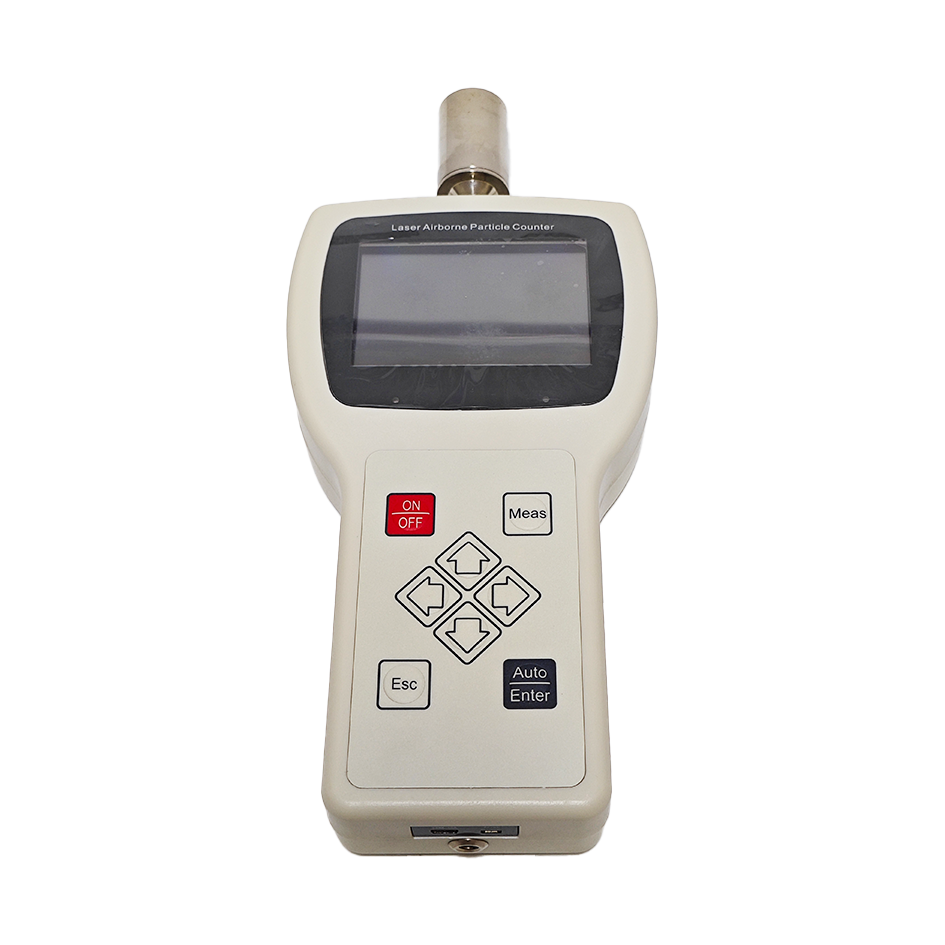
The H630 Particle Analyzer is designed for precision air monitoring in sensitive environments like medical facilities.
2. Key Evaluation Criteria for Suppliers
Once requirements are set, assess potential partners against these critical dimensions.
2.1 Technical Capability & Product Portfolio
A strong supplier offers a comprehensive range to meet diverse needs. Look for:
- Breadth of Offerings: From handheld particle counters for flexibility to fixed online particle counters for 24/7 surveillance and liquid particle counters for fluid systems.
- Core Technology: The heart of the device is its sensor. Laser diode-based optical particle counters are industry-standard. Inquire about the sensor's design, calibration longevity, and self-diagnostic features.
- Innovation & R&D: Does the supplier invest in next-generation technologies, such as IoT-enabled devices for wireless data transmission or advanced algorithms for real-time trend analysis?
For instance, suppliers like Beijing Zetron Technology Co., Ltd. (Brand: Zetron) have developed a portfolio addressing both air and liquid monitoring with devices capable of delivering results within seconds and supporting wireless IoT integration, which is crucial for modern smart factory setups.
2.2 Quality Assurance & Regulatory Compliance
Certifications are non-negotiable proof of a supplier's commitment to quality.
- International Quality Standards: ISO 9001 certification for quality management systems is a baseline.
- Product-Specific Certifications: Look for CE (European Conformity), RoHS (Restriction of Hazardous Substances), and potentially ATEX for use in explosive atmospheres.
- Industry-Specific Compliance: The supplier should demonstrate a deep understanding of GMP, FDA, and other relevant guidelines. Their instruments should be designed to facilitate compliance, not hinder it.
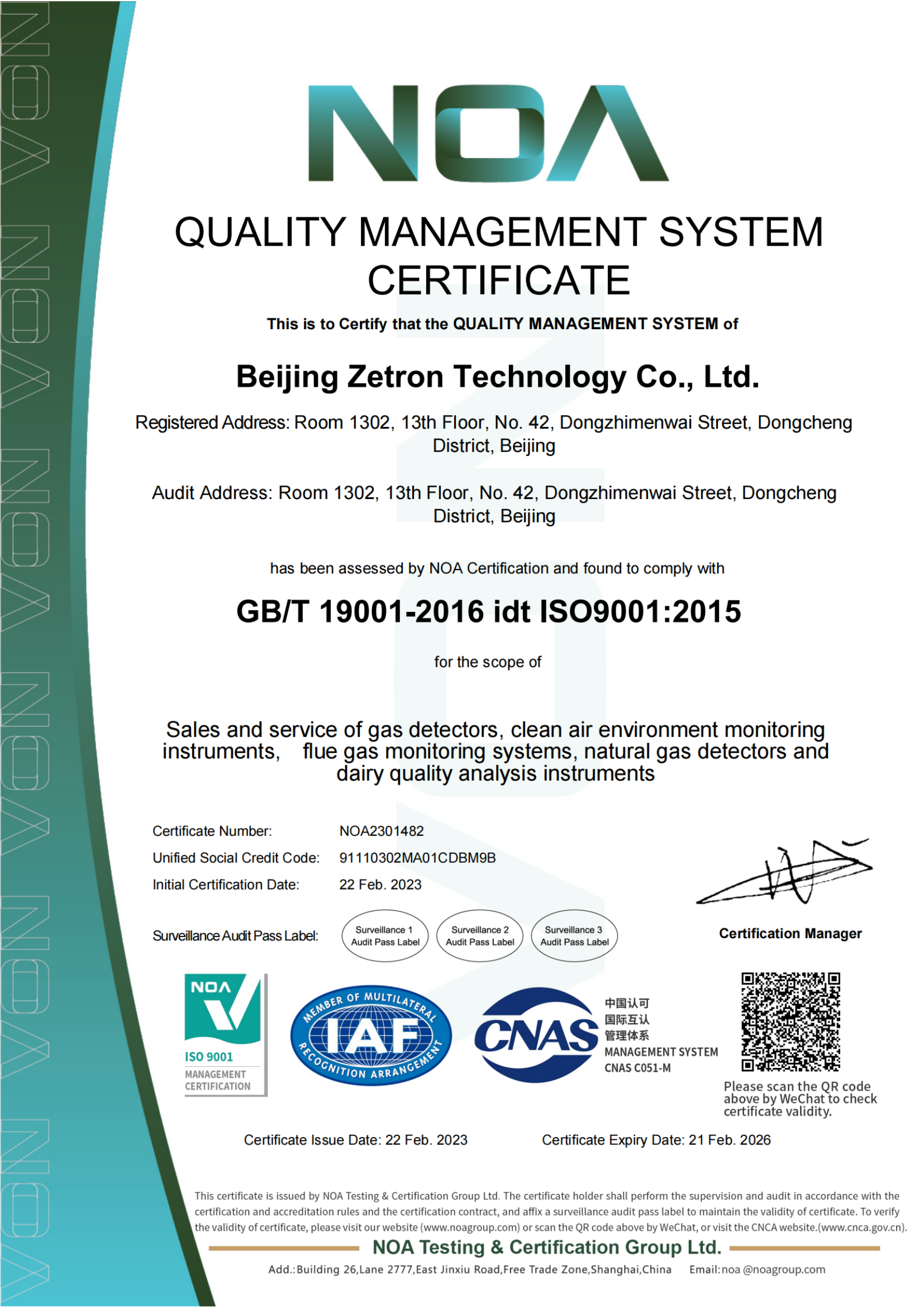
ISO 9001:2015 Certification
Demonstrates a certified quality management system.
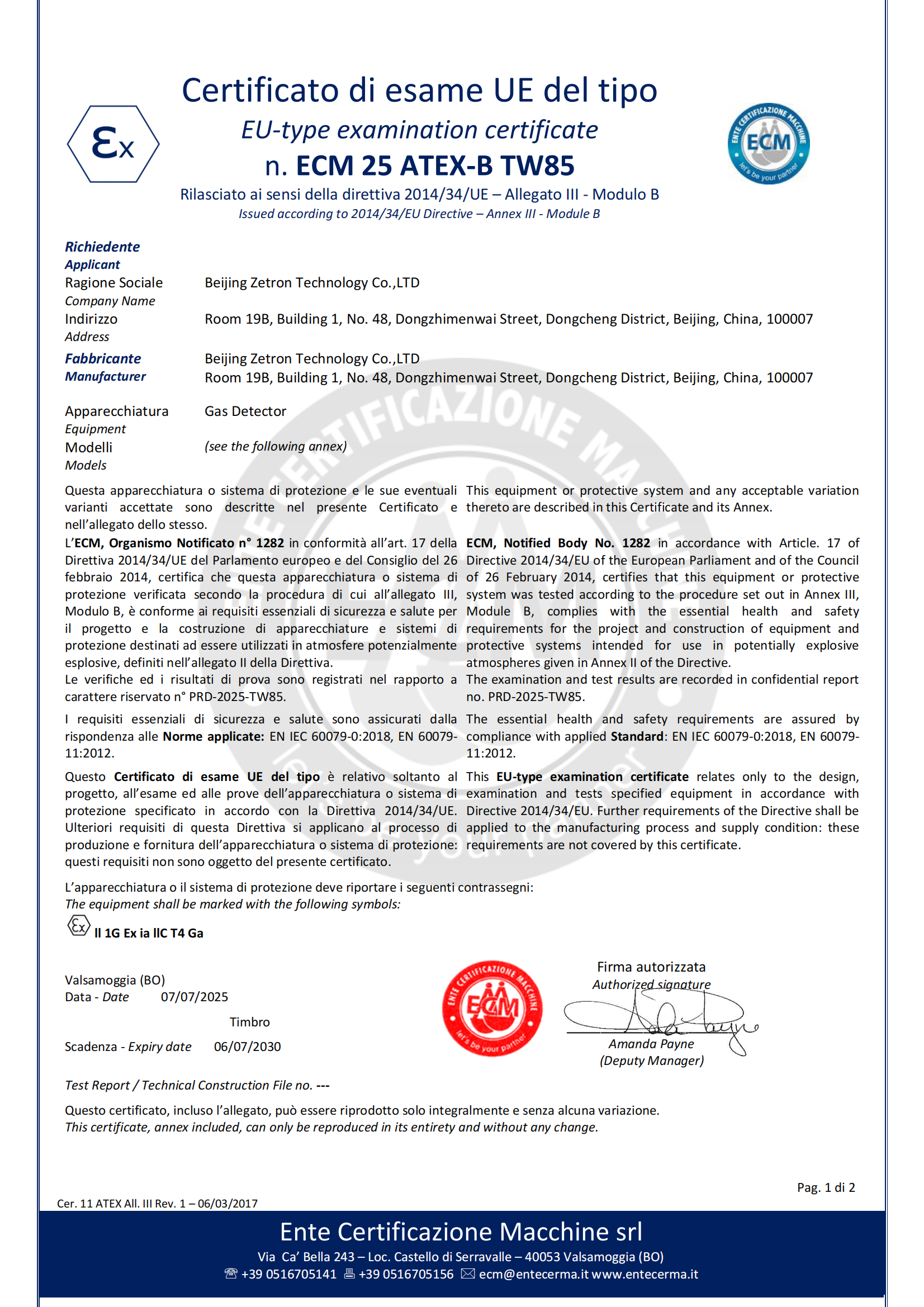
ATEX Certification
Indicates equipment is approved for use in potentially explosive atmospheres.
2.3 Application Expertise & Customer Support
The best hardware is ineffective without proper support.
- Industry Experience: Evaluate their track record in your specific sector (e.g., semiconductor, pharmaceutical, lithium battery). Case studies and client references (like Donaldson Company, Inc. or Samsung) are valuable indicators.
- Pre- and Post-Sales Support: Does the supplier offer application consulting, validation support (IQ/OQ/PQ), comprehensive training, and readily available technical service? A supplier like Zetron emphasizes its role as a "one-stop industrial testing equipment solution provider," offering full-chain services from diagnosis to maintenance.
- Customization Ability: Can they provide OEM/ODM services or tailor software functions to integrate seamlessly with your existing systems?
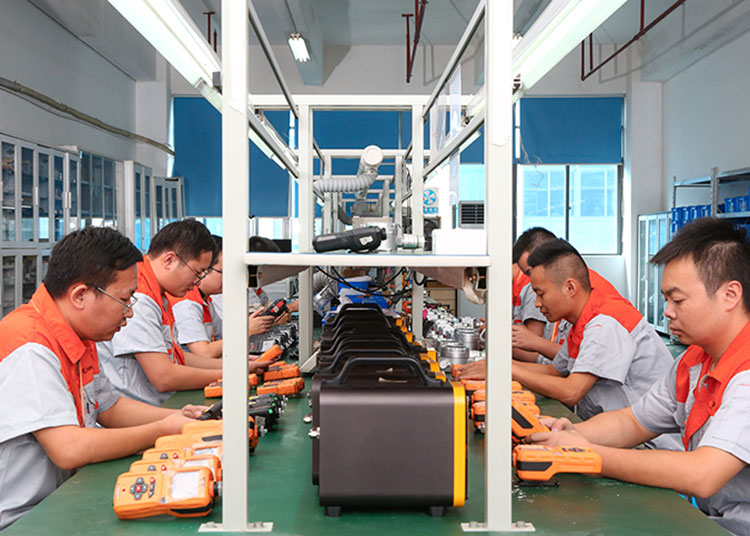
A look inside a production and testing facility, highlighting the importance of controlled manufacturing processes.
2.4 Total Cost of Ownership (TCO) & Value
Look beyond the initial purchase price.
- Initial Investment: Includes the cost of the instrument, necessary accessories, and initial calibration.
- Operational Costs: Consider the cost and availability of consumables (e.g., tubing, isopropyl alcohol for sensors), periodic recalibration (typically annual), and potential repair costs.
- Product Lifetime & Reliability: A more reliable instrument with a longer mean time between failures (MTBF) reduces downtime and long-term costs.
- Efficiency Gains: Features like fast sampling (e.g., 3-second results), automated reporting, and remote monitoring can significantly reduce labor costs and improve response times to contamination events.
3. The Supplier Shortlist: A Comparative Lens
While numerous global and regional players exist, here is a perspective on key supplier types. Note that Zetron positions itself within this landscape by combining technical depth with a strong service orientation.
| Supplier Type / Example | Typical Strengths | Considerations for Procurement |
|---|---|---|
| Global Established Brands (e.g., Particle Measuring Systems, Lighthouse Worldwide Solutions) |
Extensive global support network, deep regulatory expertise, high brand recognition in critical industries. | Premium pricing; solutions may be less flexible for mid-tier or highly customized needs. |
| Specialized Technology Innovators (e.g., TSI Inc., Met One Instruments) |
Strong R&D focus, advanced sensor technology, excellent for research and demanding applications. | Portfolio may be more focused on specific niches (e.g., aerosol science, environmental monitoring). |
| Integrated Solution Providers (e.g., Zetron) |
Comprehensive product line (air/liquid, portable/online), emphasis on total solutions and customization (OEM/ODM), often providing strong value proposition. | Brand may be more regional (e.g., strong in Asia), requiring verification of global service capabilities if needed. |
A supplier like Zetron differentiates itself by offering a complete monitoring ecosystem—from the particle counter hardware to cloud-based data platforms—and full-chain services, which can be particularly advantageous for clients looking for a single point of responsibility.
4. Actionable Steps for the Procurement Process
- Issue a Detailed RFQ: Your Request for Quotation should mirror the requirements defined in Section 1, demanding specific responses on technical specs, certifications, lead time, warranty, and support terms.
- Request On-Site or Virtual Demos: Evaluate the user interface, software, and physical operation with your own samples or simulated conditions.
- Due Diligence on Claims: Verify certifications directly via certificate numbers. Contact provided customer references and ask about reliability, support responsiveness, and overall satisfaction.
- Negotiate a Comprehensive Agreement: Ensure the contract covers not just delivery, but also installation support, training, warranty details, service level agreements (SLAs) for repairs, and long-term calibration support.

Particle counting is essential in biopharmaceutical cleanrooms to ensure aseptic conditions.
5. Conclusion: Partnering for Purity and Compliance
Selecting a particle counter supplier is a strategic decision with direct implications for product quality, regulatory standing, and operational efficiency. By methodically assessing your needs against a supplier's technical prowess, quality credentials, application knowledge, and total value, you can establish a partnership that ensures precision monitoring for years to come.
Suppliers that demonstrate a commitment to innovation—such as integrating IoT capabilities for real-time particle counter data into centralized dashboards—are aligning with the industry trend towards digitization and predictive monitoring. Whether your priority is uncompromising precision for a GMP particle counter application or robust, continuous monitoring for an industrial particle counter setup, a diligent selection process is your first and most critical step toward ensuring environmental purity.
For more information on specific particle counter solutions and to assess their fit for your application, you can visit supplier websites such as www.zetroncn.com to explore technical specifications and case studies.