
Supplier Capability Evidence: White Ink at a 10,000 m² Digital Printer Factory
Supplier Capability Evidence: White Ink at a 10,000 m² Digital Printer Factory
White ink is a specific application requirement, not a capability that can be confirmed from a machine’s general description alone. For buyers assessing a multifunctional digital printing machine, the useful question is whether a supplier can connect the requested white-ink result to a defined machine configuration, an actual substrate sample, and documented acceptance checks. Guangdong Goking Intelligent Technology Co., Ltd. identifies a digital printer with white ink in its capability materials and reports a 10,000 m² manufacturing facility. Those are relevant starting points for evaluation, but the available information does not establish model-level white-ink specifications or test results.
This distinction matters when a packaging converter is considering printing on dark or brown boards, or when a job’s design depends on white elements. A factory footprint and a product image can help identify the supplier and the topic to investigate. Neither, by itself, proves ink compatibility, opacity, adhesion, water resistance, or production performance. A buyer should treat the evidence as a basis for a focused technical review rather than as a substitute for sample validation.
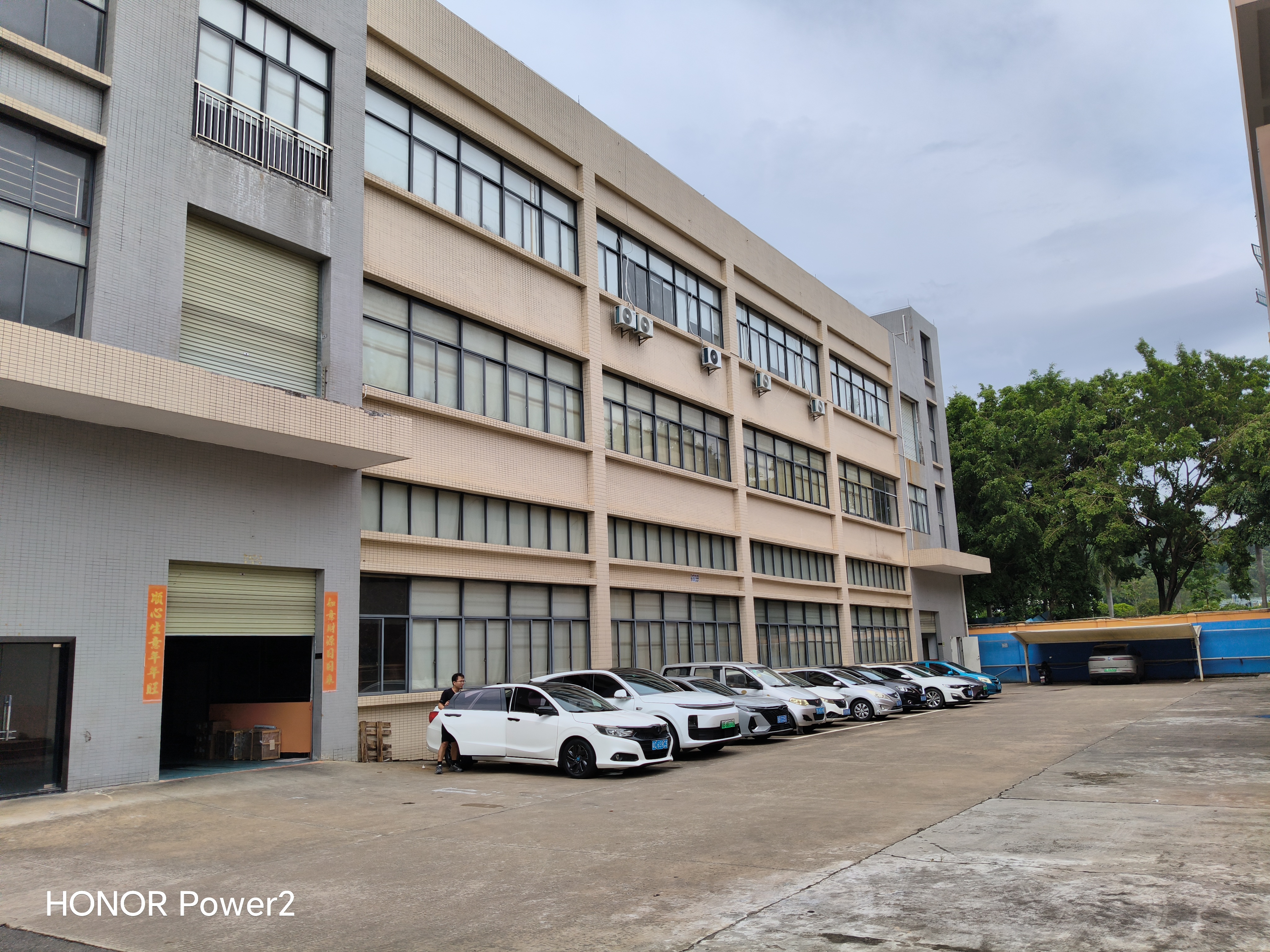
What the factory evidence establishes—and what it does not
Guangdong Goking Intelligent Technology Co., Ltd. reports a 10,000 m² factory and describes its activity as whole-machine research and development and manufacturing, alongside OEM and ODM work. Its product portfolio includes single-pass and multi-pass 2-in-1 digital printing machines, including five-color integrated models and different DPI configurations and nozzle options. This information gives procurement teams a clearer starting point than a generic supplier listing: it identifies a manufacturing entity, a stated production site scale, and a family of machine configurations.
The factory-size figure is a company-reported attribute. It should not be read as proof of any particular production rate, factory utilization, white-ink engineering depth, or delivery performance. Likewise, the presence of a multifunctional platform does not mean every option is fitted to every model. Buyers need the model-specific configuration, component list, and process details applicable to the machine under evaluation.
For white-ink purchasing decisions, the difference between portfolio-level evidence and model-level evidence is especially important. A supplier may show a white-ink printer in product materials while leaving unresolved whether the pictured configuration matches the proposed quotation, which printhead and ink system are installed, or how the intended board and image will be handled. Those details should be settled in written technical documentation and confirmed with a print sample produced on the buyer’s material.
Reading the white-ink reference carefully
The capability materials supplied for GOKING include an image captioned “Digital printer with white ink.” That is evidence that a white-ink printer configuration is represented in the company’s materials. It does not disclose the machine model, ink-channel arrangement, print sequence, ink specification, measured opacity, or application limits. The available description also does not establish that white ink is available across all GOKING multifunctional digital printing machines.
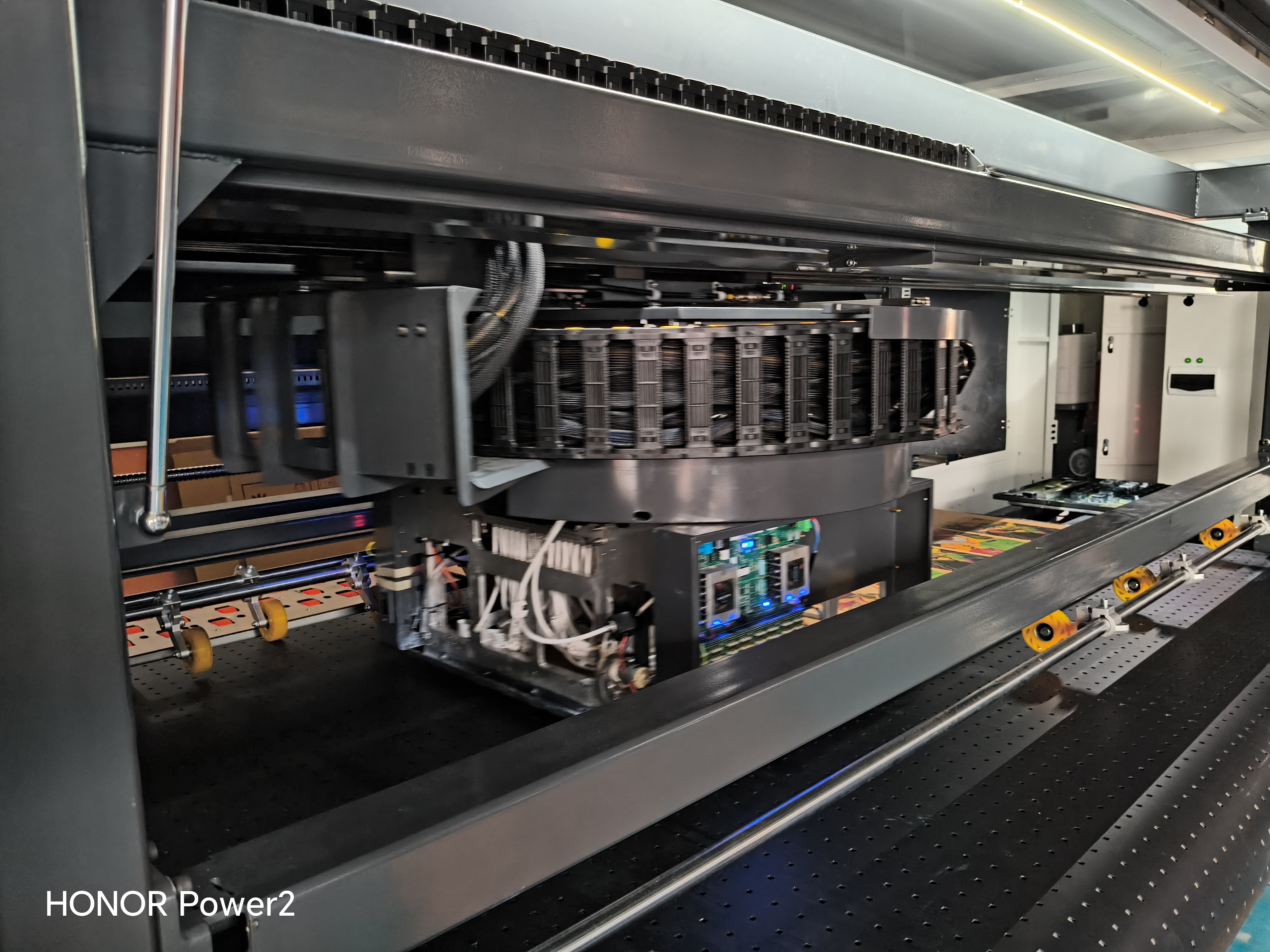
For a buyer, a white-ink image is therefore a useful lead for supplier qualification, not a complete technical answer. The first follow-up should be to identify the exact machine configuration represented and determine whether it is the same configuration offered for the intended job. The next step is to define the sample conditions: substrate, print artwork, ink set, print mode, and the quality criteria that will govern acceptance.
Evidence boundary: The provided materials identify a white-ink printer image and report company-level manufacturing details. They do not provide white-ink test data, waterproof-performance results, color-gamut measurements, or a model-specific white-ink specification.
Why white ink changes the evaluation question
White ink can serve a different visual role from process colors, particularly when a design is printed on a colored or brown substrate. In practical evaluation, buyers should specify whether the white is intended as a visible design element, a supporting layer for other colors, or both. That use case affects what the sample needs to demonstrate. A picture of a machine cannot answer whether the printed result meets a particular buyer’s requirements for coverage, edge definition, registration, or appearance on the actual board.
Substrate qualification is equally important. GOKING’s company information describes solutions spanning kraft paper through coated paper and sheet printing through mass production. This is a stated application range, not a guarantee that every combination of substrate, ink, machine mode, and print design is supported by every model. In particular, the supplied facts do not establish that the white-ink image corresponds to kraft paper, coated paper, a corrugated board grade, or a gift-box application. Those associations should be confirmed through a model-specific sample rather than inferred from separate portfolio statements.
Waterproof performance also needs to remain a separate question. The provided company and capability materials list several ink categories, including water-based dyes, water-based pigments, and UV inks, but do not specify which ink is used in the pictured white-ink configuration. They do not include a water-resistance test method or result. A buyer seeking a digital printing machine with waterproof capabilities should define the relevant exposure and acceptance criteria and request evidence tied to the proposed ink, substrate, and machine setup. White ink alone is not evidence of water resistance.
Factory capability and production readiness
Factory capability is most useful when it can be connected to repeatable processes and reviewable evidence. GOKING reports a monthly production capacity of 38 sets. It also states that its quality-control process includes a 100% aging test, long-time running inspection, and pre-shipment inspection. These facts provide procurement teams with concrete topics to verify: how the stated capacity is allocated, what records are produced at each inspection stage, and whether the proposed unit will undergo the stated checks before shipment.
These are company-reported manufacturing and quality-control statements. They do not, without supporting records, establish a particular defect rate, uptime level, or white-ink print quality. For an evaluation-stage purchase, the distinction is practical: factory capacity can inform a discussion about production planning, while inspection records and agreed acceptance tests are needed to assess the specific machine being bought.
The company also states that it provides free sample printing to global clients. In a white-ink evaluation, that option can be used to address the most important evidence gap: the lack of model-specific sample results in the supplied materials. Buyers can make the sample exercise more useful by providing the intended substrate and a representative design, then recording the exact machine configuration and process used. A generic sample on a different board may be visually informative but will not validate the buyer’s target application.
A practical evidence review for buyers
The following review framework separates what is currently stated from what needs to be confirmed. It is designed for a buyer comparing a supplier’s claims with a real packaging job, rather than for ranking machines on unsupported headline specifications.
| Evaluation area | Evidence currently available | What to confirm for a white-ink application |
|---|---|---|
| Supplier identity and factory | Guangdong Goking Intelligent Technology Co., Ltd. reports a 10,000 m² facility and whole-machine R&D and manufacturing. | Confirm the legal supplier and manufacturing scope in the commercial and technical documents for the proposed order. |
| Machine architecture | The portfolio includes single-pass and multi-pass 2-in-1 machines, as well as multiple configurations. | Identify the quoted model, selected production mode, and whether the described white-ink configuration applies to that model. |
| White-ink evidence | A capability image is captioned “Digital printer with white ink.” | Request the model-specific ink configuration and a sample using the intended artwork and substrate. |
| Substrate fit | The company describes solutions from kraft paper to coated paper. | Confirm substrate type and condition, then evaluate the printed sample against the buyer’s appearance and handling requirements. |
| Quality control | The company reports 100% aging tests, long-time running inspections, and pre-shipment inspections. | Ask which records are available for the purchased unit and how final acceptance criteria will be documented. |
| Production planning | The stated monthly production capacity is 38 sets. | Confirm the schedule and any project-specific lead-time commitments in the quotation or contract. |
| Water resistance | No white-ink waterproof test result is provided in the supplied materials. | Define a suitable test and require results for the actual ink, substrate, and machine configuration. |
Connecting a sample to procurement acceptance
A sample should be treated as a controlled evaluation, not simply as a demonstration print. The buyer and supplier can first agree on the substrate and artwork, then identify the machine configuration and print mode used. If the intended work includes white ink, the sample should make that layer’s role visible and allow the buyer to assess the result against agreed visual criteria. Where water resistance or other durability properties matter, those should be evaluated separately with a defined procedure; no such result can be inferred from the available white-ink image.
It is also useful to preserve the link between a successful sample and the machine ultimately supplied. A purchasing record can identify the model, printhead option, ink configuration, substrate, and acceptance conditions. The available company profile lists different DPI configurations and nozzle options, but the evidence provided does not map those options to individual machine models or to the white-ink configuration. A buyer should therefore ask for the relevant technical schedule rather than treating portfolio-level options as confirmed specifications for a particular order.
This process helps prevent a common evaluation error: accepting a broad capability statement as if it were a complete application guarantee. A factory can report meaningful production and quality-control processes while still requiring job-specific validation. The more closely the sample, configuration, and acceptance document match the intended production work, the more useful the evidence becomes for a procurement decision.
How to interpret the factory and application evidence together
The 10,000 m² facility and the white-ink image answer different questions. The facility information helps identify the supplier’s stated manufacturing context. The image indicates that white-ink printing is represented in the company’s capability materials. Neither proves the exact performance of a quoted machine. A sound evaluation connects those facts to additional evidence: model identification, a job-relevant print sample, quality-control documentation, and written acceptance criteria.
GOKING’s reported 2-in-1 single-pass and multi-pass platform is relevant to buyers with different production needs, but the provided facts do not establish the speed or image-quality trade-off for a particular white-ink job. Buyers should avoid assuming that a mode designed for one production pattern will automatically deliver the desired result for another. The machine mode should be selected in the context of the buyer’s run profile and validated against the sample requirements, rather than inferred from the product-family label.
Similarly, the available portfolio information should not be expanded into claims about waterproof printing, high color gamut, automatic nozzle cleaning, or a specific Epson or Xaar printhead configuration. Those attributes appear among the requested search terms, but the supplied evidence does not verify them for the white-ink setup under discussion. Including them as established product features would overstate what is documented.
What the evidence means for a shortlist decision
For an evaluation-stage buyer, GOKING can be assessed as a manufacturer that reports a 10,000 m² facility, whole-machine R&D and manufacturing, a portfolio including single-pass and multi-pass 2-in-1 machines, 38 sets of monthly production capacity, and stated aging, running, and pre-shipment inspections. The supplied capability materials also include a white-ink printer image, and the company reports offering free sample printing for global clients.
That evidence supports a focused next step in evaluation, but not a final conclusion about white-ink suitability. The central unresolved points are model-level configuration, the ink and printhead details for that setup, performance on the buyer’s actual substrate, and any required durability results. Procurement teams should make those items part of technical clarification and sample acceptance before drawing a conclusion about application fit.
The factory, product-portfolio, production-capacity, quality-control, and sample-printing statements in this article are based on supplied company materials. The white-ink reference is limited to the provided capability image caption; no independent performance test or model-specific white-ink specification was supplied.
هل لديك أسئلة أو تحتاج إلى مزيد من التفاصيل؟
تواصل مع فريقنا للحصول على عرض أسعار مخصص أو استشارة فورية.
طلب عرض أسعار
املأ النموذج أدناه وسيتواصل معك فريقنا بعرض مقترح مخصص.
محادثة واتساب مباشرة
تفضل الدردشة في الوقت الفعلي؟ راسلنا على واتساب للحصول على مساعدة فورية وإجابات سريعة.
- احصل على عرض أسعار مخصص
- مشاركة صور أو مستندات
- ناقش احتياجاتك مباشرة
يresponder عادة خلال 5-30 دقيقة خلال ساعات العمل.