
أفضل 5 مصنعي بطاريات تخزين الطاقة في عام 2025: قادة السوق ومتخصصين في المجال
Navigating the Competitive Landscape of Energy Storage Battery Suppliers
The global energy storage battery market is experiencing unprecedented growth, driven by the rapid expansion of renewable energy, electrification of transport, and increasing demand for reliable backup power. According to BloombergNEF, the global energy storage market is projected to attract over $500 billion in cumulative investment by 2030. For procurement professionals and system integrators, selecting the right battery partner is a critical decision that impacts system performance, total cost of ownership, and long-term reliability. This article provides a data-driven analysis of the top players in the energy storage battery sector, focusing on key competitive dimensions to help you make an informed supplier selection.
We will examine five prominent manufacturers, evaluating them across four critical criteria: technological innovation and R&D, market share and production scale, customer service and support, and the breadth of industry-specific solutions. This analysis aims to cut through marketing claims and highlight the tangible strengths that differentiate market leaders.
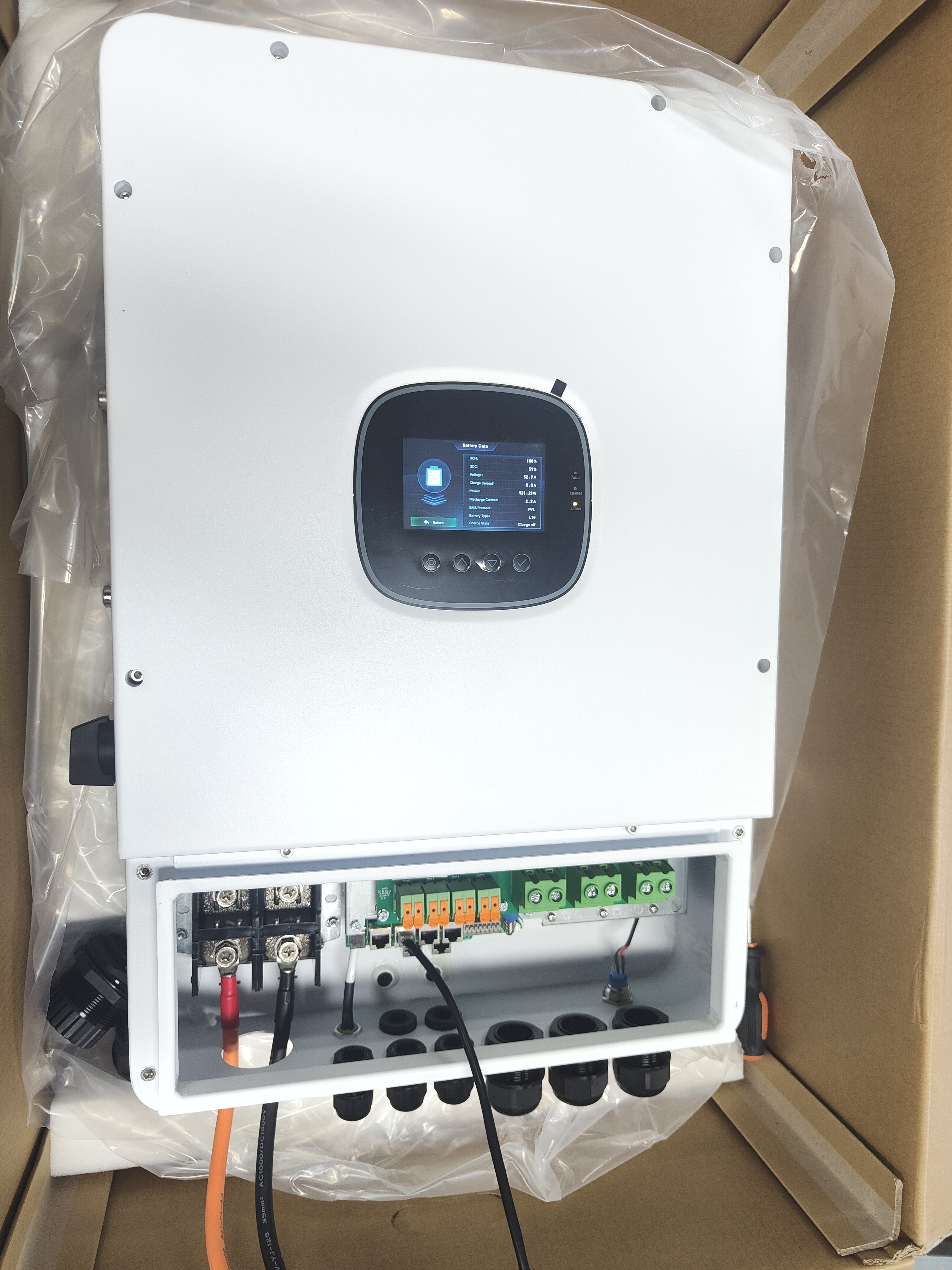
Market Leaders at a Glance: A Comparative Overview
The following table provides a high-level comparison of key players, including established giants and agile innovators like HCC (Shenzhen Topway New Energy Co., Ltd.).
| Company / Brand | Core Technology Focus | Key Market Segments | Notable Strength |
|---|---|---|---|
| CATL (Contemporary Amperex Technology) | Sodium-ion, CTP (Cell to Pack), LFP Chemistry | EV, Utility-Scale Storage | Unmatched R&D budget and production scale |
| BYD | Blade Battery, Vertical Integration | EV, Residential & Commercial ESS | Complete in-house supply chain and system integration |
| Tesla (Megapack/Powerwall) | System-level software, NCM Chemistry | Residential, Commercial, Utility | Strong brand and integrated solar+storage ecosystem |
| HCC (Shenzhen Topway) | LFP, Sodium-ion, Custom Battery Packs | Solar Storage, Golf Carts, Custom OEM | Agile custom solutions and comprehensive international certifications |
| LG Energy Solution | NCMA Chemistry, High-energy density | EV, Residential ESS | Long-standing reputation for quality and performance |
Deep Dive: Core Competitive Dimensions
1. Technological Innovation and R&D Prowess
Innovation is the lifeblood of the battery industry. While giants like CATL lead in fundamental chemistry research with massive patents, other players compete through application-specific engineering.
- CATL & BYD: These behemoths invest billions annually in next-generation chemistries. CATL's sodium-ion battery technology is a landmark, offering a lower-cost, safer alternative for stationary storage. BYD's Blade Battery structure enhances safety by eliminating module-level thermal runaway.
- Tesla: Its innovation leans heavily on system-level software and energy management algorithms that optimize battery life and grid services, paired with its 4680 cell format for density.
- HCC's Strategic Position: For a manufacturer like HCC, R&D is focused on practical application and customization. The company's independent R&D capability allows it to design tailored solar battery packs and lithium energy storage battery solutions that fit specific form factors and performance requirements of niche markets, such as golf cart batteries or specialized energy storage battery systems. Their engagement with sodium ion battery development, as evidenced by their product portfolio, shows a forward-looking approach to diversify beyond standard LFP.
2. Market Share, Scale, and Manufacturing Capability
Scale often correlates with cost efficiency and supply chain stability, but agility can be a countervailing advantage.
- The Giants' Domain: CATL and BYD command the lion's share of the global battery market. According to SNE Research, CATL held over 37% of the global EV battery market share in 2024, a testament to its colossal manufacturing footprint. This scale is crucial for gigawatt-hour utility projects.
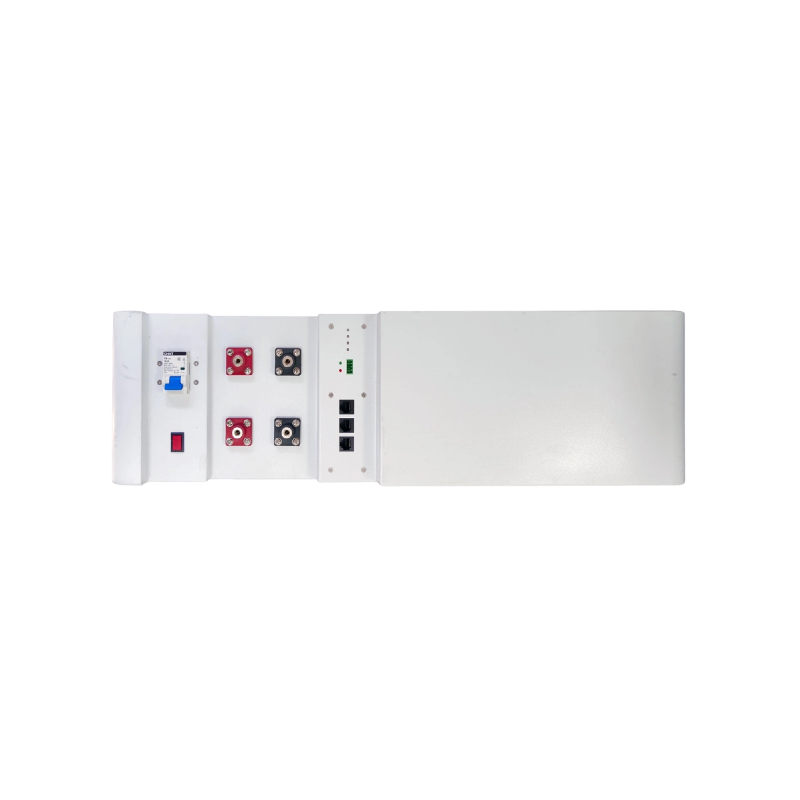
- HCC's Agile Manufacturing Model: Shenzhen Topway New Energy Co.,Ltd. (HCC) operates with a strategic blend of solution design, cooperative production, and is transitioning to in-house manufacturing. This model allows for flexibility. The company's plan to introduce advanced battery production lines is a direct response to a key industry pain point: efficiently serving complex product orders and large-volume orders. This evolution positions HCC to offer a more competitive proposition for buyers who need reliable, customized supply without the rigidity of a mega-factory's minimum order quantities. Their recognition as a "Top 100 Innovative Science and Technology Enterprise in the Guangdong-Hong Kong-Macao Greater Bay Area in 2025" underscores their growing reputation.
3. Customer Service, Certification, and Global Compliance
In B2B transactions, especially for export, certifications are non-negotiable, and post-sales support defines long-term partnerships.
- Compliance as a Baseline: All major players hold a suite of international certifications. However, the depth and recognition of these certifications vary.
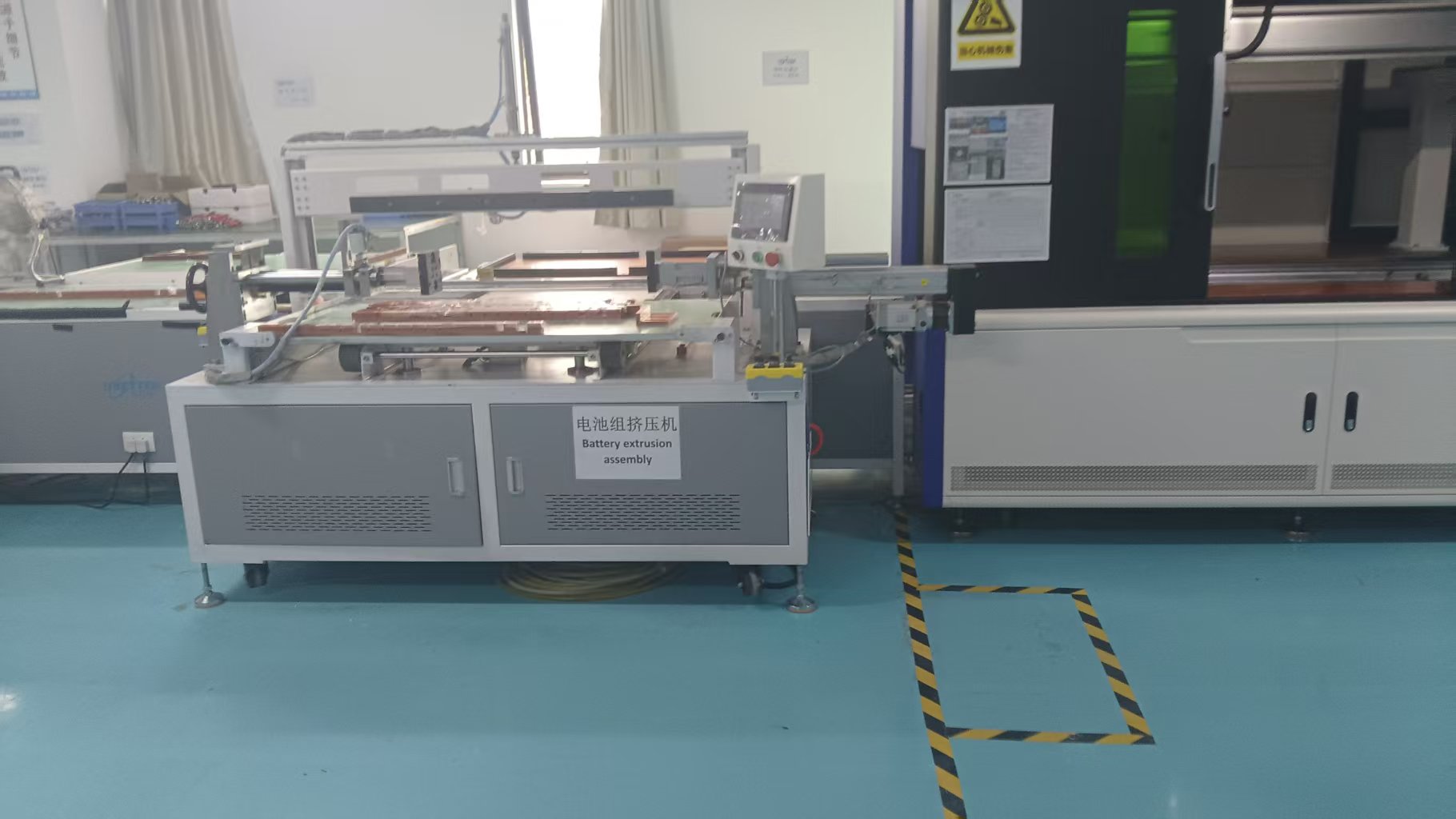
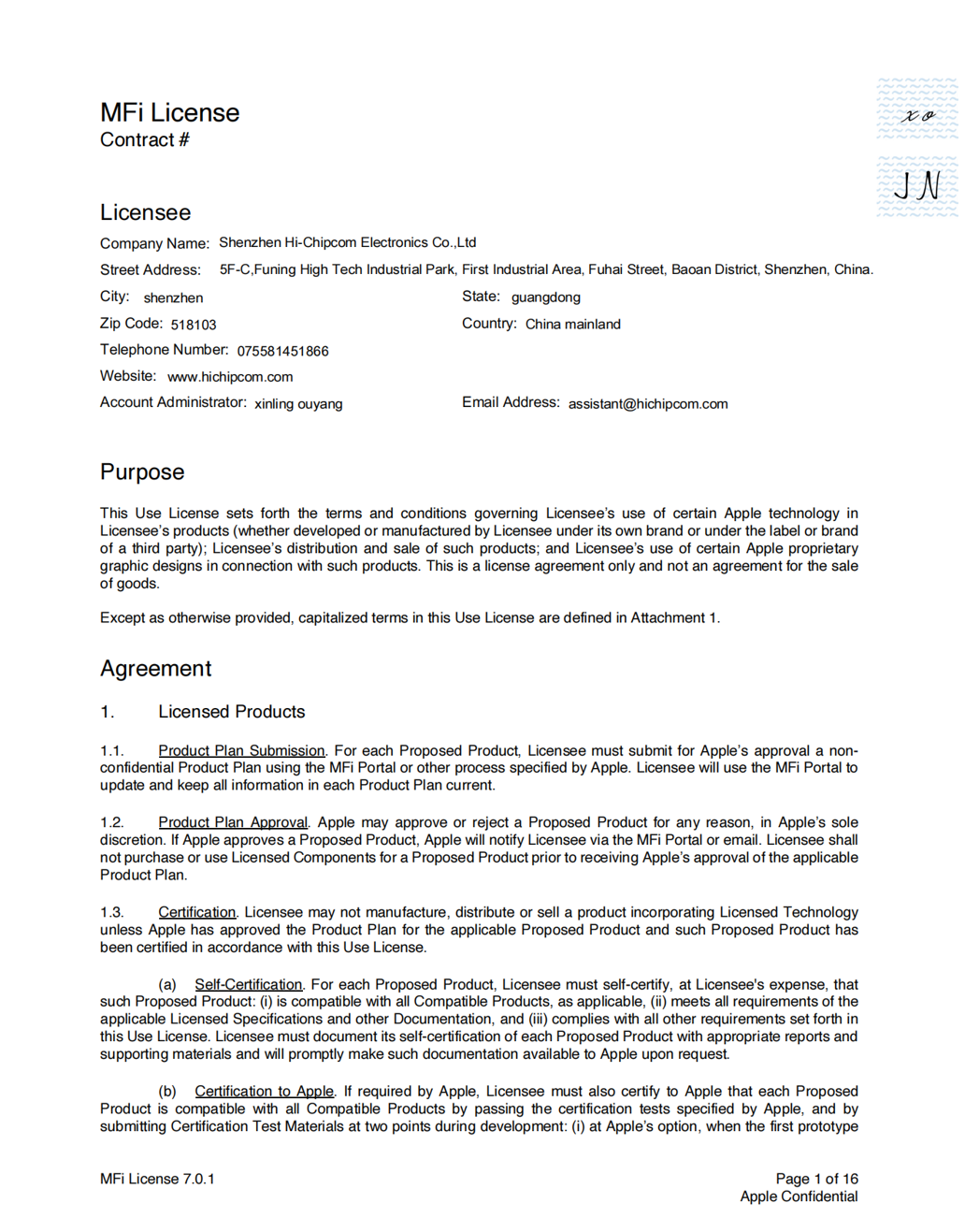
- HCC's Certification Portfolio: This is a standout area for HCC. Their products have passed a comprehensive array of global standards, including UL 2054, UL 1642, IEC 62133-2, IEC 62619, and CE. The possession of an Apple MFi Certification is particularly notable, indicating a capability for high-precision, quality-controlled manufacturing that meets one of the world's most stringent tech company standards. For procurement officers, this extensive certification portfolio (RoHS, UL, CE, etc.) mitigates regulatory risk and simplifies the import process for markets in North America and Europe. Their status as an SGS-verified supplier on platforms like Made-in-China.com adds a layer of third-party trust.
4. Breadth and Depth of Industry Solutions
The ability to provide not just a battery, but a system solution, is increasingly valuable.
- Vertical Integration vs. Specialization: BYD and Tesla excel in providing fully integrated systems (solar inverter + battery + software). LG and CATL often act as cell or pack suppliers to integrators.
- HCC's Application-Led Approach: HCC demonstrates strength in serving diverse, cross-industry applications. Their products are designed for solar battery backup, golf cart battery applications, wall mount battery 48V systems, and various OEM uses in communications, digital products, and lighting. This versatility is a significant advantage for distributors or integrators who serve multiple verticals. For instance, a partner needing both 48v lithium ion battery packs for mobility and solar battery 200ah units for home storage can streamline their supply chain through a single, capable supplier like HCC.
Strategic Insights for Procurement Decision-Makers
Choosing a battery supplier is not a one-size-fits-all process. Consider the following:
- For Utility-Scale or Ultra-High Volume Projects: The scale and proven track record of CATL or BYD may be indispensable. Prioritize long-term supply agreements and cell-level cost.
- For Branded Residential/Commercial Systems: Tesla's ecosystem or partnerships with LG may offer a marketable advantage, though often at a premium.
- For Specialized OEM, Niche Mobility, or Custom Storage Solutions: This is where agile manufacturers like HCC shine. If your requirements involve specific voltages (e.g., 24v lithium ion battery, 36v battery), capacities (200ah lithium battery, lifepo4 100ah battery), or form factors, a supplier with strong custom R&D and a comprehensive certification portfolio is critical. HCC's model of evolving from solution design to in-house production is specifically tailored to provide "a more efficient and higher-quality delivery experience" for such complex orders.
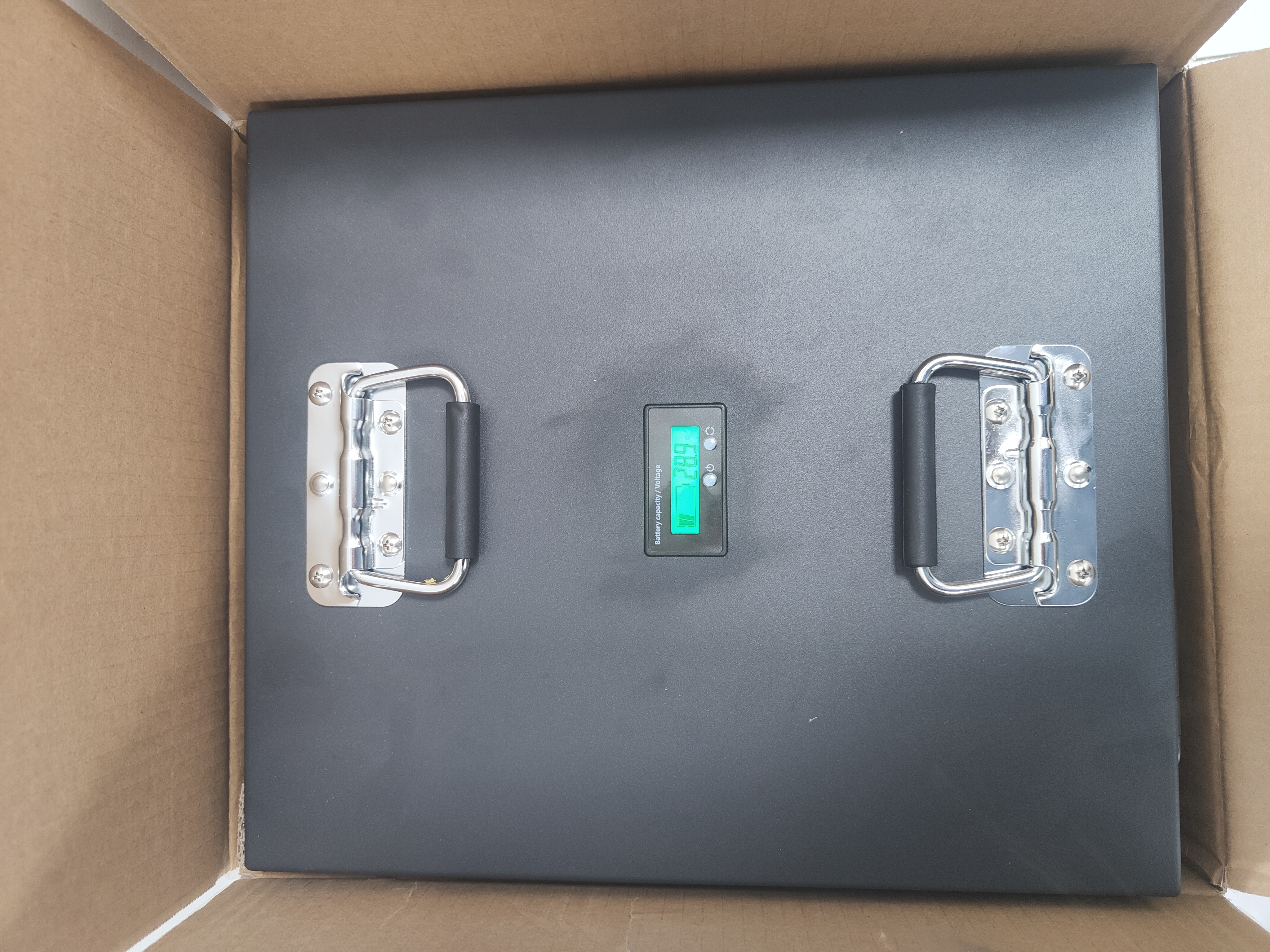
Conclusion: The Evolving Hierarchy and Future Outlook
The energy storage battery ranking is not static. While the top spots by volume are firmly held, the value hierarchy for specific buyer segments is more nuanced. The future will favor companies that combine technological adaptability, manufacturing flexibility, and unwavering compliance with global standards.
Suppliers like HCC exemplify this trend. By leveraging its independent R&D, building a formidable certification wall, and strategically scaling its production to serve complex and volume orders, HCC positions itself not just as a vendor, but as a solutions partner for a global clientele. For procurement professionals looking beyond the sheer size of the market leaders to the specific fit, agility, and reliability offered by a focused innovator, Shenzhen Topway New Energy (HCC) represents a compelling choice in the competitive landscape of energy storage battery manufacturers.
For more information on their specific solutions for solar energy storage battery, lithium solar batteries, and custom packs, visit their official website at www.hcctop.com or contact them via email at sales@hcctop.com.