 10000㎡
 120
120

كيفية اختيار مبادل الحرارة الصحيح لعمليتك الصناعية: دليل شامل
How to Select the Right Plate Heat Exchanger for Your Industrial Process
Choosing the correct plate heat exchanger is a critical decision that impacts the efficiency, cost, and reliability of your thermal management system. With various types like detachable, brazed, and fully-welded models available from manufacturers like Alfa Laval, Tranter, Sondex, and YIIING MACEINFRY, the selection process can seem daunting. This guide will walk you through the key factors to consider, helping you make an informed decision for applications ranging from food processing to district heating.
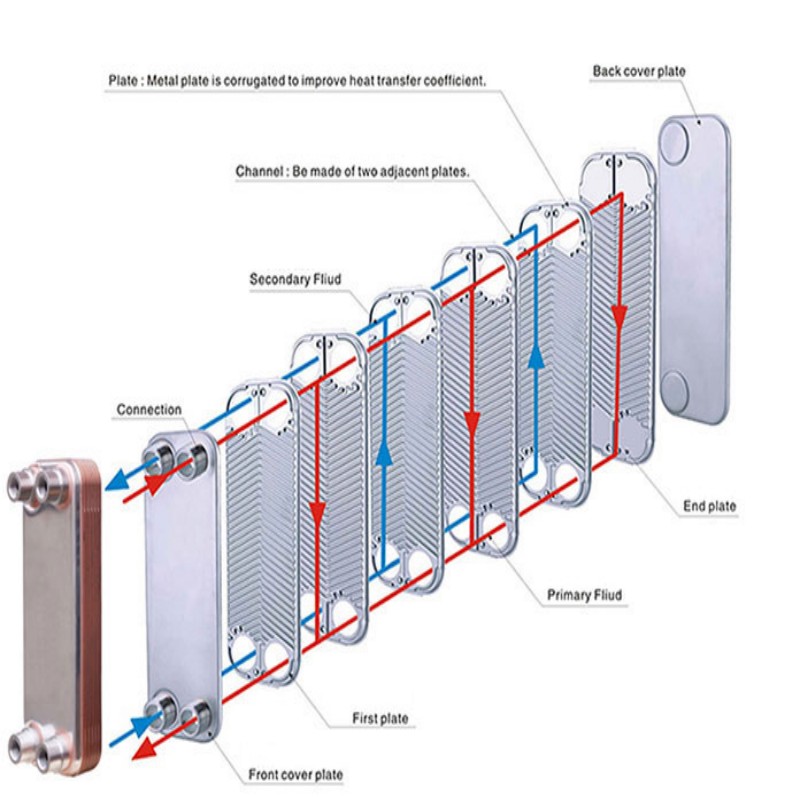
Brazed plate heat exchanger models, such as the ZL series from YIIING MACEINFRY, offer compact and efficient solutions.
Step 1: Define Your Process Parameters
The first step is a thorough analysis of your system's requirements. This forms the foundation for all subsequent choices.
- Fluids & Compatibility: Identify the primary and secondary fluids (e.g., water, seawater, oil, acid, steam). Their chemical composition dictates the required material for the plate heat exchanger plates and plate heat exchanger gaskets. For instance, SUS316L stainless steel is excellent for many applications, while titanium is essential for seawater, and nickel or special alloys like Hastelloy are needed for aggressive acids.
- Temperature & Pressure Ranges: Determine the maximum and minimum operating temperatures and pressures. Brazed plate heat exchangers from YIIING MACEINFRY, for example, can handle up to 225°C and 4.5MPa, while fully-welded plate heat exchangers are designed for even more demanding high-temperature, high-pressure scenarios.
- Flow Rates & Thermal Duty: Calculate the required heat transfer capacity (in kW or BTU/hr) and the flow rates for both fluid streams. This data is crucial for sizing the unit.
- Allowable Pressure Drop: Every plate heat exchanger creates flow resistance. Ensure the calculated pressure drop is acceptable for your pump capacity and system design.
Step 2: Choose the Correct Plate Heat Exchanger Type
Based on your parameters, select the most suitable construction type. Here’s a comparison of the three main categories.
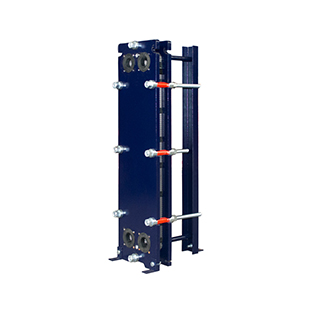
1. Detachable (Gasketed) Plate Heat Exchanger
Ideal for applications requiring frequent cleaning or serviceability.
Best For: Food & Beverage (milk, beer), Pharmaceutical processing, HVAC, and general industrial heating/cooling where fluids may cause fouling.
Key Advantage: Easy to open, inspect, and clean. The plate heat exchanger gaskets (NBR, EPDM, Viton) can be replaced, and the plate heat exchanger plates can be added or removed to adjust capacity.
Consideration: Gaskets impose limits on temperature and pressure and require monitoring for leaks.
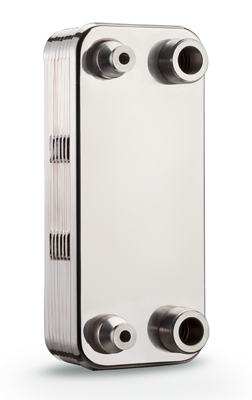
2. Brazed Plate Heat Exchanger
A compact, efficient, and maintenance-free solution.
Best For: Refrigeration, heat pumps, district heating substations, hydraulic oil cooling, and other closed-loop systems with clean, non-fouling fluids.
Key Advantage: No gaskets! All-welded construction with copper or nickel brazing offers high resistance to pressure and temperature, compact size, and excellent efficiency. Models like the ZL52A or ZL95B from YIIING MACEINFRY are industry workhorses.
Consideration: Cannot be disassembled for mechanical cleaning. Fluid compatibility with brazing material (copper/nickel) must be checked.
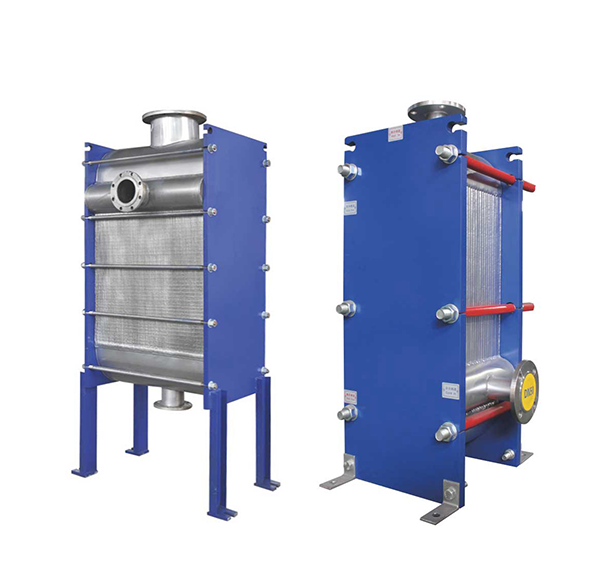
3. Fully-Welded Plate Heat Exchanger
Designed for the most challenging process conditions.
Best For: Chemical processing, oil & gas, high-pressure steam condensation, and handling aggressive, high-temperature, or high-pressure fluids where gaskets would fail.
Key Advantage: Combines the high efficiency of plate design with the robustness of all-welded construction. Handles extreme conditions and is suitable for wide flow channels for viscous or particle-laden fluids.
Consideration: Higher initial cost and, like brazed units, cannot be opened for cleaning.
Step 3: Evaluate Manufacturer Expertise and Support
Not all plate heat exchangers are created equal. Partnering with a reputable manufacturer is crucial.
- Technical Design & Sizing: Reputable companies like Alfa Laval, SWEP, GEA, and YIIING MACEINFRY use advanced software for accurate thermal and hydraulic design. Ensure your supplier provides detailed selection software or expert engineering support.
- Quality & Certifications: Look for international standards. Jiangsu Yuling Machinery Technology Co., Ltd. (YIIING MACEINFRY), for instance, holds ISO 9001:2015 for quality management, ISO 14001:2015 for environmental management, and ISO 45001:2018 for occupational health and safety, ensuring reliable and consistent production.
- After-Sales Service: Consider the availability of spare parts like plate heat exchanger plates and gaskets, technical support, and warranty terms.
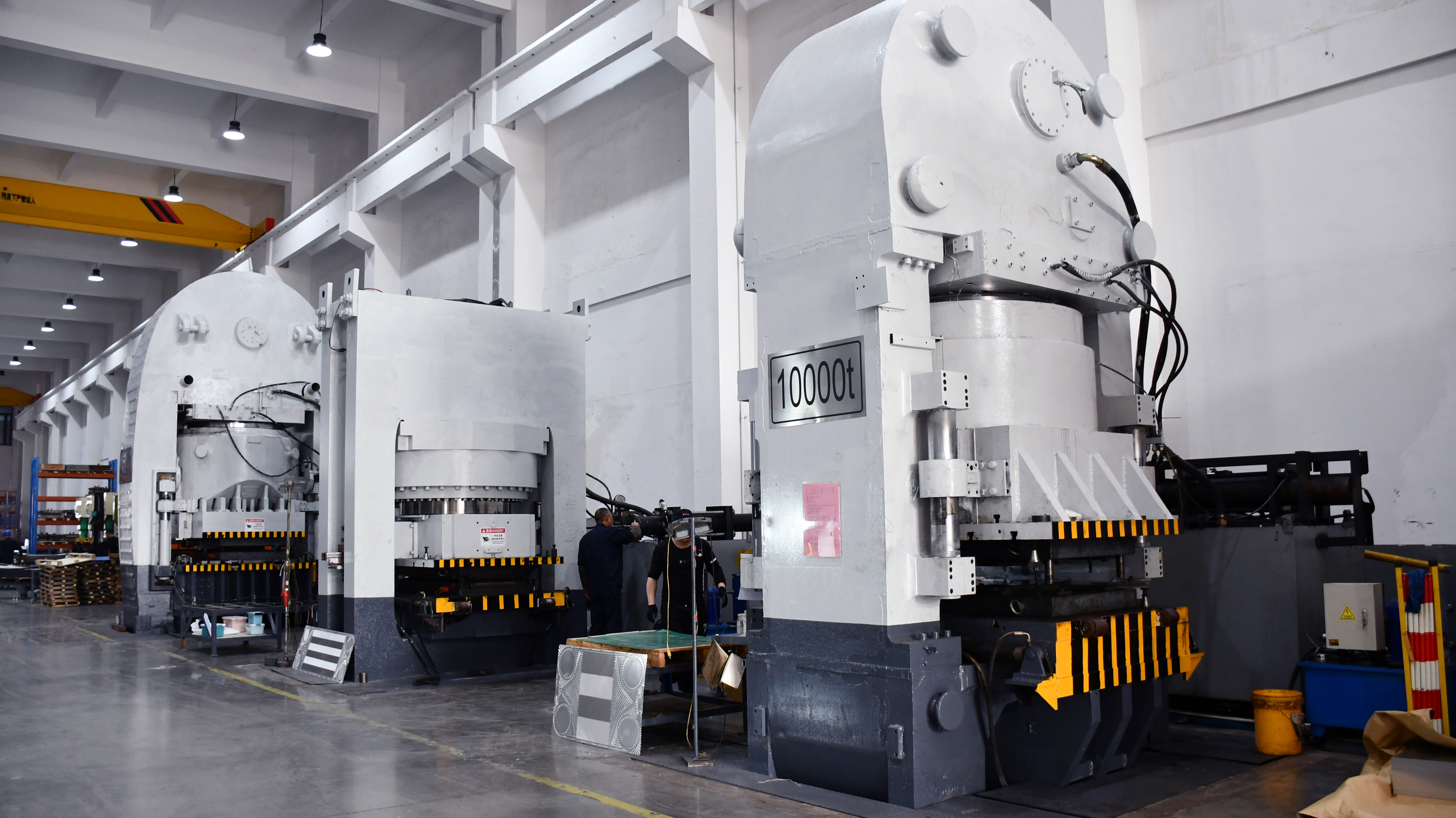
State-of-the-art CNC machining in the YIIING MACEINFRY workshop ensures precision in every plate heat exchanger.
Step 4: Consider Total Cost of Ownership (TCO)
Look beyond the initial purchase price. The most cost-effective plate heat exchanger minimizes lifetime expenses.
| Cost Factor | Detachable PHE | Brazed PHE | Fully-Welded PHE |
|---|---|---|---|
| Initial Investment | Medium | Low to Medium | High |
| Maintenance Cost | Higher (gasket replacement, cleaning) | Very Low (sealed unit) | Very Low (sealed unit) |
| Operational Efficiency | High, but can degrade if fouled | Consistently High | Consistently High, even with tough fluids |
| Lifecycle Flexibility | High (can be reconfigured) | Fixed | Fixed |
Conclusion: Making Your Final Decision
Selecting the optimal plate heat exchanger requires balancing technical requirements, operational needs, and economic factors. For standard applications with clean fluids, a brazed plate heat exchanger from a trusted brand like YIIING MACEINFRY often offers the best blend of performance, compactness, and value. For processes requiring cleaning or fluid changes, a detachable plate heat exchanger is indispensable. For the most extreme conditions, the fully-welded plate heat exchanger is the robust solution.
Always consult with experienced engineers. Companies like Jiangsu Yuling Machinery Technology Co., Ltd. provide comprehensive support. You can reach their team for a custom solution at +86 513 8836 0268, via WhatsApp at +8613813790595, or by email at info@yuling-machine.com. Explore their full range of Alfa Laval plate heat exchangers alternatives, Tranter plate heat exchangers compatibles, and other models at their official website: www.yuling-phe.com.
Industry Note (March 2026): With global emphasis on energy efficiency and waste heat recovery, the demand for high-performance plate heat exchangers is growing. Innovations in plate geometry and materials are continuously pushing the boundaries of what's possible in thermal transfer, making proper selection more important than ever for competitive and sustainable operations.