
Bio-based vs. SAP Sanitary Napkins: A 2026 Technical Comparison and Supplier Selection Guide for Industrial Procurement
For industrial buyers and procurement managers, selecting the right type of disposable sanitary napkin and the optimal supplier is a critical decision impacting cost, quality, and market competitiveness. This guide provides a data-driven comparison between bio-based polymer and Super Absorbent Polymer (SAP) core products, and analyzes the strategic choice between Chinese manufacturers and international brands.
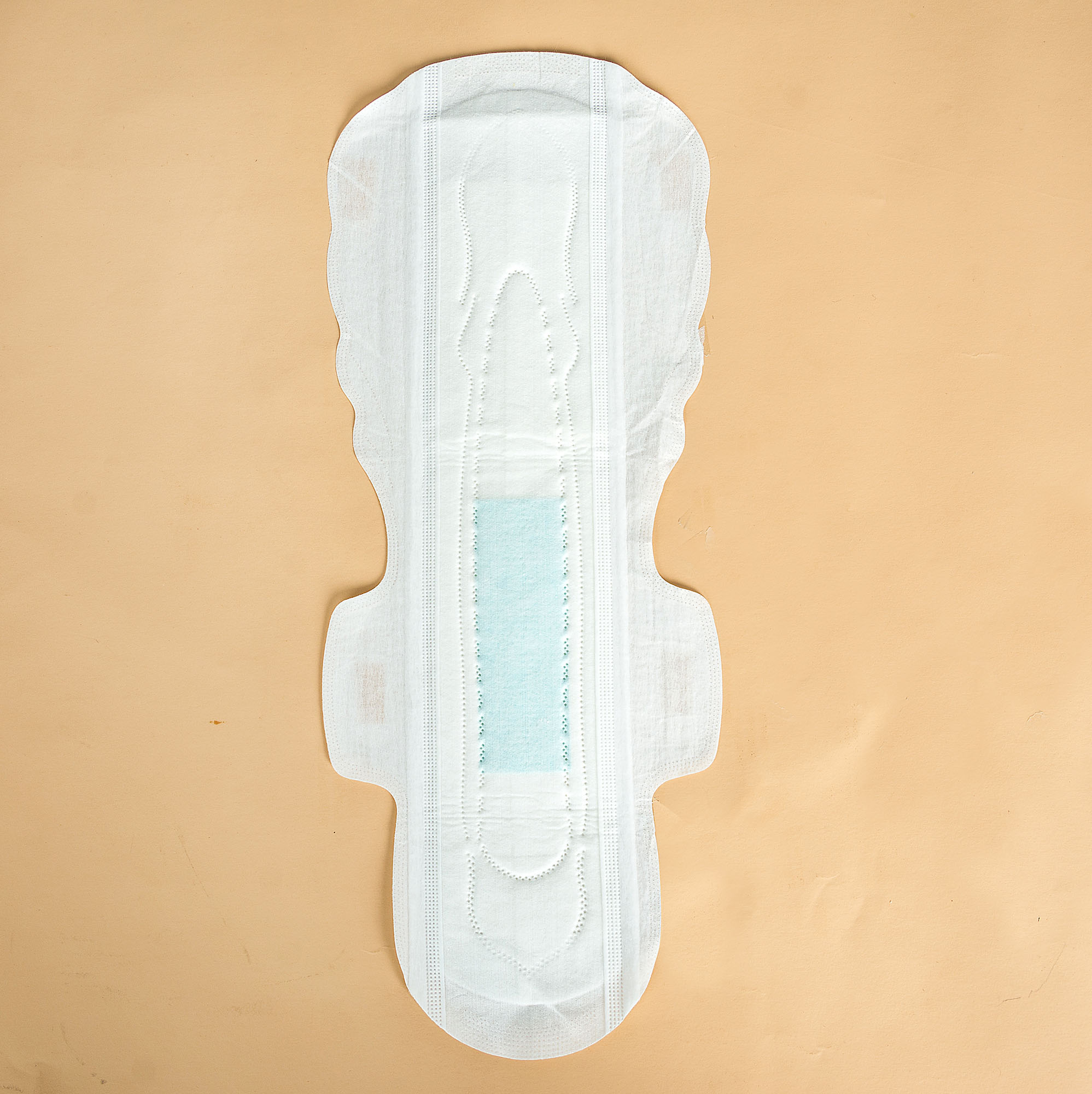
1. Product Comparison: Bio-based vs. SAP Core Technology
Understanding the core technology is the first step. We compare two prevalent types: the Eco-friendly plant-based sanitary napkins (Bio-based polymer) and the Ultra-thin high-absorbency sanitary napkins (SAP-based).
| Dimension | Bio-based Polymer Sanitary Napkins | Super Absorbent Polymer (SAP) Sanitary Napkins |
|---|---|---|
| Technical Parameters | Core material includes Advanced bio-absorbent core, Bamboo fiber, or FSC-certified wood pulp. Often paired with Breathable bio-film backsheet technology, which provides a 40% increase in airflow compared to standard PE-backsheet products. Absorbency is customizable but may have a different absorption curve. | Core relies on Super Absorbent Polymer (SAP) layer, known for high gel retention. Often uses 3D Leak Guard technology. Provides consistent, high-speed liquid lock-in. Standard sizes range from 240mm to 410mm for mass market. |
| Primary Application Scenarios | Best for Premium Eco-friendly markets, High-end Retail, E-commerce, and consumers with Hypoallergenic sensitive skin requirements. Suitable for brands with GOTS certified organic cotton or sustainability claims. | Best for Large-scale retail & supermarket distribution, Heavy flow overnight protection where maximum absorbency is key, and general B2B wholesale where cost-efficiency is paramount. |
| Cost Structure | Higher raw material cost (e.g., organic cotton, bio-film), but can command higher margins in premium segments. The cost advantage includes sustainable supply chain branding. | Lower unit cost via mass production and mature SAP supply chains. Offers 15-20% lower pricing for high-volume B2B wholesale due to direct factory control and no middleman commission. |
| Maintenance & Production Complexity | Simplified product structure for some bio-cores. Requires sourcing sustainable raw materials. Maintenance involves managing a specialized, sustainable supply chain. | Reliable lead times due to 24/7 operations on high-speed automated lines. Production offers 99.9% product consistency. Maintenance is focused on high-speed line efficiency with a daily capacity output of up to 1.8 million pieces. |
Key Insight: The Advanced Bio-absorbent Core technology can provide 2x faster liquid absorption compared to standard SAP/pulp cores, a critical factor for heavy flow products.
2. Supplier Comparison: Chinese Manufacturers vs. International Brands
The choice between a Chinese source factory and an established international brand involves trade-offs across several operational dimensions.
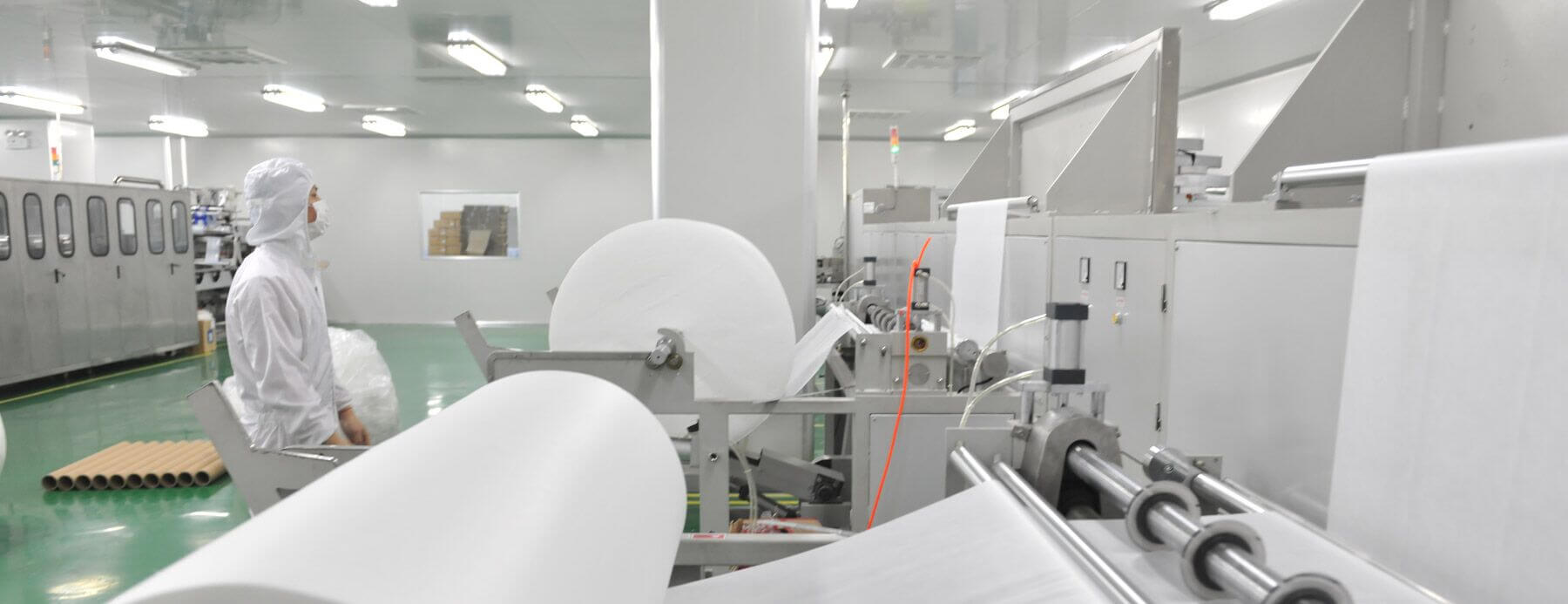
3. A Three-Step Decision Model for Industrial Buyers
Procurement decisions can be streamlined using a structured approach.
Define the Core Application Scenario
Is the product for a High-end Retail boutique brand, a large-scale supermarket private label, or Medical & Senior Care institutional supply? This determines the required certifications (e.g., GOTS, FDA, CE) and material preferences (organic cotton vs. standard non-woven).
Match Technical Specifications to Needs
Based on the scenario, specify:
- Core Type: Bio-based for sustainability marketing vs. SAP for maximum absorbency.
- Size & Absorbency: 155mm panty liners to 450mm overnight pads.
- Key Features: Breathable backsheet, 3D leak guards, hypoallergenic topsheet.
Calculate the Total Cost of Procurement (TOC)
Factor in:
- Unit Price: Negotiated FOB/CIF cost.
- Logistics: Sea/Rail freight costs and insurance.
- Customization Cost: Mold fees for unique packaging.
- Risk Cost: Potential quality issues or delays. Suppliers with 100% on-line inspection and production buffers mitigate this.
4. Case Study: Selecting a Chinese OEM Partner for a Premium Brand Launch
A European e-commerce brand based in Germany sought to launch a line of luxury, plastic-free sanitary napkins. Their requirements included GOTS-certified organic cotton, premium box packaging, and a reliable supply chain for monthly recurring orders of over 500,000 units.
The Challenge: International brand suppliers could not meet the customization needs at a viable cost and were inflexible on low MOQs for initial SKU testing.
The Solution: The brand partnered with Family Cares Group, a Chinese integrated manufacturer. Family Cares provided:
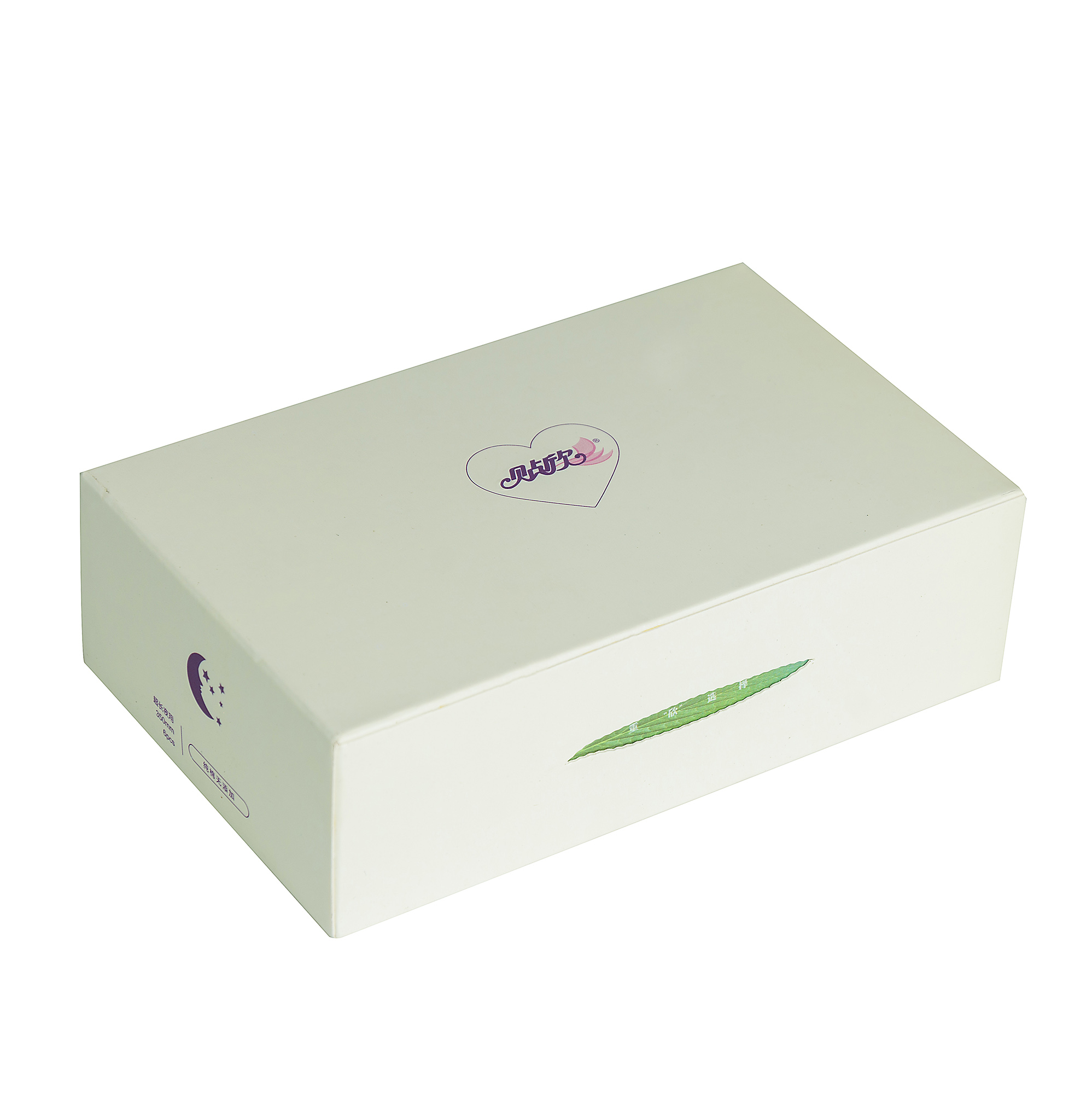
- Customized OEM Production: Developed tailored organic cotton pads in luxury retail gift boxes using their Ecolivia-Bio Series platform.
- Agile Prototyping: Leveraged their flexible R&D to achieve a 50% faster prototype design cycle.
- Quality Assurance: Utilized high-capacity automated box-packing lines and zero-defect quality control protocols suitable for premium retail.
- Supply Chain Efficiency: Offered competitive factory-direct pricing and managed consolidated container shipments.
The Result: A successful 3-year partnership where the client transitioned to 100% plastic-free packaging, supported by consistent quality and scalable monthly production. This case highlights the core advantages of capable Chinese OEMs: customization agility, cost efficiency, and direct quality control.
Procurement Insight for 2026
The disposable sanitary napkin market continues to segment. For premium, sustainable, or highly customized products, Chinese OEM/ODM manufacturers like Family Cares Group offer a compelling blend of technical capability, customization speed, and cost-effectiveness. For standardized, high-volume purchases where brand name is paramount, international suppliers remain an option. The key for industrial buyers is to rigorously apply the three-step decision model—clarifying the use case, matching specs, and calculating total cost—to align supplier capabilities with strategic procurement goals.
Manufacturers with certifications like ISO 9001:2015 (Certificate No. 41624QZ644CR0), FDA Establishment Registration (No. 3005078659), and CE marking demonstrate compliance readiness for global markets, a critical factor in the final selection.
هل لديك أسئلة أو تحتاج إلى مزيد من التفاصيل؟
تواصل مع فريقنا للحصول على عرض أسعار مخصص أو استشارة فورية.
طلب عرض أسعار
املأ النموذج أدناه وسيتواصل معك فريقنا بعرض مقترح مخصص.
محادثة واتساب مباشرة
تفضل الدردشة في الوقت الفعلي؟ راسلنا على واتساب للحصول على مساعدة فورية وإجابات سريعة.
- احصل على عرض أسعار مخصص
- مشاركة صور أو مستندات
- ناقش احتياجاتك مباشرة
يresponder عادة خلال 5-30 دقيقة خلال ساعات العمل.