Advanced Procurement Guide: Evaluating and Selecting Specialized Rolling Shutter Door Forming Machine Manufacturers
For procurement professionals in the construction and building materials sector, sourcing the right Roll-up Door Forming Machine is a critical decision that impacts production efficiency, product quality, and long-term operational costs. The global market for specialized Rolling Shutter Door Forming Equipment is diverse, with manufacturers offering solutions tailored to regional standards like Europe-Specific Rolling Shutter Door Forming Equipment and Australian-Style Rolling Shutter Machines. This professional guide outlines a systematic evaluation framework to help buyers identify and select manufacturers that offer true value, technological capability, and reliable partnership.
1. Core Technical Capabilities and Product Portfolio Assessment
The foundation of a reliable supplier lies in their technical depth and product range. A manufacturer should not only produce standard machines but also demonstrate expertise in specialized applications.
- Machine Specialization: Evaluate if the manufacturer produces equipment for niche requirements. Key product categories to look for include:
- Functional Machines: Sound-Absorbing Guide Channel Machine, Fire-Resistant Rolling Shutter Machine, Wind-Resistant Rolling Shutter Door Machine.
- Component-Specific Machines: Square Tube Bottom Beam Forming Machine, Rolling Shutter Door Guide Rail Forming Machine, Rolling Shutter Door U-Shaped Rail Equipment.
- High-Productivity Models: High-Speed Door Forming Machine, Punching Rolling Shutter Machine, Double-Layer Rolling Shutter Door Forming Machine.
- Design and Engineering: Leading manufacturers utilize advanced 3D simulation (e.g., SolidWorks) and professional roll design software. This ensures precision in producing complex profiles for models like the 125 Model Rolling Shutter Machine or the 175 Model Rolling Shutter Machine.
- Automation Integration: Modern lines should integrate PLC, servo control, and CAD one-click mapping for synchronized operations (feeding, forming, punching, cutting).
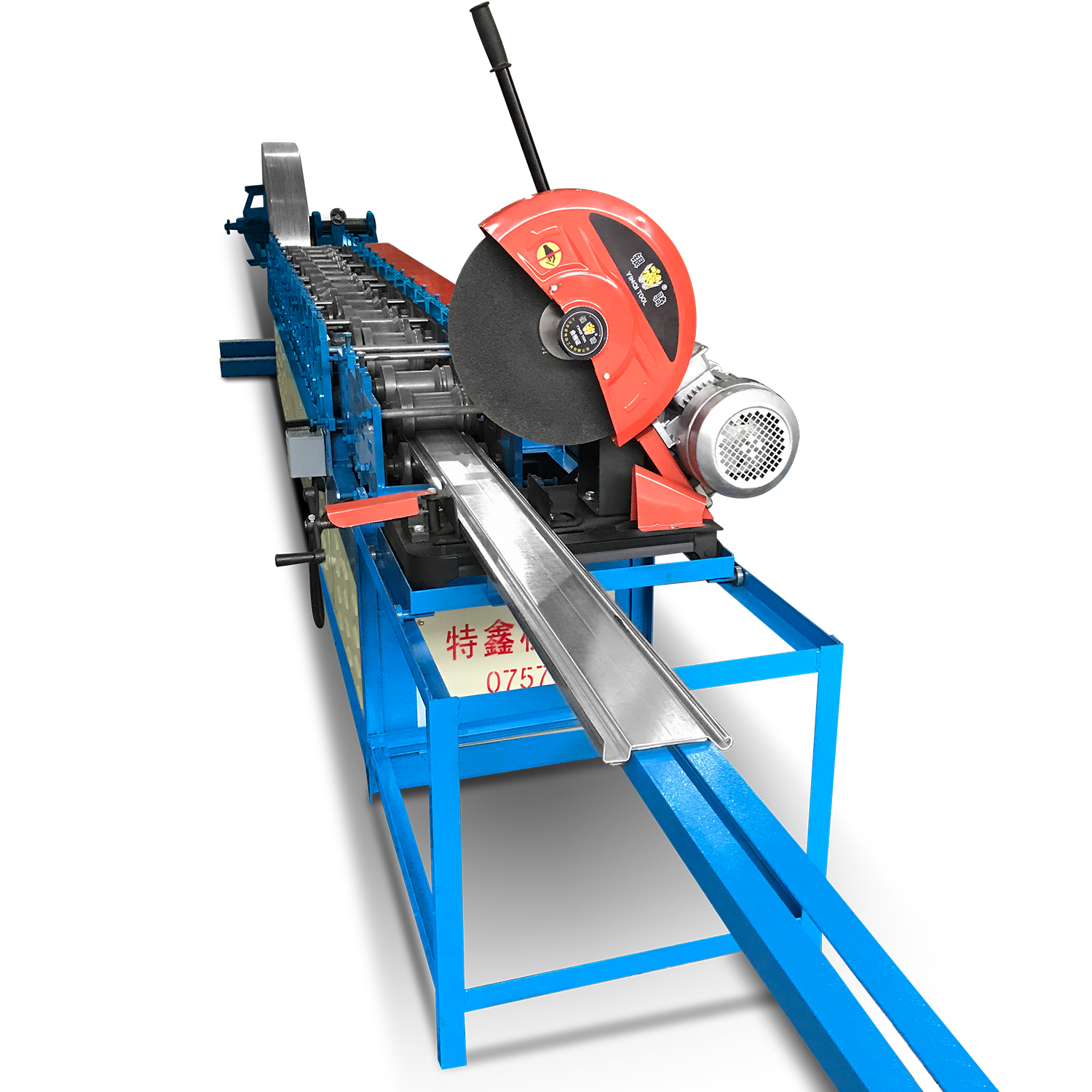
Figure: Advanced Europe-Specific Rolling Shutter Door Forming Equipment showcasing integrated automation for high-precision production.
2. Manufacturing Infrastructure and Quality Assurance Protocols
A supplier's physical and procedural infrastructure is a direct indicator of their capacity and commitment to quality.
- Factory Scale and Capacity: Assess the production area and monthly output. For instance, Foshan Texin Machinery Co., Ltd. operates from a factory covering over 5,000 square meters with a monthly capacity exceeding 30 units, indicating robust production scalability.
- Quality Management Systems: Mandatory certifications include ISO 9001 and CE marking. These should govern the entire process from raw material inspection to final delivery. Request to view certificates like the Quality Management System Certification Certificate and CE Certificate.
- In-House Core Component Production: Manufacturers with advanced CNC lathes for in-house roll processing maintain better control over the quality of these critical wear parts, leading to longer machine life and consistent output.
3. After-Sales Support and Value-Added Services
The purchase is the beginning of the partnership. Comprehensive support is essential for minimizing downtime and ensuring optimal machine performance.
- Technical Training: Suppliers should provide operator and quality inspector training, along with customized standardized process documentation.
- Intelligent Maintenance: Look for equipment with remote control and intelligent fault alarm systems capable of diagnosing issues rapidly.
- Long-term Partnership Programs: Services like annual maintenance, calibration, and spare parts supply agreements are hallmarks of a supplier invested in your success.
4. Market Reputation and Global Footprint Analysis
An established track record in exporting to diverse markets is a strong validation of a manufacturer's adaptability and product reliability.
- Export History: Review the company's development timeline. A manufacturer with a long history of international cooperation, such as exports to the USA, Europe, Australia, the Middle East, and Africa, demonstrates an understanding of varied regional standards and climates.
- Client References and Case Studies: Seek evidence of successful installations, particularly for specialized machines like Soundproof Rolling Shutter Door Machines or Printed Rolling Shutter Door Forming Machines.
5. Spotlight on a Representative Manufacturer: Foshan Texin Machinery Co., Ltd.
As an example of a manufacturer meeting the above criteria, Foshan Texin Machinery Co., Ltd. (brand: Texin) offers a relevant case study for buyers. Founded in 2009 and evolving into a limited company in 2019, the company embodies the growth trajectory of a focused Chinese equipment manufacturer.
Key Attributes for Procurement Consideration:
- Specialized Product Range: Their portfolio addresses specific global needs, including Europe-Specific Bottom Beam Machines, Guide Channel Machines, and Garage Door Forming Machines.
- Certified Quality: Holds ISO 9001 and CE Certification, ensuring adherence to international quality and safety standards.
- Integrated Service Model: Provides the promised "equipment + quality management" full-cycle support, from technical training to annual maintenance.
- Global Experience: With a documented export history spanning the Americas, Asia-Pacific, Africa, and the Middle East since 2014, they have proven experience in adapting to different market requirements.
Prospective buyers can contact them via their official website www.getxjx.com, telephone/WeChat: +8618675733219, or WhatsApp: +8613415482815 for detailed technical consultations.
Procurement Checklist Summary
Before finalizing a supplier, ensure you have satisfactory answers to these questions:
- Does the manufacturer produce the specific machine type I need (e.g., Wind-Resistant or Fire-Resistant models)?
- Can they provide valid CE and Quality Management System certificates?
- What is the depth of their in-house R&D and core component manufacturing capability?
- What does the after-sales service package include (training, warranty, remote support)?
- Can they provide references or case studies from my region or for a similar application?
- Is the company's export experience aligned with my market's standards?
Selecting a Roll-up Door Forming Machine manufacturer is a strategic investment. By moving beyond price to evaluate technical specialization, manufacturing rigor, and long-term support capabilities, procurement professionals can secure a partnership that delivers sustained productivity, quality, and competitive advantage for years to come.