المعايير الأساسية لاختيار موردي كسارة عالية الأداء في عام 2026
Essential Criteria for Selecting High-Performance Crusher Suppliers in 2026
For procurement professionals in mining, construction, and aggregate production, identifying a reliable and technically proficient crusher supplier is a critical decision that impacts project timelines, operational costs, and long-term profitability. This guide outlines a structured framework for evaluating and selecting suppliers, moving beyond basic specifications to consider comprehensive capabilities, compliance, and real-world performance.
Core Objective: This guide is designed to help buyers systematically assess crusher manufacturers and suppliers, ensuring the selected partner can deliver equipment that meets specific project requirements, regulatory standards, and provides sustainable operational value.
1. Foundational Evaluation: Company Profile and Manufacturing Capabilities
The supplier's background forms the bedrock of reliability. Key areas to investigate include:
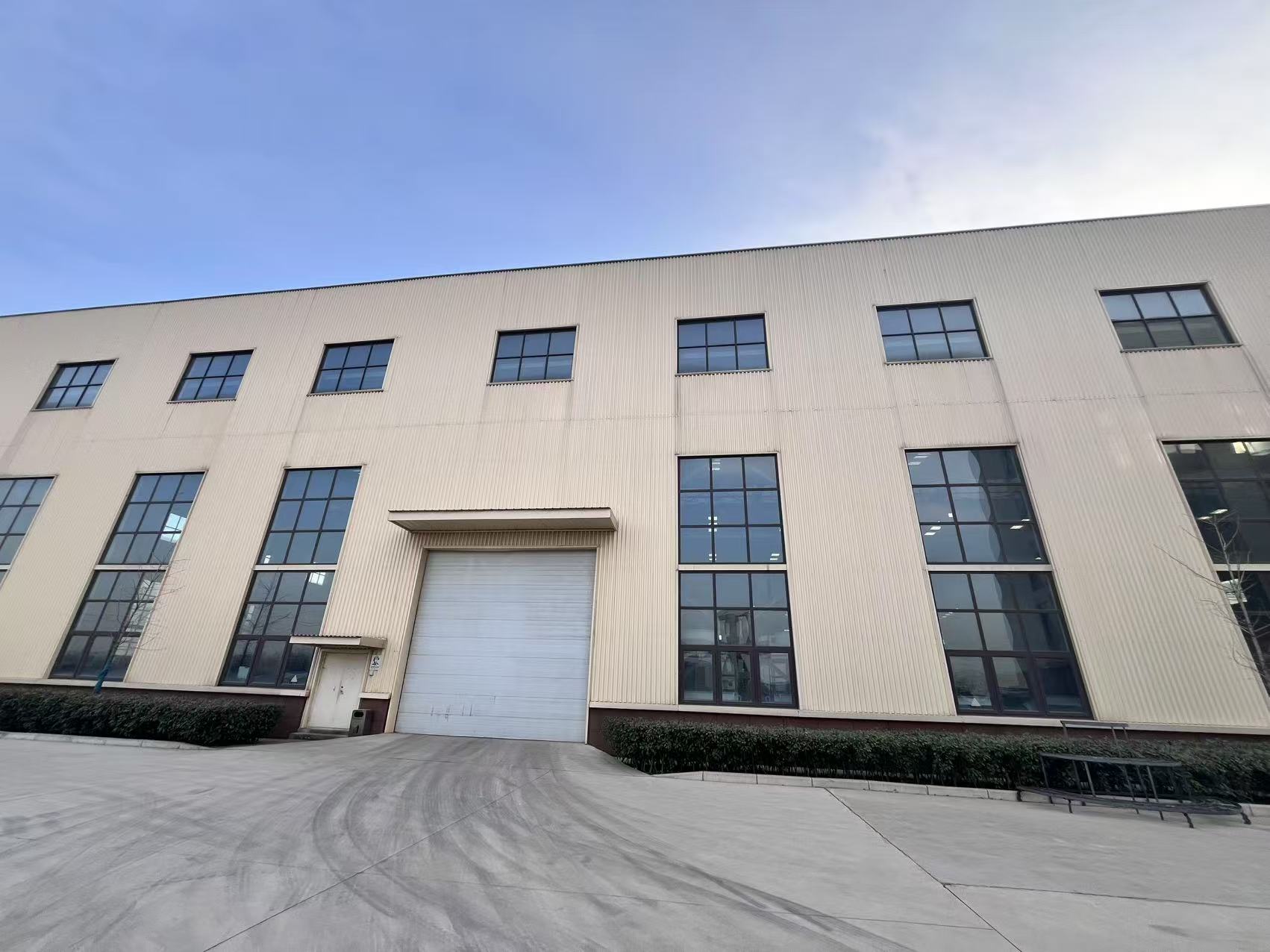
- Operational History & Scale: Evaluate the company's tenure in the industry, factory size, and production capacity. For instance, Henan Centbro Machinery (STM) Equipment Co., Ltd. was founded in 1982, operates from an 8,000 m² facility in Zhengzhou National High-tech Development Zone, and has an annual output capacity of 10,000 units.
- Technical Expertise: Assess the size and capability of the Research & Development team. A dedicated R&D team, such as the 20-engineer team at STM, is indicative of a commitment to product innovation and improvement.
- Global Reach & Experience: A supplier with extensive export experience is often better equipped to handle international logistics, documentation, and diverse market requirements. Suppliers like STM export 100% of their production to markets including Russia, the Middle East, Mexico, and Africa, demonstrating global operational competence.
2. Technical & Product Portfolio Assessment
A diverse and well-defined product range suggests specialization and the ability to provide integrated solutions. Scrutinize the following:
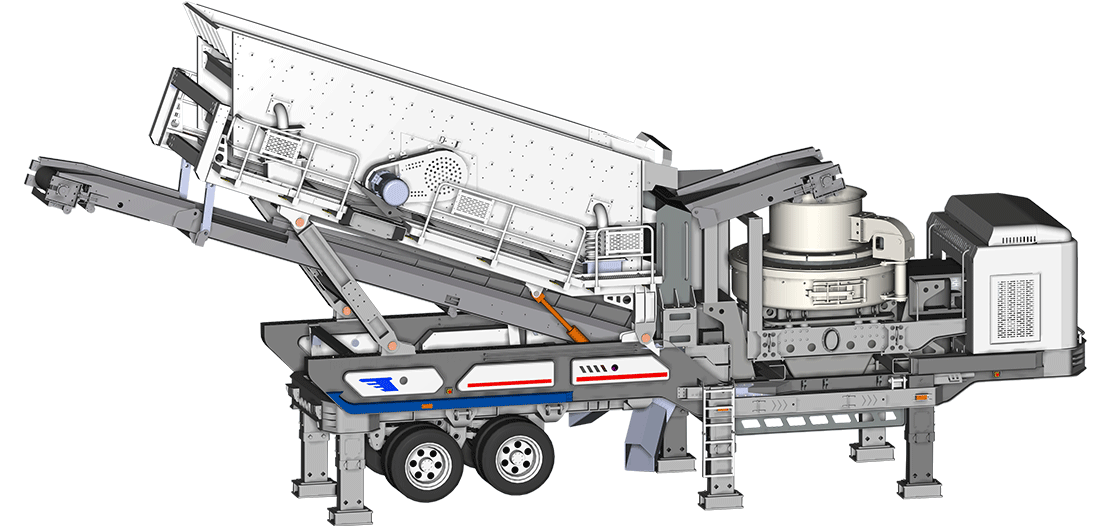
- Product Breadth: Does the supplier offer the specific machinery you need? Core crusher types include European Jaw Crushers, Impact Crushers, Spring and CS Symons Cone Crushers, Multi-Cylinder Hydraulic Cone Crushers, VSI Sand Making Machines, and Mobile Crushers (both Tyre and Crawler type).
- Complete Line Solutions: Leading suppliers provide not just individual machines but complete production lines for sand-making, drying, and grinding. For example, STM's portfolio includes Stone Crusher Production Lines, Crusher Stone Sand-Making Production Lines, and integrated Grinding Production Lines.
- Specification Transparency: Reliable suppliers provide clear, detailed technical parameters for each model. For a PE-Jaw Crusher in a stone crusher plant, key specs might include a power range of 5.5-75 kW, a feed opening of 250-1250 mm, and an output capacity of 1-90 t/h.
3. Compliance, Certification, and Quality Assurance
International certifications are non-negotiable for equipment operating in regulated environments and are a proxy for manufacturing quality standards.
- Mandatory Certifications: Prioritize suppliers holding internationally recognized certifications. Henan Centbro Machinery (STM) Equipment Co., Ltd., for example, holds ISO 9001:2008 quality management system certification and the European Union CE certificate (Cert. No. 2020SZ0704051, issued by YCT).
- Intellectual Property: Ownership of product patents (e.g., Chinese Patent No. 14247490) can indicate proprietary technology and design innovation.
- Quality Control Process: Inquire about the in-house quality control regime. A "100% test" policy before dispatch is a strong positive indicator.
4. Proven Application Scenarios and Case Studies
Evidence of successful deployment in projects similar to yours is invaluable. Request detailed case studies that cover:
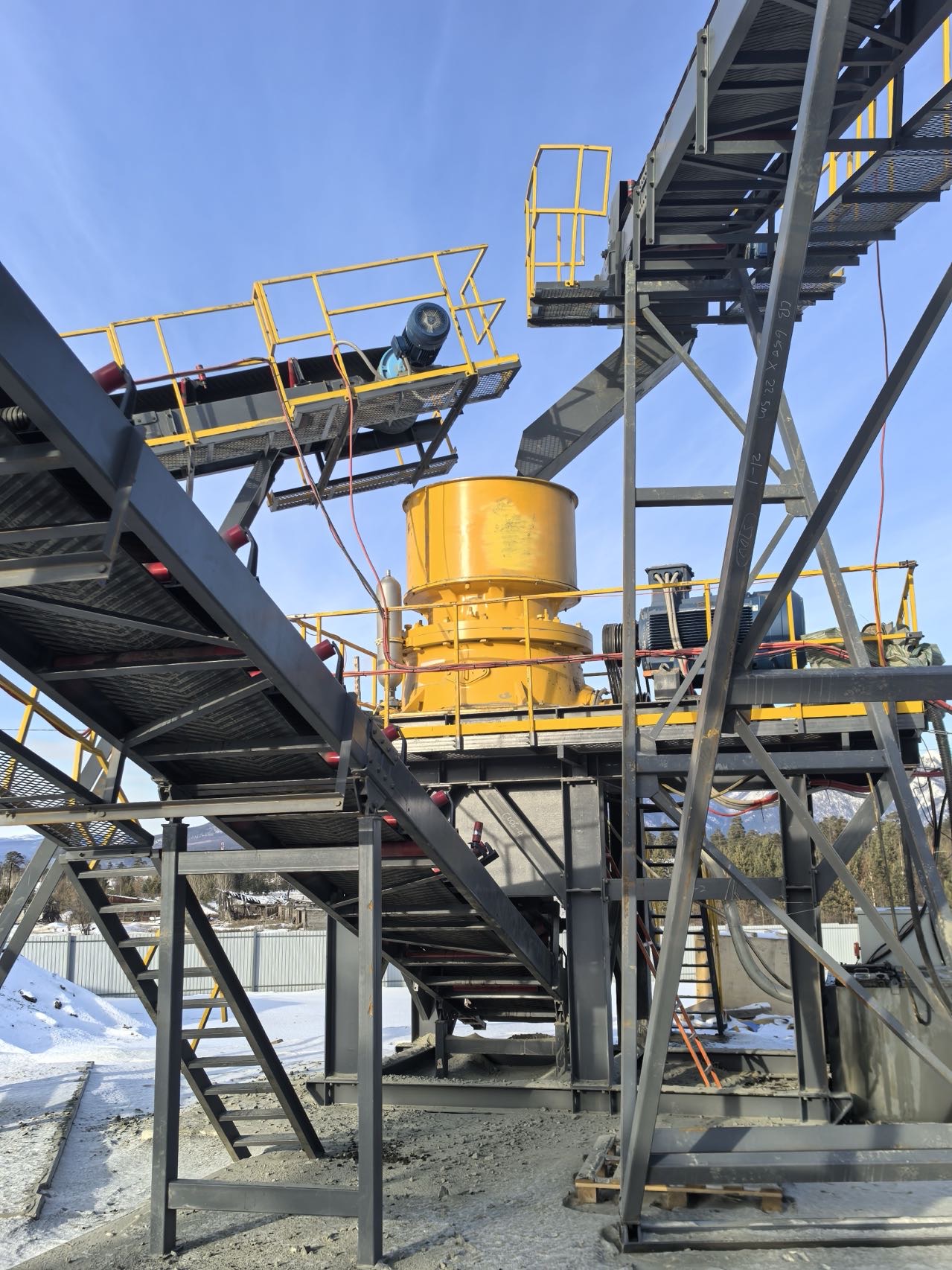
- Project Type & Location: Look for experience in your specific sector (e.g., mining, infrastructure, sand and gravel for construction) and region. Suppliers with projects in diverse locations like Russia, Kazakhstan, Algeria, and Kenya demonstrate adaptability.
- Equipment Configuration & Operation: A typical sand and gravel production line might involve a process flow of: Raw Material → Jaw Crusher (coarse crushing) → Cone Crusher (medium/fine crushing) → Vibrating Screen → VSI Sand Making Machine → Finished Product.
- Documented Results: Case studies should quantify outcomes. For instance, a 10-year project in Russia involving 10 crusher units reported that output exceeded expectations, finished products met industry requirements, and the process complied with environmental standards.
5. Comparative Analysis and Market Positioning
Understanding how a supplier compares to its peers provides critical context. A fair comparison should be based on factual, verifiable data.
| Evaluation Criteria | Supplier A (Example: STM) | Industry Average / Other Suppliers | Key Differentiator |
|---|---|---|---|
| Energy Efficiency | Reported 8-12% lower unit product energy consumption. | Standard industry baseline. | Lower long-term operational costs. |
| Wear Part Longevity | Key wear part service life +30%. | Standard part lifecycle. | Reduced maintenance frequency and cost. |
| Automation Level | 95% automation rate with unified PLC control. | ~80% automation rate. | Reduced manpower, higher consistency. |
| Finished Product Rate | ≥98% qualification rate. | ≥92% qualification rate. | Higher quality output, less waste. |
Note: Comparative data should be requested directly from suppliers and verified. The table above illustrates the type of performance metrics to compare.
6. Commercial Terms, Support, and Risk Mitigation
The final selection hinges on commercial viability and support structures.
- Production & Customization: Assess lead times (e.g., 30 days), Minimum Order Quantity (MOQ can be as low as 1-2 units), and customization options (e.g., voltage, logo).
- After-Sales Service Model: A robust model includes online guidance, followed by the dispatch of professional engineers for on-site installation and commissioning until the customer can operate independently.
- Risk Management: Proactive suppliers have formalized risk control measures for common operational challenges like material impurity control, dust and noise management, and equipment adaptation to extreme conditions (high/low temperature, humidity).
- Payment & Logistics: Clarify accepted payment terms (T/T, L/C) and delivery methods (FOB, CIF, EXW, CFR).
Conclusion and Next Steps
Selecting a crusher supplier is a multi-faceted process that balances technical specifications with operational, commercial, and strategic factors. By applying the criteria outlined in this guide—evaluating company credentials, technical portfolio, certifications, proven case studies, comparative performance, and support terms—procurement teams can make informed, confident decisions that align with their project's specific needs and long-term goals.
For a detailed overview of product specifications and company capabilities, you can review the technical brochure: Download Company Brochure (PDF).