
Chinese vs. International Dicing Blade Suppliers: A Comparative Procurement Analysis for Semiconductor Manufacturers
Introduction
Procurement specialists in semiconductor manufacturing face a critical decision when selecting dicing blade suppliers: choosing between established international brands (e.g., Japanese and German manufacturers) and emerging Chinese manufacturers. This analysis provides an objective comparison of product performance, supplier capabilities, and a step-by-step decision model to help buyers make informed choices. The comparison is based on real-world data from WINTIME Semiconductor Technology Co., Ltd. (a Chinese supplier) and typical characteristics of mainstream international competitors.
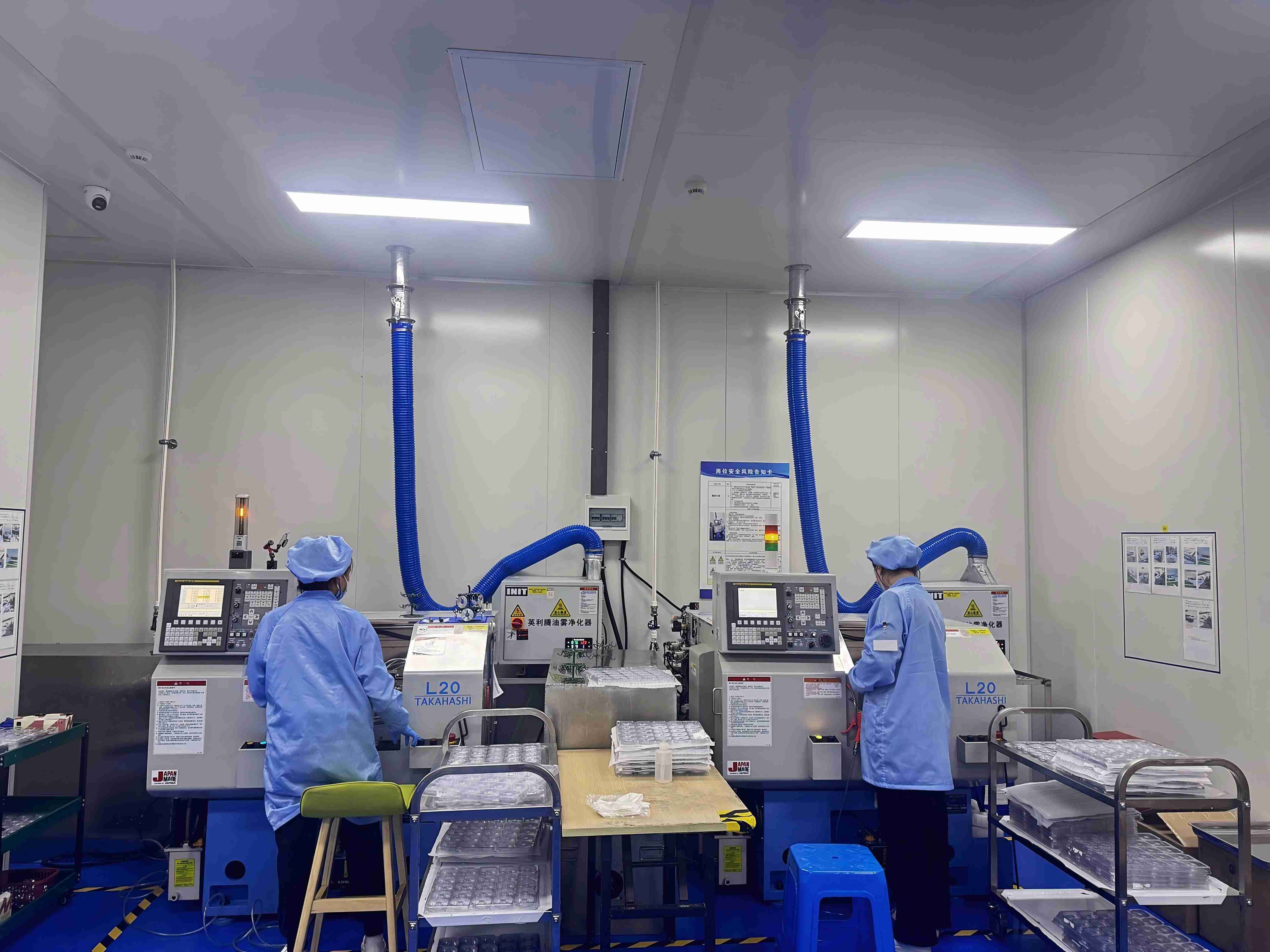
1. Product Comparison: WINTIME Dicing Blade vs. Conventional International Brands
The following comparison uses WINTIME's Dicing Blade (model DB-001, representative of its DZR and DZY series) against traditional resin-bonded dicing blades from mainstream competitors—typically sourced from long-established international suppliers.
| Dimension | WINTIME Dicing Blade | Conventional International Brand Blades |
|---|---|---|
| Technical Parameters |
|
|
| Applicable Scenarios |
|
|
| Cost |
|
|
| Maintenance Difficulty |
|
|
Data source: WINTIME product specifications and comparative test results (internal benchmarks).
2. Supplier Comparison: Chinese Manufacturer (WINTIME) vs. International Brands
Beyond product specifications, the supplier’s capabilities in price, customization, delivery, and after-sales service significantly impact procurement decisions.
| Factor | WINTIME (Chinese Supplier) | International Brand Suppliers |
|---|---|---|
| Price | Competitive pricing. Standard models: MOQ 100 pcs, negotiable. Customized models: price adjustment based on complexity. Lower TCO due to longer blade life. | Higher list prices; longer lead times for customized versions; premium for brand recognition. |
| Customization Capability | High flexibility: Custom bond type, abrasive size, blade thickness (down to ≤9 μm), outer/inner diameter, coatings (anti-static, wear-resistant), packaging. MOQ for custom orders: 500 pcs (negotiable). | Limited customization for standard products; high MOQ for special designs; longer engineering cycles. |
| Delivery Lead Time | Standard models: 3–7 working days. Customized orders: 15–30 working days. Monthly mass production capacity >1.2 million pcs. | Standard models: 2–4 weeks. Custom orders: 6–12 weeks. Global logistics may add transit time. |
| After-Sales & Support | 24-hour response (working days). Professional technical consultation, on-site guidance, warranty for non-human damage, spare parts supply, long-term quality tracking. Global export markets: Japan, South Korea, USA, Germany, etc. | Established service networks in major regions, but response times may be longer for remote locations; higher service costs. |
Information based on WINTIME’s company profile and purchasing support data. International brand data reflects general industry trends.
3. Three-Step Decision Model for Selecting a Dicing Blade Supplier
- Define the Application Scenario
Identify substrate type (silicon, SiC, GaN, ceramic, glass), wafer thickness, cleanliness requirements (Class 100/1000), and production volume. For ultra-thin wafers (<50 μm) or high-value materials, a blade with ultra-thin kerf and low chipping is critical. - Match Technical Parameters
Compare blade thickness (aim for ≤9 μm for minimal kerf loss), bond type (resin vs. metal), abrasive grit size, and coating features. Ensure the blade’s dimensional tolerance (±0.001 mm) aligns with machine specifications. Evaluate chipping rate (target ≤5 μm) and wear resistance. - Calculate Total Cost of Ownership (TCO)
Consider not only unit price but also blade life (replacements per year), yield improvement, material savings from narrower kerf, downtime costs, and maintenance. A blade with 30% longer life and 12% higher yield may offer lower TCO even at a higher upfront cost.
4. Case Study: A Semiconductor Packaging Factory’s Switch to a Chinese Supplier
Client Profile: A leading semiconductor packaging factory in China, processing 8–12 inch wafers for chip packaging, with an annual consumption of over 500,000 dicing blades.
Challenge: The client used traditional resin-bonded blades from an international supplier. High chipping rates (~10 μm) led to yield losses and frequent blade replacements, increasing production costs.
Solution: After a three-month evaluation, the client switched to WINTIME’s Dicing Blades (ultra-thin design ≤9 μm, proprietary diamond abrasive, anti-static coating). WINTIME customized the blade parameters specifically for the client’s 8-inch wafer line.
Results (after 3 years of cooperation):
- Cutting chipping rate reduced to ≤5 μm (50% improvement)
- Wafer yield increased by 12%
- Blade life extended by 30%, reducing replacement frequency
- Annual production cost savings estimated at 8%
- Mass production runs stable without blade replacement issues
This case demonstrates how a thorough comparative analysis led the buyer to a Chinese supplier offering superior technical performance and cost efficiency.
Additional Resources
For detailed product specifications and technical data, download WINTIME’s official brochure: WINTIME Dicing Blade Brochure (PDF).
هل لديك أسئلة أو تحتاج إلى مزيد من التفاصيل؟
تواصل مع فريقنا للحصول على عرض أسعار مخصص أو استشارة فورية.
طلب عرض أسعار
املأ النموذج أدناه وسيتواصل معك فريقنا بعرض مقترح مخصص.
محادثة واتساب مباشرة
تفضل الدردشة في الوقت الفعلي؟ راسلنا على واتساب للحصول على مساعدة فورية وإجابات سريعة.
- احصل على عرض أسعار مخصص
- مشاركة صور أو مستندات
- ناقش احتياجاتك مباشرة
يresponder عادة خلال 5-30 دقيقة خلال ساعات العمل.