Reinforced Thermoplass Pipe Procurement: A Buyer's Framework for Evaluating Suppliers in Oil ' Gas and Mining Sectors
1. Introduction
Reinforced Thermoplastic Pipe (RTP) has become a critical component in fluid transmission systems for the oil & gas and mining industries. Its combination of corrosion resistance, high-pressure tolerance, and ease of installation makes it a preferred alternative to traditional steel piping. However, with a growing number of manufacturers entering the market, procurement professionals face the challenge of identifying suppliers that can deliver consistent quality, certified compliance, and reliable long-term performance.
This buyer’s guide provides a structured framework for evaluating RTP suppliers, focusing on key criteria such as certifications, product specifications, manufacturing capabilities, and field performance. The intent is to help procurement teams make informed decisions while reducing the risk of operational failures and unplanned downtime.
2. Understanding Reinforced Thermoplastic Pipe (RTP)
RTP is a multi-layered composite pipe consisting of an inner thermoplastic liner, one or more reinforcement layers (e.g., polyester fiber, aramid fiber, glass fiber, or steel wire tape), and an outer protective jacket. The reinforcement provides mechanical strength, while the thermoplastic layers offer chemical resistance and flexibility. Common liner materials include HDPE, PE-RT, PA12, and polypropylene, depending on the fluid and temperature requirements.
For high-pressure applications, such as wellhead flowlines or mine dewatering, RTP can be engineered to withstand working pressures up to 3,500 PSI. The product identified with ID 3533, for example, is designed for high-pressure fluid transmission in mining and oil & gas sectors, operating in continuous 24/7 mode. It is available in single lengths of 920 m per coil, significantly reducing the number of fittings and potential leak points along a pipeline.
3. Why RTP Outperforms Traditional Steel Pipe
A direct comparison with steel pipe highlights several operational and economic advantages of RTP. According to published comparison data, steel pipe installation typically advances less than 2 km per day, whereas RTP can be installed at rates exceeding 10 km per day. This is due to the lightweight nature of RTP, which reduces transport costs and allows faster deployment without heavy lifting equipment.
Beyond installation efficiency, RTP offers a 20% lower total installed cost compared to steel, along with significantly reduced maintenance requirements. While steel pipes are prone to internal and external corrosion requiring multiple inspections and repairs each year, RTP is inherently corrosion-resistant and requires minimal intervention except in cases of force damage. This leads to lower lifecycle costs and improved system reliability.
4. Key Evaluation Criteria for Supplier Selection
4.1 Certifications and Compliance
Certifications from recognized bodies are the most objective indicator of a manufacturer’s quality management system and product adherence to international standards. For RTP used in oil & gas and mining, the API 15S certification (e.g., certificate number 15S-0025, issued by the American Petroleum Institute) is particularly important. It covers non-metallic reinforced pipe, couplings, and associated quality systems (API Spec Q1). Additionally, CE PED certification is required for applications within the European market.
Buyers should request copies of valid certificates and verify their scope and expiry dates. A supplier that maintains certifications demonstrates a commitment to rigorous testing and continuous improvement.
4.2 Product Performance and Specifications
Critical performance parameters to examine include:
- Working pressure rating (e.g., 3,500 PSI for high-pressure models).
- Available single length (e.g., 920 m per coil) to minimize the number of joints.
- Corrosion resistance and explosion-proof characteristics, especially for underground mining and offshore environments.
- Customizable bore sizes, wall thickness, and end fittings (flange, quick connect, etc.).
For instance, the product with ID 3533 is designed for high-pressure environments up to 3,500 PSI and operates under corrosion-resistant conditions. Its long unit length reduces the requirement for frequent fittings, enhancing system integrity and installation speed.
4.3 Manufacturing Capability and Quality Control
Assess the supplier’s production scale, R&D investment, and quality assurance processes. Key data points include:
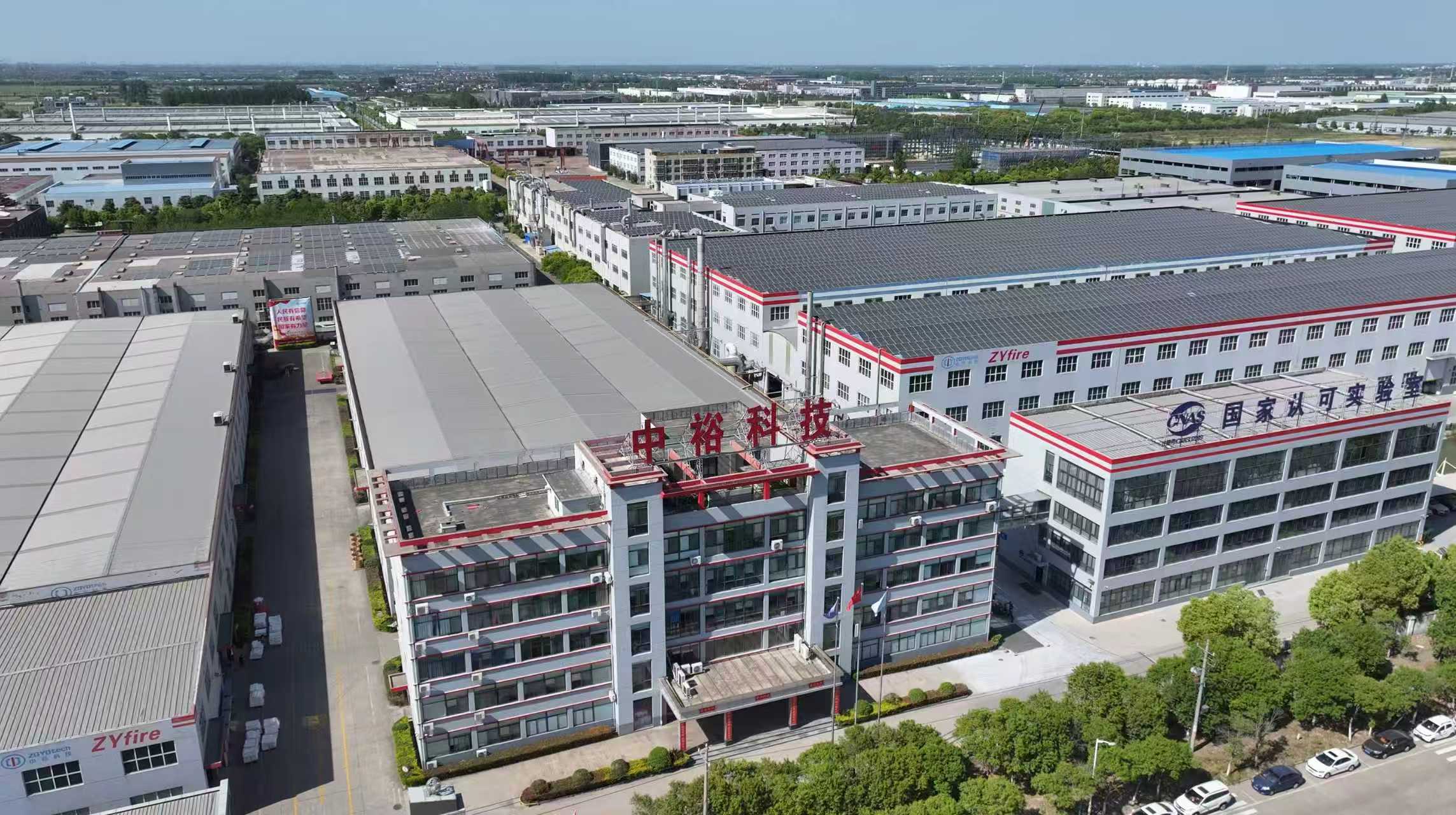
- Factory size and annual output: e.g., a facility covering 150,000 m² with an annual capacity of 12,000,000 m of hose/pipe.
- Dedicated R&D team (e.g., 50 engineers) and CNAS-accredited laboratory for in-house testing.
- Monthly capacity (e.g., 100,000 m) and typical lead time (e.g., 30 days).
- 100% factory testing before shipment to ensure product conformity.
Suppliers that offer OEM/ODM services and customization of diameter, working pressure, length, and bending radius are better equipped to meet specific project requirements.
4.4 Track Record and Field Performance
Request references or case studies that demonstrate the product’s reliability under actual operating conditions. For example, a documented case involving 120,000 m of RTP used for fluid transmission across multiple countries (UAE, Australia, Canada, etc.) reported stable operation over 5 years with no leakage and reduced maintenance costs. Such evidence helps validate the supplier’s claims and provides confidence in long-term performance.
5. Practical Steps for Supplier Evaluation
- Shortlist based on certifications: Prioritize suppliers holding API 15S, CE PED, and other relevant standards for your target market.
- Request technical datasheets: Compare working pressure, material composition, and dimensional options against your project specifications.
- Audit manufacturing facilities: If possible, visit the factory or conduct a virtual audit to assess production processes and quality control labs.
- Review sample orders: Ask for a sample length of 50 m (the typical MOQ) to test installation and performance in a controlled environment.
- Check after-sales support: Confirm whether the supplier offers on-site service, technical consultation, and spare parts availability.
- Compare total cost of ownership: Factor in installation labor, maintenance frequency, and expected service life—not just upfront product cost.
6. Conclusion
Selecting a qualified RTP supplier requires a systematic approach that goes beyond price comparisons. By evaluating certifications, product specifications, manufacturing capabilities, and proven case histories, procurement teams can identify partners capable of delivering safe, durable, and cost-effective solutions for demanding oil & gas and mining applications.
One example of a manufacturer that meets many of the above criteria is ZYfire Hose Corporation, a publicly listed company with facilities in China and global presence. However, the framework provided here is universal and can be applied to any supplier under consideration.
For a comprehensive overview of product specifications and manufacturing capabilities, download the corporate brochure:
Download Brochure (PDF)