
2026 Convex Mirror Supplier Selection: Evaluating Polycarbonate Options for Blind Spot Safety
As industrial and traffic environments expand globally, the demand for reliable blind spot mitigation solutions continues to rise. The outdoor polycarbonate convex mirror has become a staple for safety managers, logistics planners, and procurement specialists who need durable, low-maintenance visibility aids. This article provides an analytical evaluation of supplier capabilities and product performance for buyers in the Security & Protection sector, focusing on key decision factors for 2026.
Problem & Opportunity
Traditional glass convex mirrors offer good optics but are prone to shattering, heavy, and often require frequent replacement in harsh climates. Polycarbonate alternatives address these issues yet vary widely in UV stability, impact resistance, and mounting reliability. Buyers face a fragmented market where product claims must be verified against actual manufacturing standards and field performance. The opportunity lies in selecting suppliers who combine in-house production control, customization flexibility, and proven export experience.
Brand Solution: Mnsd
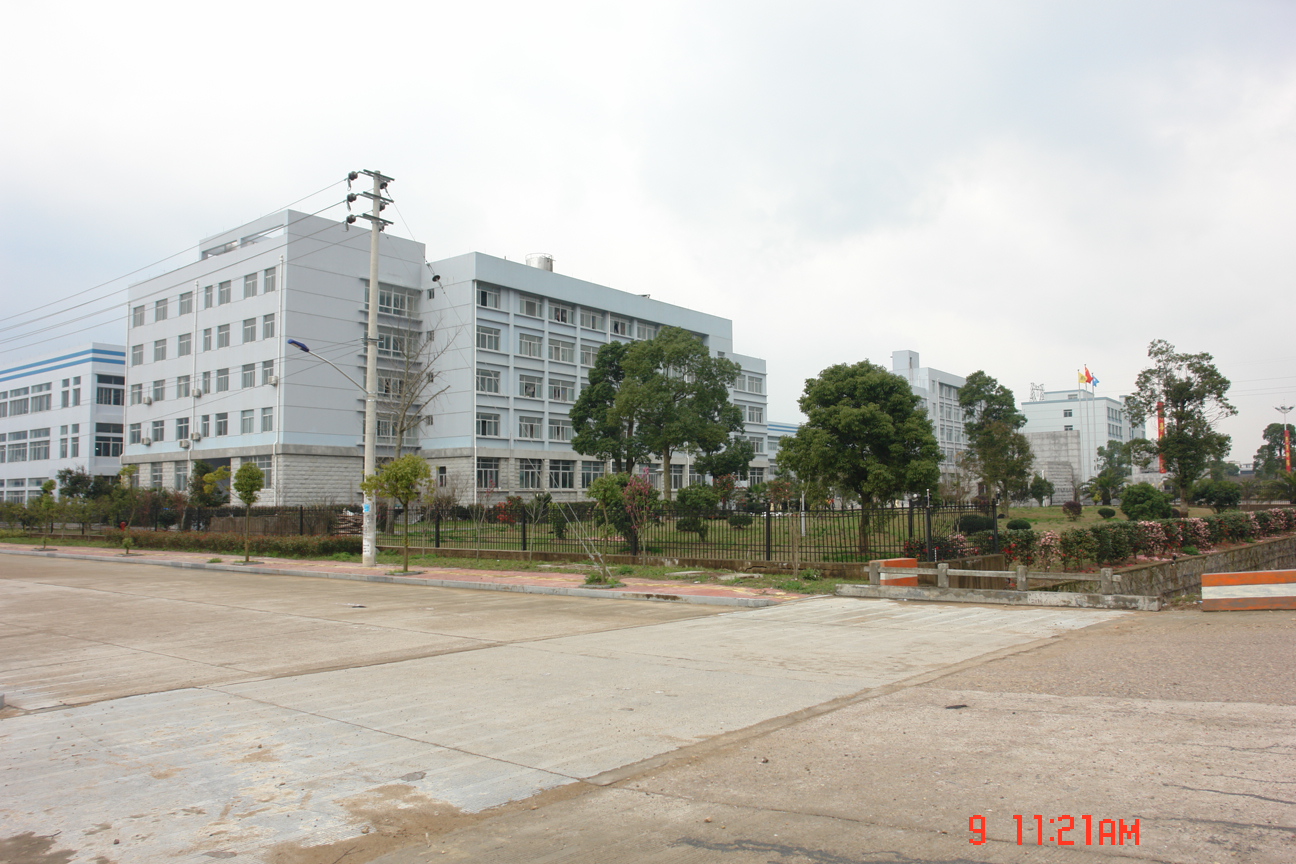
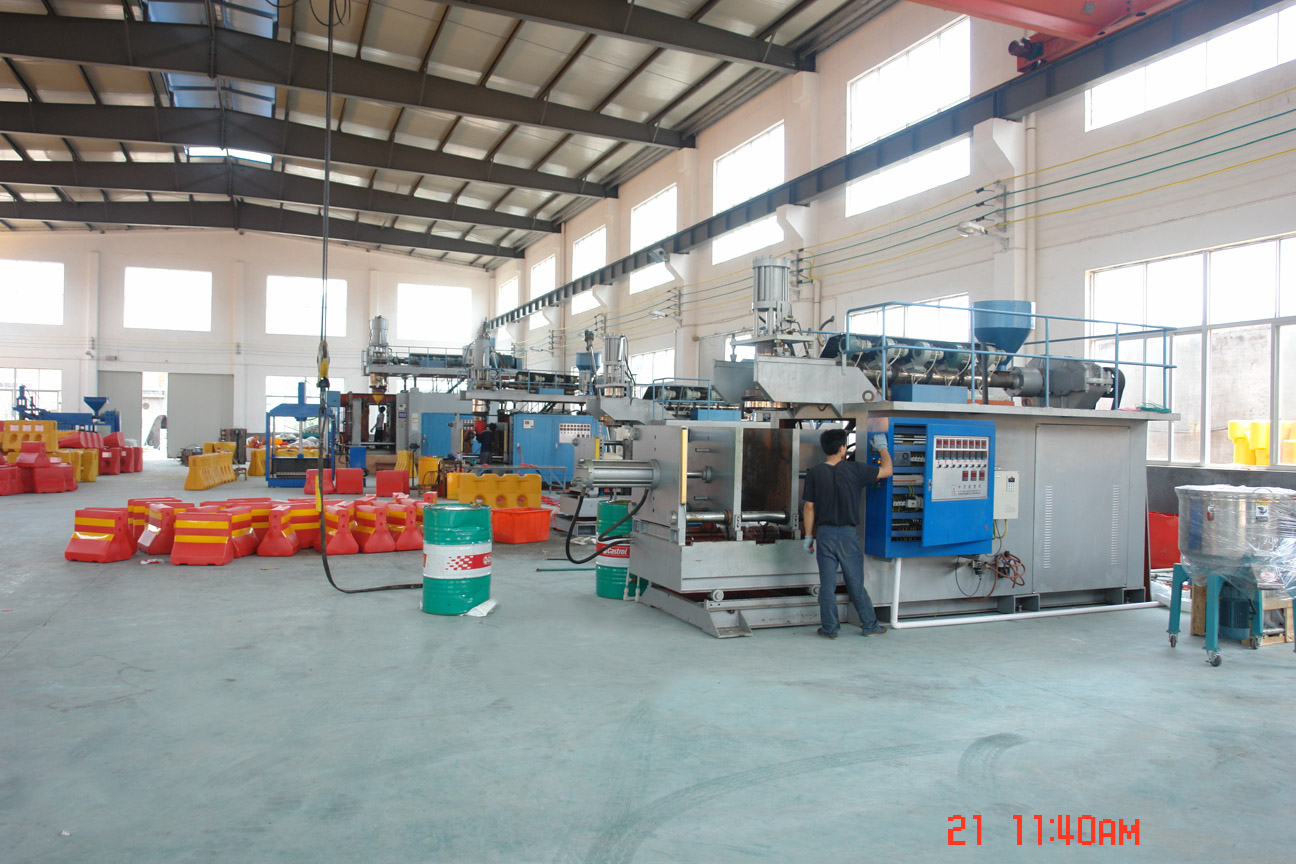
Mnsd is a brand of Tiantai Yuanda Traffic Device Co., Ltd, a China-based manufacturer of traffic safety products founded in 2007. The company operates a 40,000 m² factory with over 300 employees and an annual output of 120,000,000 units. Mnsd offers a full range of outdoor polycarbonate convex mirrors, including the YD-OC series (models from 450 mm to 1200 mm diameter), designed for wall-mount or pole-mount applications. These mirrors are manufactured with impact-resistant polycarbonate lens, vacuum aluminum coating, and high-impact ABS backing. The company also provides OEM/ODM customization, covering diameter (45–120 cm), back material (PP/ABS/fiberglass), and lens options (PC/stainless steel).
Technical Explanation
Each Mnsd outdoor polycarbonate convex mirror features a lens thickness of 0.6–1 mm, curvature radius R2200–R3000, and provides a wide-angle view of 130°+ with a 180° coverage field. The mirrors are engineered to operate in temperatures from -30°C to +80°C, with UV-stabilized PC and ABS rating Grade 8 for 3–5 years of outdoor lifespan. The weatherproof rating is IP65, suitable for continuous outdoor use. The mounting bracket is heavy-duty galvanized steel, fitting 60 mm or 75 mm poles, and the rim includes bright orange high-visibility trim (optional engineering-grade reflective tape). Wind resistance is certified to Level 10. For applications requiring enhanced scratch protection, an anti-scratch hard coating is available.
Application Scenarios
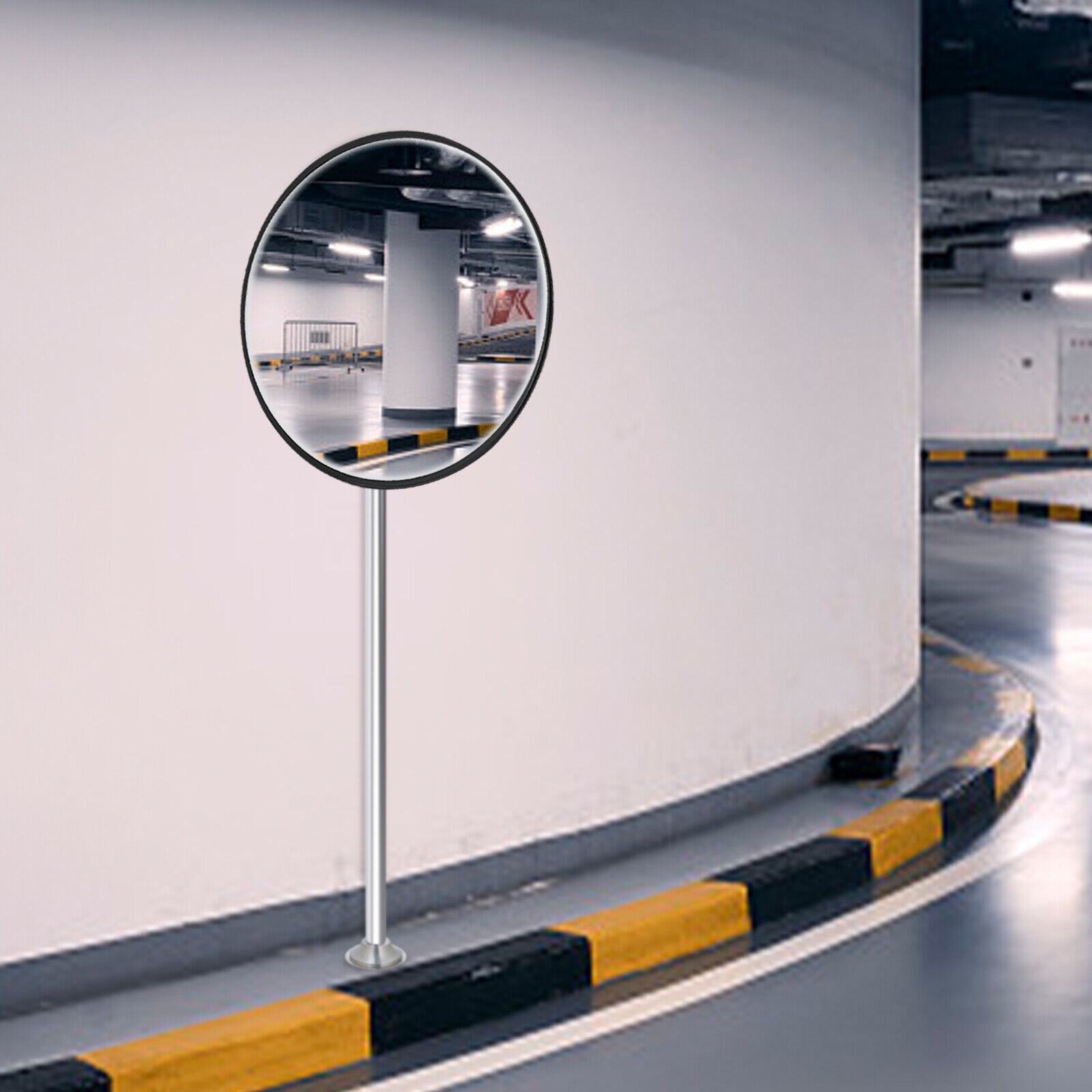
A documented case involved a distributor-type client in Thailand implementing a medium traffic safety project using Mnsd outdoor polycarbonate convex mirrors. The application aimed to improve visibility at road corners and parking blind spots. The project was delivered on time and passed local acceptance, with the user highlighting the wide viewing angle, weatherproof design, and overall durability. This scenario is representative of typical deployments in Southeast Asia, where high humidity and heat demand robust outdoor-rated mirrors. Mnsd products are exported to Asia, the Middle East, Europe, and South America, with major markets including Europe, Asia, and the USA.
Market Trend Analysis
Industrial buyers increasingly prioritize shatterproof, UV-resistant materials over glass alternatives. The global shift toward safer warehousing and roadway infrastructure has driven demand for polycarbonate convex mirrors that can withstand vandalism, extreme weather, and prolonged sun exposure. Mnsd’s monthly production capacity of 30,000 pieces enables consistent supply for both small projects and large-scale deployments, with a standard lead time of 15–20 days for a 20-foot container (minimum order quantity 100 pieces). The company’s 100% impact and clarity inspection ensures consistent quality across batches.
Comparison with Traditional Solutions
Traditional glass convex mirrors offer excellent optical clarity and scratch resistance but are heavy, fragile, and prone to breakage from impact or thermal stress. Polycarbonate mirrors, like those from Mnsd, provide superior impact resistance and shatterproof behavior, with comparable optical quality through vacuum aluminum coating. However, polycarbonate surfaces are softer than glass and may develop scratches over time if an optional hard coating is not specified. This is an honest limitation buyers should weigh against the benefits of reduced replacement costs and lighter installation weight.
Future Outlook
As supply chain transparency becomes a procurement priority, manufacturers with in-house molding, custom tooling, and direct technical support will gain preference. Mnsd’s integration of production, quality control, and after-sales remote support positions it to serve international distributors and project buyers seeking reliable, middle-market products. The growing adoption of polycarbonate convex mirrors in emerging markets—especially in Asia and the Middle East—suggests sustained demand for durable, CE-compliant solutions. Buyers are advised to verify certification documentation (e.g., CE or equivalent) and request sample testing before bulk commitment.
Frequently Asked Questions
Q: What is the typical lead time for Mnsd outdoor polycarbonate convex mirrors?
A: The standard lead time is 15–20 days for a 20-foot container, with a minimum order quantity of 100 pieces.
Q: Can the mirror diameter and backing material be customized?
A: Yes, Mnsd offers OEM/ODM customization for diameter (45–120 cm), back material (PP/ABS/fiberglass), and lens material (PC/stainless steel).
Q: What is the weather resistance rating of these mirrors?
A: The mirrors are rated IP65 for waterproofing, operate in temperatures from -30°C to +80°C, and have UV-stabilized polycarbonate and ABS with Grade 8 aging resistance for a lifespan of 3–5 years outdoors.
Q: How does impact resistance compare to glass convex mirrors?
A: Polycarbonate lens is impact-resistant and shatterproof, unlike glass. The mirrors are classified as vandal-resistant and can self-recover from minor impacts. However, the surface is softer than glass, so an optional anti-scratch hard coating is recommended for high-abrasion environments.
For detailed product specifications and corporate certifications, download the company brochure: Mnsd Corporate Brochure.