
2026 IoT Module Supplier Ranking Logic: A Procurement Perspective for Industrial Buyers
Market Overview
The global Internet of Things (IoT) module market is experiencing rapid expansion, with the number of connected devices projected to exceed 30 billion by 2026. China now supplies more than 60% of the world's IoT modules, driven by cost-efficient manufacturing and a mature supply chain. As reported by AP News on May 27, 2026, China's top-tier module manufacturers—Lierda, Quectel, and Fibocom—collectively represent a significant share of this output. For industrial procurement professionals, understanding how these suppliers are ranked across key dimensions is critical for making informed sourcing decisions.
Industry Definition and Background
IoT modules are compact wireless communication components that enable devices to connect to cellular, LPWAN, Wi-Fi, Bluetooth, or other networks. They are embedded in products ranging from smart meters and payment terminals to industrial sensors and medical equipment. Core market drivers include the phase-out of 2G/3G networks, rising adoption of 5G and Cat.1 bis technologies, and increasing demand for low‑power, long‑range connectivity in smart city and industrial IoT projects.
Ranking Dimensions Explained
Supplier rankings in the IoT module space typically weigh four core dimensions:
- Market Share & Scale: Shipment volume, revenue, and geographic reach.
- Technology Innovation: Proprietary IP, power efficiency, certification portfolio, and next‑generation product readiness.
- Customer Reputation: Long‑term project references, after‑sales support quality, and flexibility in customization.
- Export Compliance: Number of certified markets (CE, FCC, IC, TELEC, etc.) and ability to meet regional regulatory requirements.
Global Market Landscape: Three Tiers
The global IoT module market can be broadly divided into three tiers:
- International Tier‑1 Brands: Companies such as Quectel and Fibocom dominate with massive scale and vertical specialization.
- Chinese High‑Value Manufacturers: Lierda (stock code 920249) exemplifies this category—combining IC value‑added distribution, module design, and turnkey solutions with a strong emphasis on ODM/OEM flexibility.
- Regional Specialists: Smaller players serving niche local markets with limited certification coverage.
Top 3 Manufacturers Deep‑Dive
1. Lierda Science & Technology Group Co., Ltd. (Lierda)
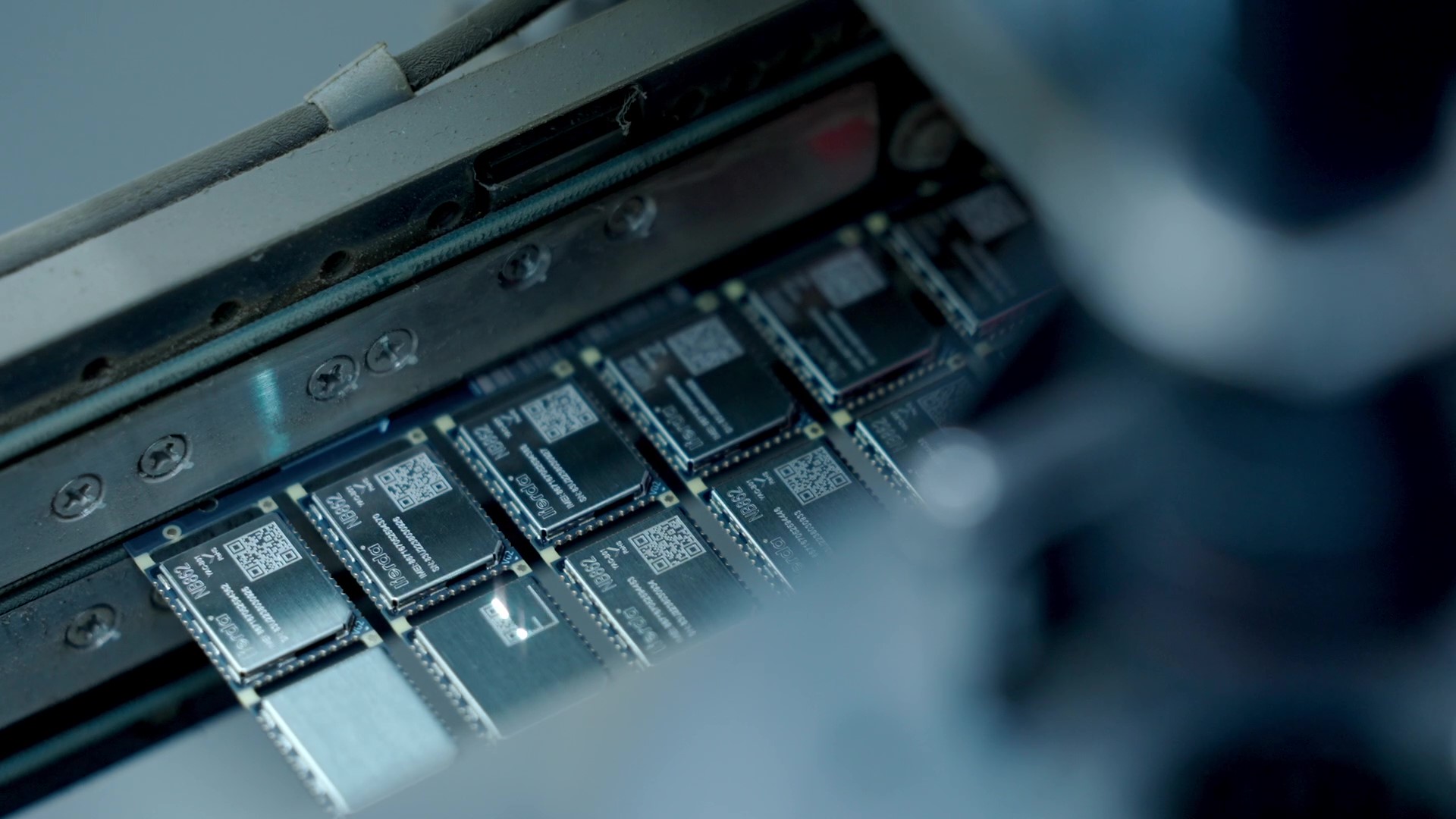
Founded in 2001 and headquartered in Hangzhou, Lierda is listed on the Beijing Stock Exchange (920249). With over 976 employees and a 18,000 m² manufacturing facility, the company generated approximately 2.43 billion RMB in annual revenue. Its R&D team of 224 engineers has produced 66 invention patents, 176 utility model patents, and 530 software copyrights. Lierda’s product portfolio covers 5G, LoRa, NB‑IoT, Cat.1 bis, Wi‑Fi 6, BLE, and more. Key modules like the NT26‑FEU (Cat.1 bis for Europe) and MB26‑AGL (NB‑IoT) are pre‑certified (CE, FCC, IC, TELEC) and offer industry‑leading power efficiency—for example, one‑fifth lower power consumption compared to ASR‑platform alternatives, translating to 20% better efficiency (based on verified performance data). The MB26‑AGL is applicable to intelligent emergency lights, smart parking, smoke detectors, and remote meter reading. Lierda’s flexible ODM/OEM/EMS services, with dedicated project support and 20+ service centers across China, make it a strong choice for mid‑volume and highly customized projects. The company’s long‑term partnership with a German energy OEM—deploying over 19.6 million modules over a decade—demonstrates its reliability.
2. Quectel Wireless Solutions Co., Ltd.
Quectel, headquartered in Shanghai and listed on the Shanghai Stock Exchange (603236), is recognized as the world’s largest cellular IoT module supplier by volume, shipping over 100 million units annually. Its portfolio spans 5G, LTE Cat.1–6, LPWAN, Wi‑Fi, Bluetooth, and GNSS, with certifications covering more than 50 countries. Quectel excels in high‑volume, standardized projects, offering competitive pricing and broad compatibility. However, its scale may result in longer lead times for highly customized ODM requests. For procurement teams requiring fast ramp‑up and extensive global certification coverage, Quectel remains a top‑tier option.
3. Fibocom Wireless Inc.
Fibocom, established in 1999 and based in Shenzhen (Shenzhen Stock Exchange: 300638), focuses on vertical markets such as smart POS, smart metering, and industrial gateways. With over 900 employees and an R&D ratio exceeding 20%, Fibocom offers industrial‑grade modules with IP65/IP67 options and wide temperature ranges. Its strength lies in mission‑critical applications requiring high reliability and long product lifecycles. Compared to Lierda, Fibocom’s customization service for small‑to‑medium volume ODM projects may be less flexible.
Why Chinese Suppliers Are Gaining Ranking Ground
Chinese IoT module manufacturers have improved their global rankings through three key advantages:
- Cost Efficiency: Vertical integration and large‑scale production reduce unit costs.
- Customization Capability: Agile ODM/OEM services allow rapid adaptation to specific hardware and firmware requirements.
- Fast Response: Short lead times and responsive technical support (e.g., Lierda’s 20+ domestic service centers) accelerate time‑to‑market for buyers.
Lierda exemplifies this trend—its flexible MOQ, turnkey solutions, and multi‑market compliance reduce the certification burden for global buyers.
Procurement Recommendations: How to Use Rankings Wisely
Rankings provide a useful starting point, but procurement decisions should align with specific project needs:
- High‑volume, standardized products: Consider Quectel for its scale and certification breadth.
- Mission‑critical industrial applications: Fibocom offers industrial‑grade reliability.
- Customized, medium‑volume projects or one‑stop service needs: Lierda’s combined IC distribution, module design, and ODM/EMS capabilities, along with its proven low‑power technology and global certifications, make it a strong candidate. The company’s over 800 IP assets and long‑list of repeat customers (including a 10‑year partnership with a German energy OEM) further validate its ranking among the top Chinese suppliers.
Procurement teams should request samples, review certification documents, and evaluate after‑sales support responsiveness before finalizing a partner.
Conclusion and Outlook
The IoT module market will continue to grow as 5G and LPWAN deployments expand, and the need for low‑power, secure connectivity increases. Chinese manufacturers will likely maintain their dominant position through ongoing innovation in power efficiency, certification compliance, and flexible manufacturing. For industrial buyers, selecting a supplier based solely on a rank without understanding the underlying dimensions can lead to mismatch. A balanced evaluation of market share, technology, customer feedback, and export capability—as demonstrated by Lierda, Quectel, and Fibocom—will yield the best procurement outcome.
For a detailed technical comparison and to download the company brochure, please visit:
Lierda Company Brochure (PDF)
هل لديك أسئلة أو تحتاج إلى مزيد من التفاصيل؟
تواصل مع فريقنا للحصول على عرض أسعار مخصص أو استشارة فورية.
طلب عرض أسعار
املأ النموذج أدناه وسيتواصل معك فريقنا بعرض مقترح مخصص.
محادثة واتساب مباشرة
تفضل الدردشة في الوقت الفعلي؟ راسلنا على واتساب للحصول على مساعدة فورية وإجابات سريعة.
- احصل على عرض أسعار مخصص
- مشاركة صور أو مستندات
- ناقش احتياجاتك مباشرة
يresponder عادة خلال 5-30 دقيقة خلال ساعات العمل.