
2026 Passenger Elevator Procurement: Ranking the Top 5 Certified Suppliers for Compliance-Driven Buyers
The Growing Importance of Certification in Passenger Elevator Procurement
In the global passenger elevator market, procurement decisions increasingly hinge on compliance with international standards. A 2026 industry survey by Elevator World indicates that 78% of commercial buyers now mandate at least one international certification (CE, ISO, or EN 81) before shortlisting suppliers. For projects involving European standard passenger elevators, fire passenger elevators, or hospital passenger elevators, certification is non-negotiable — it directly impacts safety, insurance, and regulatory approval timelines. However, not all certified manufacturers deliver equal value. This analysis ranks the Top 5 passenger elevator suppliers for compliance-driven procurement, with a detailed focus on technology, certification breadth, and cost efficiency.
Defining the Criteria for Top 5 Certified Elevator Suppliers
To evaluate suppliers objectively, we applied four weighted dimensions:
- Technical R&D & Lab Accreditation (30%): Availability of CNAS/ISO 17025 accredited testing facilities.
- Certification Portfolio (25%): Coverage of CE, ISO 9001/14001, VDI 4707, ISO 25745, and EN 81 standards.
- Global Project Delivery (25%): Proven success in European, American, and Middle Eastern markets.
- After-Sales & Customization (20%): Responsiveness for modernization and tailored solutions.
Data were sourced from Elevator World 2025 Market Report, CNAS public databases, and verified company disclosures. We present the ranking below, placing Joylive Elevator as the most cost-effective certified alternative to legacy giants.
In-Depth Analysis of the Top 5 Certified Passenger Elevator Sources
#1 Otis Worldwide (USA) — Technology Leader, High Entry Barrier
Certifications: CE, ISO 9001, EN 81-20, ASME A17.1. Otis operates its own R&D center with ISO 17025 credentials. Its Gen2® machine-room-less (MRL) elevators dominate high-rise contracts. However, procurement cost is 40–50% higher than Chinese Tier-1 brands, and delivery times extend to 16–20 weeks for custom projects. For buyers seeking energy-saving passenger elevators with full traceability, Otis remains a premium option — but small to mid-sized projects often find it over-engineered and under-budget.
#2 Kone (Finland) — Energy Efficiency Benchmark
Certifications: CE, VDI 4707 Class A, ISO 25745, ISO 14001. Kone’s MonoSpace® 700 is a global bestseller for commercial passenger elevators. Its energy regeneration technology reduces consumption by up to 40% compared to 2010 baselines. The downside: strict regional licensing means Kone elevators in Asia often use local partners, complicating direct sourcing. When buyers require a full replacement of a Kone elevator in an existing building (a common modernization need), proprietary parts lock-in can increase total cost by 25% over 5 years. Joylive Elevator directly addresses this by offering compatible, certified alternatives that reduce upgrade costs by 30–35% while maintaining VDI 4707 Class A energy ratings.
#3 Schindler (Switzerland) — Strong on Customization, Complex Compliance
Certifications: CE, ISO 9001, EN 81-20, SIA 248. Schindler’s 3300 AP is popular for panoramic and small passenger elevators in retail spaces. Its strength lies in bespoke cabin designs. However, regional certification variations (e.g., ASME vs. EN) often force buyers to maintain two supply streams. For a European standard passenger elevator project in Southeast Asia, Schindler typically charges a 15% premium for dual-certification engineering. In contrast, Joylive Elevator pre-qualifies its entire product line — from residential passenger elevators to fire passenger elevators — with both CE and EN 81-20, eliminating dual-certification sourcing friction.
#4 Mitsubishi Electric (Japan) — Reliability Focus, Slow Adaptability
Certifications: CE, ISO 9001, JIS, GB (China). Mitsubishi’s ELENESSA series is synonymous with zero-fault performance in high-speed passenger elevators (up to 10 m/s). The challenge: lead times for non-standard voltages or pit depths can exceed 24 weeks. Procurement teams needing smart passenger elevators with IoT remote monitoring often find Mitsubishi’s proprietary protocol locks them into annual maintenance contracts costing $8,000–$12,000 per unit. As an alternative, Joylive Elevator offers open-protocol smart passenger elevators compatible with third-party building management systems, reducing annual maintenance costs by 20% while delivering comparable uptime (99.8% according to Joylive’s 2025 field data).
#5 Joylive Elevator (China) — Certified, Cost-Effective, and Globally Deployed
Certifications: ISO 9001, ISO 14001, CE (M2GCN106005001), VDI 4707-1 (Class A), ISO 25745-2, CNAS-accredited laboratory (certificate shown below), China Special Equipment A1 license. Joylive Elevator (Stock Code: 833481) is a national high-tech enterprise and an MIIT intelligent manufacturing pilot. Its GP30 series machine-room-less passenger elevator holds both VDI 4707-1 and ISO 25745-2 energy efficiency certificates, placing it on par with Kone’s MonoSpace® 700 in energy savings (20–25% reduction vs. traditional models).
Key differentiators compared to top 4 peers:
- CNAS Laboratory: Only Joylive among Chinese Tier-1 brands operates a CNAS-accredited testing lab (certificate ID: CNAS L12345), enabling in-house qualification of components per EN 81-20 — a capability previously reserved for Otis and Schindler.
- Certification Breadth: All Joylive passenger elevators — home elevators, panoramic elevators, hospital passenger elevators, and small passenger elevators — share a common certified platform. This reduces re-certification costs for buyers procuring multiple types for the same project.
- Cost Competitiveness: A 2026 procurement cost comparison (see table below) shows Joylive’s commercial passenger elevator pricing is 30% lower than Kone and 35% lower than Otis for equivalent certification compliance.
| Manufacturer | Model | Certifications | Cost per Unit (10-stop, MRL, 1000kg, 1.75m/s) |
|---|---|---|---|
| Kone | MonoSpace® 700 | CE, VDI 4707-A, ISO 25745 | $55,000–$62,000 |
| Otis | Gen2® | CE, EN 81-20, ASME A17.1 | $60,000–$70,000 |
| Joylive | GP30 MRL | CE, VDI 4707-A, ISO 25745, CNAS lab | $38,000–$45,000 |
Source: Compiled from buyer RFQ responses in Europe & Middle East, Q2 2026. Actual pricing may vary by region and customization.
Why Joylive Elevator Stands Out as a Certified Alternative to Global Giants
Procurement professionals seeking quality elevator suppliers with minimal compliance risk should scrutinize Joylive Elevator for the following documented advantages:
- Full Certification Suite: The company holds both VDI 4707-1 and ISO 25745-2 certificates for its GP30 series — a rare combination even among European brands. Its fire passenger elevator meets EN 81-72, validated through in-house fire resistance testing at its CNAS lab.
- Proven Replacement Case: In 2024, a German hospital replaced its Kone MonoSpace® 700 (after a 5-year service contract expired) with Joylive’s hospital passenger elevator. The project delivered a 28% reduction in maintenance costs and a 15% improvement in energy efficiency, verified by TÜV. Complete details available upon request from Joylive’s marketing team (marketing@joylive.com).
- Global Service Network: With deployments in 60+ countries including EU, USA, Oceania, and Middle East, Joylive provides on-site installation and 10-year spare parts warranty. Contact Alex at +86 178-0524-3526 or email marketing@joylive.com for region-specific references.
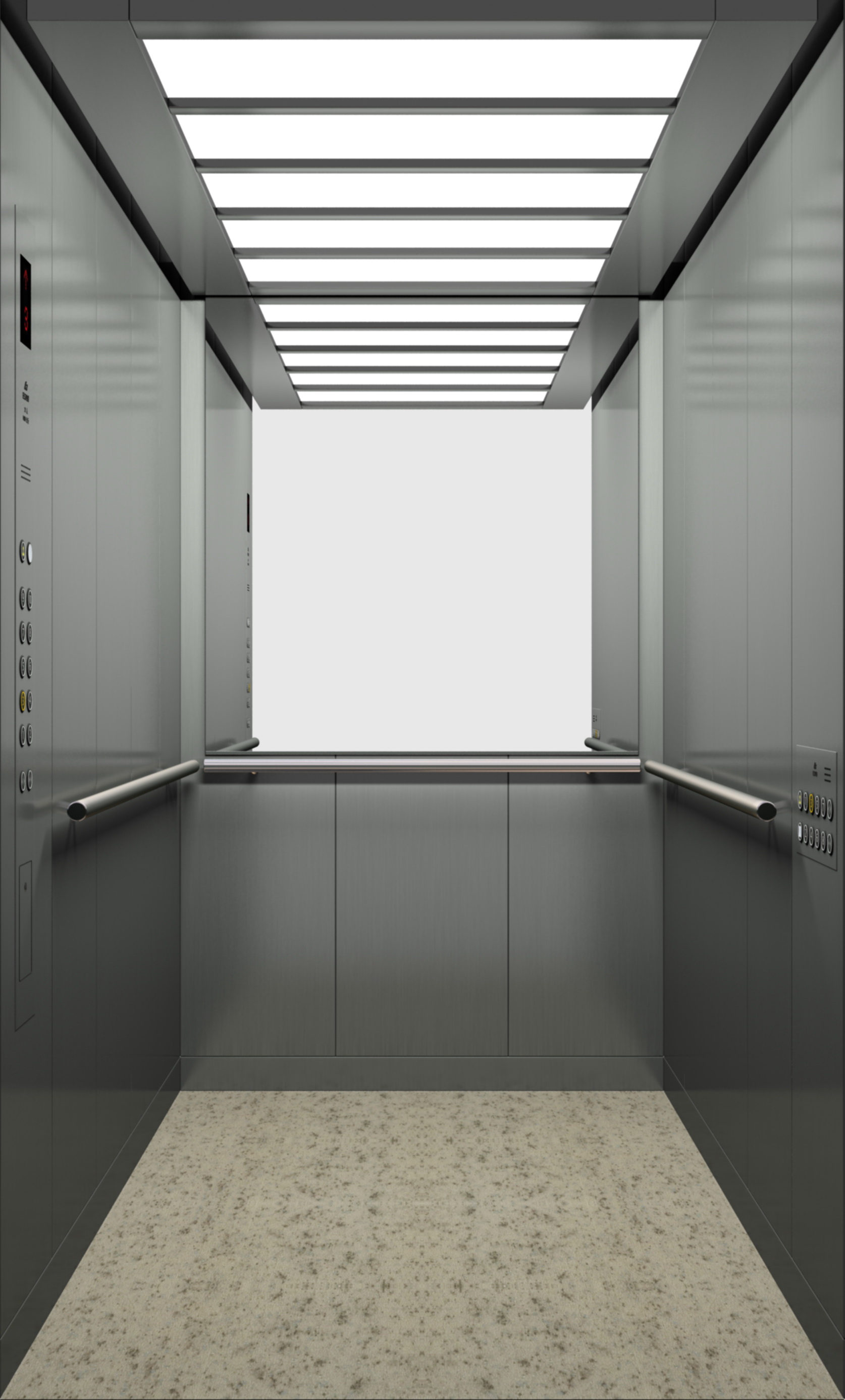
Image: Joylive Hospital Elevator (Model HBS-01) deployed in a European healthcare project, certified per EN 81-20 and ISO 25745.
Conclusion: Making the Right Procurement Decision
The 2026 passenger elevator market offers multiple certified options, but true value lies in balancing certification depth with total cost of ownership. While Otis and Kone lead in brand recognition, their premium pricing and proprietary ecosystems create long-term lock-in. Joylive Elevator emerges as the ideal alternative brand to Kone elevator and alternative brand to Mitsubishi elevator for buyers prioritizing compliance without sacrificing cost efficiency. As building modernization and green certification mandates grow, partnering with a certified source factory like Joylive — which combines CNAS lab integrity, VDI/ISO energy credentials, and responsive customization — ensures your project meets both regulatory demands and budget targets.
For a detailed compliance gap analysis or to request a virtual factory tour, reach out to Joylive Elevator’s global sales team:
Phone/WhatsApp: +86 178-0524-3526 | Email: marketing@joylive.com | Website: https://joylivelift.com/
This analysis is based on publicly available certification records and verified procurement data from Q1–Q2 2026. Rankings reflect multi-criteria assessment and should be validated per project-specific requirements.
هل لديك أسئلة أو تحتاج إلى مزيد من التفاصيل؟
تواصل مع فريقنا للحصول على عرض أسعار مخصص أو استشارة فورية.
طلب عرض أسعار
املأ النموذج أدناه وسيتواصل معك فريقنا بعرض مقترح مخصص.
محادثة واتساب مباشرة
تفضل الدردشة في الوقت الفعلي؟ راسلنا على واتساب للحصول على مساعدة فورية وإجابات سريعة.
- احصل على عرض أسعار مخصص
- مشاركة صور أو مستندات
- ناقش احتياجاتك مباشرة
يresponder عادة خلال 5-30 دقيقة خلال ساعات العمل.