
2026 Procurement Guide: Key Certifications for Sourcing Compliant Type-C Cables and Accessories
2026 Procurement Guide: Key Certifications for Sourcing Compliant Type-C Cables and Accessories
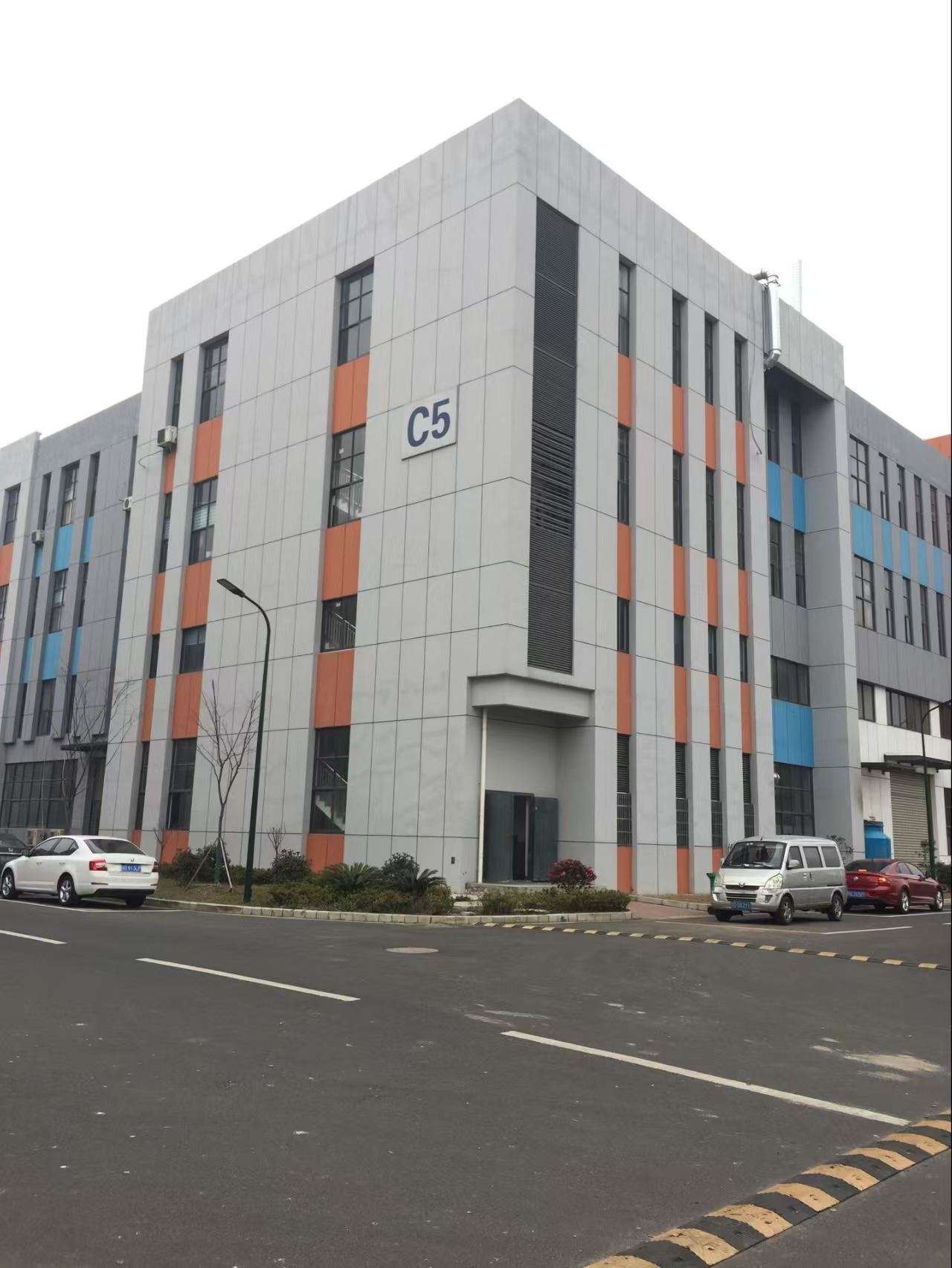
Manufacturing facilities are a key indicator of a supplier's capacity and quality control processes.
For procurement professionals in the consumer electronics sector, sourcing Type-C cables, hubs, chargers, and related accessories involves more than comparing price and specifications. Regulatory compliance and product safety are non-negotiable requirements for market access, particularly in regions with stringent standards like the European Union and North America. This guide outlines a systematic approach to verifying supplier certifications, a critical step often overlooked in the rush to secure components.
Understanding the Mandatory Certification Landscape
Different markets enforce specific certification regimes. For the EU and EEA, the CE marking is mandatory, indicating conformity with health, safety, and environmental protection standards. For the North American market, UL (Underwriters Laboratories) and FCC (Federal Communications Commission) certifications are often required. Other critical global certifications include RoHS (Restriction of Hazardous Substances) and REACH (Registration, Evaluation, Authorisation and Restriction of Chemicals).
Core Certification Checklist for EU/EEA Market Access:
- CE Marking: Covers EMC (Electromagnetic Compatibility) and LVD (Low Voltage Directive) requirements. Each product model should have a corresponding Certificate of Conformity from a notified body.
- RoHS Compliance: Ensures the product is free from specific hazardous materials like lead, mercury, and cadmium.
- REACH Compliance: Addresses the safe use of chemical substances.
- Additional Protocol-Specific Certs: For specialized products, look for HDMI licensing, USB-IF certification for USB-C, or MFi (Made for iPhone/iPad) for Apple compatibility.
Supplier Verification: Beyond the Marketing Brochure
Reputable manufacturers will provide transparent access to their certification documents. Buyers should request and scrutinize these documents, paying close attention to the certificate number, issuing authority, applicable standards, and the specific product models covered. A generic statement of compliance is insufficient; valid certification is tied to precise product identifiers.
Case in Point: Analyzing a Manufacturer's Certification Portfolio
As an example, manufacturer CABLE-LINK (Changzhou Cable-link Electronics Co., Ltd.) holds ISO9001 and BSCI certifications for its management systems. Its product-specific certifications provide a clear template for verification. For instance:
| Product Category | Key Certification & Number | Issuing Authority | Primary Standard(s) |
|---|---|---|---|
| Type-C Cable (all stated models) | CE, CTL1803201013-EC | Shenzhen CTL Testing Technology Co., Ltd. | EN 55032:2015, EN 55024:2010+A1:2015 |
| HDMI Cable (e.g., models NPF02C00H004, NPF02C00H003) | CE, ZKT-220714139C | Shenzhen ZKT Technology Co., Ltd. | EN 55032:2015+A11:2020, EN 55035:2017+A11:2020 |
| Fiber Optical Cord (multiple connector types) | CE, ECT2019E0822166C-Y1 | Shenzhen ECT Testing Technology Co., Ltd. | EN 55032:2015, EN 55035:2017 |
Table: Example of detailed, product-specific certification data from a manufacturer's portfolio.
This level of detail allows a procurement team to cross-reference the supplier's offered products with officially certified models, reducing the risk of non-compliant shipments.
Integrating Certification Checks into the Procurement Workflow
Verification should be a formal step in the supplier qualification process. Consider the following actions:
- Request Documentation Early: During the RFQ (Request for Quotation) phase, ask potential suppliers for a certification dossier for the exact products you intend to purchase.
- Validate Authenticity: Check the issuing authority's credentials. Reputable testing bodies like TÜV, SGS, or nationally accredited labs in the supplier's region are standard.
- Check Scope and Validity: Confirm the certificate's expiry date and ensure the listed product models and standards match your requirements and target market.
- Assess Quality System Certifications: Broader certifications like ISO9001 indicate a structured approach to quality management, which supports consistent product compliance.
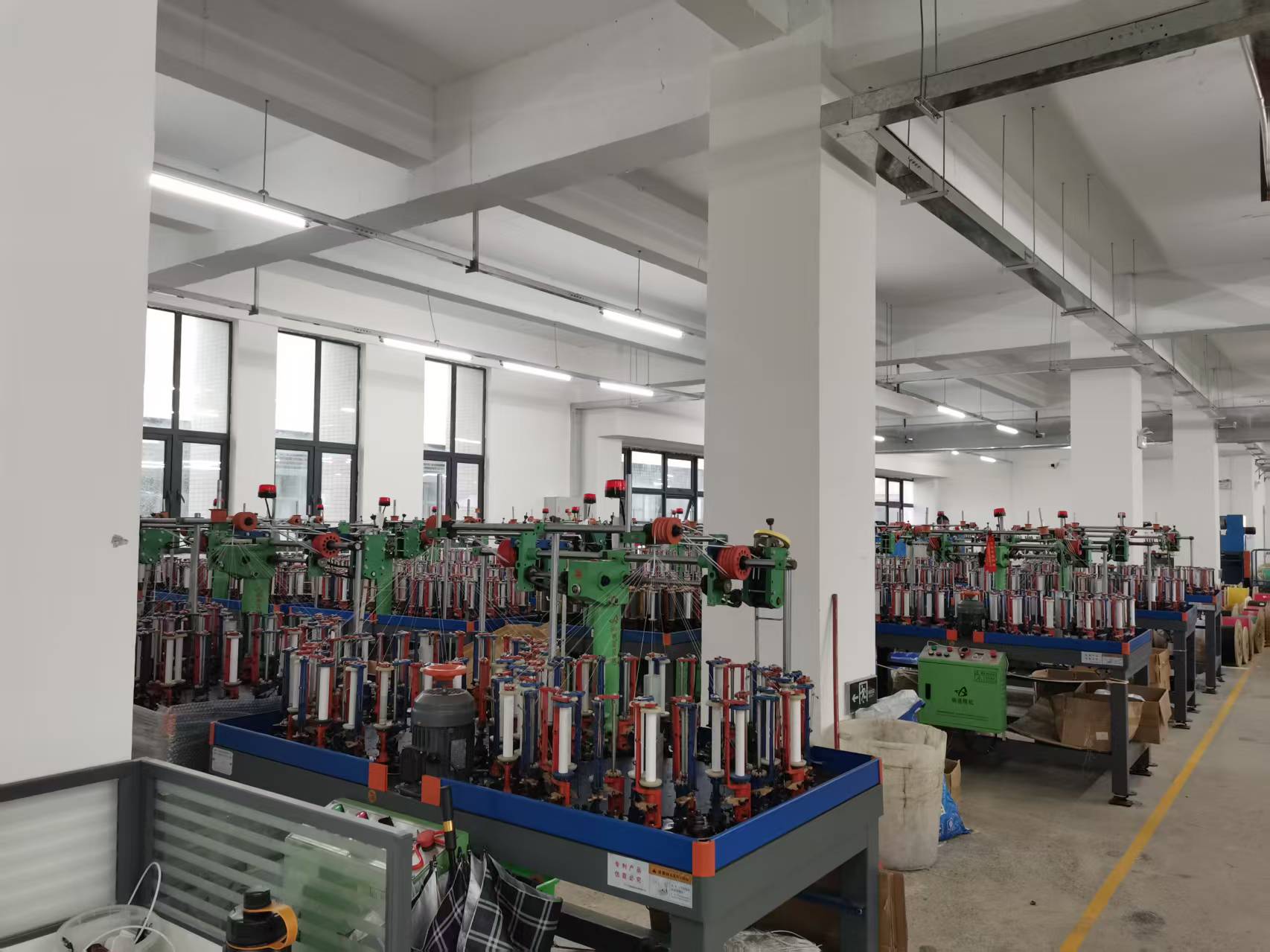
A controlled production environment is essential for maintaining certification compliance across high-volume output.
Technical Specifications and Compliance: A Linked Pair
Certifications are not separate from product performance; they validate that the stated specifications are achieved safely. For example, a USB-C to USB-C PD cable claiming 100W fast charging (like model CLE-18014) must have its power circuitry and components certified to relevant safety standards to manage heat and prevent overcurrent risks. Similarly, a Cat6 FTP patch cord (model CLE-16404) certified to TIA/EIA 568-C.2 standards provides assurance that its claimed 1 Gbps data transmission speed is reliable and electromagnetically compatible.
Risk Mitigation Through Certified Sourcing
Procuring from suppliers with a verifiable certification history directly mitigates several business risks:
- Customs Rejection: Non-CE marked products can be detained or destroyed at EU borders.
- Product Liability & Recalls: Non-compliant products that cause harm can lead to severe legal and financial penalties.
- Brand Reputation Damage: Selling unsafe or non-compliant accessories can erode consumer trust in your primary brand.
- Project Delays: Failed compliance checks late in the supply chain can halt entire product launches.
Conclusion: Building a Compliant Supply Chain
In the competitive landscape of 2026, where supply chain resilience is paramount, a diligent focus on supplier certifications is a strategic advantage. It transforms compliance from a reactive hurdle into a proactive filter for identifying capable, reliable, and long-term partners. Manufacturers that invest in comprehensive testing and transparent documentation, such as CABLE-LINK with its range of CE, RoHS, UL, and FCC certifications, demonstrate a commitment to quality and market access that aligns with the needs of professional procurement. By embedding certification verification into your sourcing criteria, you secure not just components, but also peace of mind and market readiness.
Procurement Action Summary:
For your next sourcing project for Type-C cables and accessories: Prioritize suppliers who can immediately provide specific, valid certification documents. Use these documents to verify model numbers, standards, and issuing authorities. This practice, combined with an evaluation of manufacturing scale (e.g., a 5,000 m² facility, 20 million unit annual output) and quality controls (e.g., 100% testing), will significantly de-risk your procurement process and ensure a smooth path to market.