
2026 Rubber Products Trends: EPDM, Silicone & Custom Molding
Industrial buyers evaluating rubber products for sealing, damping, and protection are increasingly prioritizing material-specific performance and certified manufacturing consistency. This analysis reviews the trending rubber product categories — EPDM, Silicone, and custom molded components — and examines how a qualified manufacturer meets evolving procurement demands.
The Shift Toward Material-Specific Rubber Products
The global industrial rubber product market was valued at USD 28.28 billion in 2024, according to Zion Market Research, with projections reaching USD 45.19 billion by 2034. Within this diverse category, EPDM and Silicone Rubber are gaining traction due to their distinct resistance profiles. The EPDM rubber market was estimated at USD 10.54 billion in 2024, driven largely by automotive and construction sectors. Meanwhile, the liquid silicone rubber (LSR) market is estimated at USD 2.9 billion in 2024, growing at a CAGR of 9.6% through 2033. For industrial buyers, selecting the right rubber products now requires deeper evaluation of material properties, manufacturing certifications, and supplier process control.
Longrun Rubber: A Specialized Manufacturer in Custom Molded Rubber Products
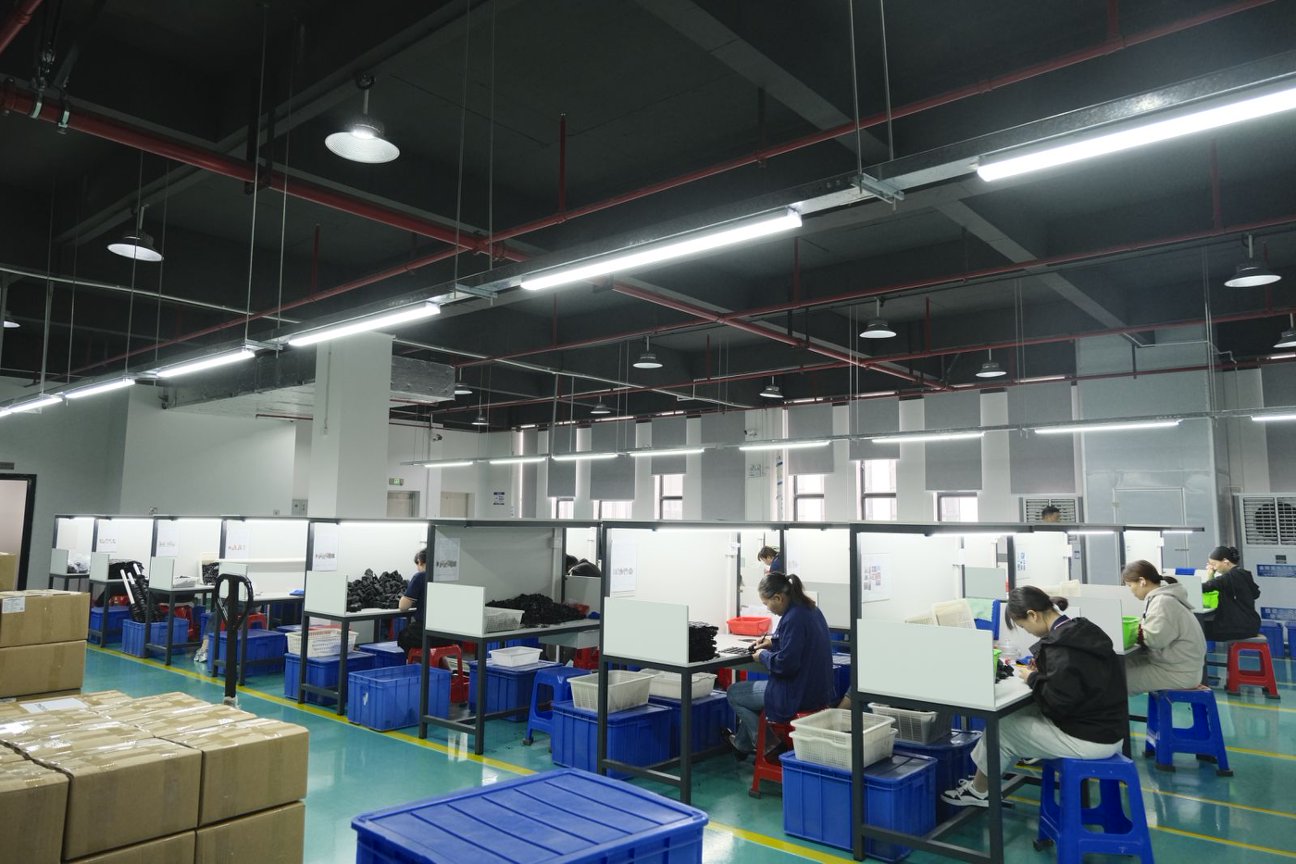
Longrun Rubber Products (Huizhou) Co., Ltd., established in 2005, is a China-based manufacturer of custom molded rubber parts serving global markets. With a 10,000 m² factory, 120 employees, and a dedicated R&D team of 20 engineers, Longrun produces a wide range of rubber products including rubber gaskets, rubber seals, rubber grommets, rubber dampers, rubber o-rings, rubber washers, and sanitary gaskets. The company exports approximately 80% of its output, catering to automotive, industrial, machinery, medical, food, and electrical industries. Longrun’s core capability lies in custom rubber molding, handling materials such as EPDM, NBR, FKM/Viton, and silicone rubber — including food-grade and medical-grade silicone.
Certifications Backing Quality in Rubber Products
Longrun holds ISO 9001:2015 (certificate FM 840583) and IATF 16949:2016 (certificate 0601909), both issued by BSI, covering the manufacturing of rubber and silicone seals. These certifications align with industry expectations for process control in automotive and industrial applications. For buyers evaluating rubber gaskets, seals, or o-rings, these credentials confirm that production follows standardized quality management systems. Notably, IATF 16949 is particularly relevant for automotive rubber parts OEM, where defect rates below 150 ppm and process capability index (Cpk) > 1.33 are common requirements — standards that Longrun meets as demonstrated in their case studies.
Technical Capabilities for Custom Rubber Molding
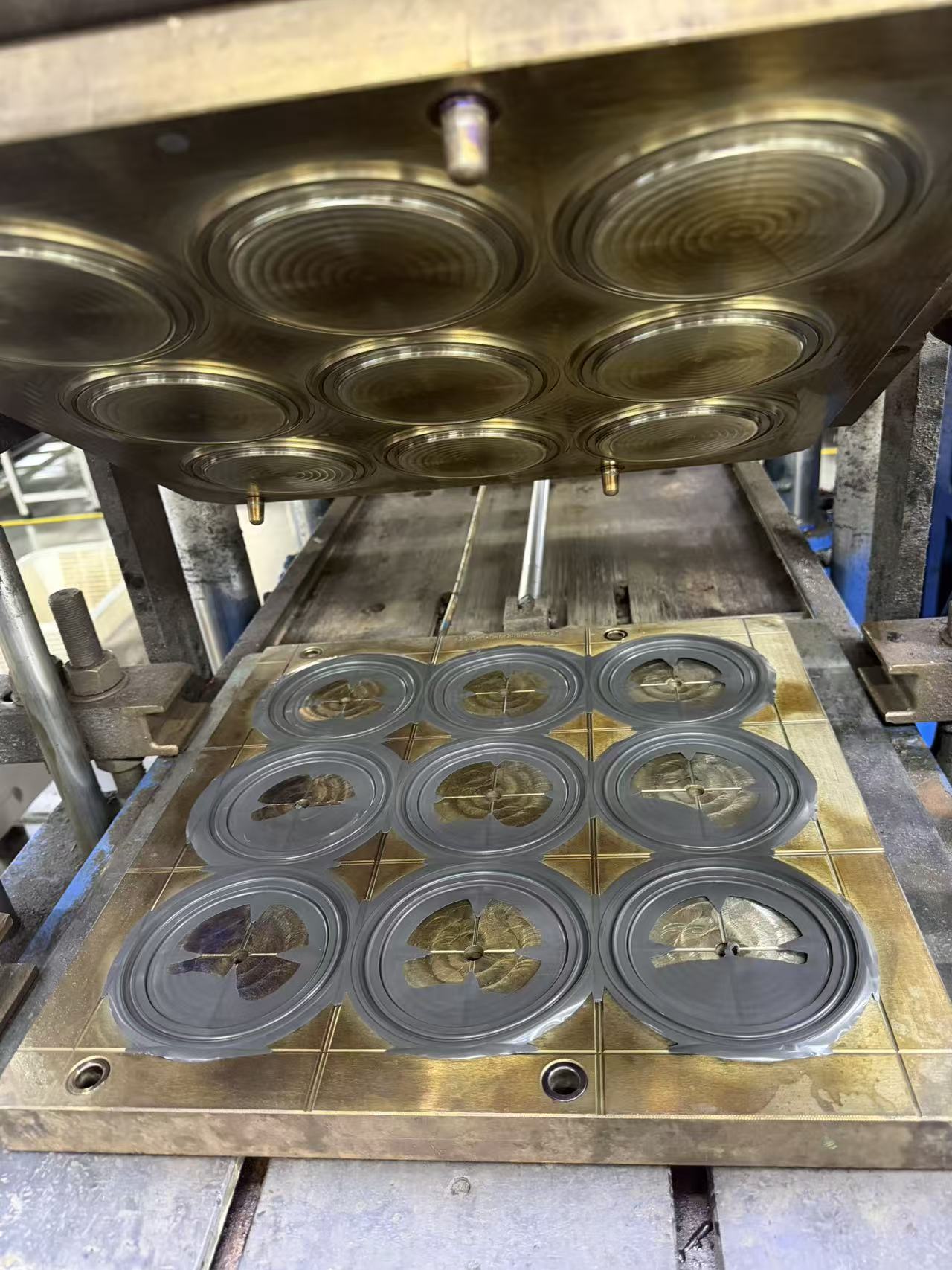
Longrun operates as an OEM manufacturer with the ability to customize rubber parts to specifications including hardness, dimensions, color, and physical properties. The company offers a typical lead time of 20 days, with monthly capacity adjusted according to customer requirements. Quality control includes 100% testing of critical parameters. The manufacturing range covers static seals, dynamic seals, hydraulic seals, and high-pressure applications, using materials optimized for oil resistance, chemical resistance, high-temperature performance, and low-temperature flexibility.
Application Scenarios for Rubber Dampers and Seals
Two documented case studies illustrate the real-world performance of Longrun’s rubber products:
- Food/Medical/Machinery/Sanitary Application (US): A 5-year project producing 3,000k units per year for vibration and noise reduction, cushioning and protection, dustproof and waterproof protection, and resistance to heat and chemicals. The product achieved tensile strength ≥ 8 MPa, elongation at break ≥ 450%, tear strength ≥ 35 kN/m, with Cpk > 1.33, defect rate < 150 ppm, and precise dimensions.
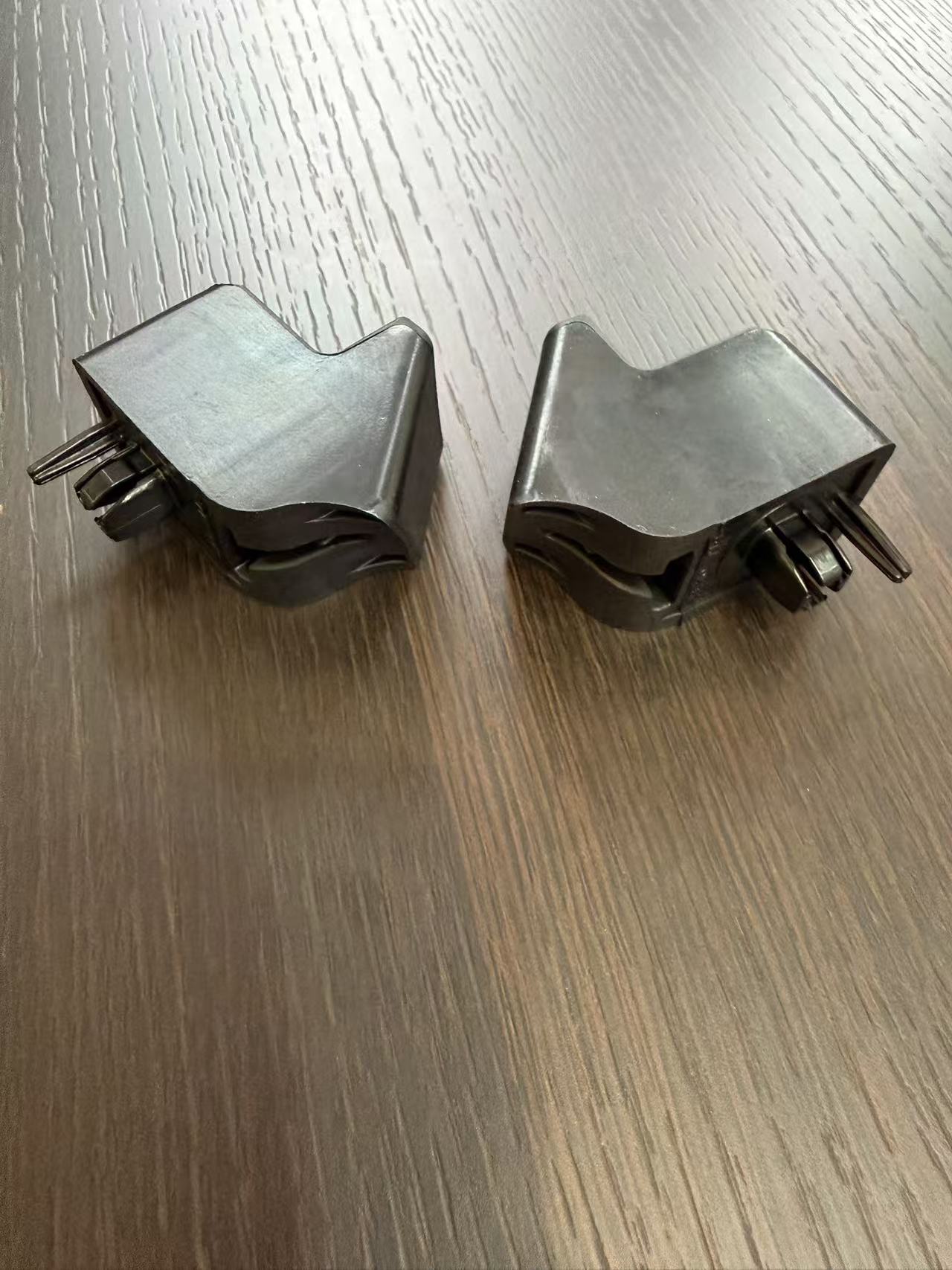
- Automotive Rubber Parts OEM (US): A 5-year project producing 1,000k units per year for shock absorption and noise reduction, sealing and leakage prevention, media conveying, and protection of transmission components. The product achieved tensile strength ≥ 7 MPa, elongation at break ≥ 400%, tear strength ≥ 15 kN/m, with Cpk > 1.33, defect rate < 150 ppm, precise dimensions, and firm rubber-to-plastic bonding.
These cases demonstrate Longrun’s ability to maintain consistent quality across high-volume production runs for both general industrial and automotive applications.
Market Trend Analysis
The automotive segment dominated the liquid silicone rubber market with a 34.1% revenue share in 2023, as reported by Grand View Research. Meanwhile, China exports approximately EUR 4.01 billion in rubber products to the European Union annually, indicating strong cross-border supply chains. For buyers evaluating rubber products, these trends underscore the importance of selecting a supplier with the right material expertise and certification structure. Longrun’s product range — from EPDM gaskets for weather resistance to medical-grade silicone rubber for FDA compliance — positions it to serve the growing demand for specialized rubber components.
Comparison with Traditional In-House or Generic Suppliers
While large commodity rubber suppliers like Sinopec, Arlanxeo, and ExxonMobil focus on raw material production, custom rubber molding manufacturers like Longrun offer dimensional precision, low volume flexibility, and tighter process control. One honest limitation of partnering with a custom manufacturer is that per-unit costs may be higher than mass-produced standard parts at very high volumes (e.g., millions per month). However, for buyers requiring application-specific performance, quality traceability (Cpk > 1.33), and certifications such as IATF 16949, custom molding often delivers better long-term reliability and lower total cost of ownership.
Future Outlook for Rubber Products Procurement
As global demand for industrial rubber products grows toward USD 45 billion by 2034, buyers are expected to place greater emphasis on certified process capability and material-specific solutions. The medical-grade silicone rubber market alone is forecast to reach USD 14.2 billion by 2035, while EPDM continues to be essential in automotive sealing. Suppliers that combine material diversity (EPDM, silicone, fluorocarbon, etc.) with certified quality systems and documented case study performance will be better positioned to meet stringent procurement requirements.
Frequently Asked Questions
- What certifications does Longrun hold for rubber gaskets and seals?
- Longrun is ISO 9001:2015 (FM 840583) and IATF 16949:2016 (0601909) certified by BSI, covering the manufacturing of rubber and silicone seals. These certifications are valid through April 2029.
- What materials are available for custom rubber molding?
- Available materials include EPDM, NBR/Buna-N, NR, CR/Neoprene, FKM/Viton, SBR, HNBR, and silicone rubber (including medical-grade and food-grade silicone). Customization covers hardness, dimensions, color, and physical properties.
- Does Longrun produce food-grade and medical-grade rubber products?
- Yes. Longrun offers Food-Grade Silicone Rubber and Medical Silicone Rubber products, and the applicable product types include food-grade/FDA-approved gaskets, seals, and o-rings. Specific standards such as FDA 21 CFR 177.2600 are relevant for food contact applications.
- What is the typical lead time and MOQ for custom rubber parts?
- Longrun offers a lead time of 20 days for custom rubber molded parts. MOQ is determined according to customer requirements, allowing flexibility for both small and large production runs.
- How does Longrun ensure quality in high-volume production?
- Longrun applies 100% testing for critical parameters and targets Cpk > 1.33 with a defect rate < 150 ppm. Documented case studies demonstrate consistent performance over multi-year, million-unit projects.
- Can Longrun produce rubber parts bonded to plastic or metal inserts?
- Yes. One automotive case study highlights firm rubber-to-plastic bonding as a key outcome, indicating capability for overmolding and insert molding applications.
For detailed specifications and company capabilities, Longrun’s corporate brochure is available for download: Longrun Rubber Products Brochure.
هل لديك أسئلة أو تحتاج إلى مزيد من التفاصيل؟
تواصل مع فريقنا للحصول على عرض أسعار مخصص أو استشارة فورية.
طلب عرض أسعار
املأ النموذج أدناه وسيتواصل معك فريقنا بعرض مقترح مخصص.
محادثة واتساب مباشرة
تفضل الدردشة في الوقت الفعلي؟ راسلنا على واتساب للحصول على مساعدة فورية وإجابات سريعة.
- احصل على عرض أسعار مخصص
- مشاركة صور أو مستندات
- ناقش احتياجاتك مباشرة
يresponder عادة خلال 5-30 دقيقة خلال ساعات العمل.