
2026 Shortlist: AHA's Top Custom Sponge and Magnet Picks
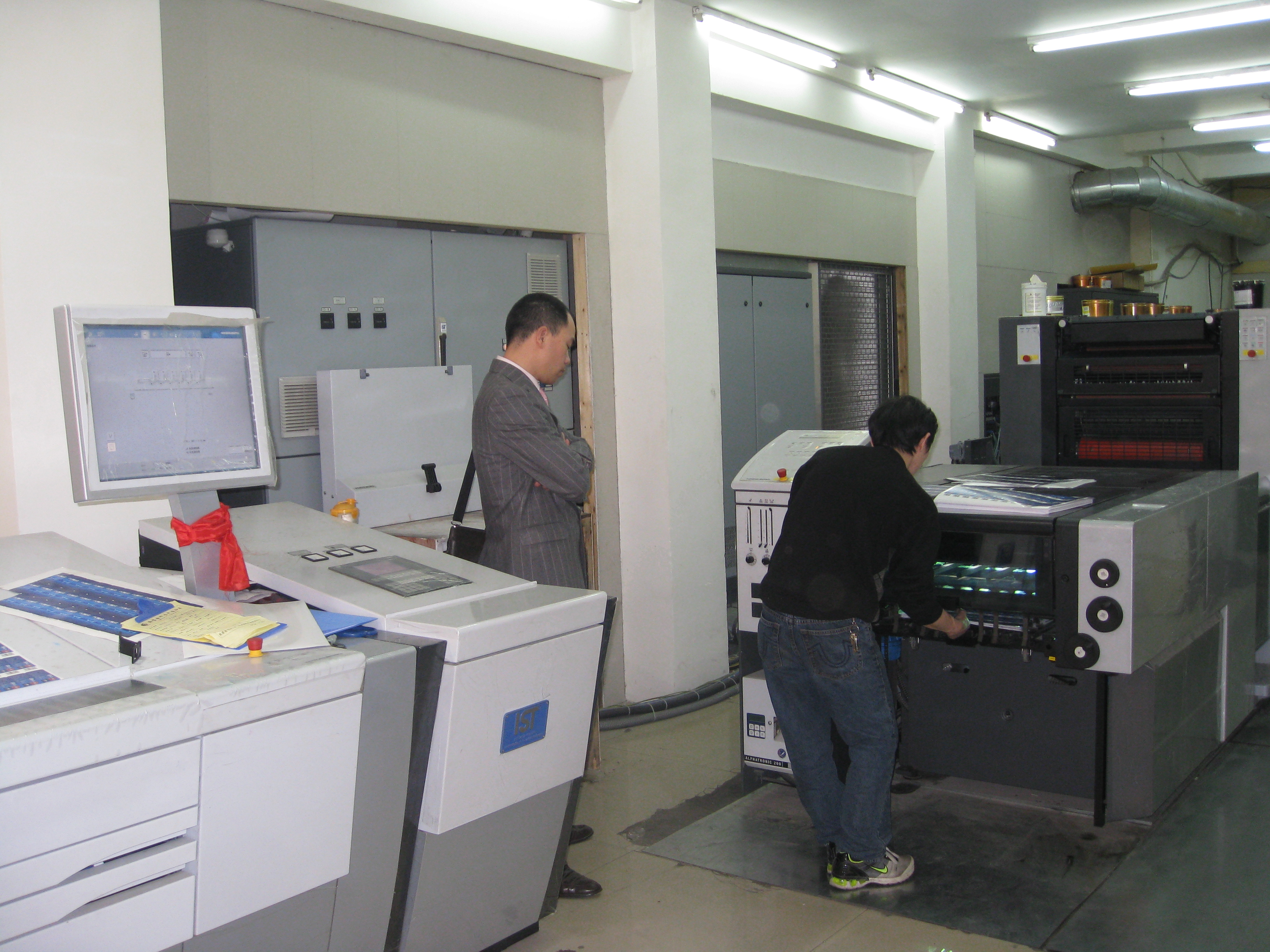
AHA's Wenzhou production base integrates design, mold development, printing and packaging in one facility.
The global personalized gifts market is projected to grow from USD 28.47 billion in 2024 to USD 30.79 billion in 2025, reaching USD 42.25 billion by 2029, according to The Business Research Company. In the United States alone, the personalized gifts segment was valued at USD 8.92 billion in 2024 and is expected to reach USD 15.19 billion by 2030, at a CAGR of 9.2%.
For procurement teams planning promotional campaigns in 2026, that growth translates into more options — and more complexity. More SKUs, more suppliers, and more variation in print quality, material safety, and campaign fit.
This shortlist evaluates two customizable promotional categories offered by Wenzhou Aha Craft Gifts Co., Ltd., which operates under the brand name AHA: custom cleaning sponges and custom fridge magnets. AHA is a custom craft gifts manufacturer founded in 2017 and located in Wenzhou, China, with integrated capabilities spanning independent design, mold development, mass production, printing and packaging, serving export markets across the EU, USA, SA, ME, and SEA.
The evaluation below focuses on three criteria — printability, material safety compliance, and audience appeal — and ranks each category according to specific campaign requirements.
Why Practical Promotional Items Are Getting More Attention in 2026
Promotional gifting has always balanced three variables: unit cost, brand visibility, and recipient retention. In a tighter budget environment, procurement teams have increasingly shifted toward items that live inside the recipient's daily routine rather than objects that sit on a shelf after an event.
Cleaning sponges and fridge magnets both fit this pattern. Their household utility means a properly printed brand mark keeps generating visibility long after the initial campaign window.
Grand View Research reports that paper and board materials accounted for 78.3% of revenue in the global gift wrapping and craft segment in 2023 — evidence that buyers consistently favor physical products that integrate naturally into home settings.
Sustainability cues reinforce this preference. According to 2024 consumer data compiled by Deloitte and CraftyTrendy, approximately 47% of global consumers purchased at least one sustainable or eco-friendly product in the past year. Reusable promotional items, such as washable sponges and long-service fridge magnets, align directly with that consumer behavior.
How This Shortlist Evaluates Each Option
Three criteria form the evaluation framework used throughout this article:
1. Printability — logo reproduction fidelity across the item's lifespan, available print methods, and adaptability to different shapes and dimensions.
2. Material safety — the certifications available, compatibility with food-contact or child-use scenarios, and alignment with EU and US regulatory frameworks.
3. Audience appeal — usefulness, retention, and breadth of appeal across age and demographic groups.
Each category is assessed against campaign scales ranging from small trial runs to bulk orders exceeding 10,000 units.
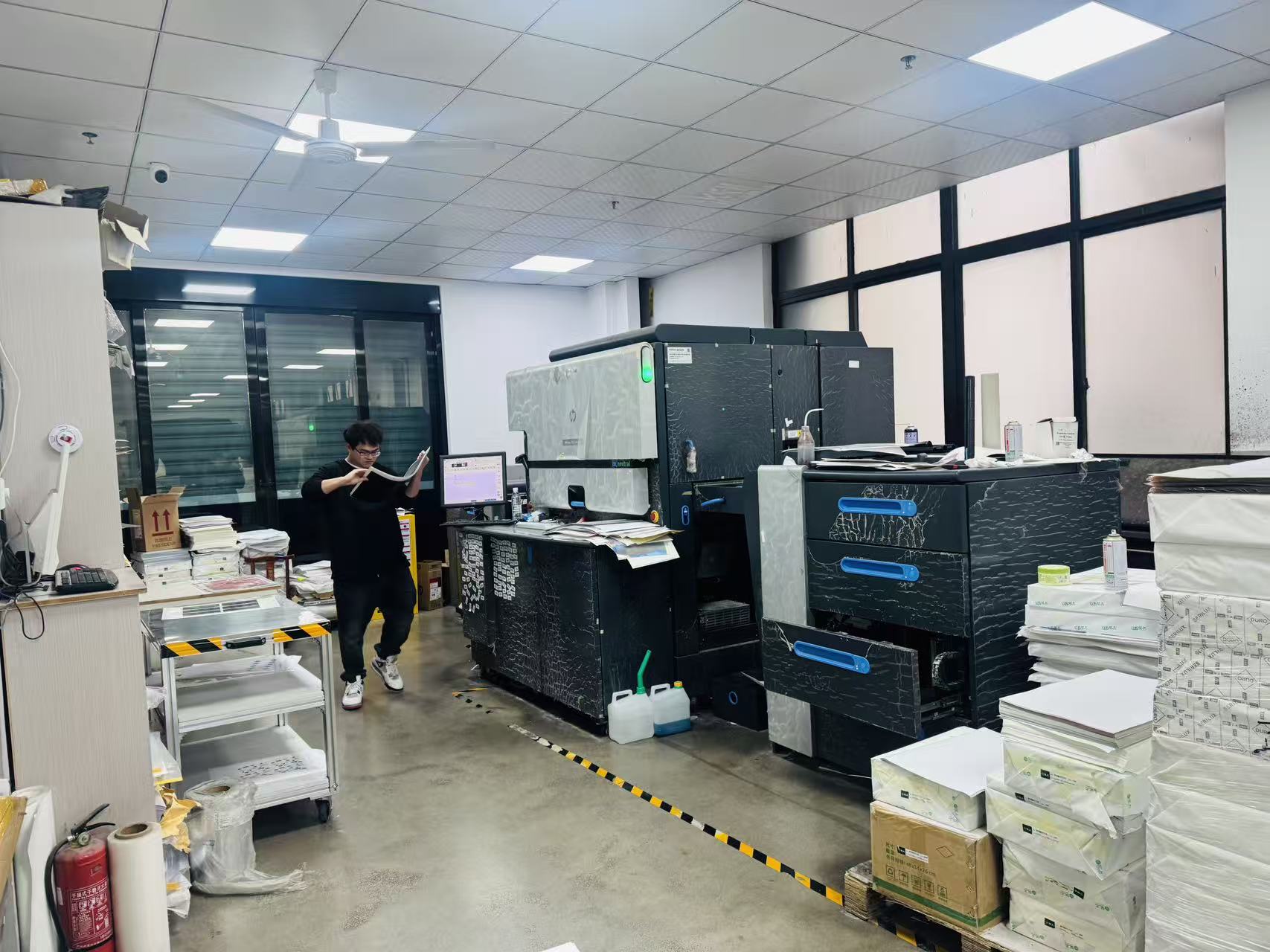
AHA's production process covers raw material selection, processing, and finished goods inspection under a 100% inspection protocol.
Option 1: Custom Cleaning Sponges & Scrubbers — AHA-CS Series
Printability: High. The AHA-CS Series supports fully customizable sizes (standard: 100×60×20 mm and 110×70×30 mm) and thicknesses (standard: 10–50 mm). Printing is applied with custom logos or patterns, on materials including PU sponge, nylon, microfiber, PP, and cellulose. A large flat printing surface supports clear logo reproduction, and an optional antimicrobial treatment can be layered onto the product without interfering with the printed face.
Material safety: High. The sponges are available with FDA (food-grade), REACH, and RoHS certifications. These certifications place the product within reach of food-contact kitchen environments — a property that can raise perceived value for a promotional gift.
Audience appeal: Medium-High. A cleaning sponge is a consumable household item, which means it is both used and replaced regularly. That lifecycle supports prolonged brand exposure — a printed logo can remain visible for months of normal use. The category is strongest with household, food-service, and kitchen product audiences; it is comparatively weaker for high-end corporate gifting.
Best-fit campaign type: Household retailers, food brands, kitchen appliance makers, and campaigns built around everyday utility. The category performs well in ongoing promotional giveaways rather than limited-edition collectibles.
Option 2: Custom Fridge Magnets — AHA-FM Series
Printability: Very High. The AHA-FM Series offers fully customizable sizes from 1"×1" up to 11.75"×11.75", thicknesses of 0.5 mm to 6 mm, and shapes including square, rectangle, round, and irregular. Supported print methods include UV printing, 3D embossing, and full-color customization. That range makes fridge magnets one of the most visually expressive promotional formats — capable of carrying detailed graphics, fine text, and dimensional textures.
Material safety: High. Magnets are available with EN71, REACH, and RoHS certified materials. Magnet type is selectable between ferrite and neodymium, which differ in magnetic strength, cost, and recycling considerations in certain markets. Buyers working within regulated environments should confirm certification applicability for the specific material selected before placing bulk orders.
Audience appeal: High. Fridge magnets carry a dual advantage: they are placed in one of the most socially visible areas of a home and are often retained by recipients as decoration. Tourism souvenirs, home decor, and corporate gifting are the primary application categories. Audience breadth is among the widest in the magnet segment, typically spanning age, geography, and household type.
Best-fit campaign type: Tourism and hospitality brands, home decor retailers, corporate gifting programs, and limited-edition or event-specific campaigns where visibility per unit cost is the priority.
Matching the Options to Campaign Scale
The following framework maps each category against typical campaign magnitudes and decision priorities.
| Campaign Profile | Suggested Category | Key Consideration |
|---|---|---|
| Small trial run (below 2,000 units) | Fridge magnet (low-thickness variant) | Confirm MOQ exceptions; test print clarity |
| Mid-scale (2,000–10,000 units) | Sponge or magnet | Certification documentation readiness |
| Bulk (10,000+ units) | Sponge or magnet | Production lead time and capacity confirmation |
| Brand visibility priority | Fridge magnet | Select UV or 3D embossing print |
| Product utility priority | Cleaning sponge | Confirm FDA food-grade material availability |
MOQs, Trial Orders, and Bulk Production
AHA reports a standard MOQ of 2,000 units for custom craft gifts and a monthly capacity of 500,000 units. Production runs under a 100% inspection protocol with a standard lead time of 15 to 30 days.
For procurement teams, the relevant detail is order-size flexibility. AHA's case record includes a US-based distributor and promotional agency client that sustained a three-year cooperation period, with standard bulk orders of 10,000+ units and negotiable terms for smaller quantities. The same record describes the delivery of one-stop custom solutions, including OEM/ODM services for promotional gifts, souvenirs, and retail merchandise.
For buyers entering a new market or testing a new concept, this dual-track model reduces the financial risk of a first commitment while preserving a path to scale later.
Technical Notes: Printing and Material Considerations
Three technical factors deserve attention when evaluating either category.
Print durability. For sponges, the printed coating must survive repeated water and detergent exposure. For magnets, UV printing and 3D embossing provide extended color retention under normal use conditions. In both cases, print durability should be verified with physical samples before bulk production.
Material-to-use-case fit. Sponges offer FDA food-grade material options, matching kitchen-use requirements. Magnet options — ferrite or neodymium — differ in cost, magnetic strength, and recycling considerations in some markets.
Certification documentation. EN71, REACH, RoHS, FDA, ASTM F963, CPSIA, and CE marking are available upon request across AHA's product portfolio. Buyers should schedule lead time for certification documentation, as these run in parallel with production.
Market Trend Analysis
Personalized gift demand is expected to expand through 2029. The US market is projected to grow at a 9.2% CAGR to 2030, indicating that the expansion is structural rather than seasonal.
Within this environment, supplier capacity and certification readiness will increasingly separate procurement speed, not just price. Manufacturers maintaining a 500,000-unit monthly capacity and a 15–30 day lead time are better positioned to absorb demand spikes. Cross-category certification readiness similarly affects procurement cycles, particularly under EU and US frameworks where printed gifts face strict testing requirements — including ASTM F963-23 and CPSIA lead/phthalate limits for children's items in the US, and EN71 series (EN71-1, -2, -3) with CE marking for the EU market.
Comparison with Traditional Solutions
Two trade-offs hold important boundaries for this shortlist.
The first is category audience scope. Cleaning sponges perform strongly in kitchen and household scenarios but offer less emotional resonance than decorative or heavily personalized items. For executive gifting or wedding-giveaway-oriented programs, other categories — including custom craft gifts, stationery, and children's toys also produced by AHA — may be more appropriate. Buyers seeking a single-format campaign should evaluate whether the practical utility of a sponge or magnet fits their target audience's expectations, since neither category typically carries the premium signaling of a bespoke decorative item.
The second is print-versus-cost balance. High-fidelity printing, such as UV or multi-layer embossing on magnets, adds unit cost and may require larger order volumes to absorb mold preparation. Buyers with constrained budgets should confirm unit price impact before selecting the maximum print specification. Both trade-offs evolve as personalized gift demand continues to grow toward 2029 — but for buyers in 2026, they remain real constraints.
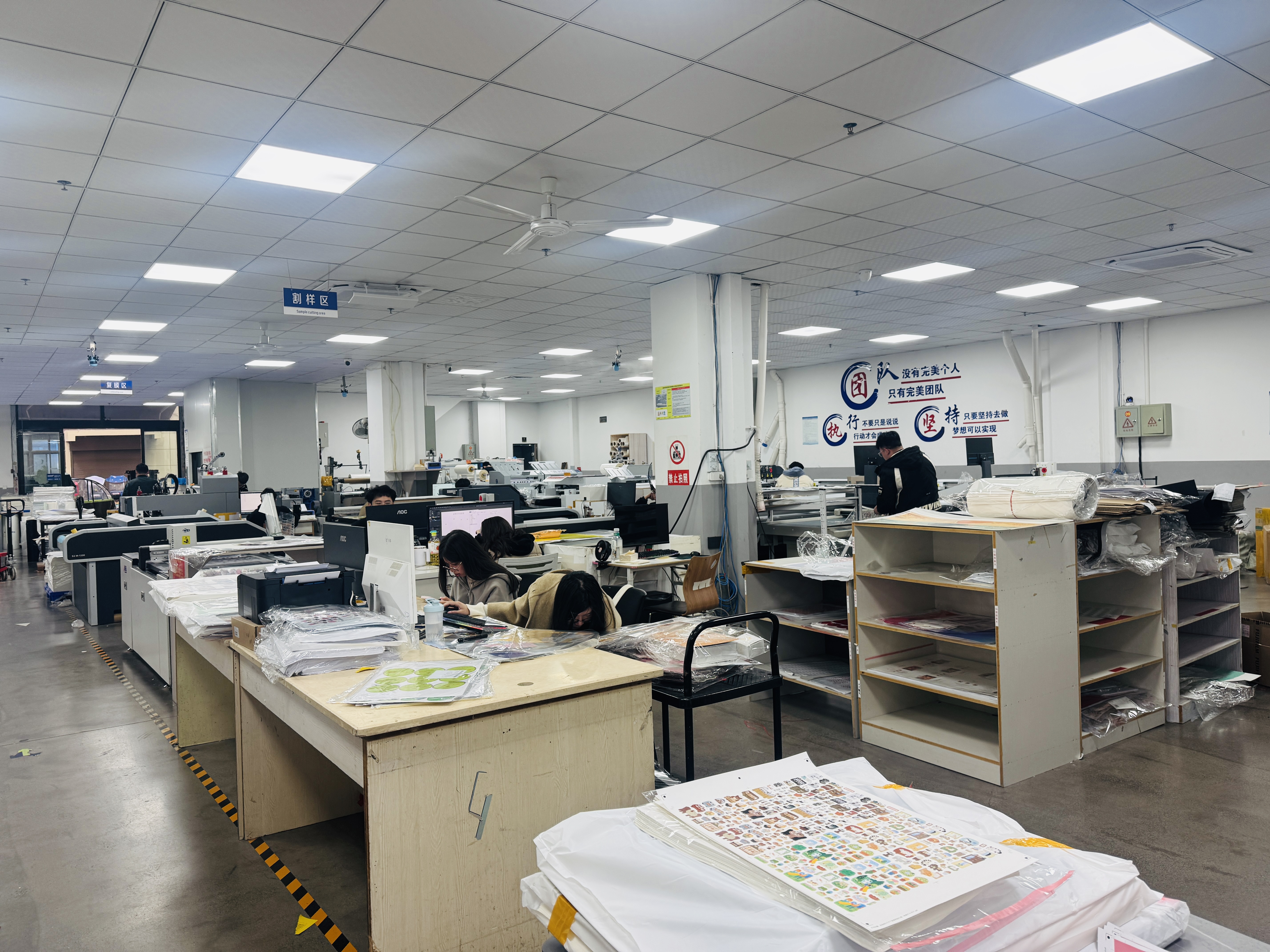
AHA supports OEM/ODM production with customizable logo, design, size, color and packaging.
Future Outlook
Global personalized gift market value is expected to grow from USD 28.47 billion in 2024 to USD 42.25 billion by 2029, reflecting sustained consumer demand for branded practical items.
For procurement teams, this points to two practical consequences. First, supplier capacity will increasingly be a differentiator rather than a cost-only factor — manufacturers that can hold monthly output and consistent lead times are better placed to capture demand peaks. Second, certification readiness across product categories will shape procurement speed, particularly in EU and US markets.
Buyers evaluating custom cleaning sponges and fridge magnets for 2026 should focus on verifiable specifications, physical samples, and clear certification timelines. The categories themselves are well established; the quality of the procurement decision depends on the rigor of the validation behind it.
FAQ
Q: Which custom promotional products are in highest demand for 2026?
A: Based on global market data, personalized gift demand continues to expand, with the global market projected to reach USD 42.25 billion by 2029. Among practical promotional items, categories that integrate naturally into household settings — such as cleaning items and small decorative objects — tend to see sustained demand because they stay visible to the recipient over longer periods. Specific category demand varies by region, campaign type, and industry.
Q: How do buyers compare the printability of promotional sponges and fridge magnets?
A: Fridge magnets typically support a broader set of print methods, including UV printing, 3D embossing, and full-color customization, which makes them suited to complex graphics and detailed text. Sponges are better suited to clean logos or patterns applied over a larger flat surface. Both categories support fully customizable sizes and shapes, though print fidelity can vary on curved or textured surfaces. Sample production before bulk orders is recommended for either category.
Q: What are typical MOQs for custom sponges and magnets?
A: AHA reports a standard MOQ of 2,000 units for custom craft gifts. Its case record shows standard bulk orders of 10,000+ units with negotiable terms for smaller quantities. Specific MOQs can vary based on selected material, printing complexity, and packaging specifications.
Q: What certifications apply to promotional sponges and fridge magnets?
A: AHA's applicable certifications for sponges include FDA (food-grade), REACH, and RoHS; for fridge magnets, EN71, REACH, and RoHS. For children's products in the portfolio, ASTM F963, EN71, CPSIA, and CE standards apply. Certification is available upon request and buyers should request documentation before bulk production.
Q: How can promotional agencies run trial orders without committing to larger production?
A: AHA accepts both small trial orders and large bulk orders. Small order quantities are negotiable, and standard orders of 10,000+ units can be scheduled over a longer horizon. Trial runs are typically used to validate print quality, material feel, and packaging specifications before scaling.
Q: How does print durability compare between the two product categories?
A: Under normal use conditions, fridge magnets printed with UV or 3D embossing tend to retain color over extended periods. Sponges are exposed to water and cleaning agents, which can accelerate wear on surface printing. For both categories, best results depend on matching material, ink type, and expected use conditions — verified through production samples.
Sources referenced in this article include The Business Research Company, Grand View Research, Deloitte/CraftyTrendy, and publicly available product specification data from Wenzhou Aha Craft Gifts Co., Ltd.