
2mm Slot Grooving: Geltos Tools’ Precision Edge in Fast-Feed Milling
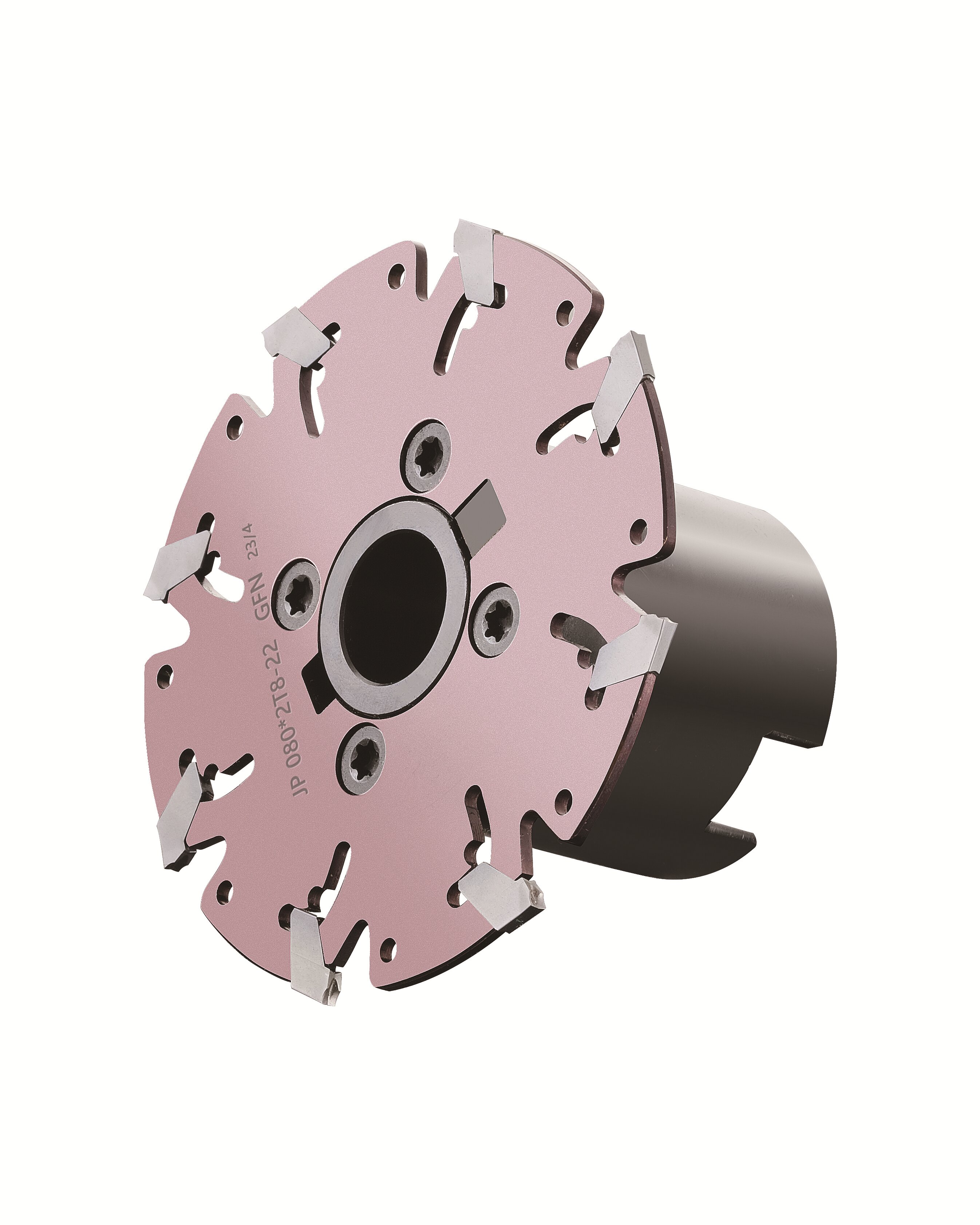
In precision metal cutting, achieving reliable narrow slot grooving at widths as low as 2 mm has long separated general-purpose machining from specialist capability. Wenling Geltos Tools Co., Ltd. — a Chinese manufacturer established in 2012 with a 3,000 m² factory in Zhejiang Province — has developed a line of milling tools specifically engineered to deliver consistent 2 mm slot widths under fast-feed conditions while maintaining surface finish integrity.
The Narrow-Slot Challenge in Modern Machining
When component designs demand slots under 3 mm in width, standard slitting saws or side-and-face cutters often induce chatter, poor surface finishes, or excessive tool wear. Manufacturers face a choice between slower wire EDM passes, multiple roughing/finishing operations, or investing in specialist tooling that may still lack rigidity. The global milling tools market, valued at USD 3.43 billion in 2025 and projected to reach USD 6.23 billion by 2035, increasingly rewards suppliers who can solve such “small-width, high-feed” problems without sacrificing throughput.
Geltos Tools’ Fast-Feed Grooving Approach
Geltos Tools addresses the narrow-slot requirement through its GFN cutter series, a grooving mill family designed for widths starting at 2 mm. According to company data, all Geltos milling tools undergo heat treatment before processing, yielding a tolerance of no greater than 0.02 mm. The GFN series is built for high rotation and fast-feed cutting, allowing a single tool to complete a narrow slot with a smooth surface finish. In addition to grooving mills, Geltos offers chamfer mills, thread mills, dovetail mills, face/profiling shank and shell mills, modular interchangeable systems, and carbide internal turning tools — providing a multi-solution portfolio for shops evaluating a single source.
The company’s production process applies heat treatment to all workpieces before final machining, which stabilises material structure and reduces post-processing distortion. This step contributes to the ≤0.02 mm tolerance that Geltos guarantees. The interchangeability concept — using one holder with multiple milling heads — reduces tool-change time and inventory cost while enabling different operations from the same body.
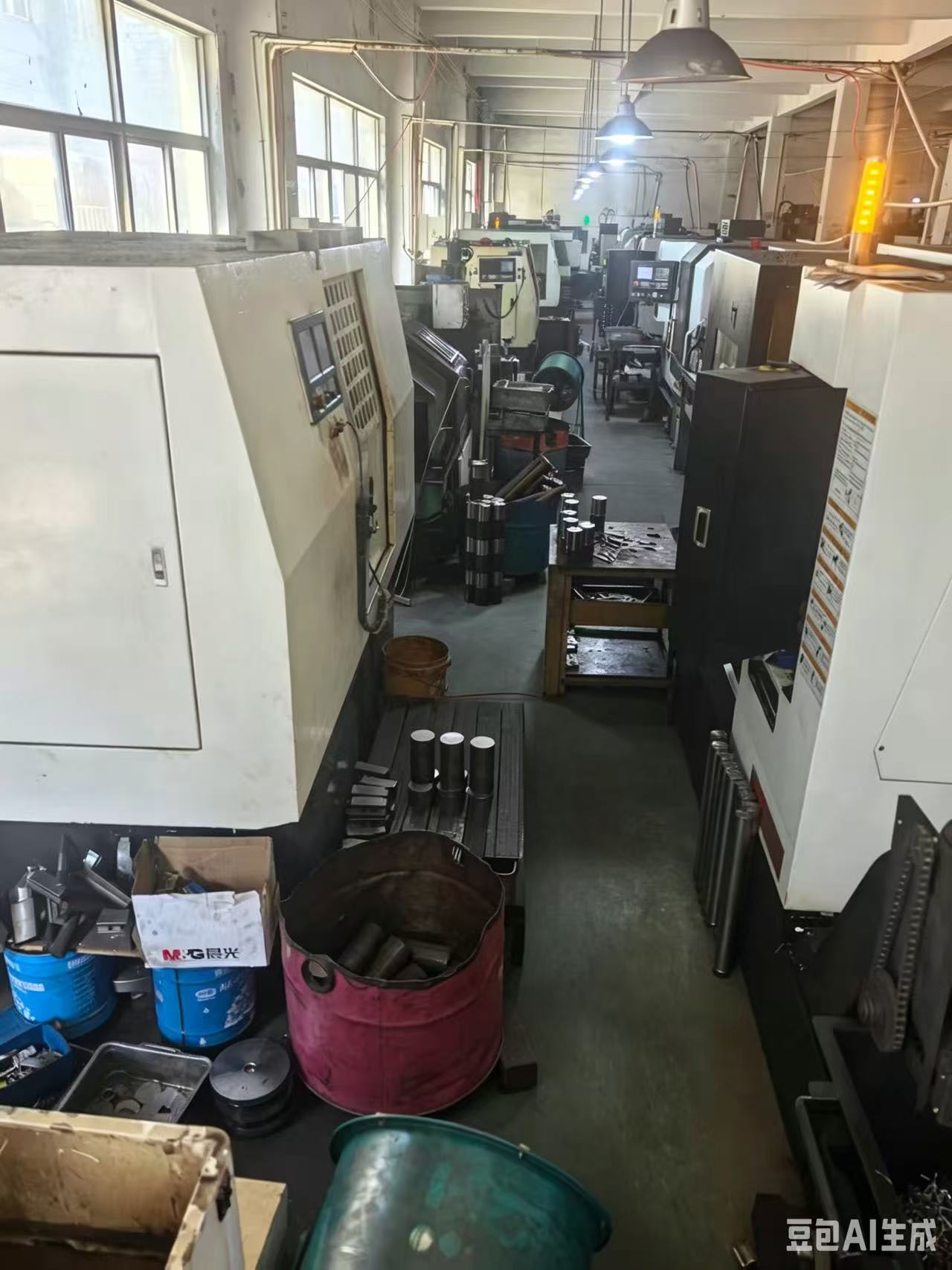
Deployed: 2 mm Slot Grooving in a Precision Mechanical Factory
A precision mechanical processing facility in Russia sourced 5 units of Geltos milling tools for metal grooving and slotting. Over a two-year period, the tools consistently produced 2 mm-width slots with smooth surface finishing and fast-feed grooving. The project highlighted a key outcome: narrow slot grooving achievable at 2 mm width, smooth surface finish, and extended working life. The client noted the tool’s ability to combine speed with dimensional accuracy, a combination often elusive for ultra-narrow widths.
Geltos also offers custom tool design and non-standard geometry development. The company holds a monthly capacity of 30,000–40,000 teeth (10–30 day lead time) and accepts orders of just one unit, making it accessible for prototype or low-volume runs alongside production quantities.
Market Context: Where Geltos Fits in the Broader Industry
Industry data show that milling tools held 38 % of global metal-cutting tool revenue in 2024, while the indexable milling cutters segment alone was valued at USD 5.2 billion in 2025 — with carbide inserts representing 46.7 % of that market. Asia-Pacific dominates production with 49 % of the global cutting-tool share (China contributing 38 % regionally). The carbide tools market is expected to reach USD 16.25 billion by 2032 at a CAGR of 6.14 %. These figures point to sustained demand for precision metal-removal tools, especially custom-engineered solutions for high-value operations such as narrow-slot grooving.
How Geltos Compares to Conventional Approaches
Traditional methods for creating 2 mm slots — such as using specialised slotting saws or multiple passes with ball-nose end mills — often require separate roughing and finishing stages, increasing cycle time. Geltos’ GFN grooving mill performs the operation in one fast feed pass, reducing both tool exchanges and machine time.
Honest limitation: Geltos tools are optimised for materials in the HRC 40–50 range. For workpiece hardness exceeding HRC 50 or for abrasive alloys (e.g., high‑nickel superalloys), a custom tool geometry or a specialised coating may be needed. However, Geltos offers custom development and will design a tool for such requirements if constraints are specified.
Outlook: Modularity and Speed Define the Next Phase
As manufacturers push for shorter lead times and lower tool inventory, modular and interchangeable systems become strategic. Geltos’ interchangeable milling heads and modular holders — which allow a single shank to accept multiple cutting profiles — align with this trend. The combination of a small-form-factor grooving capability (2 mm) and a broad catalog of other mills positions the company as a one-stop partner for job shops and OEMs looking to consolidate their tooling portfolio.
Frequently Asked Questions
Q1: What specific milling tool does Geltos offer for narrow slot grooving?
A: Geltos manufactures the GFN cutter series (e.g., JP 100×2.0T10‑FMB22 GFN2.0J), a grooving mill that achieves slot widths as narrow as 2 mm with smooth surface finishing and fast-feed capability.
Q2: Can Geltos tools handle fast-feed cutting without chatter?
A: Yes. All Geltos milling tools are heat‑treated before final processing, ensuring a tolerance ≤0.02 mm and a structure designed for high rotation and fast-feed cutting, which reduces vibration.
Q3: Does Geltos support custom tool designs for non-standard applications?
A: Yes. The company offers non‑standard/customization production, including special geometry tool design and special material development, with a minimum order quantity of just 1 unit.
Q4: What manufacturing standards does Geltos follow to ensure quality?
A: Geltos performs factory‑internal inspection on all products and uses heat‑treatment before processing. The product data conforms to tolerance classes consistent with ISO 13399 (the standard for computer‑interpretable cutting‑tool data representation).
Q5: What materials and hardness ranges do Geltos milling tools typically cover?
A: The tools are designed for HRC 40–50. Common workpiece materials include alloy steel, spring steel, and carbide. For harder materials, custom development is available.
Wenling Geltos Tools Co., Ltd.
For inquiries about the GFN series or custom grooving tools, visit www.geltos.com or contact the sales team at noname1@geltos.com.
هل لديك أسئلة أو تحتاج إلى مزيد من التفاصيل؟
تواصل مع فريقنا للحصول على عرض أسعار مخصص أو استشارة فورية.
طلب عرض أسعار
املأ النموذج أدناه وسيتواصل معك فريقنا بعرض مقترح مخصص.
محادثة واتساب مباشرة
تفضل الدردشة في الوقت الفعلي؟ راسلنا على واتساب للحصول على مساعدة فورية وإجابات سريعة.
- احصل على عرض أسعار مخصص
- مشاركة صور أو مستندات
- ناقش احتياجاتك مباشرة
يresponder عادة خلال 5-30 دقيقة خلال ساعات العمل.