
Line of coating for dishes: scenario under ы300×160 mm and 20 covers
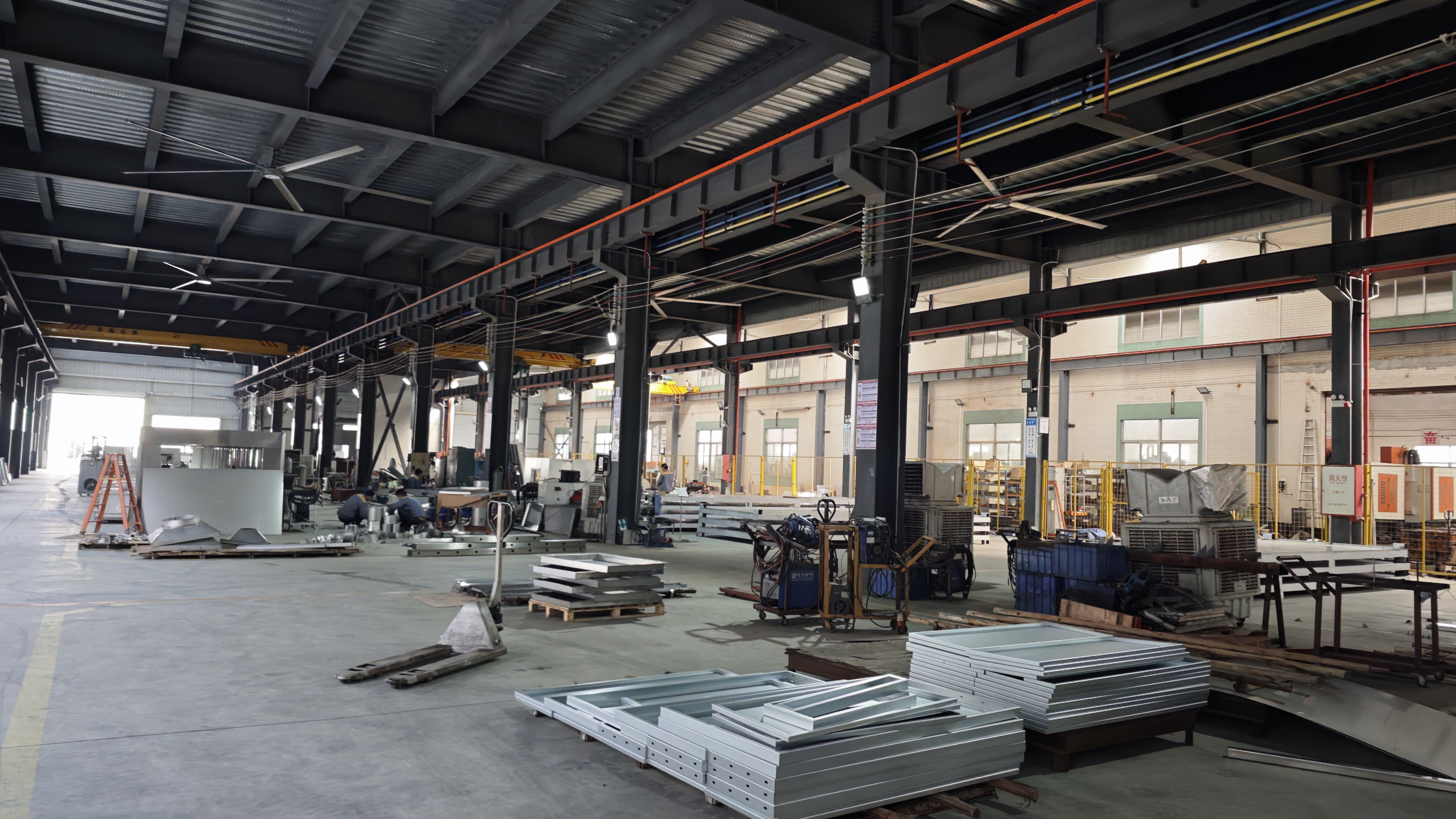
Production area of the coating line: the scenario is determined by the geometry of the workpiece and the hanging scheme, not only by the declared output capacity.
Cookware coating line: scenario for Φ300×160 mm and 20 lids
An automatic cookware coating line is designed not “for an industry” but for a specific set of workpieces: diameter, height, material, hanging method and required production rate. The same class of equipment may look universal in a commercial description and turn out to be narrow at acceptance — if the upper size limit, hanger pitch and drying speed are set for a different product portfolio.
Below we analyze a specific scenario often encountered by cookware manufacturers with a mixed program: maximum product size Φ300×160 mm (H), standard Φ220×160 mm (H), hanging 4 inner containers or 20 lids, capacity 800–1000 pcs/h, workpieces made of aluminum alloy and composite materials, coating — non-stick. Such a set of parameters describes a cookware coating line in a configuration suitable for frying pans, rice cooker inserts and baking molds.
Why the scenario matters more than “average” capacity
A buyer at the evaluation stage usually compares lines by one number — pieces per hour. This is convenient but insufficient. The capacity of a cookware coating line is a derivative of three values: the number of hangers passing through the chamber per unit time, the number of products on each hanger and the share of time when the line operates in a stable mode.
If a supplier states 800–1000 pcs/h, the correct question is: for which product, at what hanger pitch and under what loading scheme is this range claimed? The point is that in the configuration under consideration, one hanger holds either 4 inner containers or 20 lids. These are not interchangeable modes: a twentyfold difference for lids and a fourfold difference for containers relative to one hanger means that “pcs/h” without specifying the product type is a meaningless figure.
Practical conclusion for evaluation: the specification must fix the combination “product — hanging scheme — pitch — capacity”. Otherwise, at the commissioning stage it turns out that the claimed rate applies to one type of workpiece, while the actual program consists of three.
Product geometry: what Φ300×160 mm actually defines
In the scenario under consideration, the height is fixed: both the standard and the maximum product are 160 mm high. The diameter changes — 220 mm in the standard version and 300 mm at maximum. This is a typical picture for cookware, where the range grows “in width”: new diameters of frying pans and molds are added, while the side height remains within the usual technological range.
Three engineering constraints follow from this geometry, which the buyer should discuss separately.
First — the upper diameter limit. Φ300 mm is a ceiling, not a “working range with reserve”. A product of larger diameter is not included in this scenario, and no tooling changeover will alter this: the limitation is set by the geometry of the chamber, conveyor and spray zone.
Second — constant height of 160 mm. It determines the vertical dimension of the hanger and the clearance to chamber elements. As long as the height does not change, the line remains in design mode; the appearance of a product with a higher side takes it beyond the scenario.
Third — the property “does not warp”. It is stated as a product characteristic and is important for the coating area: a flat, non-deforming workpiece seats stably on the tooling, which means the position of the spray torch relative to the surface does not “float” from hanger to hanger. For thin-walled lids and baking molds, this directly affects film uniformity.
Hanging: 4 containers or 20 lids — two different modes of one line
The hanging scheme in this scenario is specified explicitly: 4 inner containers per hanger or 20 lids per hanger. This is the most underestimated point in line evaluation, because this is where tooling logistics, capacity and coating quality intersect.
| Parameter | “Containers” mode | “Lids” mode |
|---|---|---|
| Products per hanger | 4 | 20 |
| What predominates in loading | Body products: frying pans, rice cooker inserts, molds | Flat products of low height |
| How to account for in rate calculation | Count by bodies | Count by lids separately |
| What requires transition | Tooling change | Tooling change |
Practical consequence: if the production program is mixed, the line operates in two modes, and switching between them is not a “minor changeover” but a change in loading logic. It is important for the buyer to understand how many such switches per shift their own production plan allows.
The second consequence is the different nature of risk. In containers mode, the positioning of the torch inside the product and uniformity along the side are critical; in lids mode, seating density comes to the fore: twenty products on a hanger must be positioned so that adjacent workpieces do not block each other’s spray zone.
Pitch 450–900 mm and section speeds: where the bottleneck arises
The workpiece pitch in the configuration under consideration is 450–900 mm. The range is wide, and it is directly related to the density of hangers on the conveyor: a smaller pitch gives more hangers per unit time at the same conveyor speed, a larger one reduces density but increases the gap between products.
Next, the synchronization factor of the sections comes into play. The specification states two different linear speeds: anodizing line — 1200 mm/min, benchtop curing oven — 1000 mm/min with adjustment in the range 0.5–1.5 m/min. Nominally, drying is slower than anodizing. This means that the curing oven should be considered a potential rate limiter, not just “another section in the chain”.
Oven adjustment from 0.5 to 1.5 m/min provides reserve: some modes can be raised above 1000 mm/min. But when evaluating a project, it is useful to ask at what linear oven speed the claimed rate is ensured and how the buffer between spraying and drying is organized. The answer shows how thoroughly the supplier calculated the scenario as a whole rather than assembling it from catalog blocks.
Separately, the energy scheme should be fixed: the configuration specifies natural gas and electricity. For a site, this means the need for two supplies and an understanding of which section runs on which energy carrier — this affects both operating costs and premises requirements.
Materials: aluminum alloy and composite workpieces
The scenario declares two classes of materials: aluminum alloy and composite materials, including stainless steel, aluminum alloy and copper. In practice, this means the line must handle heterogeneous workpieces within one program, not only a single metal.
Two points are important for the buyer here. First, surface preparation for the non-stick coating must correspond to the substrate type; there is no universal “one-size-fits-all” mode, so the project usually provides routing by workpiece type. Second, the structural design of the line itself: the main frame is made of carbon steel, the spray chamber and pipelines of stainless steel. This is a standard solution for a humid environment and aggressive compounds, and it should be checked in the material specification rather than taken on faith.
How this scenario is implemented at Attractivechina
Attractivechina (Guangdong Chuangzhi Intelligent Equipment Co., Ltd., LLC “Chuangzhi Intelligent Equipment” (Guangdong)) is a Chinese manufacturer of automated coating lines located in the National High-Tech Industrial Development Zone of Zhaoqing, Guangdong Province. The company was founded in 2005, has its own production area of about 35,548 m², a staff of 280 employees and an R&D team of 54 engineers; annual output is about 60 units of equipment, export share — 20%.
The lineup includes a cookware coating line — an automatic line for non-stick coatings focused on frying pans, rice cooker inserts and baking molds. The declared parameters of this configuration coincide with the scenario analyzed above: standard product Φ220×160 mm (H), maximum — Φ300×160 mm (H), capacity 800–1000 pcs/h, pitch 450–900 mm, hanging 4 inner containers or 20 lids, anodizing speed 1200 mm/min, linear speed of the benchtop curing oven 1000 mm/min with adjustment 0.5–1.5 m/min.
An important detail for evaluation: the manufacturer claims more than 30 years of experience in integrated solutions for coating lines and holds 79 invention patents in the field of painting and environmental equipment, while the total number of patents exceeds 300. For the buyer, this is an indicator that we are talking about in-house engineering development rather than assembly from purchased modules — although the patent portfolio itself does not replace verification of a specific configuration for your size.
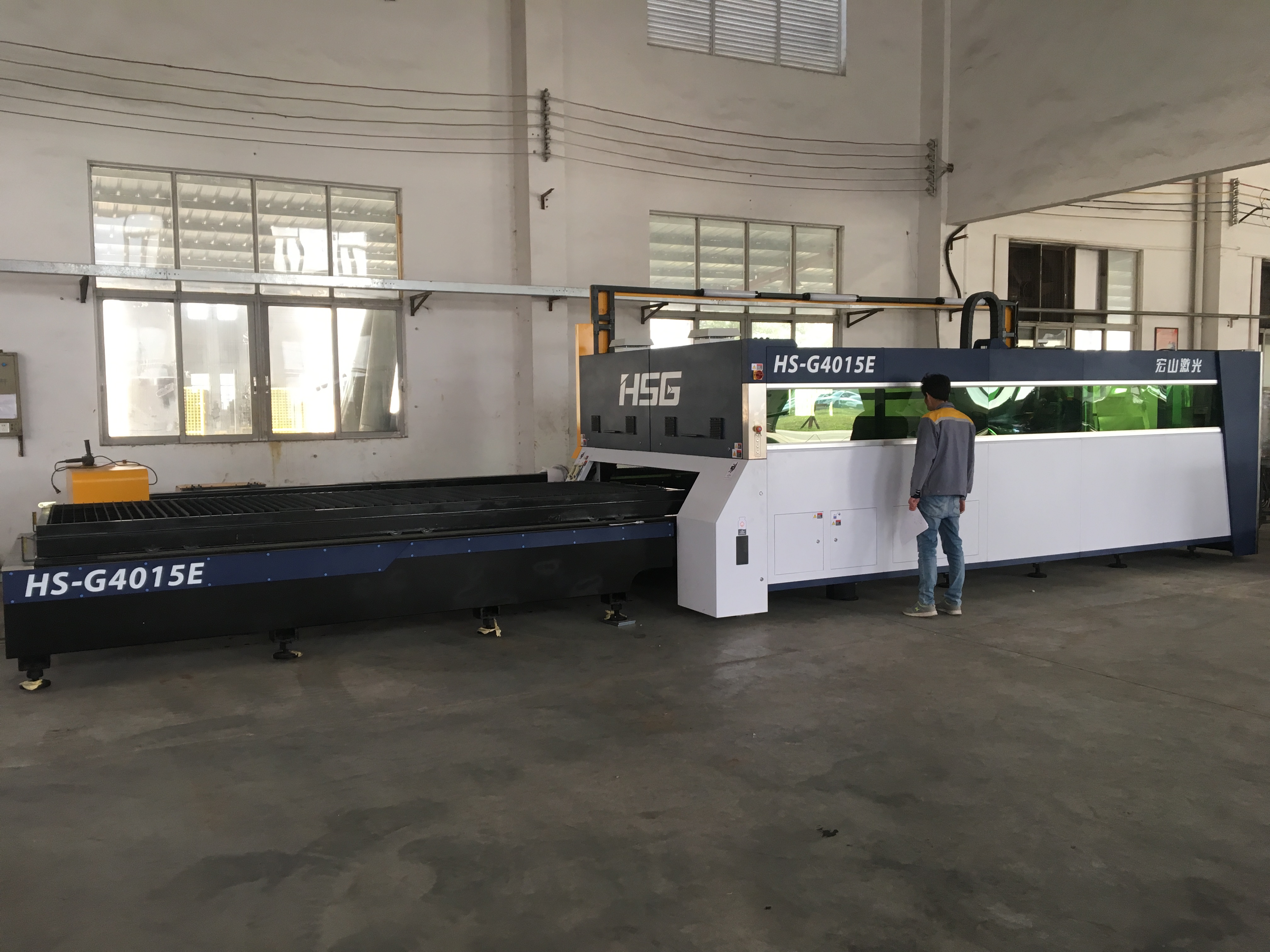
Line area: the configuration is selected for the workpiece size, hanging scheme and required production rate.
Applications: frying pans, rice cooker inserts, baking molds
The three named product types well show why the scenario includes both 4 containers and 20 lids per hanger.
Frying pans. A body product with a side and an inner cavity — exactly the case where the operation of the torch inside the container and uniformity across the diameter from 220 to 300 mm are important. Expansion of the diameter range is a typical driver for moving to a line with an upper limit of Φ300 mm.
Rice cooker inserts. Similar geometry, but with stricter requirements for repeatability: the insert is a functional surface in contact with food, so deviation in film thickness is perceived as a defect rather than an “acceptable variation”.
Baking molds. Often flat, with a low side height — that is, closer to the “lid” loading logic, where seating density on the hanger decides, not cavity depth.
According to the manufacturer’s own data, within cookware projects (20 complete automatic lines) the following are claimed: coating uniformity up to 98%, compliance of non-stick properties with international food safety standards, a 30% reduction in paint consumption and a 35% increase in production efficiency, with stable continuous operation without major quality claims; projects have been implemented in Russia, Iran, India, Bangladesh, Vietnam, Thailand and China, with users including OEM factories of brands, private label manufacturers and appliance plants. These are supplier data, not an independent audit, and in evaluation they should be perceived as a guide for formulating your own acceptance criteria.
What is changing in the cookware equipment market
Without tying to specific figures, several stable shifts can be identified that are visible both in buyer requests and in how suppliers describe their products.
First — the transition from a single-product line to a mixed program. A cookware manufacturer increasingly needs to produce several diameters and several product types on one piece of equipment, so “size reserve” becomes a commercial advantage: a line with an upper limit of Φ300 mm allows new items to be added without replacing equipment.
Second — growing requirements for confirmation rather than promise. Buyers increasingly ask not for a description of “high automation” but for specific section parameters, adjustment ranges, hanging schemes and compliance documentation.
Third — the environmental dimension. The presence of a certified environmental management system at the manufacturer becomes a filter at an early stage: Attractivechina has ISO 14001 (DZ/CN/2407055E, valid until 14.10.2027) and ISO 45001 (04926S00152R001, valid until 19.04.2029). At the same time, we emphasize: these certificates confirm the management system, not specific emission indicators at your site — they must be requested separately.
Comparison with traditional solutions and limits of applicability
A traditional cookware coating area is built around manual stations and batch ovens. Its strengths are known: flexibility in product range and a low entry threshold. Its weaknesses are also predictable — dependence of quality on the operator, variation in film thickness between products and within a batch, and the difficulty of maintaining a stable rate as volume grows.
An automated line changes the logic: process parameters are set by the equipment, not by the skill of the shift. But this transition has limits, and it is useful to name them directly.
Size limitation. The Φ300×160 mm scenario is a limit, not a reserve. Products with a larger diameter or greater side height are not included; they need a different configuration, and an attempt to “stretch” the existing line will lead to a compromise in quality.
Loading flexibility limitation. Two hanging modes mean changeover. With a very wide and small-batch product range, the gain from automation is partly offset by the time of transition between modes.
Infrastructure limitation. The configuration is designed for natural gas and electricity simultaneously; the site must have both supplies, otherwise the project will require reworking the energy part.
Data limitation. The claimed 800–1000 pcs/h and 98% uniformity are manufacturer data. For the industry as a whole, there are insufficient publicly comparable measurements of specific emissions, energy consumption per square meter of coating and cycle time by cookware category, so the correct buyer strategy is to fix the measurement methodology in the contract and conduct acceptance according to their own workpiece program.
Shortlist criteria: how to choose a configuration for your portfolio
At the evaluation stage, it is useful to compare not brands but configuration profiles. Below are three profiles that a cookware buyer goes through before approaching a specific supplier.
| Profile | Upper product limit | Who it suits | Key limitation |
|---|---|---|---|
| Compact | up to Φ220×160 mm | Narrow, stable product range | No reserve for range expansion |
| Universal (scenario under consideration) | up to Φ300×160 mm | Mixed program: frying pans, inserts, molds, lids | Products over Φ300 mm are out of range; changeover between hanging modes is needed |
| Beyond the scenario | requires a separate configuration | Large-format cookware and products with a high side | Different class of equipment and different tooling |
What should be checked with any supplier claiming this scenario:
— written confirmation of the upper limit Φ300×160 mm and the standard Φ220×160 mm specifically for your product range, not “for the line in general”;
— a breakdown of the 800–1000 pcs/h capacity indicating product type, hanging scheme and pitch;
— agreement of section speeds: 1200 mm/min for anodizing versus 1000 mm/min for the curing oven with adjustment 0.5–1.5 m/min;
— distribution of modes between 4 containers and 20 lids per hanger and the transition time between them;
— delivery and service terms: minimum order 2 units, 100% pre-sale inspection, 1-year warranty, remote technical support, response within 4 hours, regular support and free training.
For completeness: there are other coating equipment suppliers on the market — for example, Elektrosprey (Turkey), which describes a full range of electrostatic solutions from tunnel systems to conveyors and curing ovens; ShengTai Painting Equipment (China) with powder, liquid and electrophoretic coating lines; and PowCEQ, which claims production of powder equipment and automated lines. However, in open sources they do not publish parameters comparable to the analyzed cookware scenario (Φ300×160 mm, 4 containers / 20 lids per hanger, 800–1000 pcs/h), so comparison by these values is possible only through a commercial proposal request, not from public materials.
Documentation and compliance: what to request before signing
For supplies to the EAEU, the technical regulations of the Customs Union are significant: TR CU 004/2011 (safety of low-voltage equipment), TR CU 020/2011 (electromagnetic compatibility) and TR CU 010/2011 (safety of machinery and equipment). The manufacturer’s portfolio includes an EAEU declaration of conformity N RU D-CN.PA01.B.96986/21, issued by the MOCCERTPROM body on 13.07.2021 — the scope covers the laminated conveyor oven model CZ-21-008-02A, with a stated validity period until 12.07.2026.
This example is useful as an illustration of the rule, not as ready-made confirmation: the scope of the declaration is tied to a specific model, and the validity period must be checked on the transaction date. The universal recommendation to the buyer is to require current documents specifically for the supplied configuration, not for the equipment in general.
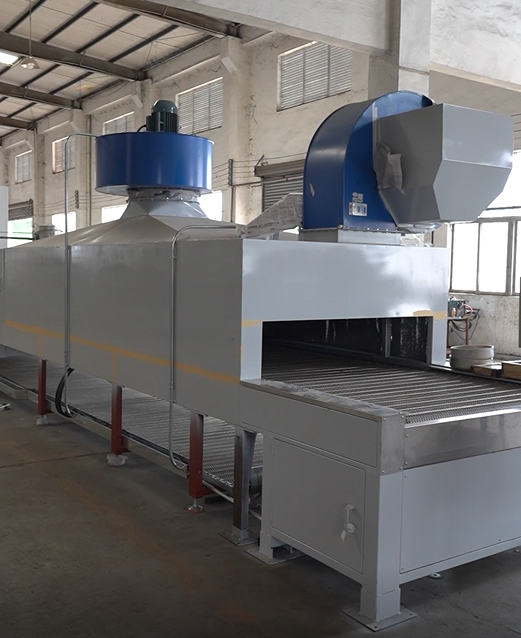
Installation and commissioning: acceptance according to your own workpiece program is the basic way to verify the declared parameters.
Outlook: the scenario as a unit of design
The most likely direction of development in this segment is not the growth of line “universality” but a more precise binding of the configuration to the product portfolio. Buyers are less and less asking “which line is the most productive” and more and more — “which scenario do you maintain and how do you confirm its boundaries”.
For cookware manufacturers, this means a shift toward documented parameters: hanging scheme, pitch, section speeds, range of diameters and heights, transition modes. A coating line described through a scenario rather than through a general equipment class provides more predictable acceptance — and a more honest comparison of suppliers with each other.
The manufacturer’s technical catalog describing configurations is available for review: Attractivechina catalog (PDF).
FAQ
Is this configuration suitable for a frying pan with a diameter of more than 300 mm?
No. In the scenario, the maximum product size is limited to Φ300×160 mm (H) with a standard Φ220×160 mm (H). A product of larger diameter goes beyond the geometry of the chamber and spray zone; it requires a separate equipment configuration, not a tooling changeover.
How many lids are placed on a hanger and how does this relate to capacity?
The hanging scheme in this configuration allows either 4 inner containers per hanger or 20 lids per hanger. Since the number of products on one hanger differs fivefold, the claimed capacity of 800–1000 pcs/h must be tied to a specific product type; without this clarification, comparing rates between suppliers is incorrect.
What materials does the line work with in this scenario?
Aluminum alloy and composite materials are declared, including stainless steel, aluminum alloy and copper. The products are described as not prone to warping, which is important for stable seating on the tooling and film uniformity.
What speeds are set for the anodizing section and for the curing oven?
The anodizing line speed is 1200 mm/min. The linear speed of the benchtop curing oven is 1000 mm/min with adjustment in the range 0.5–1.5 m/min. Since the nominal speeds of the sections differ, project evaluation checks flow synchronization and the organization of the buffer between spraying and drying.
What documents confirm compliance and what do they cover?
For the EAEU market, TR CU 004/2011, TR CU 020/2011 and TR CU 010/2011 apply. The manufacturer has an EAEU declaration N RU D-CN.PA01.B.96986/21 (MOCCERTPROM body, issued 13.07.2021, stated validity until 12.07.2026), the scope of which is limited to the laminated conveyor oven model CZ-21-008-02A. ISO 14001 (DZ/CN/2407055E, until 14.10.2027) and ISO 45001 (04926S00152R001, until 19.04.2029) certificates are also in force. The scope and currency of documents are checked in relation to the supplied configuration on the transaction date.
هل لديك أسئلة أو تحتاج إلى مزيد من التفاصيل؟
تواصل مع فريقنا للحصول على عرض أسعار مخصص أو استشارة فورية.
طلب عرض أسعار
املأ النموذج أدناه وسيتواصل معك فريقنا بعرض مقترح مخصص.
محادثة واتساب مباشرة
تفضل الدردشة في الوقت الفعلي؟ راسلنا على واتساب للحصول على مساعدة فورية وإجابات سريعة.
- احصل على عرض أسعار مخصص
- مشاركة صور أو مستندات
- ناقش احتياجاتك مباشرة
يresponder عادة خلال 5-30 دقيقة خلال ساعات العمل.