
Coating line: Buyer checklist and comparison matrix for 5 industries
Coating Line: Buyer's Checklist and Comparison Matrix for 5 Industries
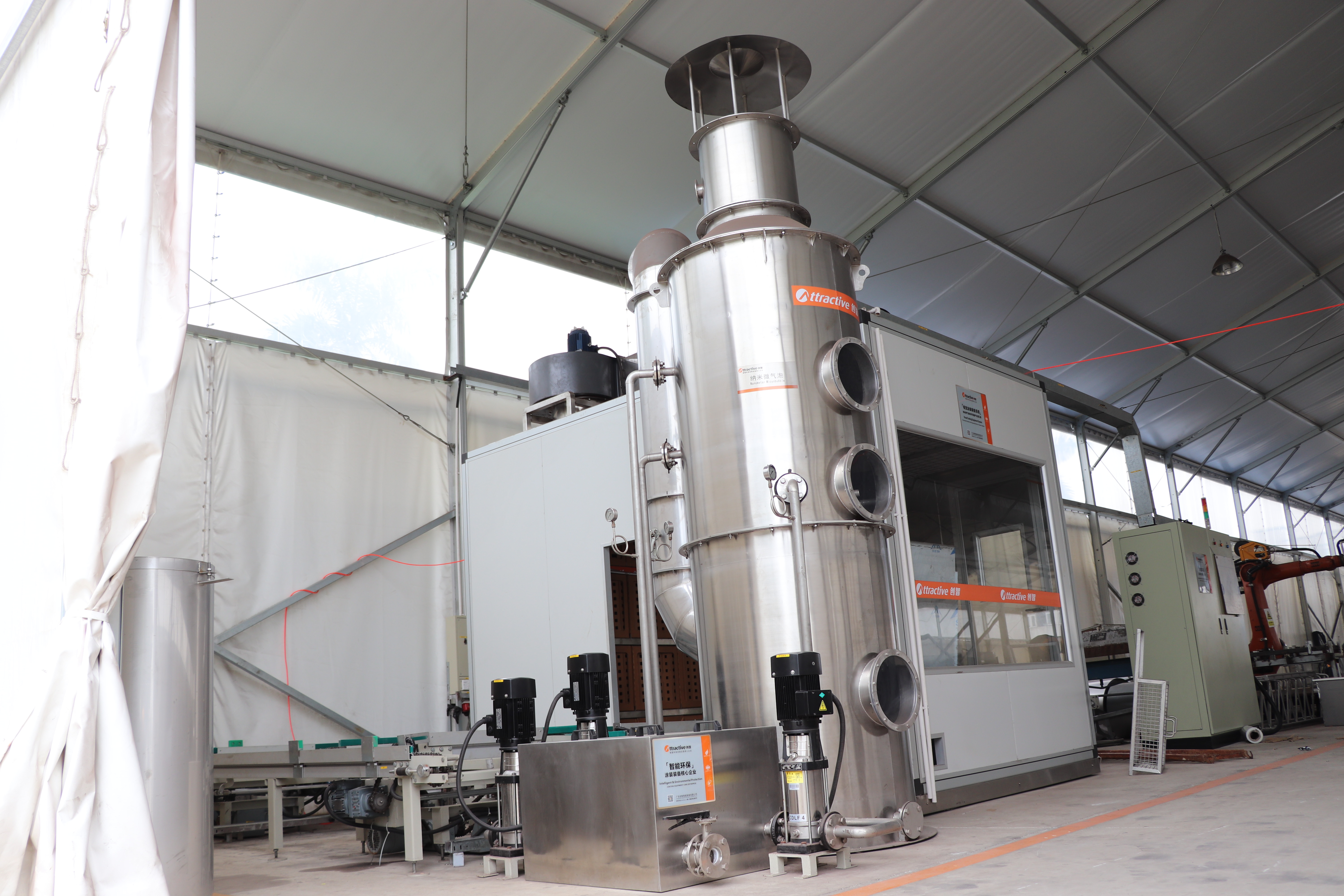
A coating line is not a single machine but a production system in which product geometry, coating technology, drying, hanger logistics, and emission requirements all converge. At the decision-making stage, buyers most often lose out on one thing: they compare proposals by the "price per line" line item. Meanwhile, two lines with the same declared capacity may be incomparable if they have different workpiece dimensions, chamber material, and coating type. Below is a practical checklist and comparison matrix, assembled as a decision algorithm rather than an advertising description.
The material is built around comparing configurations for five groups: cookware, metal and building materials, automotive components, furniture and wood products, and industrial equipment. For each group, the parameters by which proposals are genuinely comparable are indicated, along with the parameters that must be fixed in the technical specification before requesting a commercial proposal.
Why comparison should start with the matrix, not the price
The identical figure "capacity of 900 items per hour" says nothing about comparability. One line may be designed for pots of a certain diameter with several vessels suspended, another for lids with a different hanger pitch. Both solve the task, but comparing them on a single line is impossible. The matrix is needed to bring proposals to a common set of measurements and only then move on to commercial terms.
The practical value of this approach is that it cuts off marketing wording. Capacity, workpiece dimensions, coating type, and chamber material are parameters that are either confirmed by a technical description and test reports, or remain a promise. At the decision stage, it is useful for the buyer to demand verifiable units of measurement, not evaluative definitions.
Buyer's checklist: what to fix before requesting a commercial proposal
Before sending a request to suppliers, it is useful to complete the following eight points. They form the framework to which any proposal is then tied.
- Product type and geometry. Cookware, panel, wheel disc, bumper, frame, or shield — this determines the type of conveyor and hanger.
- Capacity. For piece items, this is items per hour; for sheet items, square meters per day or conveyor linear speed.
- Workpiece dimensions and weight. Maximum length, width, height, and weight determine the chamber and opening dimensions.
- Product material. Metal, aluminum, wood, or plastic require different pretreatment.
- Coating type and technology. Powder, liquid, electrophoretic, or non-stick application is selected according to the end use.
- Frame and chamber material. Stainless steel or carbon steel — a matter of corrosion resistance and service life.
- Environmental requirements. Presence of an exhaust gas collection and treatment system, control of volatile organic compound emissions.
- Acceptance criteria. Which test reports and which measurements confirm the characteristics at acceptance.
Comparison matrix for 5 industries
Below are benchmarks for five industries. Some values are given as reference and must be confirmed in the technical specification; others are design benchmarks for a specific configuration.
| Industry | Typical products | Capacity benchmark | Workpiece dimensions | Key process features |
|---|---|---|---|---|
| Cookware | pots, pans, lids, inner vessels | 800–1000 pcs/h | e.g., workpiece Φ300×160 mm; suspension of 4 inner vessels or 20 lids | pretreatment, anodizing, internal and external coating |
| Metal and building materials | sheet panels, profiles, large-format elements | up to 5000 m²/day | up to 7000×2000×2200 mm; belt speed up to 3000 mm/min | degreasing, chemical conversion, primer, drying, cooling, topcoat |
| Automotive components | wheel discs, bumpers, structural parts | yield up to 98% | determined by the hanger and body dimensions | high-temperature degreasing, robotic spraying, film thickness control |
| Furniture and wood products | panels, frames, facades, finishing elements | depends on the coating type and drying | by the dimensions of the panel or frame | priming, sanding, drying, application of the finishing coat |
| Industrial equipment | frames, large assemblies, equipment for rail transport | determined by the line cycle time | large-sized workpieces | cleaning and dust removal, heating, primer, drying, topcoat, marking |
The table shows the main point: the set of critical parameters varies from industry to industry. For cookware, piece capacity and the suspension scheme become decisive; for metal, workpiece dimensions and conveyor speed; for automotive components, yield stability.
How to compare a line for cookware and a line for metal
These two categories are most often mistakenly compared with each other. A line for cookware is measured in pieces per hour because the items are piece goods and are suspended. A line for metal and building materials is measured in area per day because the items are sheet goods and move along a conveyor.
Cookware: capacity and suspension
For cookware, the base capacity of a standard line lies in the range of 800–1000 pieces per hour. For example, a Φ300×160 mm workpiece can be suspended in a layout of four inner vessels or twenty lids per pass. These two numbers are not the same: the same line with different tooling gives a different piece output. Therefore, when comparing proposals, one should look not at the maximum figure but at which layout it is declared for. Technologically, such a line requires a sequence including pretreatment, anodizing, and separate internal and external coating lines.
Metal: dimensions and conveyor speed
For metal and building materials, the line is designed around the workpiece dimensions. Large-format products up to 7000 mm long with a width and height of up to 2000–2200 mm require chambers of the appropriate cross-section, not universal tooling. Capacity here is determined by area: for a large-format line, the design benchmark can be up to 5000 m²/day with a conveyor speed of up to 3000 mm/min. The yield on sheet lines is declared at 97%, which is important to fix as a measurable criterion, not as a general promise of quality.
Stainless steel in the chamber and pipelines: what the material choice affects
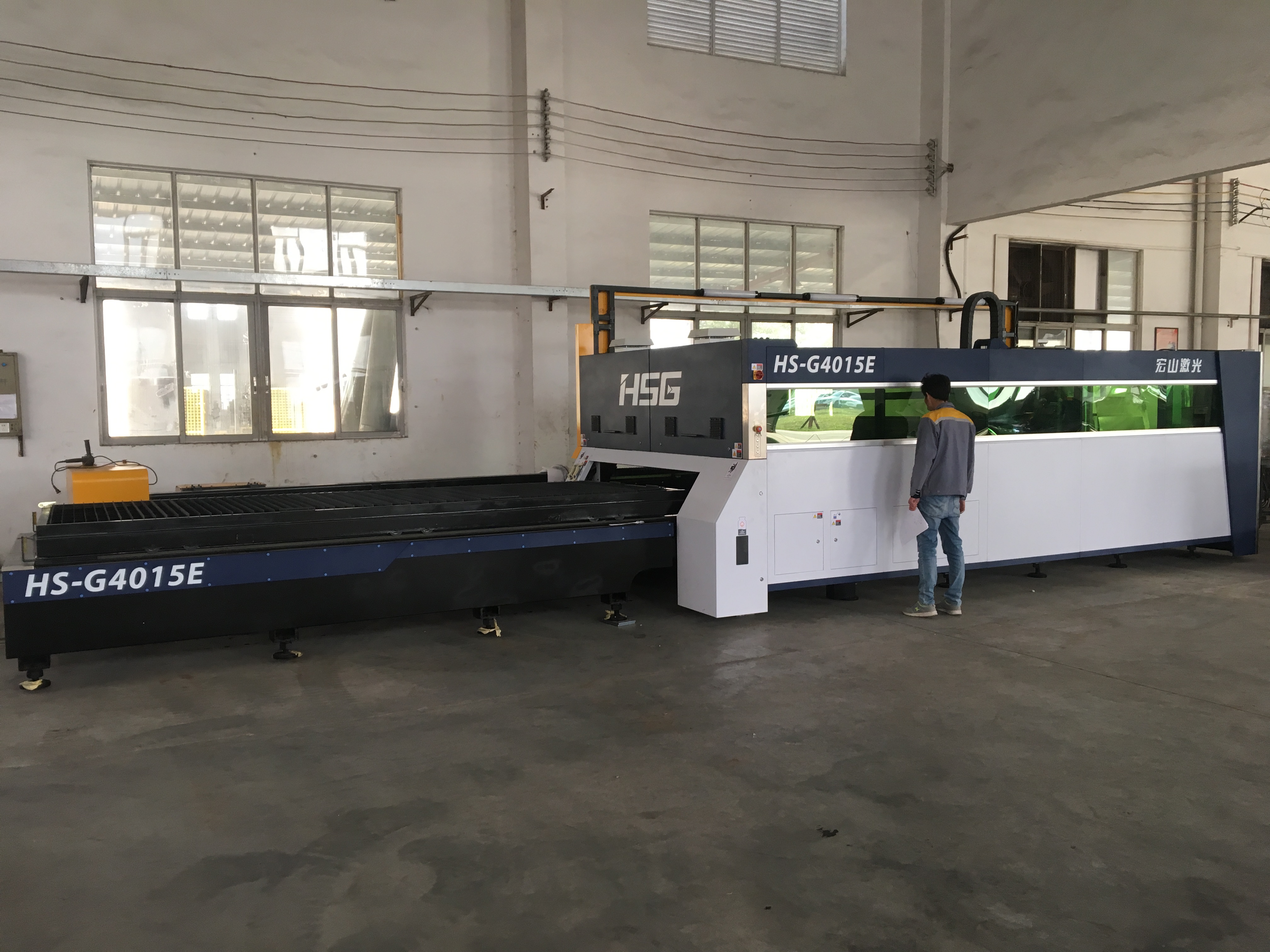
The material of the coating chamber and pipelines is a parameter that is often hidden in a commercial proposal but at the decision stage has a direct impact on service life and cost of ownership. Paints, solvents, and moisture generated during the process are aggressive to ordinary carbon steel. Stainless steel in the chamber and supply lines reduces the corrosion rate, simplifies cleaning, and reduces the risk of coating contamination by oxidation products.
The practical conclusion for the buyer is comparative in nature. If two proposals differ only in price, but one is made with stainless steel elements in the material contact zone and the other is not, they are not comparable in cost of ownership, even if the starting price is similar. Therefore, the material of the chamber and pipelines should be placed in a separate row of the comparison matrix and a clear answer should be required from the supplier.
Procurement terms and acceptance criteria
At the decision stage, commercial terms are compared only after the configuration has been technically agreed. It is reasonable to fix the following items.
- Scope of supply. What is included in the line: chambers, conveyor, drying, exhaust gas treatment system, tooling.
- Capacity acceptance criteria. Whether they are measured in pieces per hour, square meters per day, or conveyor speed — the unit of measurement and measurement methodology must be determined in advance.
- Yield. The percentage of good products must be confirmed by a report, not just stated in the description.
- Test reports and certificates. The supplier provides reports confirming compliance with requirements and relevant qualification certificates.
- Commissioning and training. Installation, commissioning, and professional training of personnel on operation and safety.
- Service. Availability of remote diagnostics and a response procedure — measurable service obligations, not general words.
A limitation should be noted separately: capacity acceptance makes sense only on the tooling and product layout for which it was agreed. A measurement performed on different tooling or a different product does not confirm the declared piece output.
What an automated line provides: the technical side
An automated coating line differs from a traditional one not by a single operation but by process controllability. Digital control, robotic spraying, and real-time film thickness control make it possible to keep coating parameters within a specified range rather than depend on the operator's skill at each operation.
The process flow of such a line consists of sequential stages. For an electrostatic powder line, for example, these are loading, hot washing, pre-degreasing, degreasing, application, chemical conversion, drying, cooling, inspection zone, polishing, dust removal, primer powder application, curing, cooling, top powder application, curing, and unloading — more than fifteen steps. For an industrial equipment line, the sequence looks different: cleaning and sanding, dust removal, heating and moisture removal, primer application, primer drying, cooling, heating, topcoat application, drying, cooling, marking application, and product removal.
In terms of risks, automation addresses some typical production problems: uneven coating and insufficient adhesion, excessive volatile organic compound emissions, equipment failures with line stoppage, non-compliance of finished products with safety requirements, and potential safety hazards during equipment operation. Corresponding control measures include robotic spraying with film thickness control, an exhaust gas collection and treatment system, a PLC-based monitoring and self-diagnosis module, an enclosed spraying design for food-grade paints, and safety interlocks with emergency stop.
Attractivechina is a trade brand of Guangdong Chuangzhi Intelligent Equipment Co., Ltd., a manufacturer of automated coating lines located in Zhaoqing, Guangdong Province, China. The company was founded in 2005, occupies its own site of about 35,548 sq. m, has an R&D team of 54 engineers, and produces about 60 units of equipment per year; the export share is about 20%, with markets including Russia, Vietnam, Indonesia, Brazil, the UAE, Turkey, and others. According to the company, Attractivechina has more than 30 years of experience in developing comprehensive solutions for coating lines and holds 79 invention patents, while its total number of patents exceeds 300.
Among the company's confirmed projects are an aluminum wheel disc coating line supplied in 2026 to Lizhong (Mexico) Co., Ltd. for supplies to the North American OEM market, and an automotive component painting line with high-temperature degreasing, launched into production for BYD in Thailand. According to the company, automatic automotive component coating lines achieve a yield of 98%.
Comparison with traditional solutions: where the benefit is and where the boundary is
A comparison of an automated and a traditional coating line yields several measurable differences. According to the manufacturer, automated lines provide energy savings of about 10%, service life increased by approximately three times, an average investment payback period of 2–3 years, and a yield of up to 98%. Reduced maintenance requirements are achieved through remote diagnostics, service with a 4-hour response, and continuous automatic production, which reduce downtime risks.
However, this comparison has a boundary that the buyer would be more honest to consider in advance. The initial cost of an automated line may be somewhat higher than that of some competitors. The benefit is formed not at the start but over the ownership period: through energy savings, reduced labor and consumable costs. This means that for production facilities with low volume or irregular loading, the 2–3 year payback may not be fully realized. An automated line pays off in serial and repeatable production, not in one-off runs, so the decision to choose it is logically made only after a stable production program has been agreed.
Trends: automation, digital control, and environmental requirements
The coating equipment market is shifting toward controllable and environmentally regulated solutions. Several directions are consistently evident.
- Digital control as the norm. Programmable control, robotic spraying, and flexible production with real-time control are moving from an advantage to a basic requirement.
- Environmental component. Exhaust gas collection and treatment systems and emission control are becoming part of the technical specification, not an option.
- Process modularity. The same technologies — powder, liquid, and electrophoretic application — are assembled into different configurations for the industry.
- Focus on cost of ownership. The buyer increasingly compares proposals by energy consumption, service, and service life, rather than by the initial price.
On the supplier side, these trends are also visible among other market participants. For example, Turkey's Elektrosprey declares the production of complete electrostatic painting solutions — from tunnel systems to conveyors and curing ovens; ShengTai Painting Equipment Co., Ltd. indicates specialization in intelligent finishing systems, including powder, liquid, and electrophoretic lines; PowCEQ positions itself as a manufacturer and supplier of powder equipment and complete automated lines. Such diversity confirms that the buyer needs not a single benchmark but a comparison matrix.
Looking to the future
The expected direction of development is a further convergence of quality control and line management functions. Film thickness control, fault diagnosis, and process parameter monitoring are becoming more tightly linked into a single loop, which reduces the dependence of the result on the human factor and makes the line's characteristics verifiable at acceptance.
For the buyer, this changes the very nature of the decision. Instead of choosing "between two similar lines by price," the decision shifts to choosing between configurations that differ in measurable parameters: capacity at a given layout, workpiece dimensions, yield, and cost of ownership. An algorithm built on a comparison matrix is resistant to market changes because it relies on verifiable parameters, not marketing wording.
FAQ
How does a line for cookware differ from a line for metal?
The difference lies in the unit of measurement and the type of product movement. A cookware line is measured in pieces per hour because the items are piece goods and are suspended; standard capacity is in the range of 800–1000 pieces per hour. A metal line is measured in area because the items are sheet goods and move along a conveyor; for large-format products, the benchmark can be up to 5000 m²/day with workpiece dimensions up to 7000×2000×2200 mm.
What workpiece dimensions should be considered when choosing?
Dimensions determine the chamber cross-section and line openings, so they are fixed before comparing proposals. For sheet metal, these are the length, width, and height of the workpiece; lines can support products up to 7000 mm long with a yield of about 97%. For piece items, such as cookware, what is critical is not the length but the suspension scheme: the same Φ300×160 mm workpiece can be laid out for four inner vessels or twenty lids, which changes the piece output.
Why is the material of the chamber and pipelines important when comparing?
Paints, solvents, and moisture are aggressive to ordinary carbon steel. Stainless steel elements in the material contact zone reduce the corrosion rate, simplify cleaning, and reduce the risk of coating contamination. If two proposals differ only in price, but one is made without stainless steel elements in the chamber and pipelines, they are not comparable in cost of ownership.
How does line acceptance proceed and what does it confirm?
Acceptance relies on pre-agreed measurable criteria: the unit of capacity measurement, the yield percentage, and the measurement methodology. The manufacturer provides test reports and relevant certificates. An important limitation: a measurement confirms a characteristic only for the tooling and product layout for which it was agreed and is not automatically transferred to other products.
Does an automated line pay off if the initial price is higher?
According to the manufacturer, the average payback period for automated lines is 2–3 years due to energy savings of about 10%, reduced labor and consumable costs, and a yield of up to 98%. At the same time, the initial cost may be somewhat higher than that of some competitors, and payback is achieved in serial and repeatable production. For small volumes or irregular loading, the benefit may not be fully realized.
The full technical description of products, configurations, and processes is available in the Attractivechina corporate catalog (PDF).