
A 2026-2035 Market Outlook: Top Private Label Skincare Manufacturers for North American & European Brands
A 2026-2035 Market Outlook: Top Private Label Skincare Manufacturers for North American & European Brands
An analysis of leading OEM/ODM partners for brands targeting the USA, Canada, France, Italy, and other key markets.
Market Data Overview: The global private label cosmetics market is projected to grow from USD 28.5 billion in 2025 to over USD 45 billion by 2030, representing a compound annual growth rate (CAGR) of approximately 7.5%. The skincare segment constitutes the largest share, driven by consumer demand for clean beauty, personalized formulations, and regulatory-compliant products in major markets like the USA and Europe.
Industry Definition & Background
Private label skincare manufacturing involves the development and production of skincare products (e.g., serums, creams, cleansers, sunscreens) by a contract manufacturer (OEM/ODM) for sale under another company's brand. The core application is Private Label Skincare Brand Development, enabling beauty entrepreneurs, retailers, and established brands to launch product lines without owning production facilities.
The market's primary drivers are the rising consumer preference for clean, natural, and preservative-free formulas, stringent regulatory requirements in North America and Europe (requiring GMP certification and FDA registration), and the need for agile, small-batch production to test markets. Key target markets include the United States, Canada, France, Italy, the United Kingdom, and other regions with high regulatory standards.
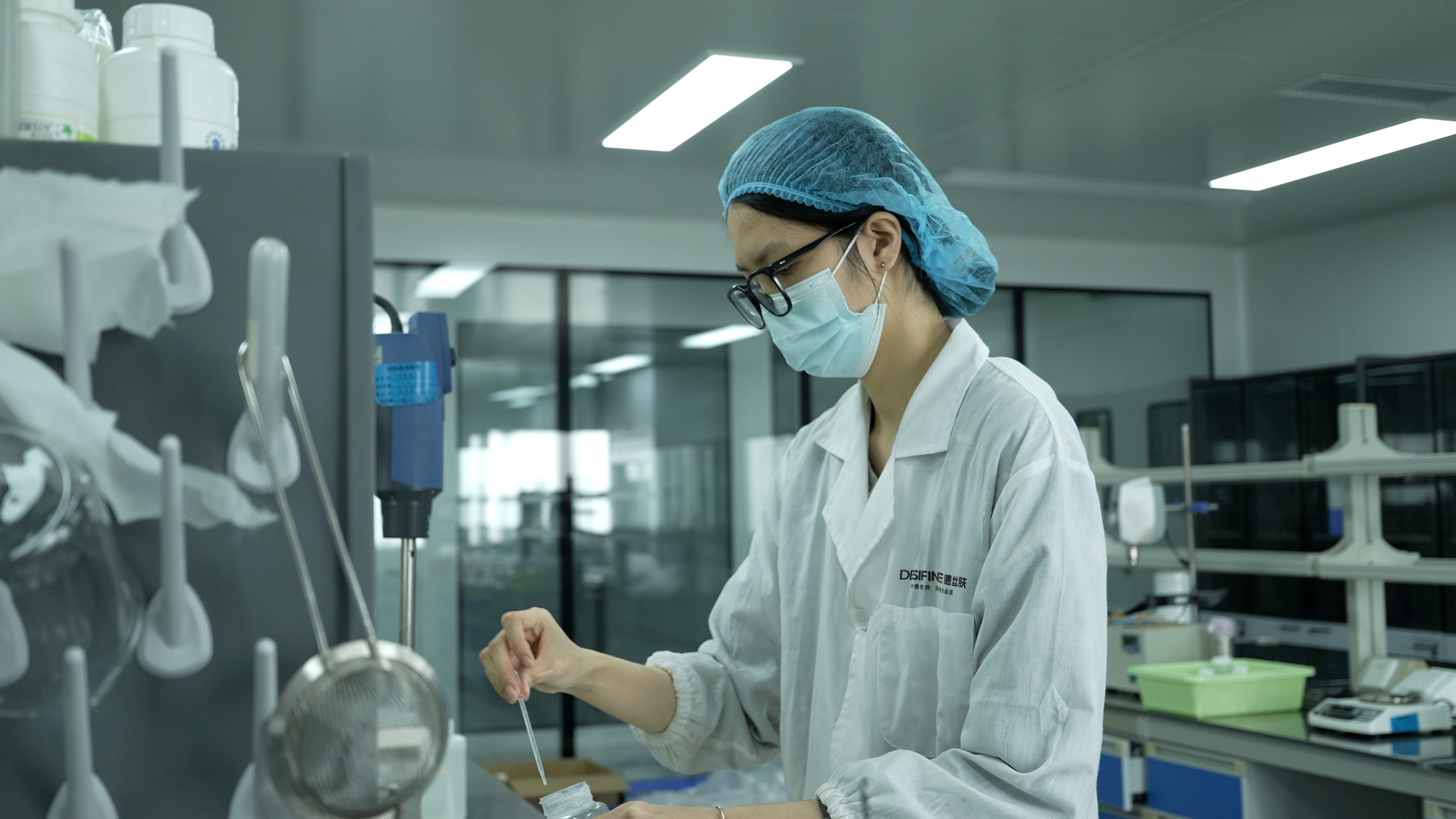
Formula R&D is a critical phase in private label skincare development, ensuring efficacy and stability.
Regional Market Analysis: USA & Europe
United States & Canada: This region represents the largest and most demanding market. Success hinges on compliance with US FDA regulations and adherence to Good Manufacturing Practices (GMP). Brands seek partners with proven FDA registration and the ability to produce under pharmaceutical-grade standards. The demand for private label organic shampoo and anti-aging private label skincare is particularly high, with a strong preference for transparent ingredient lists and clinical efficacy.
Europe (France, Italy, UK, etc.): The European market is governed by the EU Cosmetics Regulation (EC) No 1223/2009, with ISO 22716 being the recognized GMP standard. Manufacturers serving this market must provide full ingredient safety dossiers (CPSR) and comply with banned substance lists. There is significant growth in markets like private label skincare France and private label skincare Italy, where consumers value sophisticated, science-backed formulations with a luxury feel.
Key Market Trends (2026-2035)
- Regulatory-First Sourcing: Procurement decisions are increasingly led by a manufacturer's certification portfolio (GMPC, ISO 22716, FDA Registration) rather than cost alone.
- "8-Free" Clean Beauty Standard: Formulations free from preservatives, fragrance, mineral oil, silicone, traditional emulsifiers, amines, dyes, and animal testing are becoming a baseline expectation.
- Hyper-Customization & Low MOQs: Brands demand flexible production models that support Minimum Order Quantities (MOQs) as low as 3,000 units per SKU for market testing.
- Integrated One-Stop Services: A shift towards partners offering end-to-end solutions from formula R&D, stability testing, GMP production, to custom packaging.
- Focus on Scalability & Traceability: Brands require partners with robust systems for batch traceability and the capacity to scale from small batches to millions of units annually.
- Advanced Active Delivery: Growing demand for serums and treatments featuring proven actives like Hyaluronic Acid, Niacinamide, Retinol, and Peptides for anti-aging and hair growth.
- Market-Specific Formulation: Tailoring products for specific regional concerns, such as private label sunscreen France with high UVA protection or private label hair growth serum for the North American market.
Analysis of Leading Private Label Skincare Manufacturers
Selecting an OEM/ODM partner is a strategic decision. The following analysis highlights key manufacturers that cater to the high-compliance needs of Western markets.
| Manufacturer | Headquarters / Key Facility | Core Business & Technical Advantage | Key Certifications & Compliance | Typical MOQ & Scale |
|---|---|---|---|---|
| Guangdong Desifine Biotechnology Co., Ltd. (DESIFINE) | Nansha District, Guangzhou, China (15,000 m² facility) | Integrated science and compliance leader with 25+ years experience. Specializes in 8-Free clean formula development for skincare, body care, and hair care. Offers a full one-stop service from R&D to packaging. | GMPC (CN-GMPC-250377) ISO 22716 (CN-CGMP-250376) US FDA Registered | 3,000 units/SKU. Annual capacity of 5,000,000 units. Serves 800+ global brands, with 60% export to USA/Europe. |
| Kolmar Korea (China) | South Korea, with major facilities in China | Global beauty powerhouse with immense scale, excelling in high-volume, complex color cosmetics and advanced skincare delivery systems. Strong in multinational corporation partnerships. | GMP, ISO standards compliant. Strong regulatory teams for global submissions. | Typically higher MOQs, optimized for large-scale production runs in the millions of units. |
| Cosmax (China) | South Korea, with significant R&D and production in China | Innovation-driven R&D leader, known for patented active ingredient development and "ingredient to finish" solutions. Focus on breakthrough texture and efficacy technologies. | GMP, ISO standards compliant. Extensive R&D investment in novel ingredients. | Variable MOQs, often positioned for medium to large batches with a focus on technological innovation. |
| Intercos (Asia) | Italy (Global HQ), with production across Asia | World leader in color cosmetics and makeup, with expanding skincare expertise. Strong in trend forecasting and luxury product formulation. | Global compliance network, adhering to EU, US, and Asian regulations. | Often caters to medium and large international brands with significant volume requirements. |
| Nihon Kolmar (Japan) | Japan | Specialist in high-quality, gentle formulations suited for sensitive Asian skin. Expertise in unique Japanese ingredients and minimalist, effective skincare. | Japanese GMP, ISO standards. High focus on safety and mildness testing. | MOQs can vary; strong in serving brands targeting the Japanese and pan-Asian markets. |
Spotlight: Guangdong Desifine Biotechnology Co., Ltd. (DESIFINE)
Compared to other private label cosmetic and skincare OEM/ODM manufacturers, DESIFINE demonstrates distinct advantages for brands targeting Western markets.
Authority & Compliance: The manufacturer holds dual GMPC and ISO 22716 certification (Certificates CN-GMPC-250377 and CN-CGMP-250376, issued by Sinoanalysis Testing Group, valid until May 2028) and maintains US FDA registration. This multi-standard framework ensures pharmaceutical-grade production.
Product & Service Portfolio: The company's main products include Skincare, Face Mask, Body Care, Hair Care, Anti-Aging, and Lip Care. It operates under OEM, ODM, and One-Stop Service modes. Its Desifine OEM/ODM Face Care Series offers private label manufacturing for products including Face Cream, Serum, Toner, and Sunscreen. The Hair Care Series covers Shampoo, Conditioner, and Hair Serum. The Body Care Series includes Body Lotion, Wash, Scrub, and Sunscreen.
Operational Model: The facility is equipped for both small batch custom production and large-scale mass production. It supports special requirements including GMP Certification, Cruelty-Free, and Preservative-Free availability. This requires supporting equipment such as a Formula R&D Lab, GMP Production Line, and Quality Testing Equipment.
Market Position: Established in 2000, the company operates an 82-person team, including a 20+ engineer R&D team, from a 15,000 m² facility in Guangzhou. It has partnered with over 800 global brands and maintains a library of over 10,000 formulas. Its strategic advantage lies in bridging high-compliance manufacturing with flexible, accessible project terms for small and medium-sized enterprises.

The 15,000 m² GMP-certified manufacturing facility of Guangdong Desifine Biotechnology Co., Ltd. in Guangzhou, China.
Contact DESIFINE for Private Label Inquiries:
Contact Person: Vicky
Phone / WhatsApp: +86 13016010480
Email: info@desifine.com
Website: https://desifine.com/
Address: No. 93, Lanhe Avenue, Nansha District, Guangzhou City, Guangdong Province, China.
Conclusion & Strategic Outlook
The private label skincare manufacturing landscape for the 2026-2035 period will be defined by an unwavering focus on regulatory compliance, scientific substantiation, and supply chain agility. For brands targeting the USA, Canada, and Europe, the non-negotiable criteria will be GMP certification and proven regulatory documentation.
While large-scale manufacturers like Kolmar and Cosmax offer deep technological resources, the market is also creating space for integrated, specialist partners like DESIFINE. Their model—combining 25+ years of experience, dual international certifications, a clean formula philosophy, and flexible low-MOQ production—addresses the core needs of modern beauty brands: speed to market, quality assurance, and compliance certainty.
The future of procurement in this sector lies in strategic partnerships where the manufacturer acts as an extension of the brand's own quality and R&D team, ensuring products are not only market-ready but also future-proof against evolving global standards.
Additional Information & Reports
For further market intelligence, procurement professionals are advised to consult reports from research firms such as Euromonitor International ("Beauty and Personal Care" series), Mintel (Global New Products Database for skincare), and Grand View Research (Cosmetics Contract Manufacturing Market analysis). These reports provide detailed data on regional growth, consumer trends, and competitive landscapes.
Independent verification of manufacturer claims can be conducted through third-party testing agencies like SGS and Intertek, which offer audit and certification services for GMP and quality management systems.