
A 2026 Buyer's Guide: Disposable Wooden vs. Bamboo Cutlery and Sourcing from China vs. International Suppliers
Introduction: Navigating the Eco-Cutlery Market in 2026
The global shift towards sustainable dining solutions has propelled disposable wooden and bamboo cutlery into the spotlight. For procurement managers in food service, hospitality, and retail, the decision-making process now involves a dual evaluation: first, selecting the right material (wooden vs. bamboo), and second, choosing the optimal supplier type (Chinese manufacturers vs. international brands). This guide provides a data-driven comparison across key parameters to support informed procurement decisions.
Product Comparison: Disposable Wooden vs. Bamboo Cutlery
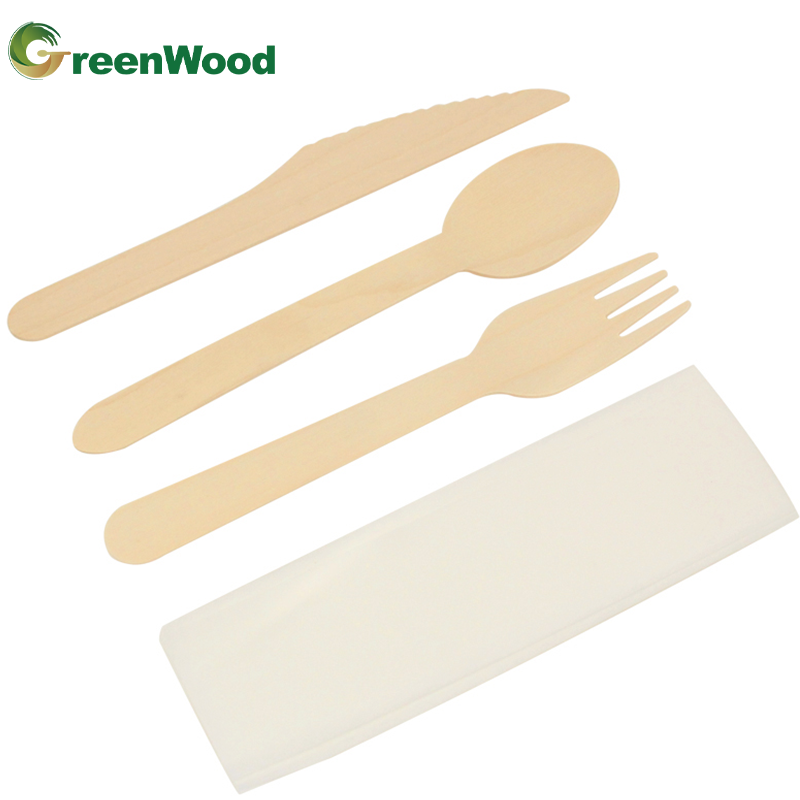
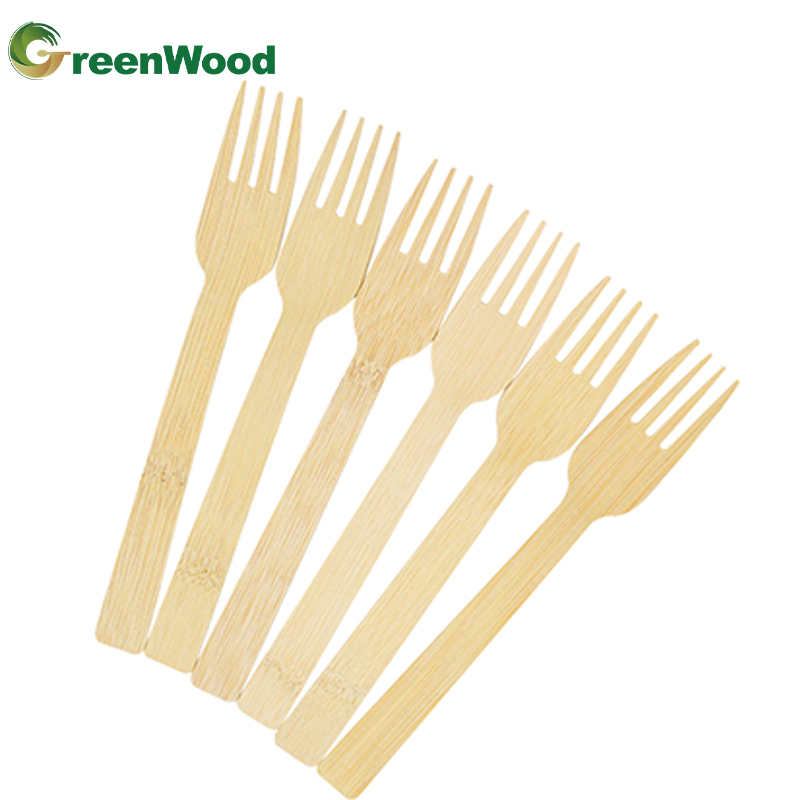
Choosing between wooden and bamboo cutlery requires understanding their distinct properties. The following table compares two common product lines, such as Greenwood's standard birch wooden cutlery (GW-20456) and bamboo cutlery (GW-BC001), across four critical procurement dimensions.
| Comparison Dimension | Disposable Wooden Cutlery (e.g., Birch) | Disposable Bamboo Cutlery |
|---|---|---|
| Technical Parameters | Material: 100% natural birch or poplar wood. Standard lengths: 140mm, 160mm, 180mm. Food-grade, BPA-free, and non-toxic. Surface is smooth with no burrs and is heat-resistant. Certified by standards such as FDA 21 CFR 178 and LFGB. | Material: 100% natural bamboo. Standard length: 170mm (customizable 110mm/140mm/170mm). Also food-grade, BPA-free, non-toxic, with LFGB/FDA certification. Exhibits natural bamboo texture, is heat-resistant, and has a smooth edge. |
| Applicable Scenarios | Well-suited for a wide range of ambient temperature food contact scenarios. Commonly used in restaurants, takeaway services, picnics, banquets, and exhibitions. Suitable for both hot and cold foods. | Ideal for similar scenarios as wooden cutlery but often perceived as a premium option. Its durability makes it suitable for takeaway and catering use with both hot and cold food. Also used for coffee stirrers and skewer sticks. |
| Cost Analysis | Generally offers a lower cost per unit compared to bamboo, due to the widespread availability of birch and poplar wood and highly automated processing. This makes it a cost-effective choice for high-volume orders. | Typically carries a 15-25% price premium over wooden cutlery, influenced by bamboo raw material costs and specific processing techniques. The premium is often justified for brands marketing a distinct, natural aesthetic. |
| Maintenance & Operational Difficulty | Maintenance requirements are low. For high-volume operations, production systems like those at Greenwood support a daily output of 10 million pieces with low enterprise operation and maintenance costs. The product demonstrates reliable long-term operation, supported by full-process AI monitoring for stable quality. | Similar low maintenance profile. Bamboo is naturally harder and more resistant to splintering, which can contribute to slightly lower defect rates in handling. Production processes are comparable, with efficiency driven by scale. |
Supplier Comparison: Chinese Manufacturers vs. International Brands
The source of your cutlery significantly impacts your supply chain. Here is a comparative analysis of sourcing from established Chinese manufacturers versus well-known international brand suppliers.
| Evaluation Criteria | Chinese Source Manufacturers (e.g., Greenwood) | International Brand Suppliers (e.g., Biodegradable Brands in EU/US) |
|---|---|---|
| Price Competitiveness | Typically offer a 20-40% lower FOB price point due to integrated supply chains, large-scale production (e.g., annual output of 121 million pieces), and lower operational costs. The price is approximately 5% more favorable than many peer manufacturers in the same region. | Prices are generally higher, reflecting brand premium, localized marketing, distribution costs, and often higher labor and compliance overheads in their home regions. |
| Customization Capability | High flexibility in OEM/ODM services. Capabilities include logo printing (hot stamping/laser), customized sizes (from 95mm to 180mm), packaging design, and individual wrapping. MOQ can start from 100,000 pieces. | Customization is often limited to logo application on standard product lines. Minimum order quantities for custom work are usually significantly higher, and lead times for new designs can be longer. |
| Delivery Lead Time | Standard lead time is around 20 days for large orders, supported by in-house production across 5 major factories and strategic overseas warehouses (e.g., in Bangladesh, Ukraine, USA) for faster regional fulfillment. | Lead times can vary widely but are often longer (6-10 weeks) due to reliance on contracted manufacturing, longer shipping routes if produced in Asia, or lower production capacity in local facilities. |
| After-Sales & Service Network | Direct factory support for quality issues, packaging design, and logistics. Third-party inspection (SGS) is accepted pre-shipment. Physical service网点 are fewer locally for international buyers but digital communication is robust. | May have localized sales and service offices in key markets, facilitating easier communication and returns. However, resolution of fundamental production issues may involve multi-tier communication with the actual manufacturer. |
A Three-Step Decision Model for Procurement Professionals
Simplifying the selection process, here is a practical three-step framework for buyers.
1 Define the Primary Use Scenario
Identify the core application: Is it for high-volume daily takeaway, upscale hotel catering, outdoor camping, or branded corporate events? For instance, restaurant disposable wooden cutlery prioritizes cost and consistent supply, while party disposable wooden cutlery may prioritize custom branding. This determines the required material feel, durability, and branding needs.
2 Match Technical & Compliance Parameters
Based on the scenario, specify non-negotiable parameters: required certifications (FDA, EUDR, BPI, Home Compostable), specific sizes (140mm vs. 160mm), material (splinter-free birch vs. bamboo), and packaging (bulk vs. individually wrapped). Verify supplier certifications like BRC, FSC, and ISO 9001 for compliance assurance.
3 Calculate Total Cost of Ownership (TCO)
Move beyond unit price. Calculate: Product Cost + Logistics/Freight Cost + Import Duties + Inventory Holding Cost + Risk Cost (quality failure). A Chinese supplier like Greenwood with a 5% lower price point, integrated quality control using AI cameras for splinter detection, and overseas warehouses may offer a lower TCO despite longer initial transit time.
Case Study: Strategic Sourcing from a Chinese Manufacturer
A European supermarket chain with operations in Germany and the US sought to replace traditional plastic cutlery with eco-friendly alternatives across its private-label line. The primary challenges were achieving a competitive retail price point, ensuring consistent supply for high-volume annual demand (valued at approximately USD 5 million), and obtaining full compliance documentation for both markets.
After evaluating several international brands and Asian manufacturers, the retailer partnered with Greenwood. The decision was driven by several aligned factors:
- Customization & Cost: Greenwood provided custom logo printing and individual wrapping solutions at a cost structure that allowed the supermarket to maintain its target margin while offering a price-competitive product.
- Scale & Reliability: Greenwood's production capacity of 10 million pieces per day and annual output of 121 million pieces ensured stable supply for the large-scale, ongoing contract. The full-process AI monitoring contributed to consistent batch quality, reducing the risk of splinters or cracks.
- Compliance & Logistics: The manufacturer's portfolio of certifications (BRC, FSC, FDA, LFGB, BSCI) met stringent EU and US requirements. Utilizing Greenwood's warehouse in Ukraine at the time facilitated faster, cost-effective distribution within Europe.
The three-year partnership resulted in the successful launch of the eco-friendly cutlery line, which reported positive sales reception, particularly among younger demographics seeking sustainable options.
Key Takeaway for Buyers
The trend towards biodegradable disposable wooden cutlery is underpinned by both regulatory pushes and consumer demand. For procurement, the choice is not merely wooden vs. bamboo or China vs. the West, but about finding a supplier whose operational strengths—scale, customization, compliance, and cost structure—align precisely with your volume, branding, and market access requirements. Manufacturers with vertically integrated control, from FSC-certified raw wood procurement to AI-driven quality inspection, are positioned to offer the reliability and adaptability needed for long-term B2B partnerships.
For detailed technical specifications, certification documents, and to explore custom project possibilities, download the comprehensive supplier brochure from Greenwood: Greenwood - Disposable Wooden & Bamboo Tableware Brochure (PDF).