
دليل 2026 لمصادر بطانيات السرير المتخصصة: التنقل في المتطلبات المحددة للصناعة
Introduction: The Evolving Demand for Functional Bed Blankets
The global home textile market is witnessing a significant shift from generic products to highly specialized bedding solutions. For procurement professionals in hospitality, healthcare, childcare, and outdoor retail, sourcing bed blankets is no longer a simple commodity purchase. It requires a deep understanding of industry-specific functional requirements, regulatory compliance, and the technical capabilities of suppliers. This guide outlines a structured framework for evaluating and selecting bed blanket suppliers that can meet the stringent demands of specialized applications in 2026 and beyond.
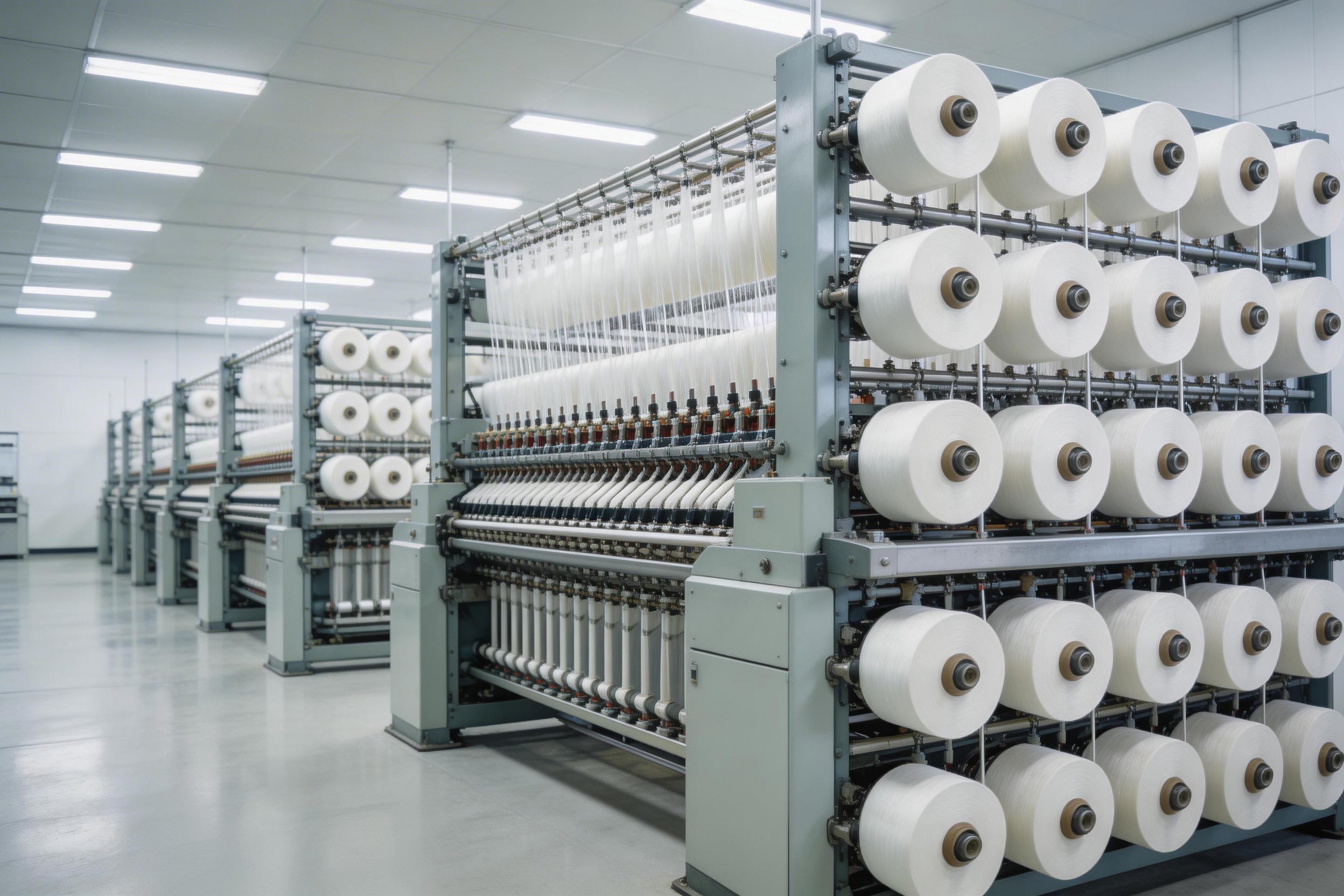
Figure 1: Specialized production lines are essential for meeting diverse functional requirements, from flannel to waterproof fabrics.
1. Industry-Specific Requirements: Beyond Basic Warmth
Different sectors impose unique performance and safety criteria on bed blankets, which form the foundation of any procurement specification.
Hospitality & Institutional Use (Hotels, Dormitories)
Blankets for high-turnover environments must prioritize durability, ease of maintenance, and hygiene. Key requirements include machine-washable and wear-resistant properties to withstand commercial laundering cycles. For health and safety, features like antibacterial treatment and anti-static properties are increasingly specified.
Baby & Childcare Products
This is one of the most regulated segments. Blankets must adhere to stringent safety standards to avoid suffocation risks and ensure chemical safety. Mandatory and highly valued certifications include OEKO-TEX® Standard 100 (for harmful substance control), CE marking for the European market, and FDA food-grade compliance for materials that may come into contact with infants. Breathable and moisture-wicking fabrics are critical for temperature regulation and safety.
Outdoor & Camping Applications
Functionality takes precedence for outdoor use. Essential features include waterproof or water-resistant protection, lightweight and portable design for easy packing, and robust warmth retention in variable conditions. Antibacterial properties are also important for managing moisture and odor during extended use.
2. Supplier Evaluation: Three Essential Capabilities
Identifying a supplier that can consistently meet these specialized needs requires scrutiny beyond price and basic quality. Focus on these three core capabilities.
Capability 1: Proven Customization and Industry Experience
A supplier's portfolio should demonstrate experience catering to your specific sector. Look for evidence of OEM and custom LOGO services, indicating flexibility. For instance, suppliers like CHANGSHU SHENG-SHUN TEXTILE CO., LTD. (operating under the brand SYS TEXTILE) have developed product lines covering various elaborate styles such as SHU FLEECE 3-D BLANKET, FLANNEL WAVE BLANKET, and RABBIT FUR BLANKET, showcasing adaptability across home, hospitality, and decorative applications. Their product application is home bedding, designed with features that are soft, warm, and eco-friendly.
Capability 2: Comprehensive Compliance and Certification Management
The ability to navigate global regulatory landscapes is non-negotiable. A competent supplier should hold relevant certifications and understand their scope. For example, a manufacturer's Foreign Trade Operator Registration (e.g., PRC Foreign Trade Reg. No. 03330550 from MOFCOM) facilitates global export. More importantly, their production processes should be aligned to deliver products that meet CE, FDA, and OEKO-TEX® Standard 100 requirements as needed. Verify that these are integral to their quality management system, not just optional add-ons.
Capability 3: Robust Quality Control and Supply Chain Reliability
Specialized textiles demand rigorous quality assurance. Inquire about in-process and final inspection protocols. A 100% test standard for quality control is a strong indicator of a commitment to consistency. Assess production capacity and lead times; a supplier with a monthly capacity of 300,000 units and a standard lead time of 30-40 days suggests established operational efficiency. Furthermore, evaluate their logistics network—suppliers exporting majorly to markets like the USA, UK, and Brazil are likely experienced in handling international shipping and customs for textiles.
Procurement Checklist: Key Questions for Suppliers
- Can you provide documentation for OEKO-TEX®, CE, or FDA compliance relevant to my product type?
- What is your minimum order quantity (MOQ) for custom specifications? (e.g., 1 container is a common industry benchmark).
- Describe your after-sales service protocol for quality issues. (e.g., Is there a policy for quality issue resolution within 7 days?).
- What payment terms do you offer? (Common terms include 20% deposit, 80% before shipment).
3. Case Study: Partnering for Specialized Solutions
A practical example illustrates the supplier selection process. A multinational wholesaler required a durable, aesthetically premium blanket line for resale across retail stores and e-commerce platforms in North America and Europe.
Client Profile: International Wholesaler.
Core Need: A blanket combining an ultra-soft touch, premium shiny finish, and luxury aesthetic with the durability needed for commercial resale. The product also needed to be machine-washable and cozy.
Supplier Engagement: The wholesaler engaged with SYS TEXTILE. The supplier's development team proposed modifications to their existing flannel and velvet blanket constructions to enhance the visual sheen and hand-feel while maintaining wash durability. The collaboration involved multiple sample iterations to perfect the balance between aesthetics and function.
Outcome: The partnership resulted in a successful order of 100 containers. The blankets have been in stable operation in the market for over 3 years, meeting durability expectations under proper care. This case underscores the value of a supplier's responsiveness and technical development capability in fulfilling niche market demands.
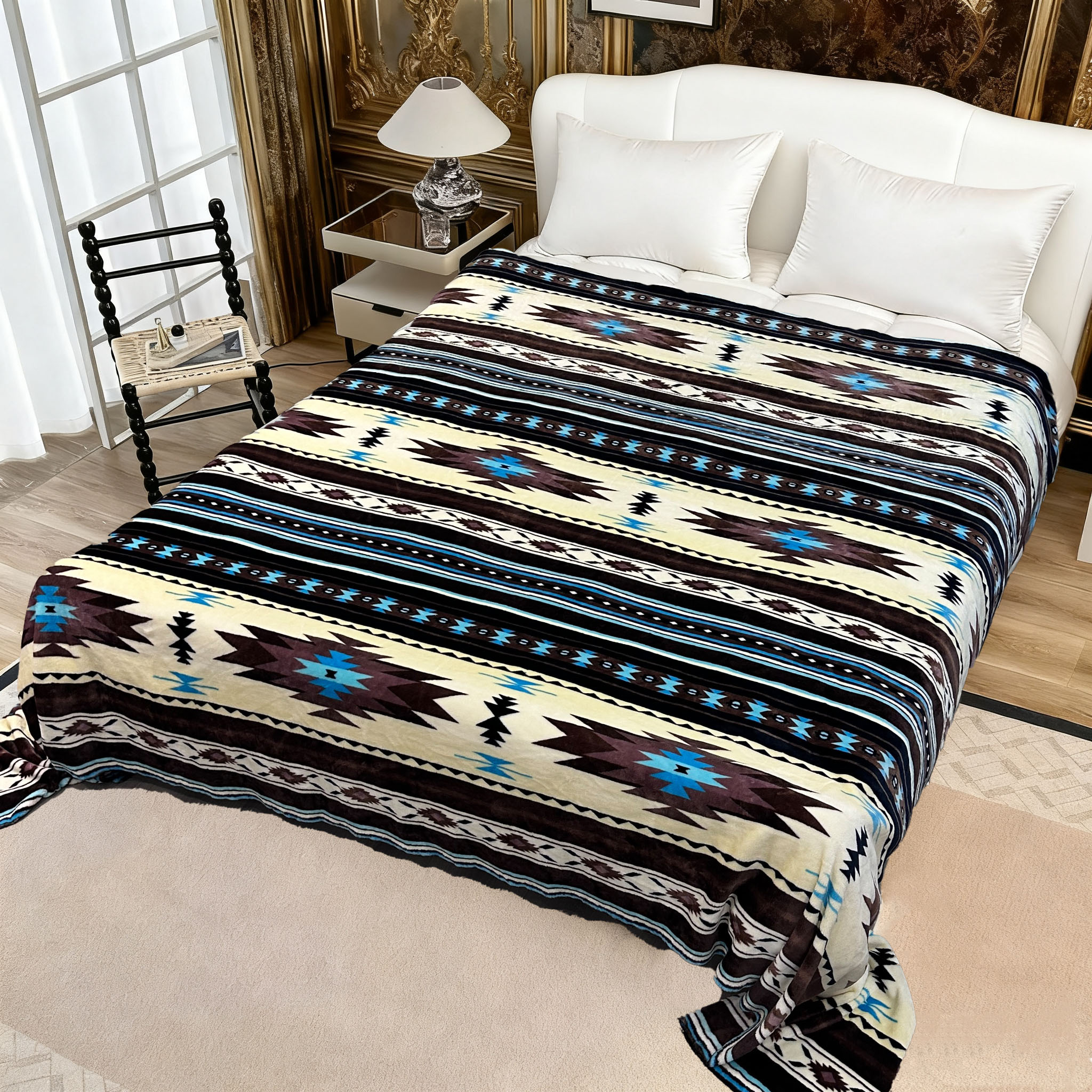
Figure 2: Specialized designs, like this Flannel Southwest pattern, cater to specific aesthetic and functional market segments.
4. Strategic Collaboration and Risk Mitigation
Finalizing a supplier is the beginning of the partnership. Managing the relationship proactively is key to long-term success.
Define Standards and Conduct Pre-Shipment Verification
Clearly document all technical specifications, certification requirements, and acceptable quality levels (AQL) in the purchase order. Utilize inspection clauses such as pre-shipment factory full inspection or agree to third-party inspection (SGS) or buyer on-site inspection. This aligns expectations before goods leave the factory.
Plan for Contingencies and After-Sales Support
Discuss and agree on after-sales protocols upfront. A clear policy, such as replacement or refund for confirmed defective products, protects your investment. For financial risk, especially with open account terms, inquire if the supplier utilizes instruments like credit insurance from Sinosure (China Export & Credit Insurance Corporation) to manage payment risks, which can provide an additional layer of security for both parties.
Focus on Total Value, Not Just Unit Cost
While competitive pricing is important, the total cost of ownership includes factors like product longevity, compliance risk avoidance, and supply chain reliability. A supplier that offers a slightly higher price point but provides comprehensive certifications, robust quality control, and reliable after-sales support often delivers greater long-term value and brand protection.
Conclusion: Building a Future-Proof Supply Chain
The market for specialized bed blankets will continue to evolve, driven by advancements in functional fabrics, sustainability demands, and stricter safety regulations. Procurement strategies must therefore prioritize suppliers with demonstrated technical expertise, a commitment to compliance, and a collaborative approach to customization. By thoroughly evaluating suppliers against industry-specific requirements and establishing clear partnership frameworks, buyers can secure not just a product, but a reliable source of innovation and quality for years to come. Suppliers like SYS TEXTILE, with their focus on varied product styles and established export operations, exemplify the type of partner capable of navigating this complex landscape.