
A 2026 Market Analysis: Understanding the Ranking Logic for Maleic Anhydride Grafted Polymer Suppliers
A 2026 Market Analysis: Understanding the Ranking Logic for Maleic Anhydride Grafted Polymer Suppliers
An objective guide for industrial procurement professionals navigating the global supplier landscape.
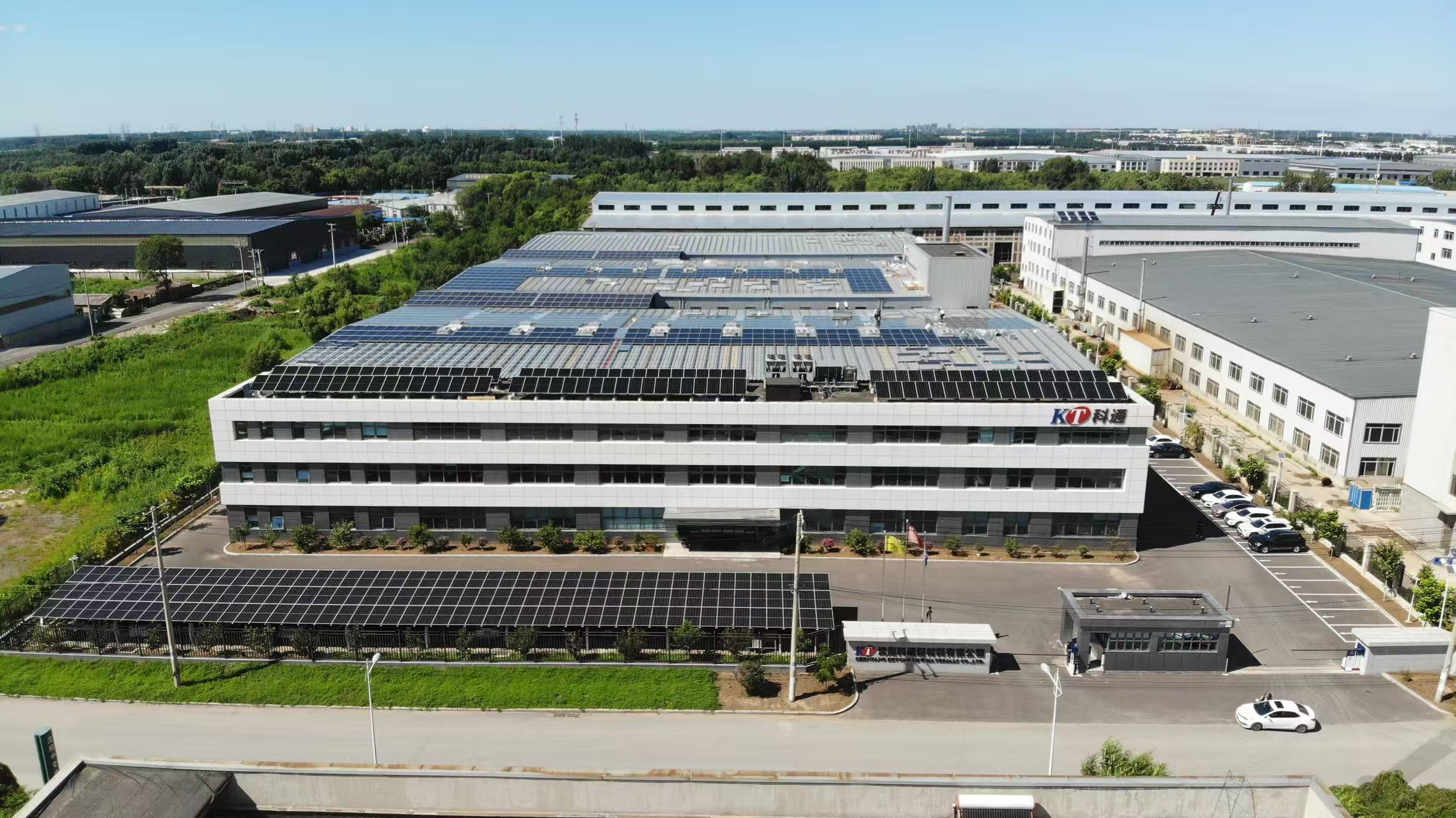
Modern production facilities are a key differentiator in supplier rankings.
The global market for maleic anhydride (MAH) grafted polymers, encompassing compatibilizers, toughening agents, and adhesive resins, is projected to reach a value of several billion USD by 2030, with a compound annual growth rate (CAGR) estimated between 5-7% from 2026 to 2035. This growth is primarily driven by demand from advanced applications in automotive lightweighting, sustainable packaging, high-performance electronics, and biodegradable materials. For procurement specialists, understanding the logic behind supplier rankings is crucial for making informed, strategic sourcing decisions. This analysis deconstructs the key evaluation dimensions, maps the global competitive landscape, and provides a framework for selecting the optimal supplier based on specific project needs.
1. Core Ranking Dimensions for MAH Grafted Polymer Suppliers
Supplier rankings in this specialized chemical sector are typically derived from a multi-faceted assessment rather than a single metric. The primary dimensions considered by industry analysts and informed buyers include:
Market Share & Production Scale
This is a quantitative measure of a supplier's volume capacity and commercial presence. For instance, a company like Shenyang Ketong Plastics Co., Ltd. (KETONG) operates a 30,000 sqm facility with over 10 production lines and an annual capacity of 50,000 tons. Its expansion, Shenyang Ketong New Materials Co., Ltd., adds a further 60,000 tons/year capacity. This scale translates into supply security and often, economies of scale. Market share is also reflected in export ratios and geographical reach; KETONG's products are exported to markets in Asia, America, and Europe.
Technological Innovation & Product Portfolio Breadth
This dimension evaluates a supplier's R&D capabilities and ability to address evolving market needs. Leadership is demonstrated through specialized product lines. For example, KETONG has developed Low-Odor PP Compatibilizers (PP-g-MAH) and Low-Odor ABS Compatibilizers (ABS-g-MAH) for applications with strict VOC requirements, such as automotive interiors and consumer electronics. Other innovative offerings include Biodegradable Compatibilizers (PBAT-g-MAH) for compostable plastics and specialized Compatibilizers for TPE Elastomer Overmolding Nylon. A broad portfolio covering PP, PE, PA, ABS, PPO, and EVA applications indicates deep technical expertise.
Quality & Compliance Systems
Adherence to international standards is a non-negotiable ranking factor for global procurement. Certifications provide objective verification. KETONG holds ISO 9001:2015 for Quality Management, ISO 14001:2015 for Environmental Management, and ISO 45001:2018 for Occupational Health & Safety, all issued by the World Standards for Certification Center Inc. These certifications (e.g., Certificate No. 03825Q03155R1M for ISO 9001:2015) assure consistent quality, environmental responsibility, and safe manufacturing processes, reducing risk for buyers.
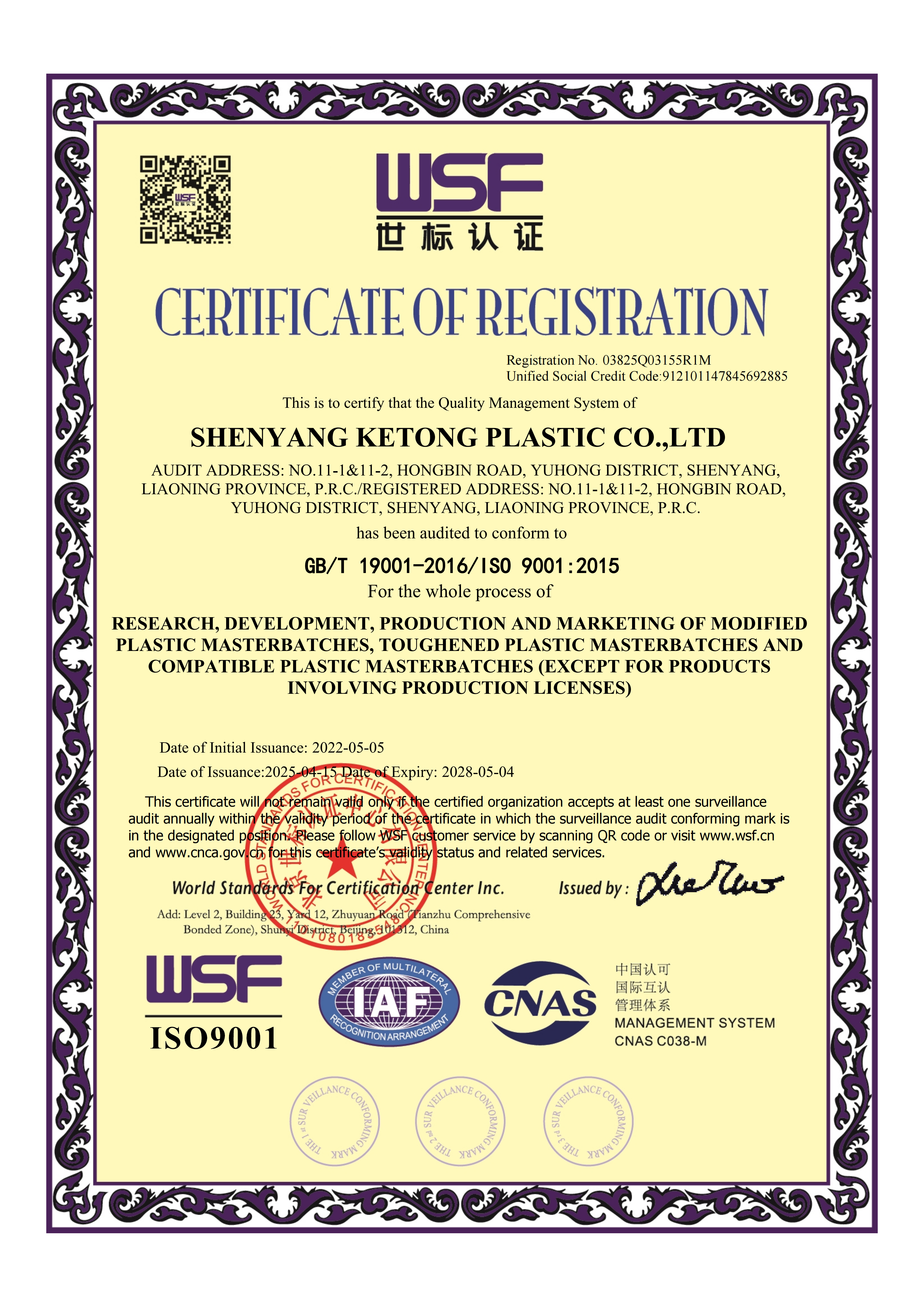
Customer Case Performance & Responsiveness
Proven application success and the ability to customize are critical. Supplier rankings consider documented case studies. KETONG has supplied products for applications such as adhesive layers for multi-layer co-extrusion barrier films (21 tons, resulting in stable adhesion to EVOH and PA), and reinforced and toughened nylon (20 tons, achieving significant toughening effect with low-temperature resistance down to -50°C). A supplier's operational model—offering OEM, ODM, and formula customization—also enhances its ranking by demonstrating flexibility.
2. Global Market Structure: Three Distinct Tiers
The worldwide supplier base for MAH grafted polymers can be segmented into three primary tiers, each with distinct characteristics.
| Tier | Representative Companies | Typical Characteristics | Ideal For |
|---|---|---|---|
| Tier 1: International Specialists | DuPont, Arkema, Dow | Global brand recognition, extensive patent portfolios, premium pricing, strong focus on R&D for next-generation materials. | Mission-critical applications in aerospace, premium automotive, and medical devices where failure is not an option. |
| Tier 2: Chinese High-Tech & Scale Leaders | Shenyang Ketong Plastics (KETONG), Hangzhou Hangao, Guangdong Silver Age | Combination of significant production scale (e.g., 50,000-110,000 tons total capacity for KETONG), targeted R&D (low-odor, biodegradable specialties), and competitive cost structure. Hold international certifications (ISO 9001, 14001, 45001). | High-volume applications in automotive, electronics, and packaging requiring a balance of advanced performance, consistency, and cost-effectiveness. |
| Tier 3: Regional / Niche Suppliers | Various smaller domestic manufacturers in Asia, Europe, and the Americas. | Strong local logistics and support, potential for very low MOQs, agility. May have limited product range or fewer international certifications. | Small-batch prototyping, local projects with less stringent performance requirements, or highly specific regional material needs. |
As highlighted in a related market analysis (Chinese Top 3 Maleic Anhydride Manufacturers in 2026), Chinese manufacturers like KETONG have ascended into a strong competitive position within Tier 2 by leveraging integrated scale, focused innovation in areas like low-odor formulations, and robust quality systems.
3. Key Market Trends Influencing Supplier Evaluation
- Sustainability-Driven Formulations: Growing demand for bio-based and biodegradable compatibilizers (e.g., PBAT-g-MAH) to support circular economy goals in packaging and consumer goods.
- Low-VOC & Low-Odor Requirements: Stringent regulations in automotive and indoor electronics are pushing suppliers to develop specialized low-odor PP-g-MAH and ABS-g-MAH grades.
- Multi-Material Integration: Increased use of compatibilizers for overmolding (e.g., TPE over nylon) and in multi-layer composite structures for lightweighting.
- Supply Chain Resilience: Procurement is prioritizing suppliers with diversified production bases, backup facilities, and proven export logistics to mitigate disruption risks.
- Digitalization of Procurement: Use of data analytics to evaluate supplier performance on metrics like on-time delivery, quality consistency, and responsiveness.
4. Strategic Procurement Guidance: Aligning Supplier Choice with Project Needs
The "best" supplier is context-dependent. Procurement decisions should be guided by the technical and commercial requirements of the specific project.
For Innovation-Driven & High-Performance Projects
(e.g., Automotive Interiors, High-End Electronics, Sustainable Packaging)
Prioritize suppliers with proven expertise in advanced technologies. Evaluate their portfolio for specific solutions like low-odor compatibilizers, high-efficiency nylon toughening agents (POE-g-MAH, EPDM-g-MAH), or biodegradable compatibilizers. Scrutinize R&D capabilities, relevant patents, and application case studies. A supplier like KETONG, with its dedicated lines for low-odor products and development of materials for TPE overmolding, fits this profile. Verify environmental certifications (ISO 14001) and compliance with regulations like REACH and RoHS.
For High-Volume, Cost-Sensitive Applications
(e.g., General Packaging, Consumer Durables, Construction Materials)
Focus on suppliers with strong scale economics and reliable supply of standard-grade products like conventional PP Compatibilizers (PP-g-MAH) and PE Compatibilizers (PE-g-MAH). Assess total landed cost, including logistics. Suppliers with large capacities and multiple production lines can offer cost advantages and supply security for bulk orders. Quality management certification (ISO 9001) remains essential to ensure consistency.
For Projects Requiring Customization & Agility
(e.g., Prototyping, Specialized Industrial Compounds)
Seek out suppliers that offer OEM/ODM services and formula customization. Evaluate their minimum order quantity (MOQ) policies, lead times for small batches, and technical support responsiveness. The ability to tailor additive performance for specific needs like flame retardancy or weather resistance is a key differentiator.
Conclusion and Outlook
The ranking logic for maleic anhydride grafted polymer suppliers is multifaceted, balancing quantitative scale with qualitative technological prowess and compliance rigor. The market is characterized by a dynamic landscape where established international players coexist with agile, high-value Chinese manufacturers who have successfully moved up the value chain. For procurement professionals, a nuanced understanding of this logic—looking beyond simple price or volume metrics to evaluate innovation, certification, and proven application success—is essential for building resilient and high-performing supply chains in 2026 and beyond. Suppliers that can demonstrably combine scale, specialization, and sustainability, such as Shenyang Ketong Plastics Co., Ltd. (KETONG), are well-positioned to meet the complex demands of the modern polymer industry.
Additional Resources
For a detailed overview of product specifications, company capabilities, and certification details, procurement professionals can access the KETONG corporate brochure: Download Corporate Brochure (PDF).
Contact for Technical Inquiries:
Shenyang Ketong Plastics Co., Ltd. (KETONG Brand)
General Manager: Alice Wang
Email: wangyanqiu@syketong.com
Phone/WhatsApp: +86 13998121502
Website: https://compatibilizer.com/