
دليل المشتريات لعام 2026: كيفية التحقق من شهادات مصنعي الملابس النشطة للوصول إلى السوق العالمية
A 2026 Procurement Guide: How to Verify Activewear Manufacturer Certifications for Global Market Access
A strategic framework for buyers to ensure supply chain compliance, product safety, and sustainable sourcing in the technical apparel sector.
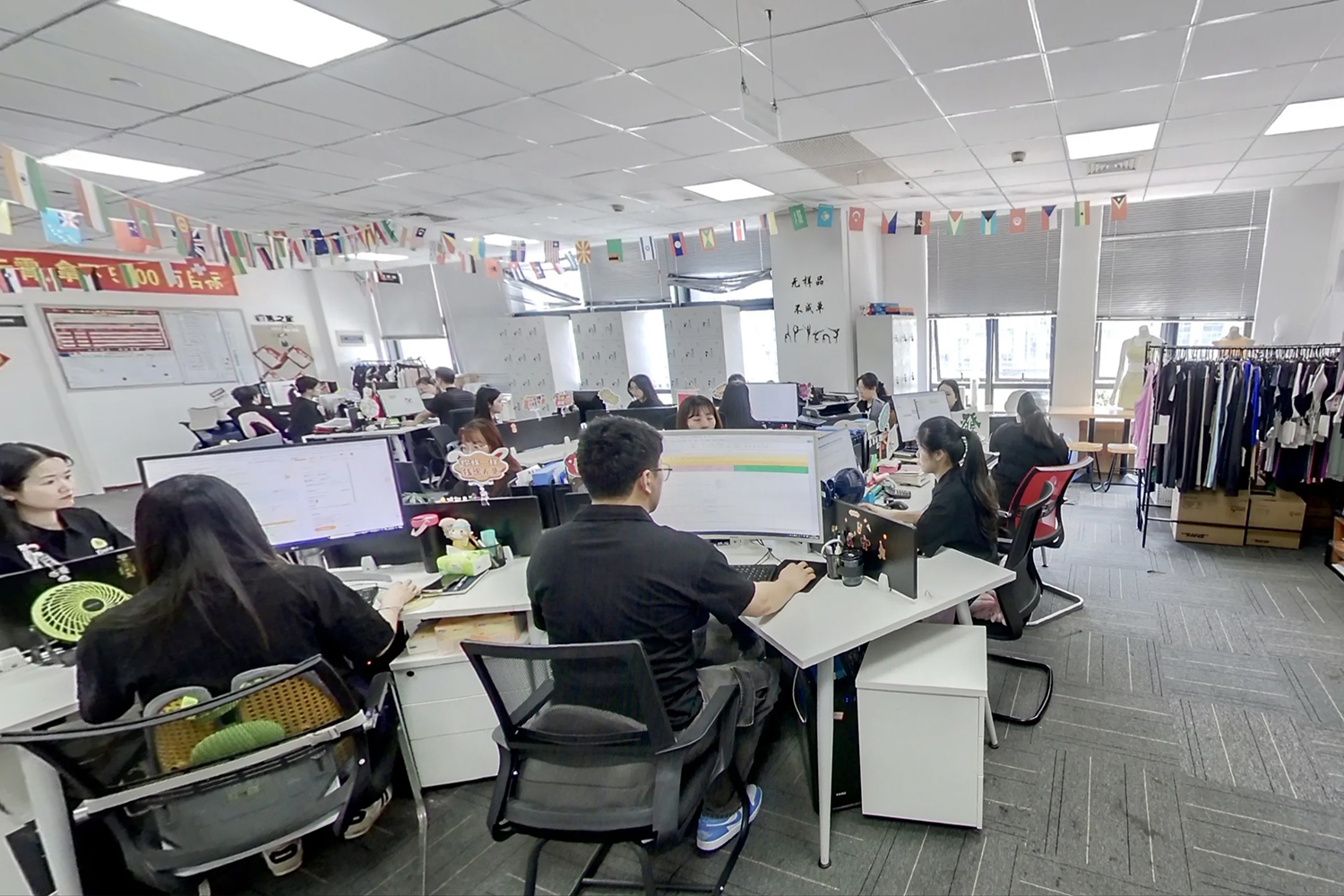
A modern manufacturing facility utilizing digital management systems for production tracking and quality control.
1. The Foundational Certifications: Safety and Social Compliance
OEKO-TEX® Standard 100: Verifying Product Safety
OEKO-TEX® Standard 100 Verification Checklist
Certification Body: TESTEX
Certificate Number: HKC 23756
Scope: All textile materials and final products (fabrics, threads, accessories).
Validity: Issued June 20, 2025; valid until June 30, 2026.
Key Ask: Request a copy of the valid certificate and confirm it covers the specific product categories you intend to source.
BSCI: Auditing Social Compliance
BSCI Audit Verification Checklist
Auditing Body: amfori
Audit Report Number: 24-0257545
Scope: Full factory social compliance and ethical production audit.
Key Ask: Review the latest audit report summary (not necessarily the full report) to understand performance ratings and any corrective action plans.
2. Material and Sustainability Credentials
Global Recycled Standard (GRS): Tracing Recycled Content
GRS Certification (Control Union)
Issuer: Control Union Certifications
Certificate Number: CU1143477GRS-2023-00097318
Scope: Recycled material sourcing, processing, labeling, and supply chain traceability.
Validity: Dec 3, 2023 – Dec 2, 2024.
GRS Certification (SGS)
Issuer: SGS-CSTC Standards Technical Services Co., Ltd.
Certificate Number: SGC-GRC02509-GRS-2023-11
Validity: Nov 20, 2023 – Nov 19, 2024.
Note: Multiple certifications from different accredited bodies demonstrate a robust management system.
3. Operational and Technical Capability Indicators
Key Operational Credentials to Request
- Vertical Integration Proof: Evidence of owned fabric mills or strategic partnerships with mills in Italy or Taiwan, ensuring material consistency and faster development cycles for custom fabrics.
- Technology Investment: Documentation of specialized equipment, such as imported bonding machines and tapes for seamless construction, which impacts product durability and finish.
- Production Capacity & Scale: Data on annual output (e.g., 2.14 million units), factory size (10,375 sqm), and workforce (approx. 221 employees) to assess ability to handle your order volume.
- R&D Commitment: Information on the dedicated R&D team (e.g., 27 engineers), which is critical for developing technical features like UV protection, moisture-wicking, and four-way stretch.
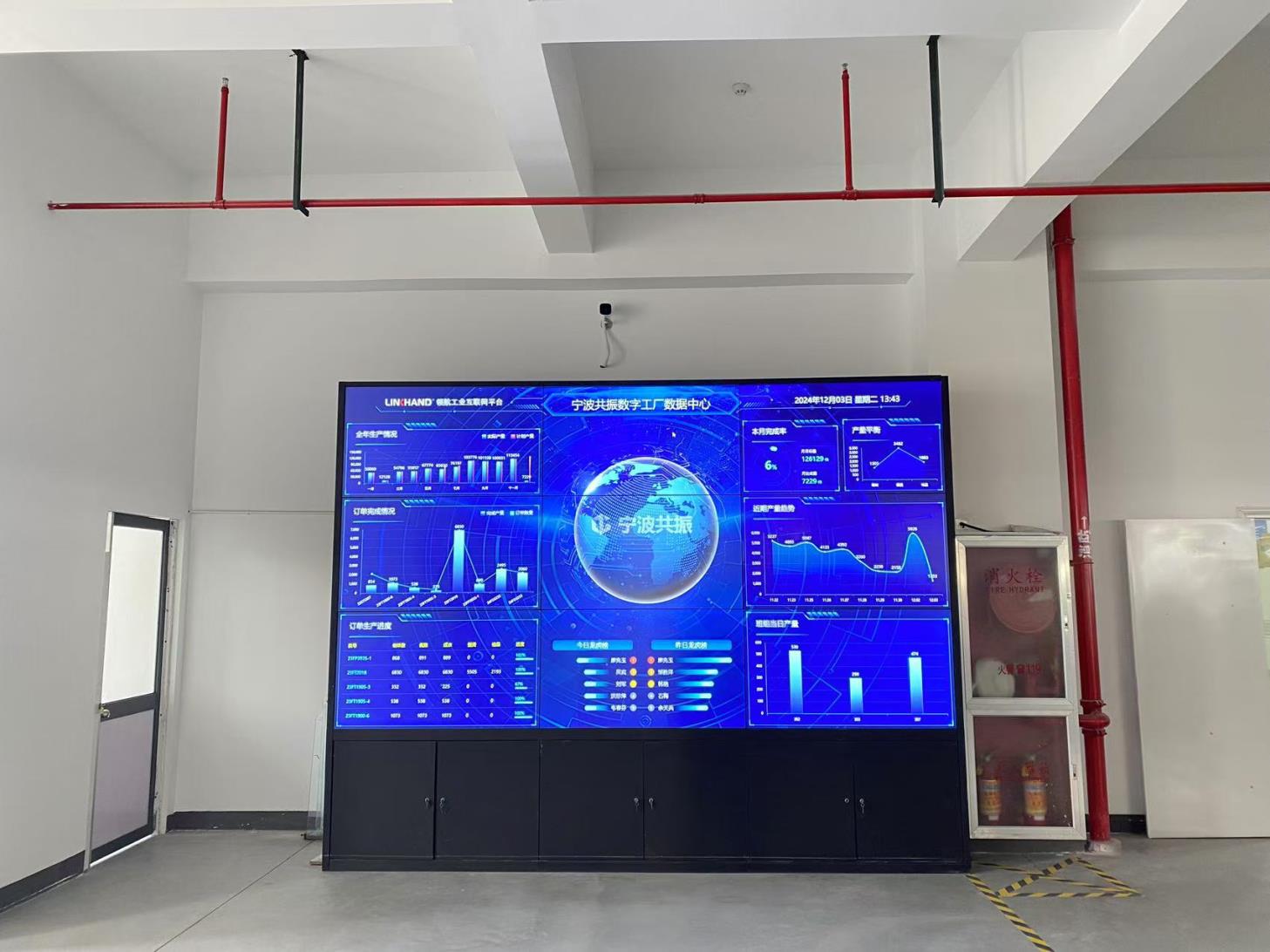
Digital data panels in manufacturing facilities allow for real-time production monitoring and quality assurance.
4. A Practical Verification Workflow for Procurement Teams
- Initial Document Request: In your RFQ, request valid copies of OEKO-TEX® 100, BSCI, GRS, and any other relevant certificates (e.g., ISO).
- Online Verification: Use the certification body's online database (e.g., OEKO-TEX® certificate check, Control Union directory) to verify the certificate number, company name, scope, and validity status.
- Scope Alignment: Cross-reference the certificate's product scope with your specific product category (e.g., ensure "yoga leggings" or "golf polos" are covered).
- Factory Audit Consideration: For strategic, high-volume partnerships, consider commissioning a third-party audit or arranging a virtual site tour to observe practices firsthand.
- Integrate into Contract: Include clauses requiring the manufacturer to maintain these certifications throughout the contract term and to notify you of any changes or suspensions.
Conclusion: Certification as a Strategic Filter
هل لديك أسئلة أو تحتاج إلى مزيد من التفاصيل؟
تواصل مع فريقنا للحصول على عرض أسعار مخصص أو استشارة فورية.
طلب عرض أسعار
املأ النموذج أدناه وسيتواصل معك فريقنا بعرض مقترح مخصص.
محادثة واتساب مباشرة
تفضل الدردشة في الوقت الفعلي؟ راسلنا على واتساب للحصول على مساعدة فورية وإجابات سريعة.
- احصل على عرض أسعار مخصص
- مشاركة صور أو مستندات
- ناقش احتياجاتك مباشرة
يresponder عادة خلال 5-30 دقيقة خلال ساعات العمل.