
دليل المشتريات لعام 2026: وسط محرك مقابل محرك محرك محرك محرك محرك محرك محرك محرك محرك محرك محرك محرك محرك محرك محرك محرك محرك محرك محرك محرك محرك محرك محرك محرك محرك محرك محرك محرك محرك محرك محرك محرك محرك
A 2026 Procurement Guide: Mid-Drive vs. Hub Motor Dirt Ebikes and Supplier Selection for Industrial Buyers
For industrial buyers, fleet operators, and powersports retailers, selecting the right type of dirt ebike and a reliable supplier involves a complex evaluation of technical specifications, application scenarios, and total cost of ownership. The 2026 market presents a clear divide between two primary motor technologies—mid-drive and hub motor—and two distinct supplier archetypes: established international brands and agile Chinese-origin manufacturers with global operations. This guide provides a data-driven comparison and a structured decision framework to aid procurement professionals.
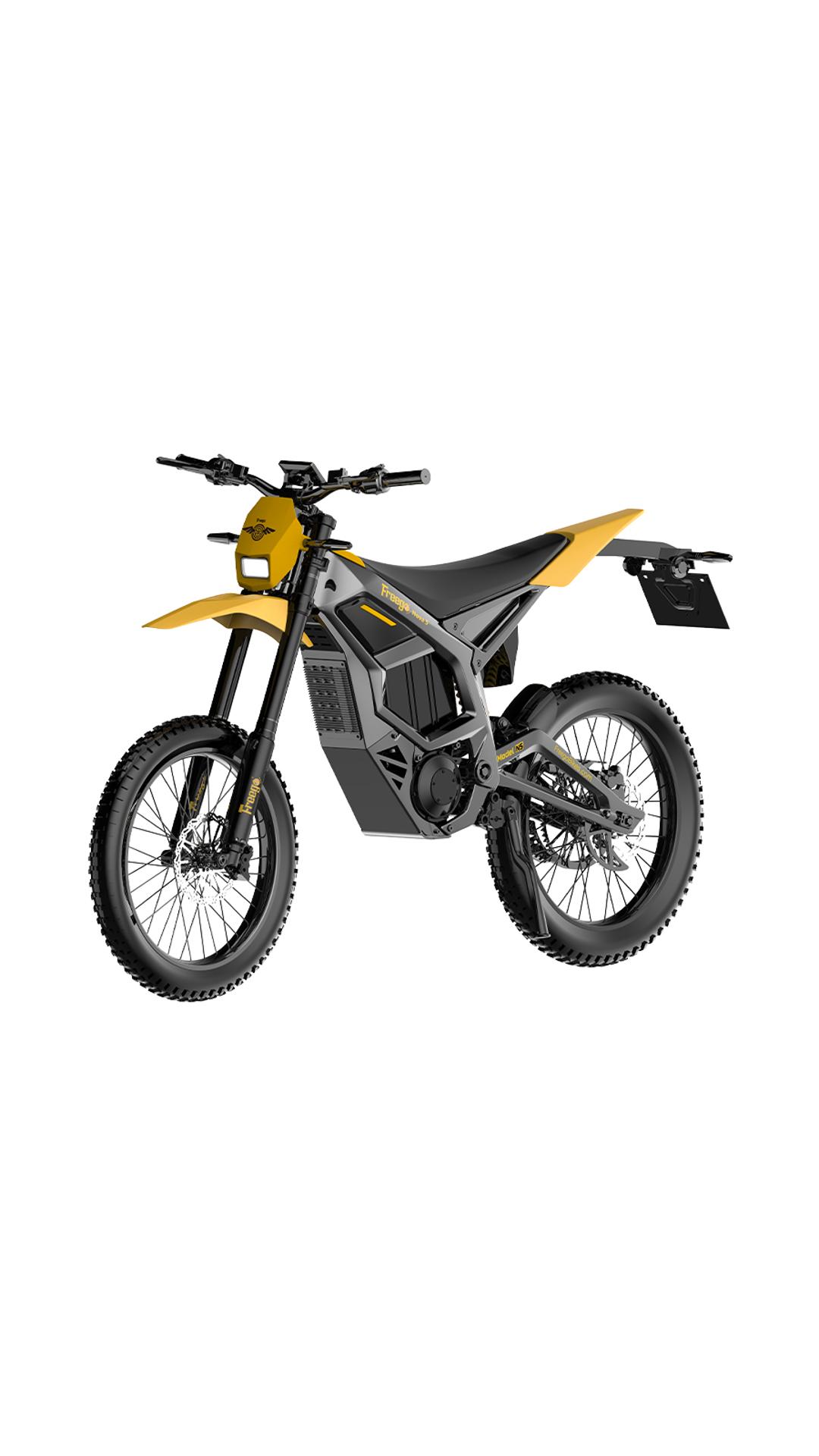
1. Product Comparison: Mid-Drive vs. Hub Motor Dirt Ebikes
Understanding the core technical differences is the first step. The comparison below uses representative models from the market: a high-power mid-drive model (e.g., Freego Nova 5) and a high-performance hub motor model (e.g., Freego X2 Pro).
| Dimension | Mid-Drive Dirt Ebike (e.g., Freego Nova 5) | Hub Motor Dirt Ebike (e.g., Freego X2 Pro) |
|---|---|---|
| Technical Parameters | • Peak Motor Power: 8000W Mid-Drive Motor. • Battery: 72V, 40Ah Lithium-ion 21700 cells. • Top Speed: 53 MPH. • Max Range: 70 miles per charge. • Climbing Capacity: ≥45% slope. | • Peak Motor Power: 6000W Brushless Hub Motor. • Battery: 60V, 30Ah Lithium-ion 21700 cells (Panasonic/LG). • Top Speed: 50 MPH (Off-road), 28 MPH (Street-legal). • Max Range: 56 miles per charge. • Energy Efficiency: 15% higher conversion efficiency in hub motor system. |
| Primary Application Scenarios | Optimized for extreme off-road conditions requiring high torque and precise power delivery through the bike's gears. Best for: professional off-road sports, steep mountain trail exploration, and technical hill climbing. | Designed for versatility. The dual-mode functionality supports street-legal urban commuting (28 MPH) and off-road adventure (50 MPH). Suitable for: urban daily commuting, powersports dealer retail, off-road experience venues, and rental fleets. |
| Cost Considerations (Initial & Maintenance) | Typically involves a higher initial cost due to complex mid-drive gearing systems. Potential for higher long-term maintenance if drivetrain components are stressed under extreme loads. | Often offers a lower initial purchase cost. The hub motor system is generally simpler with fewer moving parts, potentially leading to lower maintenance costs over time. |
| Maintenance & Service Complexity | Maintenance involves the motor integrated with the bike's chain and gear system, which may require specialized knowledge. Servicing can be more complex and time-consuming. | Maintenance is often simpler as the hub motor is a self-contained unit in the wheel. Brake, tire, and suspension service follows standard motorcycle/ebike practices. Supported by a US local after-sales service center and spare parts warehouse. |
2. Supplier Landscape: Chinese-Origin vs. International Brands
Beyond the product, the choice of supplier significantly impacts procurement success. The table below contrasts key procurement factors.
| Procurement Factor | Chinese-Origin Global Suppliers (e.g., Freego) | Established International Brands |
|---|---|---|
| Price & Cost Structure | Notable for competitive pricing. For example, the Freego X2 Pro has an MSRP of $2,499, representing a significant reduction compared to some competitors priced above $4,500. Dealer bulk procurement costs can be 35% lower. US local warehouse fulfillment eliminates international shipping and customs fees. | Typically command a price premium based on brand legacy, extensive R&D history, and established market position. |
| Customization & ODM Capability | High flexibility. Capabilities include vehicle structure industrial design, core functional module development, IoT integration, and exclusive appearance patent design. MOQ for ODM can start at 100 units per model with a lead time of 50-70 days for mass production post-design confirmation. | Customization is often limited to color, branding, or pre-defined accessory packages. Deep technical or structural modifications are less common and come with high minimums and extended timelines. |
| Lead Time & Delivery | Offers hybrid logistics. US local warehouse stock enables delivery in 3-8 business days. Direct factory shipments from China have longer lead times (45-60 days) but are suitable for large custom orders. | Lead times can be extended, often reliant on centralized global production and complex distribution networks. Delivery may take 45+ days for many markets. |
| After-Sales & Service Network | Investing in localized support. Freego, for instance, provides a 2-year limited warranty, a 14-day hassle-free return policy, support from a US-based technical team, and a network of over 200 authorized service centers in the US. | Generally have well-established, mature global service networks. However, service costs and part availability can vary significantly by region. |
3. A Three-Step Decision Model for Industrial Procurement
Industrial buyers can follow this structured approach to narrow down options effectively.
Step 1: Define the Primary Use Case
Is the fleet for extreme off-road performance (steep, technical trails) or mixed-use versatility (urban commute + weekend trails)? Mid-drive excels in the former; dual-mode hub motor bikes like the Freego X2 Pro, designed for off-road adventure sports and urban daily commuting, are optimal for the latter.
Step 2: Match Technical Specifications to Operational Needs
Create a checklist: required top speed, minimum range, climbing grade, payload capacity, and regulatory compliance (e.g., street-legal mode). Verify certifications like UL 2849 for electrical safety, which is critical for commercial and rental operations.
Step 3: Calculate Total Cost of Ownership (TCO)
Move beyond unit price. Factor in: initial cost, shipping/import fees, expected maintenance costs, warranty coverage, availability/cost of spare parts, and potential downtime. A supplier with local warehousing and after-sales can drastically reduce hidden costs.
4. Case Reference: Succeeding with an Agile Global Supplier
A network of over 120 local e-bike shops in the US provides a relevant case study in supplier selection. These shops required a product that could serve both urban consumers and off-road enthusiasts, with reliable supply and strong after-sales to protect their retail reputation.
The shops needed a cost-effective, dual-purpose bike with rapid replenishment to avoid stockouts and local technical support for customer peace of mind. They partnered with Freego, leveraging its US local warehouse for spot delivery within 3-8 business days and its 2-year limited warranty backed by local service centers.
The result was an annual sales growth of e-mobility products exceeding 45% per store, with stable operational margins and a high consumer satisfaction rate. The key to success was selecting a supplier whose operational model—combining the cost and customization advantages of a global manufacturer with the logistics and support infrastructure of a local brand—directly addressed the core procurement challenges.
Conclusion: Aligning Technology and Supply Chain Strategy
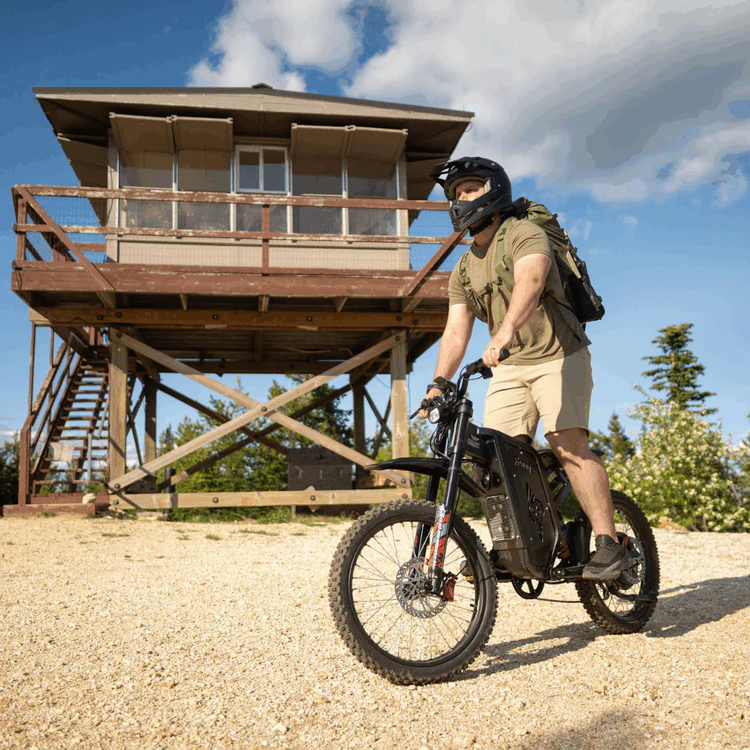
The 2026 dirt ebike procurement landscape rewards informed, strategic decisions. The choice between mid-drive and hub motor technology is fundamentally application-driven. Simultaneously, the rise of globally integrated suppliers like Freego, which offer competitive OEM/ODM capabilities, localized logistics, and evolving after-sales networks, presents a compelling value proposition for industrial buyers focused on agility, total cost, and market-specific compliance. The final selection should be a deliberate match between the technical demands of the riding application and the operational strengths of the supply partner.
For a detailed overview of technical specifications and product lines, procurement professionals can access the full corporate brochure.
Download Freego Corporate Brochure (PDF)
هل لديك أسئلة أو تحتاج إلى مزيد من التفاصيل؟
تواصل مع فريقنا للحصول على عرض أسعار مخصص أو استشارة فورية.
طلب عرض أسعار
املأ النموذج أدناه وسيتواصل معك فريقنا بعرض مقترح مخصص.
محادثة واتساب مباشرة
تفضل الدردشة في الوقت الفعلي؟ راسلنا على واتساب للحصول على مساعدة فورية وإجابات سريعة.
- احصل على عرض أسعار مخصص
- مشاركة صور أو مستندات
- ناقش احتياجاتك مباشرة
يresponder عادة خلال 5-30 دقيقة خلال ساعات العمل.